Elevating Every Voice: How Student Leadership is Transforming School Culture at South County High
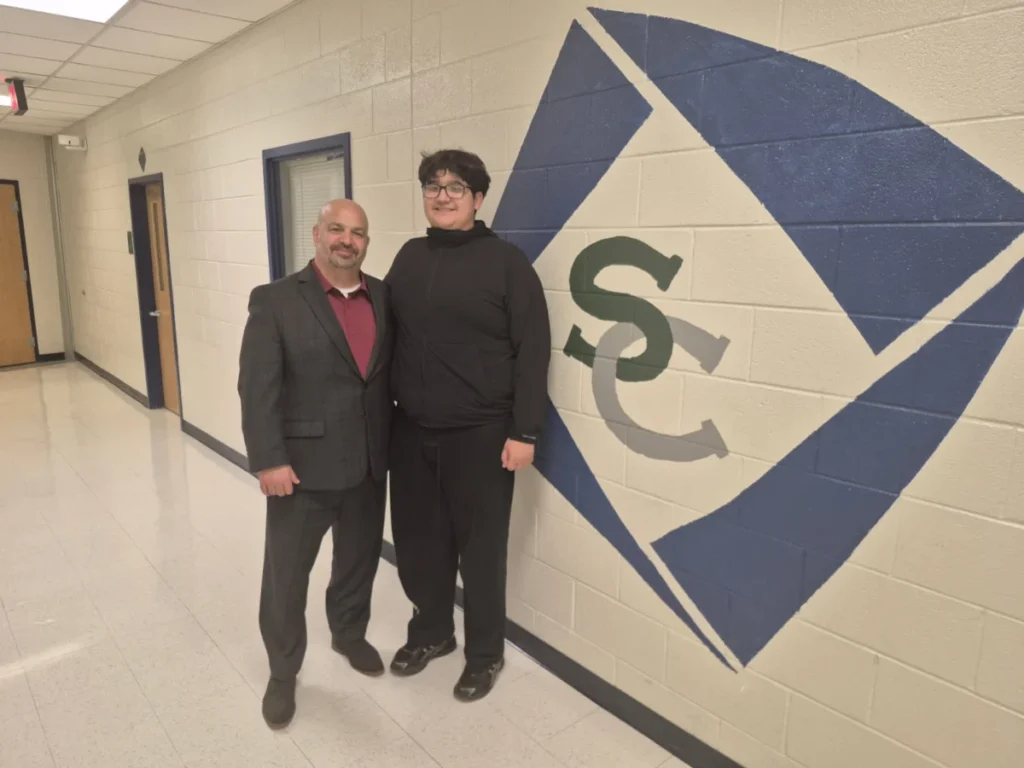
Lorton, VA – In an educational landscape increasingly recognizing the profound impact of student agency, Principal S. Kambar Khoshaba of South County High School stands as a staunch advocate for integrating student voice into the very fabric of school culture. As National Student Leadership Week, April 20–24, approaches, Khoshaba’s insights and a compelling success story from his own institution offer a powerful blueprint for fostering genuine collaboration and empowerment within school communities. His experience underscores a critical truth: when students are given authentic platforms to contribute, the entire school thrives, yielding outcomes far greater than any individual effort.
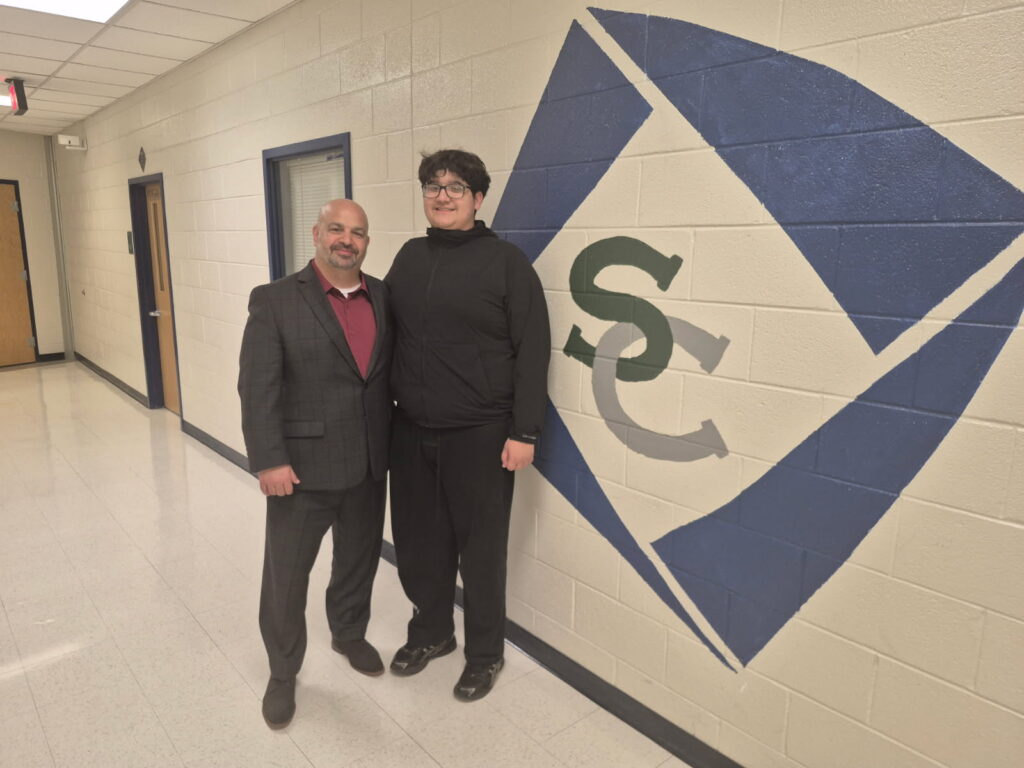
Khoshaba, now in his fourth year at South County High, his twelfth as a principal, and his twenty-ninth year in public education, has long observed the transformative potential of student involvement. His career has been marked by a commitment to creating environments where every student feels seen, heard, and valued. This commitment culminated recently in a remarkable partnership with a junior, Kayhan Kandahari, a collaboration that has not only exceeded expectations but has also set a new standard for student-principal engagement.
The Principal’s Vision: Elevating Student Voice as a Cornerstone of School Culture
Principal Khoshaba firmly believes that a vibrant school culture is not merely inherited but actively constructed through shared ownership. Central to this philosophy is the deliberate elevation of student voice, moving beyond tokenistic gestures to genuine integration into decision-making processes. He contends that empowering students to articulate their perspectives, concerns, and aspirations leads to a more responsive, inclusive, and ultimately, more effective learning environment. This approach fosters a sense of belonging, cultivates critical life skills, and prepares students for active citizenship beyond the classroom.
Khoshaba identifies three core strategies crucial for effectively elevating student voice within any educational institution:
1. Establishing Formalized Platforms for Authentic Dialogue
The first, and perhaps most critical, strategy involves creating structured, consistent, and accessible avenues for students to voice their opinions and engage in constructive dialogue with school administration and faculty. This goes beyond suggestion boxes or occasional surveys, aiming for sustained, meaningful engagement.
At South County High, this strategy materialized through the creation of a dedicated Student Leadership Forum. The process began with Khoshaba’s proactive outreach to students known for their leadership potential and engagement, seeking individuals who represented a diverse cross-section of the student body. The aim was to move beyond the traditional student government model, which often focuses on event planning, to a body directly involved in school policy and operational discussions. This forum was designed to be a direct channel, ensuring student perspectives were not just collected but actively considered in the ongoing improvement of the school.
Key elements in establishing such a platform include:
- Clear Mandate and Purpose: Defining the forum’s scope, objectives, and decision-making influence from the outset. This ensures students understand their role and the impact they can have.
- Inclusive Representation: Actively recruiting students from various academic tracks, social groups, and grade levels to ensure a broad spectrum of perspectives. This prevents the forum from becoming an echo chamber and ensures it truly reflects the student body’s diversity.
- Structured Meetings: Implementing regular meeting schedules with clear agendas, protocols for discussion, and mechanisms for follow-up. This professionalizes the forum and ensures productivity.
- Administrative Commitment: The principal and other key administrators must be consistently present, engaged, and visibly responsive to the forum’s discussions and recommendations. Their active participation signals that student input is genuinely valued.
2. Empowering Student-Led Initiatives and Projects
Beyond merely voicing opinions, true empowerment involves granting students the autonomy and resources to initiate and lead projects that address identified school needs or enhance the student experience. This strategy transforms students from passive recipients of education into active co-creators of their learning environment.
This could involve:
- Mini-Grant Programs: Allocating a small budget that student groups can apply for to fund projects that align with school improvement goals.
- Mentorship and Support: Providing faculty advisors and administrative support to help students develop project management skills, navigate school bureaucracy, and achieve their objectives.
- Public Recognition: Celebrating student-led successes through school announcements, newsletters, and community events, reinforcing the value of their contributions.
- Curriculum Integration: Allowing students to propose and develop components of the curriculum or extracurricular programs, particularly in areas where student interest is high.
3. Integrating Student Feedback into Institutional Decision-Making
The ultimate test of an elevated student voice lies in its tangible impact on school policies, practices, and resource allocation. This strategy ensures that student input is not merely heard but systematically analyzed, considered, and, where appropriate, incorporated into formal decision-making processes.
This requires:
- Feedback Loops: Establishing clear processes for how student recommendations are reviewed, acted upon, and communicated back to the student body. Transparency is key to building trust.
- Policy Review Committees: Including student representatives on school committees responsible for reviewing and developing policies related to student life, academics, or school environment.
- Data-Driven Decisions: Encouraging students to gather data (e.g., through surveys, focus groups) to support their proposals, thereby strengthening the credibility of their arguments.
- Professional Development for Staff: Training faculty and staff on how to solicit, listen to, and effectively utilize student feedback in their own classrooms and departmental decisions.
A Case Study in Collaboration: The South County High Student Forum
The practical application of Khoshaba’s first strategy bore fruit through his collaboration with junior Kayhan Kandahari. What began as an exploratory conversation between a principal dedicated to fostering student voice and a motivated student keen to make a difference, quickly evolved into the establishment of a dynamic Student Leadership Forum.
The initial groundwork involved careful planning and a shared vision. Khoshaba and Kandahari worked together to define the forum’s purpose, structure, and initial goals. Their first meeting, held in January, was a testament to the power of authentic collaboration. It quickly exceeded Khoshaba’s already high expectations, demonstrating the students’ capacity for thoughtful analysis and strategic planning.
The forum’s inaugural session was not just a discussion but a meticulously planned strategic planning meeting. The students, guided by Kandahari’s leadership, did not merely list concerns; they engaged in a sophisticated process of prioritization, mapping out when each topic would be addressed based on its urgency and relevance to the broader school community. This proactive sequencing ensured that immediate, time-sensitive issues received prompt attention, while also reserving ample space for deeper, more expansive conversations about long-term school culture enhancements.
The collaborative process yielded five critical priorities that the forum agreed to tackle:
- Enhancing Student Well-being and Mental Health Support: Recognizing the growing pressures on adolescents, students prioritized expanding access to counseling services, developing peer support networks, and integrating mindfulness practices into the school day.
- Improving Extracurricular Activity Access and Diversity: Students sought to address barriers to participation in clubs and sports, advocating for more inclusive recruitment, diverse activity offerings, and equitable resource allocation to ensure all students could find their niche.
- Modernizing Learning Environments and Technology Integration: With an eye towards future-ready education, the forum aimed to improve classroom technology, advocate for flexible learning spaces, and ensure equitable access to digital resources for all students.
- Promoting Sustainable Practices within the School: Driven by environmental consciousness, students proposed initiatives for waste reduction, energy conservation, and the establishment of school-wide recycling and composting programs.
- Fostering a More Inclusive and Equitable School Community: This broad priority encompassed efforts to promote cultural understanding, address instances of bias or discrimination, and ensure that every student felt safe, respected, and valued regardless of their background.
As a testament to their foresight and commitment to efficiency, the group also recognized the necessity of formal leadership roles within the forum itself to ensure its smooth operation and sustained impact. Through a truly collaborative process, they established a robust organizational structure, defining the following key positions:
- President: Responsible for chairing meetings, setting agendas with the principal, and serving as the primary liaison between the forum and the administration.
- Recording Secretary: Tasked with meticulously documenting meeting minutes, decisions, and action items, ensuring continuity and accountability.
- Corresponding Secretary: Responsible for managing external communications, including outreach to the wider student body and drafting official correspondence.
- Media and Photography Coordinator: Charged with documenting the forum’s activities, creating engaging content for school media channels, and promoting student voice initiatives.
- Bulletin Board Coordinator: Focused on visual communication within the school, keeping the student body informed of forum updates, achievements, and opportunities for engagement.
This self-initiated organizational structure demonstrated a profound level of ownership and strategic thinking among the students, transforming the forum from a simple discussion group into a functional, self-governing body poised for sustained impact.
Beyond the Meeting Room: Tangible Outcomes and Deepened Relationships
The success of the Student Leadership Forum at South County High transcends mere policy discussions. For Principal Khoshaba, it represents an unprecedented level of collaboration and success in his nearly three decades in public education. "I can honestly say I have never experienced this level of collaboration or success in partnering with a student," he reflects, highlighting the unique depth of this initiative.
The impact was not just institutional but deeply personal. A "cherry on top" moment arrived during the winter break when Kayhan Kandahari sent Khoshaba an email expressing his profound enjoyment of their collaboration, going so far as to refer to the principal as his mentor. This unprompted acknowledgment resonated deeply with Khoshaba, serving as a powerful affirmation of the work’s significance. While educators do not enter the profession seeking such overt praise, moments like these are invaluable reminders of the profound and often unseen influence they wield.
This reciprocal relationship, where a student not only contributes meaningfully to the school’s governance but also finds a mentor in its leader, exemplifies the true potential of authentic engagement. It underscores that when principals and students are given the space to collaborate genuinely, allowing creative energy and mutual respect to flow freely, the result is not only stronger relationships but a final product—a revitalized school culture—that is far greater than either could have created alone.
The Broader Implications for Education
The South County High experience offers vital lessons for educational institutions nationwide, particularly as the focus on student-centered learning continues to grow.
Impact on School Culture
Elevating student voice fundamentally shifts the paradigm of school governance from a top-down authoritarian model to a collaborative community. When students feel their opinions matter and their contributions are valued, their engagement in all aspects of school life naturally increases. This leads to:
- Increased Ownership and Responsibility: Students take greater pride in their school and are more invested in its success.
- Improved Behavior and Discipline: A sense of agency often correlates with fewer disciplinary issues, as students feel respected and are more likely to adhere to rules they helped shape.
- Enhanced Academic Performance: Engaged students are more motivated learners, leading to potential improvements in academic outcomes.
- A More Positive Atmosphere: A school where voices are heard and respected is generally a happier, more harmonious place for everyone.
Student Development and Skill Building
The process of contributing to school governance offers invaluable experiential learning opportunities, cultivating a range of critical skills essential for future success:
- Leadership and Teamwork: Students learn to lead discussions, delegate tasks, and work collaboratively towards common goals.
- Critical Thinking and Problem-Solving: They analyze complex school issues, propose solutions, and evaluate potential outcomes.
- Communication and Advocacy: Students develop the ability to articulate their ideas persuasively, listen actively, and advocate effectively for their peers.
- Civic Responsibility: Engaging in school governance provides a practical lesson in democratic principles, community service, and the power of collective action.
Educator Growth and Professional Enrichment
Principals and teachers also benefit immensely from integrating student voice. It provides fresh perspectives on long-standing challenges, helps identify blind spots, and ensures that policies and programs are genuinely relevant and effective for the student body. Educators gain deeper insights into the student experience, fostering greater empathy and enabling them to tailor their approaches more effectively. This collaborative model can also reignite passion among educators, reminding them of the direct impact they can have when they empower those they serve.
Replicability and Challenges
The success at South County High is not an anomaly but a model that can be adapted and replicated in diverse educational settings. The key lies in a principal’s genuine commitment, a willingness to share power, and the creation of structured pathways for student engagement.
However, implementing such initiatives is not without its challenges. Time constraints for both students and staff, initial skepticism, ensuring equitable representation, and maintaining momentum can be hurdles. Overcoming these requires:
- Strong Administrative Buy-in: The principal’s unwavering support is paramount.
- Faculty Development: Training teachers to support student leadership and incorporate student feedback in their classrooms.
- Clear Communication: Regularly communicating the forum’s progress and impact to the entire school community.
- Flexibility and Adaptability: Being open to adjusting strategies based on feedback and evolving needs.
Conclusion
As National Student Leadership Week approaches, Principal S. Kambar Khoshaba’s work at South County High School serves as a beacon, illustrating the transformative power of authentic student voice. His strategies for establishing formalized platforms, empowering student-led initiatives, and integrating student feedback into decision-making have not only enhanced school culture but have also fostered deep, meaningful relationships between students and administrators. The partnership with Kayhan Kandahari exemplifies that when principals and students are given the space to collaborate authentically, the result is a dynamic, responsive, and thriving educational environment. This model of shared leadership is not just about improving schools; it’s about shaping future citizens, equipping them with the skills, confidence, and sense of purpose to lead and contribute meaningfully to the world beyond their school gates.
About the Author
S. Kambar Khoshaba is the principal of South County High School in Lorton, VA. He is co-facilitator of NASSP’s School Leaders of Color Network.