
The Complexity of Co-occurrence: Redefining ADHD in the Modern Clinical Landscape
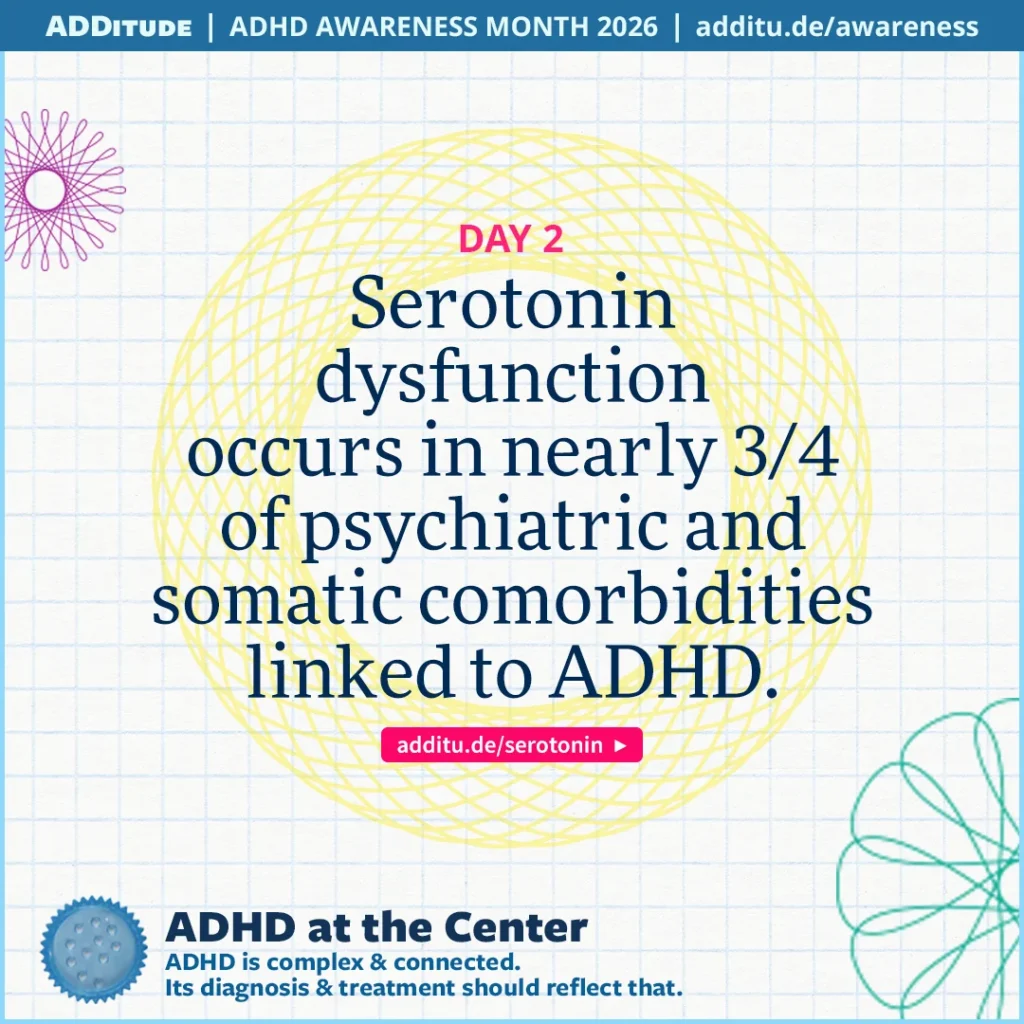
Attention Deficit Hyperactivity Disorder (ADHD) is frequently misunderstood as a singular, isolated condition characterized solely by inattention or impulsivity. However, as we observe ADHD Awareness Month 2026, the medical community is moving toward a more nuanced consensus: ADHD is rarely a "lone wolf." Instead, it exists as a complex, interconnected neurobiological reality. Data suggests that ADHD presents as an isolated diagnosis only about 25% of the time. This staggering statistic demands a fundamental shift in how we approach diagnosis, treatment, and long-term patient support.
The Myth of the Isolated Diagnosis
For decades, clinical diagnostic criteria focused on the core symptoms of ADHD: executive dysfunction, hyperactivity, and emotional dysregulation. While these remain the foundation of the diagnosis, they often act as the "tip of the iceberg." Beneath the surface, the majority of individuals with ADHD navigate a secondary layer of co-occurring conditions—commonly referred to as comorbidities.
These co-occurring conditions are not merely "added on"; they are deeply integrated into the patient’s neurodivergent profile. Whether it is anxiety, depression, learning disabilities, or sleep disorders, the presence of these conditions complicates the treatment pathway. Treating ADHD in a vacuum—ignoring these comorbid factors—often leads to stalled progress and patient frustration. Modern clinical practice must now reflect this reality by adopting a "whole-person" diagnostic framework that identifies and addresses the entire spectrum of a patient’s mental health needs simultaneously.

A Chronology of Understanding: From DSM-I to the Modern Era
The medical understanding of ADHD’s complexity has evolved significantly over the last seventy years:
- 1952 (DSM-I): ADHD was categorized under "Minimal Brain Damage." The focus was entirely on behavioral symptoms, with no recognition of emotional or internal comorbidities.
- 1980 (DSM-III): The term "Attention Deficit Disorder" (ADD) was introduced. This era marked the first time the medical community acknowledged that symptoms could exist without hyperactivity, though the focus remained narrow.
- 1994 (DSM-IV): The introduction of three subtypes (Inattentive, Hyperactive-Impulsive, and Combined) allowed for better classification but still failed to emphasize the high prevalence of co-occurring conditions.
- 2013 (DSM-5): A landmark shift occurred as the diagnostic criteria began to align more closely with the realities of the lifespan, acknowledging that ADHD persists into adulthood and is frequently accompanied by mood and anxiety disorders.
- 2026 (The Current Paradigm): We have entered the era of "Comorbid-Centric Treatment." Today, clinicians prioritize a holistic view where the interplay between ADHD and secondary conditions like ODD (Oppositional Defiant Disorder), ASD (Autism Spectrum Disorder), and substance use disorders is considered the standard of care.
Supporting Data: The Reality of the Numbers
The 75% rate of co-occurrence is not just a statistic; it is a call to action for healthcare providers. Research continues to reveal the depth of these connections:
- Anxiety and Depression: Up to 50% of adults with ADHD will experience at least one episode of clinical anxiety or depression in their lifetime. These conditions often mask as ADHD symptoms, or vice versa, creating a diagnostic "chicken-or-egg" scenario.
- Learning Disabilities: In pediatric populations, the overlap between ADHD and specific learning disorders—such as dyslexia or dyscalculia—is estimated to be as high as 40%.
- Sleep Disorders: Over 70% of individuals with ADHD report significant sleep disturbances, including delayed sleep phase syndrome and insomnia, which exacerbates executive dysfunction during daylight hours.
- Substance Use: Research indicates that adults with untreated ADHD are at a significantly higher risk for substance use disorders, often using substances as a form of "self-medication" to manage emotional dysregulation.
These figures illustrate that an ADHD diagnosis should serve as a diagnostic trigger to screen for these associated conditions. Failure to do so is a failure of care.

Official Responses and Clinical Guidelines
Major health organizations, including the American Academy of Pediatrics (AAP) and the American Psychiatric Association (APA), have updated their clinical guidelines to emphasize screening.
"The modern clinician must act as a detective," says Dr. Elena Vance, a lead researcher in neurodevelopmental disorders. "If you are treating a patient for ADHD and they aren’t improving, the problem is rarely that the ADHD medication isn’t working. The problem is that you are treating the ADHD while leaving an untreated anxiety disorder or sleep issue to sabotage the progress."
Official clinical bodies are now pushing for "Integrated Care Models." These models involve multidisciplinary teams—psychiatrists, psychologists, occupational therapists, and even nutritionists—working in tandem. The consensus is clear: the siloed approach to mental health is obsolete.

The Implications: Why Integrated Treatment Matters
What does this mean for the patient? It means moving away from "quick-fix" medication management toward comprehensive life-management strategies.
The Medication-Comorbidity Nexus
Recent studies into newer pharmacological agents—such as viloxazine and centanafadine—have shown promise in addressing not just the core ADHD symptoms, but also the overlapping features of anxiety and depression. This is a game-changer. By selecting medications that target the specific neurochemical pathways shared by ADHD and its comorbidities, doctors can reduce the "polypharmacy" burden (the use of multiple medications) and improve patient adherence.
Holistic Advocacy and Stigma
Beyond the clinic, the implication is one of advocacy. If ADHD is understood as a complex, often comorbid condition, the stigma associated with "failure to improve" dissipates. When a patient struggles, it is not a lack of willpower; it is a complex neurobiological profile that requires a multi-pronged approach.

Advocacy groups are increasingly focusing on the "Empowerment Model," which encourages patients to take ownership of their full health profile. By understanding their own specific "constellation" of symptoms—ADHD plus anxiety plus sleep issues, for example—patients become more effective partners in their own treatment.
Looking Toward the Future
As we look past 2026, the focus must remain on precision psychiatry. Genetic research is beginning to shed light on why certain individuals are more predisposed to specific comorbidity clusters. In the near future, we may see diagnostic tests that predict an individual’s likelihood of developing comorbid conditions, allowing for preventative, rather than reactive, care.
Conclusion: A New Standard of Care
The takeaway for the 2026 ADHD Awareness cycle is simple: ADHD is a complex, connected, and highly individual experience. To treat it effectively, we must stop viewing it as an isolated disorder of focus. We must embrace the complexity.

Whether you are a patient, a parent, or a provider, the mandate is the same: look beyond the primary diagnosis. Ask the questions that uncover the hidden comorbidities. Build a treatment plan that addresses the whole person, not just the symptom. When we shift our focus from the narrow definition of ADHD to the broad, complex reality of the neurodivergent brain, we move closer to a world where everyone has the tools they need to thrive.
Resources for Further Learning
- The Empowerment Movement: Reflections on the changing landscape of ADHD advocacy.
- Understanding Subtypes: Exploring the clinical differences between ADHD and ADD.
- Evidence-Based Facts: A deep dive into the latest research findings in neurobiology.
- Clinical Updates: Stay informed on the latest pharmacological developments for managing ADHD and its comorbid partners.
For more information on navigating these complexities, consult your local mental health advocacy group or visit specialized resources dedicated to evidence-based ADHD care.