Beyond the Classroom Door: How Educators are Bridging the Back-to-School Gap for Vulnerable Students
SPRINGBORO, Ohio — For many Americans, the waning days of August evoke a specific, nostalgic brand of sensory memory. In the 1990s, the close of summer meant squeezing every last drop of daylight out of neighborhood swimming pools before the evening bell schedules were posted. It meant sprinting to the local school building to scan classroom rosters for the names of best friends, followed by a trip to the local shoe store to try and convince parents to spring for the latest trend: a pair of light-up sneakers or Reebok Pumps.
To a child growing up during that era, the invisible infrastructure of poverty often remained hidden. Most children assumed their peers experienced the same routine: fresh #2 pencils, a crisp new notebook, a late-summer haircut, and a stable breakfast before the morning bell.
Decades later, that nostalgic picture stands in stark contrast to the modern American classroom. For Clayton Lavercombe, freshman principal at Springboro High School in Springboro, Ohio, the reality of the 21st-century school year is far more complex. Standing on the front lines of public education in Warren County—situated between the bustling urban centers of Dayton and Cincinnati—Lavercombe and his administrative team bear witness daily to the growing number of vulnerable students who arrive at school without their most basic needs met.
As inflation persists, housing costs soar, and economic pressures strain working-class families, the traditional markers of a successful school year have shifted. Today, brand-new school supplies sit near the absolute bottom of a household budget forced to choose between skyrocketing rent, utility bills, and basic necessities. Yet, within this landscape of rising economic distress, educators across the nation are discovering that increased visibility into student poverty also unlocks a powerful counter-force: community resilience, empathy, and innovative administrative leadership.
The Evolution of Student Need: A Chronological View of Modern Education
To understand how public schools transitioned from educational institutions to frontline community care centers, it is necessary to examine the socio-economic trajectory of the past several decades.
The 1990s and Early 2000s: The Era of Standardized Assumptions
During the final decade of the 20th century, economic policies and a relatively stable middle class fostered an environment where school districts could largely focus on academic output and extracurricular programming. While poverty certainly existed, it was frequently isolated or masked by community structures. School supplies were viewed primarily as a shopping list for families rather than a socioeconomic hurdle. Guidance counseling departments focused heavily on college preparation and minor behavioral interventions, while federal free-and-reduced lunch programs operated quietly in the background without commanding the central operational focus they do today.
The 2008 Financial Crisis and the Paradigm Shift
The Great Recession of 2007–2008 fundamentally altered the financial stability of American households. For the first time in generations, mass layoffs and housing foreclosures thrust middle-class families into sudden financial precarity. Schools began noticing an uptick in students experiencing homelessness, food insecurity, and chronic stress. Districts quietly expanded their roles, partnering with local food banks and launching informal backpack-feeding programs for weekends.
The Post-Pandemic Era: Chronic Inflation and Rising Vulnerability
The COVID-19 pandemic and the subsequent economic fallout created the current landscape navigated by principals like Lavercombe. Federal relief funds provided temporary lifelines—universal free meals, emergency technology grants, and expanded mental health staffing. However, as those federal funds expired amid persistent inflation, schools faced a harsh reality. The cost of living had outpaced wage growth for hourly workers, pushing suburban and rural districts alike into crises previously thought confined to inner-city cores.
Today, Warren County—historically viewed as an affluent or stable suburban enclave—reflects this nationwide trend. Educators are no longer just teaching algebra and biology; they are assessing whether a freshman has access to clean clothing, running water, and adequate nutrition before they can even begin to absorb a lesson.
Supporting Data: The Scope of Student Poverty and Basic Needs
The anecdotal observations of high school principals are backed by sobering national data concerning child poverty, food insecurity, and educational equity in the United States.
- Food Insecurity: According to data from Feeding America, more than 13 million children in the United States face hunger—translating to roughly 1 in 5 children living in food-insecure households. When school is out for the summer or weekends, these numbers spike, directly impacting cognitive development and school readiness come Monday morning.
- The Rising Cost of Supplies: The National Retail Federation (NRF) reported that average spending on back-to-school and back-to-college items has reached historic highs, with families expected to spend billions annually on supplies, apparel, and electronics. For families living paycheck-to-paycheck, even a modest supply list totaling $100 per child represents an insurmountable barrier.
- Housing Stability and Homelessness: The National Center for Homeless Education (NCHE) estimates that over 1.2 million public school students experience homelessness over the course of a single academic year. This includes "doubled-up" situations where families share cramped quarters with relatives or friends, leading to frequent school disruptions and a lack of private space for studying or hygiene.
- The Mental Health Crisis: The Centers for Disease Control and Prevention (CDC) has repeatedly highlighted escalating rates of persistent sadness, anxiety, and trauma among adolescents. Schools that integrate mental health services directly into their campuses report significantly higher rates of identification and intervention, proving that emotional well-being is inextricably linked to physical stability.
Official Responses and Institutional Strategy: A Principal’s Playbook
Faced with these systemic challenges, educational leaders cannot afford to wait for sweeping legislative reform to protect their students. Administrative strategies must be agile, compassionate, and deeply rooted in community partnerships. Drawing from his experience at Springboro High School and his role as the Ohio state coordinator for the National Principals Association, Clayton Lavercombe outlines a four-pillared blueprint for modern school leadership.
1. Know Your Community Intimately
Effective leadership begins beyond the walls of the administrative office. At Springboro, the district’s director of mental health—who also serves on the local city council—founded the Springboro Community Assistance Center. Remarkably, this vital resource operates directly out of one of the district’s own buildings, hosting a bi-monthly food pantry.
This physical integration serves a dual purpose. Because the pantry is not explicitly branded as a punitive or strictly academic school intervention, it provides a neutral, safe space for families to interact with school personnel. Conversations initiated here allow educators to bridge gaps related to a student’s academic, social, emotional, or financial needs without triggering the stigma often associated with asking for institutional assistance.
2. Leverage Community Generosity by Saying "Yes"
Generosity is rarely absent in a community; rather, it often lacks an efficient, discrete channel for delivery. During back-to-school orientation nights, parents frequently approach teachers and administrators, hinting that if the classroom is lacking any materials, they are more than willing to help.
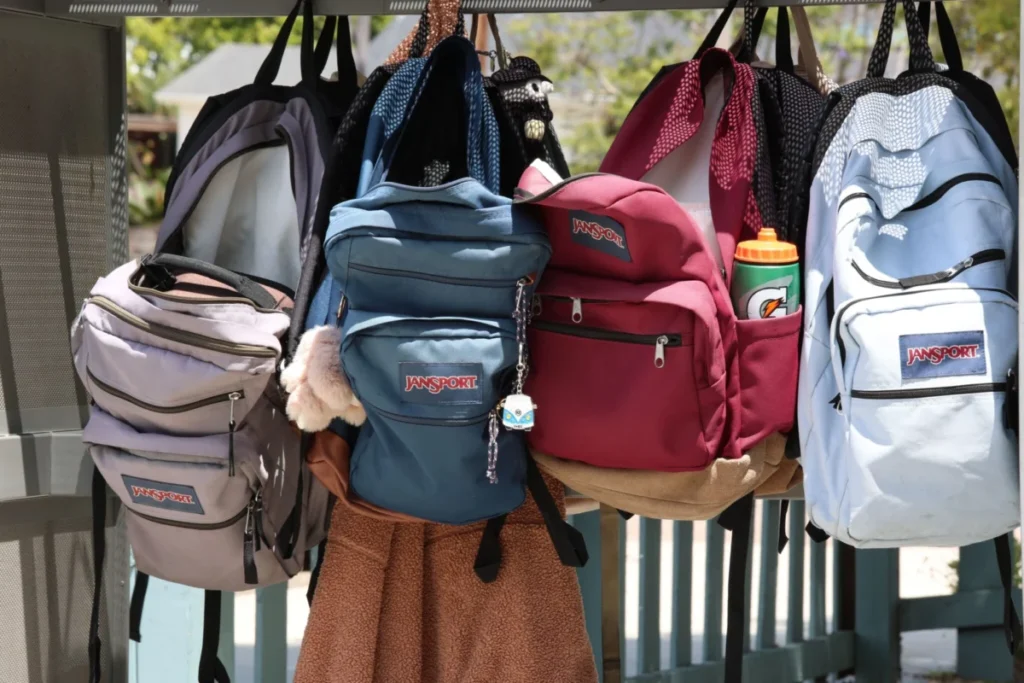
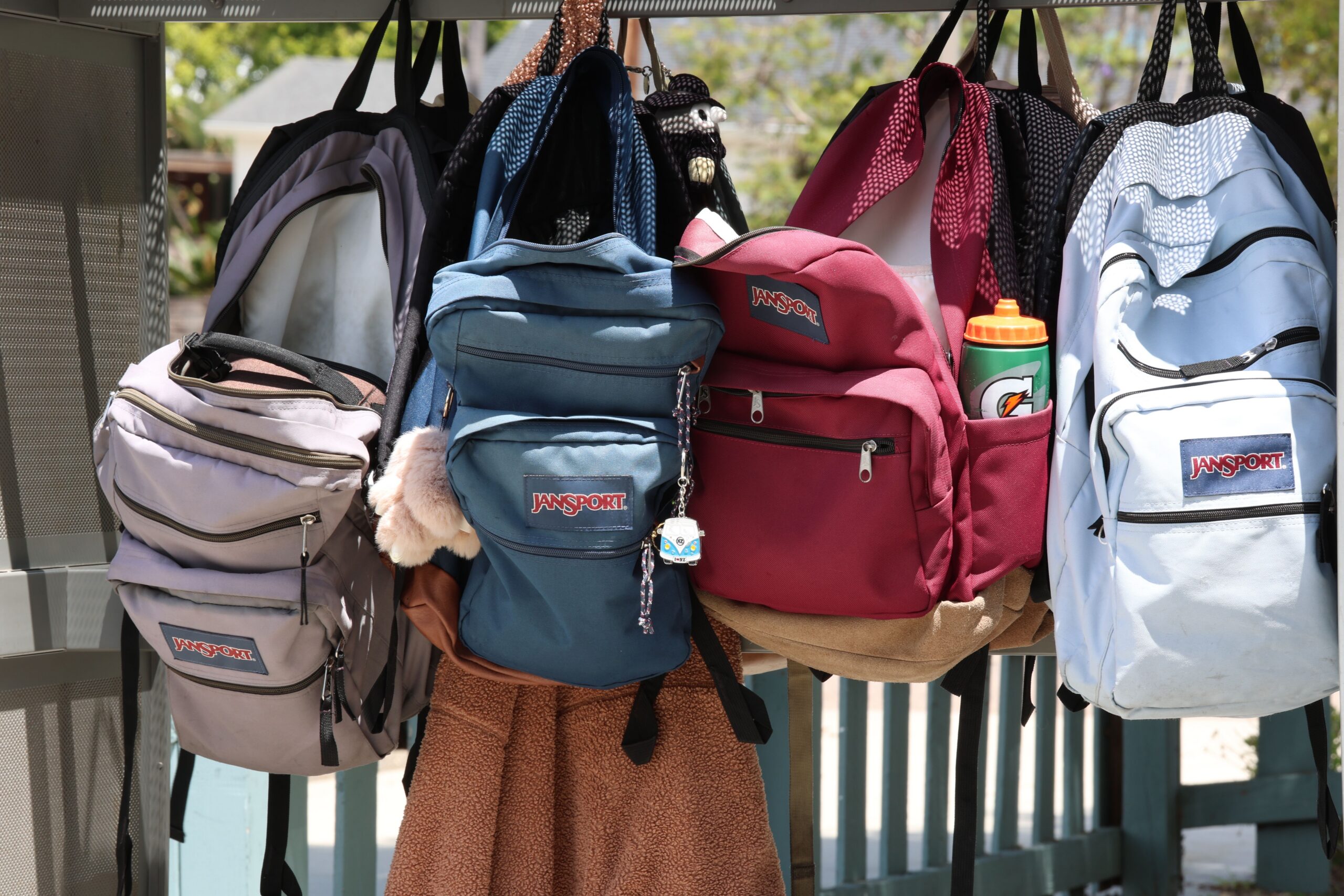
Lavercombe emphasizes the importance of saying "yes" to these offers. When community members donate backpacks, #2 pencils, notebooks, and fresh towels, they provide immediate relief to students who arrive empty-handed. Furthermore, modern donors often leverage social media to mobilize wider support networks. However, administrators must walk a fine line: maintaining student privacy and discretion is paramount. Working directly and quietly with generous donors ensures that aid is delivered without embarrassing the recipient.
3. Utilize and Expand Existing School Resources
Institutional poverty often manifests in subtle ways that require creative, non-traditional solutions. Last year, Springboro High School identified a student who clearly lacked access to laundry facilities and potentially regular access to a shower at home.
Rather than isolating the student or handling the matter through a bureaucratic disciplinary lens, the school leaned into its existing infrastructure. The student was enrolled in a special education life skills class that routinely managed athletic team laundry. Educators encouraged him to bring his personal clothing to wash alongside the sports gear, while quietly assuring him that school facilities were open to him whenever needed. By normalizing these offerings within daily routines, schools strip away the shame, making students far more comfortable asking for help.
4. Let Students Lead the Charge
Empowerment is one of the most effective antidotes to adolescent helplessness. During the winter holidays, a Springboro student volunteered to organize a school-wide sock drive. The initiative snowballed, resulting in massive donations of new socks, towels, and underwear that guidance counselors and teachers could discreetly distribute to students in need.
Similarly, annual Thanksgiving food drives and friendly classroom competitions—such as seeing which homeroom can compile the best non-perishable meal kit—foster a culture of collective responsibility. These programs achieve two critical goals: they provide tangible resources for struggling families, and they teach students that their individual and collective voices possess the power to effect real change for their peers.
Implications for the Future of Public Education
The evolving role of the high school principal signals a broader transformation in American public education. As society asks schools to absorb an increasing share of social welfare duties, the traditional metrics of success—test scores, graduation rates, and college placement percentages—must be contextualized against a backdrop of community wellness.
The Danger of Ignoring Basic Needs
When schools fail to address the foundational hierarchy of needs (food, shelter, safety, and hygiene), academic interventions routinely fail. A student struggling with chronic hunger or the trauma of housing instability cannot focus on quadratic equations or historical timelines. Left unaddressed, these unmet needs manifest as chronic absenteeism, behavioral disruptions, disciplinary actions, and ultimately, high dropout rates.
The Promise of Holistic Communities
Conversely, districts that adopt Lavercombe’s proactive model demonstrate that schools can become stabilizing anchors for entire communities. By transforming school buildings into hubs of mutual aid—incorporating food pantries, laundry access, mental health services, and student-led philanthropy—districts build a culture of resilience.
When a student receives a pair of clean clothes, a full stomach, and a backpack filled with fresh supplies, the impact extends far beyond the classroom. It communicates a powerful message: You belong here, your community sees you, and your future matters.
As a new academic year unfolds across Ohio and the nation, the nostalgic memories of 1990s pool days and light-up sneakers serve as a reminder of a simpler time. But today’s educational leaders are proving that while times have changed, the human capacity for compassion, community-building, and systemic problem-solving remains stronger than ever.
About the Author
Clayton Lavercombe is the freshman principal of Springboro High School in Springboro, Ohio, and serves as the Ohio state coordinator for the National Principals Association.