Beyond the Pushback: How Renowned Coach Elena Aguilar is Redefining Teacher Resistance
By Educational Leadership & Professional Development Desk
Published: October 2026
Main Facts
In the landscape of modern education, instructional coaching and school leadership are frequently built on a premise of intervention: asking educators to pivot, adopt new curricula, or alter long-standing classroom practices. Yet, when teachers meet these directives with hesitation or outright defiance, traditional institutional responses have typically framed the issue as an inherent deficit within the educator.
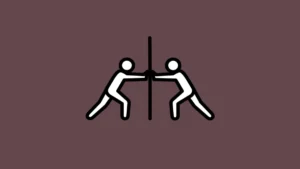
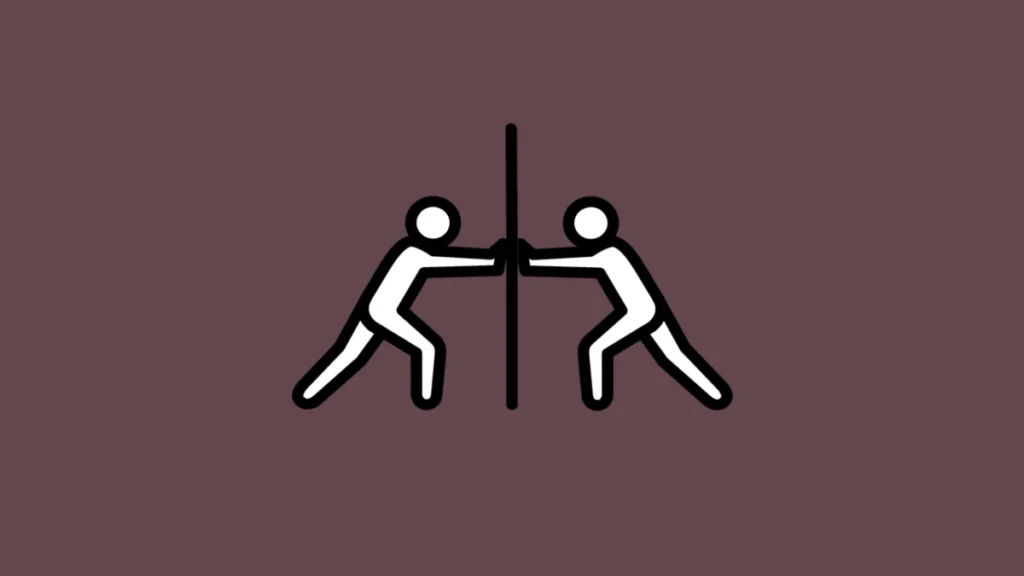
Enter veteran instructional coach, author, and educator Elena Aguilar. In her landmark ninth book, How to Coach Resistance: Turning Pushback Into Possibility, Aguilar challenges this long-held paradigm. She posits that resistance is rarely a one-sided failure of a teacher’s willingness to change. Instead, it is an interactive dynamic—a relational friction fueled by mutual anxieties, unexamined emotional currents, and misdiagnosed professional gaps.
According to Aguilar, when instructional leaders lower their own psychological guard, drop their defensive postures, and shift from enforcement to radical curiosity, they can transform disruptive friction into a catalyst for institutional growth. Her insights, detailed in a recent podcast interview with the Cult of Pedagogy, provide a blueprint not just for school administrators and instructional coaches, but for anyone navigating complex professional collaborations.
Chronology of an Evolving Methodology
To understand the weight of Aguilar’s current work on resistance, it is vital to trace the evolution of instructional coaching over the past two decades.
- Early 2000s – The Compliance Era: Instructional coaching emerged primarily as a remediation tool. When student test scores lagged or district mandates were introduced, coaches were deployed to "fix" struggling or non-compliant teachers, often treating resistance as a behavioral hurdle to be managed or disciplined.
- 2010s – The Rise of Adult Learning Theory: As the education sector began recognizing that adults learn differently than children, frameworks shifted toward emotional intelligence and relational trust. Pioneers like Aguilar began studying the internal lives of teachers, emphasizing mindfulness and equity in coaching.
- Recent Years – The Post-Pandemic Burnout Crisis: Following systemic disruptions in global education, teacher burnout soared, and institutional pushback intensified. Mandates designed to recover lost learning often clashed with exhausted educators, creating unprecedented levels of friction in school hallways.
- October 2026 – The Release of How to Coach Resistance: Aguilar synthesizes decades of field experience into a definitive framework. By explicitly defining resistance as a shared dynamic rather than an individual flaw, the publication marks a significant cultural shift in how schools approach professional development.
Supporting Data & Conceptual Frameworks
Aguilar’s methodology is rooted in structured, actionable models designed to dismantle unproductive classroom conflicts. Her work relies on two core diagnostic frameworks that shift the narrative away from blame and toward structural alignment: The ACE Framework and The Gaps Framework.
The ACE Framework: Navigating the Emotional Subtext
When a coach drops their initial resistance and engages with curiosity, they almost invariably uncover deep-seated emotions. Aguilar’s ACE process outlines how to handle these moments:
- Acknowledge Emotions: Rather than acting as therapists or probing into personal histories, coaches simply validate what the teacher is feeling in real time, fostering mutual acceptance.
- Cultivate Compassion: Educators are often plagued by harsh self-judgment. By encouraging teachers to treat themselves with the same kindness they would offer a best friend, coaches help unlock the empathy needed to move forward. Crucially, Aguilar notes that coaches must first practice radical self-compassion for this step to hold authentic weight.
- Expand the Story: This step deconstructs the limiting beliefs attached to an experience, inviting educators to inspect the narratives they hold about their capabilities, their students, and their administrators.
The Gaps Framework: Pinpointing the Real Barriers
When moving from emotional processing to instructional strategy, Aguilar identifies six distinct categories where a disconnect might occur: skill, knowledge, capacity, will, emotional intelligence, and cultural competence.
Historically, educational institutions defaulted to diagnosing pushback as a "will gap"—the assumption that a teacher simply refuses to do the work. However, Aguilar’s framework demonstrates that what looks like unwillingness is often an unaddressed knowledge or skill gap. For instance, a high school math teacher objecting to a reading-heavy curriculum may not be defiant; they simply may lack formal training in literacy instruction. Identifying the correct gap allows coaches to deliver targeted, effective support rather than generic mandates.
Official Responses and Industry Reception
The educational community has received Aguilar’s paradigm shift with widespread acclaim, particularly among instructional coaches and school leadership teams grappling with retention and morale crises.
Educational researchers have praised the book for humanizing the administrative process. "For too long, coaching has operated under a top-down corporate model that views dissent as insubordination," noted one prominent curriculum specialist during a recent education symposium. "Aguilar reminds us that when a teacher pushes back, they are often signaling a system failure, a lack of resources, or a genuine pedagogical conflict."
Furthermore, teaching unions and professional associations have welcomed the nuance Aguilar brings to "righteous resistance." By validating that some institutional directives are genuinely developmentally inappropriate or pedagogically unsound, her work provides a necessary ethical check on administrative overreach, empowering educators to voice legitimate grievances without fearing professional retaliation.
Implications for the Future of Education
The implications of How to Coach Resistance extend far beyond individual teacher-coach interactions, carrying profound consequences for school culture, professional development, and educational equity.
1. Re-envisioning Professional Development (PD)
Traditional PD often relies on blanket, one-size-fits-all mandates handed down from district offices. By adopting Aguilar’s framework, school districts are forced to rethink PD as a localized, relational process. Recognizing that resistance is a shared dynamic means district leaders must evaluate how their own policies, timelines, and communication styles contribute to educator anxiety.
2. Combating the Educator Retention Crisis
One of the primary drivers of the ongoing teacher shortage is moral injury—the distress educators feel when forced to implement policies they believe harm their students. By creating institutional space for dialogue, validation, and collaborative problem-solving, schools implementing these relational coaching models can significantly boost teacher autonomy, job satisfaction, and long-term retention.

3. Fostering a Culture of True Partnership
Ultimately, Aguilar’s philosophy replaces the archaic supervisor-subordinate hierarchy with a model of true partnership. When a teacher internalizes the message—“I’m not here to judge you; I want to be a partner in working through this”—the classroom ceases to be an isolated silo and becomes part of a collaborative network dedicated to continuous, organic growth.
As educational systems continue to navigate complex socio-emotional and academic landscapes, turning pushback into possibility may well become the defining competency of the next generation of educational leaders.