Nurturing Minds: Sward Elementary’s Holistic Blueprint for Student Mental Wellness
Oak Lawn, IL – In an era where the mental health crisis among young people has reached alarming levels, Sward Elementary School in Oak Lawn, Illinois, stands as a proactive beacon, demonstrating a profound, year-long commitment to fostering student well-being. Far from a mere seasonal observance, the school has embedded comprehensive mental health strategies into its daily fabric, recognizing that a child’s emotional equilibrium is intrinsically linked to their capacity for learning and growth.
As Mental Health Awareness Month casts a vital spotlight on these critical issues, Principal Suzanne Amra of Sward Elementary proudly shares a robust framework designed to equip students with essential tools for self-awareness and self-regulation. Her leadership underscores a fundamental truth: a supportive school environment is a second home, and its primary mission extends beyond academics to cultivate resilient, emotionally intelligent individuals.
The Urgency of Mental Wellness: Main Facts and Context
The landscape of youth mental health in the United States presents a stark reality. According to the Centers for Disease Control and Prevention (CDC), in 2021, more than 40% of high school students reported persistent feelings of sadness or hopelessness, and one in five seriously considered attempting suicide. While these statistics often focus on older adolescents, the foundational elements of mental health are established in elementary school. Early intervention, skill-building, and creating a culture of support are paramount in mitigating these growing challenges.
Sward Elementary’s approach is a testament to this understanding. Principal Amra articulates a vision where mental health support is not a reactive measure but a proactive, integrated component of the educational experience. The school’s strategies are multi-faceted, addressing various levels of student need, from universal prevention through daily routines to targeted interventions for those experiencing acute distress. This holistic model acknowledges that student well-being is not a luxury but a prerequisite for academic success and healthy development.
"Our ultimate goal is to educate our students," Principal Amra emphasizes. "But as a principal, I know I must do everything I can to create an environment where children can learn well and be well. If a child is upset, they can’t learn. However, if they can put tools into practice to restore their equilibrium, then not only are we making a positive impact on learning, but we are making strides toward self-regulation that will serve them long after they leave school."
This philosophy has guided the implementation of five core strategies that have transformed Sward Elementary into a nurturing ecosystem for young minds:
- Developing a Daily Morning Routine with Social-Emotional Learning (SEL): Integrating structured emotional check-ins into the start of each school day.
- Relying on Dedicated School Social Workers: Providing expert support for students, staff, and families.
- Implementing "Hot Passes": Empowering students with a discreet means to seek immediate support from trusted adults.
- Creating Calming Corners and Sensory Hallways: Establishing accessible physical spaces for self-regulation and de-escalation.
- Maintaining Robust Crisis Teams: Ensuring preparedness for unforeseen and severe mental health emergencies.
These pillars collectively form a comprehensive framework, showcasing Sward Elementary’s commitment to prioritizing the emotional health of its student body.
A Journey Towards Well-being: Chronology of Implementation
The evolution of Sward Elementary’s comprehensive mental health program has been a deliberate and thoughtful process, reflecting a growing awareness within the educational community of the urgent need for integrated support systems. While specific dates might vary, the journey likely began with foundational steps and progressively built towards the sophisticated multi-tiered system observed today.
Early Seeds: Embracing Social-Emotional Learning
The initial push towards a more holistic educational model at Sward Elementary likely gained momentum in the mid-to-late 2010s, coinciding with a national surge in interest in Social-Emotional Learning (SEL). Recognizing the limitations of purely academic curricula, school leadership, under Principal Amra’s guidance, began exploring ways to embed character development and emotional intelligence into the school day. This period saw the introduction of preliminary SEL activities, perhaps starting with occasional classroom discussions or themed lessons. The positive feedback from teachers and students, noting improved classroom dynamics and reduced minor behavioral issues, provided the impetus to formalize these efforts.
Formalizing SEL: The Morning Routine Takes Root
By the early 2020s, the concept of a dedicated daily SEL morning routine began to solidify. Following professional development for staff on various SEL frameworks and best practices, the 15-minute morning circle became a non-negotiable part of the school day. This wasn’t merely an add-on but a conscious restructuring of the morning schedule, signaling its importance. The introduction of specific "temperature-check" questions was refined over time, ensuring they were age-appropriate and fostered a safe, inclusive environment for sharing. This period also involved establishing clear SEL protocols, defining what a "safe space" meant within each classroom, and teaching students active listening and respectful communication.
Expanding Professional Support: The Role of Social Workers
As the school delved deeper into understanding student emotional needs, the demand for specialized support became evident. While school counselors have long been a fixture in educational settings, the unique, comprehensive role of school social workers, particularly their ability to bridge school, home, and community resources, was increasingly recognized. The decision to invest in two full-time social workers represented a significant commitment, likely phased in over time as resources became available. This expansion was driven by the observation that many student challenges stemmed from external factors requiring specialized intervention beyond what classroom teachers or general counselors could provide. The social workers’ role quickly expanded from supporting students with IEPs to becoming vital resources for general education students and, crucially, for the staff themselves.
Proactive and Reactive Spaces: Calming Corners and Hot Passes
With the foundational SEL and professional support systems in place, Sward Elementary began to focus on both proactive and reactive strategies for immediate emotional regulation. The concept of "Calming Corners" and "Sensory Hallways" likely emerged from a desire to create ubiquitous, low-barrier access to self-regulation tools. These physical spaces were designed and implemented with input from teachers and social workers, ensuring they met diverse student needs.
The "Hot Pass" system, a more targeted intervention, was developed to empower students experiencing acute dysregulation. This required careful planning: identifying trusted adults, establishing clear rules for pass usage, and communicating expectations to students, staff, and parents. It represented a shift towards greater student autonomy in seeking help, a critical life skill. These initiatives were likely rolled out in tandem, with feedback loops allowing for continuous refinement.
Ensuring Ultimate Preparedness: The Crisis Team
The final, but equally critical, component of Sward’s mental wellness framework was the formalization and training of a dedicated crisis team. While emergency protocols are standard in schools, integrating a specific mental health crisis response team, involving key personnel like the principal, assistant principal, social workers, and trained paraprofessionals, highlighted the school’s commitment to extreme situations. This team undergoes regular training, covering de-escalation techniques, mental health first aid, and coordinated response protocols, ensuring that even in the most challenging scenarios, students receive appropriate and timely support. This aspect of the program is likely subject to ongoing review and updates, reflecting best practices in crisis management.
This chronological development showcases Sward Elementary’s iterative and responsive approach, building a layered system of support that addresses the multifaceted nature of student mental health.
The Science of Support: Supporting Data and Best Practices
Sward Elementary’s strategies are not merely intuitive but are deeply rooted in established psychological principles and educational research. The observed benefits at the school align with broader findings on the efficacy of integrated mental health support in educational settings.
1. Developing a Morning Routine: The Power of SEL
The 15-minute daily Social-Emotional Learning (SEL) routine at Sward Elementary is a cornerstone. Research from organizations like the Collaborative for Academic, Social, and Emotional Learning (CASEL) consistently demonstrates that SEL programs lead to significant improvements in students’ social and emotional skills, attitudes toward self and others, positive classroom behavior, and academic performance. Specifically, students involved in SEL programs show an 11-percentile-point gain in academic achievement compared to peers not participating.
Morning circles, as employed at Sward, create a predictable and safe space. This predictability is crucial for children, especially those who may experience instability outside of school. The "temperature-check" questions facilitate metacognition – the awareness and understanding of one’s own thought processes. By articulating how they feel, students practice emotional literacy and develop a vocabulary for their internal states. This process, as Principal Amra notes, leads to "more robust classroom communities, stronger student voice, and decreased anxiety" because students feel seen, heard, and valued within their peer group and by their teacher. This daily ritual builds emotional resilience and equips students with foundational skills for navigating complex social interactions and personal challenges.
2. Relying on Social Workers: Comprehensive Support Systems
The presence of two dedicated social workers at Sward Elementary is a significant investment with tangible returns. School social workers are uniquely positioned to address the complex interplay of factors affecting a child’s ability to learn. They provide individual and group counseling, crisis intervention, threat assessment, and crucial linkages between the school, families, and community resources. Their expertise extends to developing customized education plans for students with IEPs, but their availability "on call" for dysregulated students ensures immediate intervention, preventing escalation and promoting quicker return to learning.
Furthermore, their support for teachers and staff is invaluable. Social workers offer strategies for classroom management, de-escalation techniques, and trauma-informed practices, empowering educators to better support their students. This "full-circle process," as Amra describes, acknowledges that teacher well-being directly impacts student well-being. When teachers feel supported and equipped, they are better able to create a positive learning environment. National associations like the School Social Work Association of America (SSWAA) advocate for a ratio of one social worker per 250 students, highlighting the critical need for these professionals in schools to address increasing student needs. Sward’s commitment to two social workers underscores a deep understanding of this necessity.
3. Using Hot Passes: Empowering Self-Advocacy
The "hot pass" system exemplifies a trauma-informed approach, which recognizes that distressing experiences can impact a child’s ability to regulate emotions. By allowing students to proactively seek a trusted adult when feeling dysregulated, the school fosters self-advocacy and teaches a crucial life skill: recognizing one’s emotional state and taking appropriate action. This prevents a buildup of distress that could lead to disruptive behavior or emotional shutdowns.
The clear expectations associated with the hot pass – displaying it calmly, identifying a trusted adult – are vital. They teach responsibility and respect for school routines while granting a privilege. This system empowers students by giving them agency over their emotional state, rather than waiting for an adult to identify their distress. It normalizes seeking help, reducing the stigma often associated with mental health struggles. The result is not only a calmer student ready to re-engage with learning but also a student who has practiced a fundamental coping mechanism that will serve them far beyond the school walls.
4. Creating Calming Moments: Calming Corners and Sensory Hallways
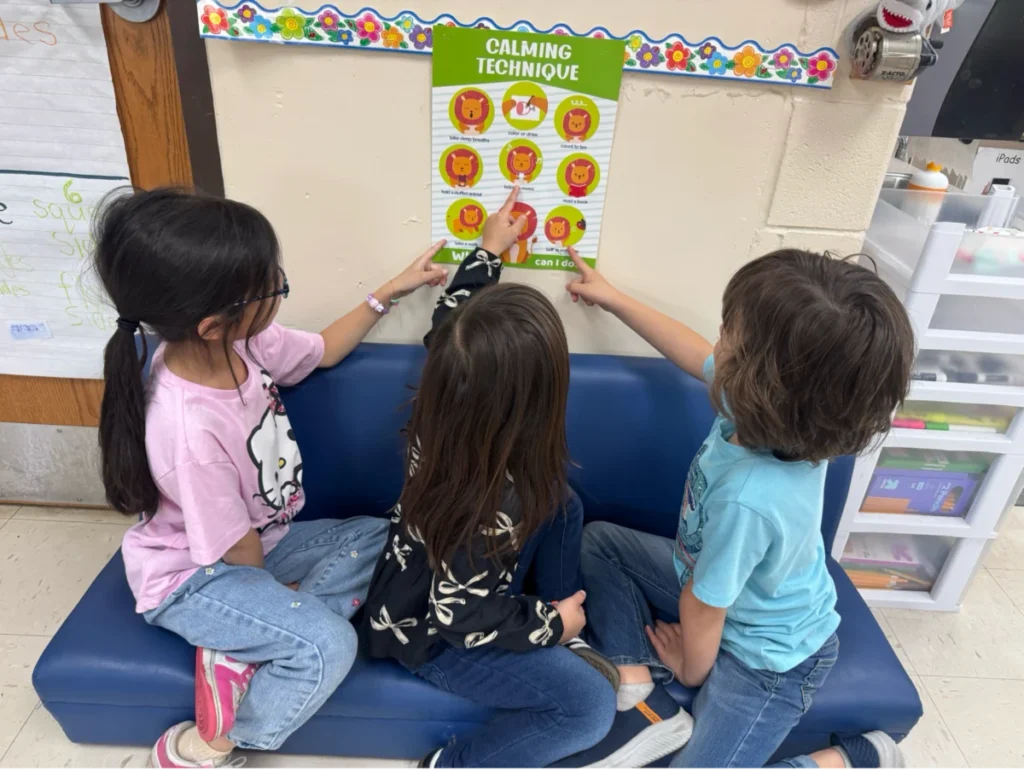
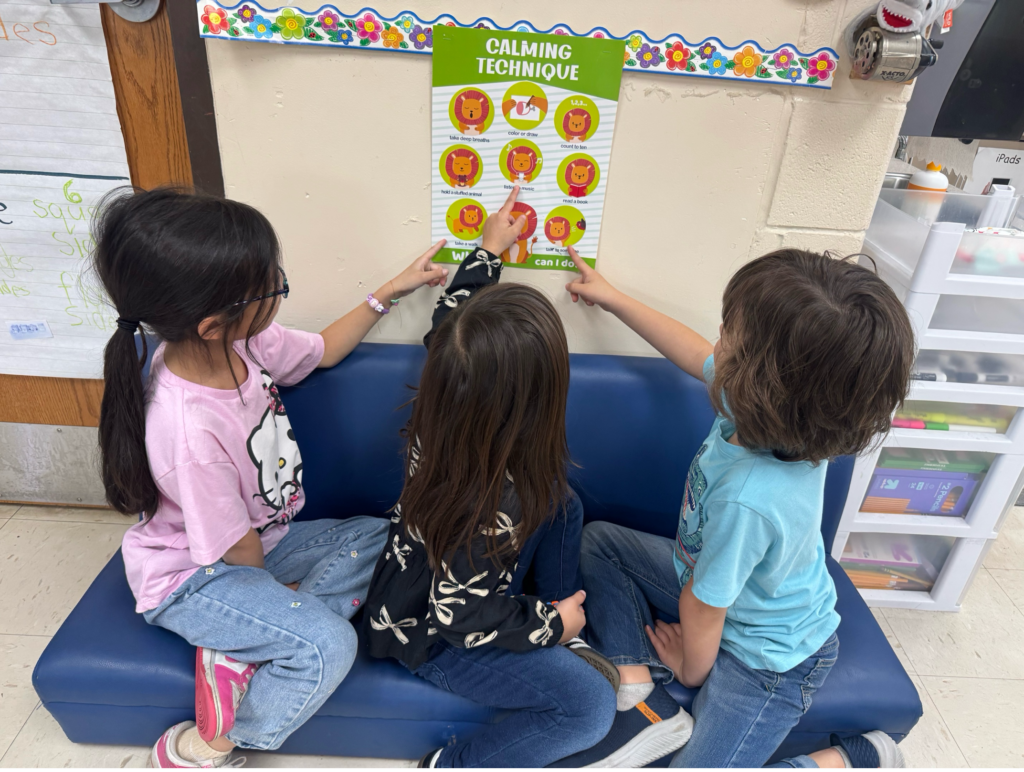
These designated physical spaces are proactive interventions designed to prevent emotional escalation. "Calming Corners" are quiet zones within classrooms or common areas, often equipped with sensory tools like fidget toys, weighted blankets, soft lighting, or visual aids for deep breathing. "Sensory Hallways" provide opportunities for movement and sensory input, helping students transition between activities or regulate their bodies.
These spaces draw on principles of sensory integration and emotional regulation. For many students, especially those with sensory sensitivities or who have experienced trauma, regulating their nervous system is challenging. Providing a safe, predictable space with specific tools allows them to self-soothe and regain control. This proactive approach reduces the need for reactive interventions, creating a more positive and productive learning environment for all. It communicates to students that their emotional needs are understood and valued, reinforcing the idea that school is a "second home" – a place of safety and comfort.
5. Counting on Crisis Teams: Preparedness for the Unforeseen
While the goal is to prevent crises, Sward Elementary’s trained crisis team acknowledges the reality that severe mental health emergencies can occur. This team, comprising key administrators, social workers, and trained paraprofessionals, ensures a swift, coordinated, and compassionate response. Their training likely includes de-escalation techniques, mental health first aid, suicide prevention protocols, and clear communication strategies for engaging with students, families, and external emergency services.
The very existence of such a team, and the regular drills associated with it, provides a layer of security for the entire school community. It signifies that the school is prepared for the most challenging situations, offering reassurance to parents, staff, and students. This proactive preparation is a critical component of a comprehensive mental health framework, ensuring that the school can respond effectively and minimize harm during high-stress events.
Leadership and Community: Official Responses and Principal Amra’s Vision
Principal Suzanne Amra’s unwavering dedication is the driving force behind Sward Elementary’s success in mental health integration. Her perspective shapes not only the policies but also the culture of the school, fostering an environment where well-being is paramount.
"My goal as principal is to have opportunities like hot passes that our students never need to use," Amra states, encapsulating the proactive essence of Sward’s approach. This sentiment highlights a philosophy focused on prevention and early intervention, aiming to equip students with such strong self-regulation skills that acute crises become less frequent. She views the school as more than an academic institution; it is a vital community hub. "Given how many hours students are with us, our schools are a second home for most young learners. We try to create an environment that feels safe to them." This empathetic understanding underpins every strategy, ensuring that Sward is a place where every child feels secure enough to explore, learn, and grow.
The implementation of these strategies has been a collaborative effort, requiring buy-in and active participation from the entire school community. Teachers, in particular, play a crucial role. One fifth-grade teacher, speaking anonymously to reflect collective sentiment, shared, "The morning circles have changed everything. I used to spend the first 15-20 minutes of the day managing small conflicts or getting kids settled. Now, we use that time to connect, build empathy, and check in. The kids are more focused afterward, and our classroom feels like a real team."
The school’s social workers also echo the principal’s sentiments regarding the holistic impact of their work. "We support students with IEPs and customized education plans, but we are on call throughout the day to help students who may be dysregulated or having a hard time," explains one of Sward’s social workers. "But it’s not just about the students. We also support our teachers and staff, which is a huge benefit. We offer strategies and skills teachers can pass on, and we model the approach with the very methods we use to support our teachers. It’s a powerful full-circle process that has shown me that when we take care of our teachers from the top down, our students have a better chance of being successful." This perspective highlights the critical understanding that staff well-being is inextricable from student well-being, creating a virtuous cycle of support.
Parental engagement is also a key component. Information about the SEL program, hot passes, and available social worker support is regularly communicated, fostering a partnership between home and school. This open dialogue ensures consistency in messaging and reinforces the importance of mental health practices beyond the school gates. The positive feedback from parents often centers on their children’s increased ability to articulate feelings and employ coping mechanisms learned at school.
A Blueprint for the Future: Implications for Educational Institutions
Sward Elementary’s comprehensive mental health framework offers a compelling blueprint for other educational institutions grappling with the growing mental health needs of their students. The implications of their success extend far beyond Oak Lawn, Illinois, providing valuable lessons for school districts nationwide.
1. Prioritize Proactive and Preventative Measures: Sward’s emphasis on daily SEL routines, calming spaces, and early intervention through hot passes demonstrates the efficacy of a proactive approach. Investing in these preventative measures can significantly reduce the incidence of acute crises, fostering a healthier school climate for all. This means shifting resources towards foundational programs rather than solely focusing on reactive interventions.
2. Invest in Specialized Professionals: The dedicated presence of school social workers is a non-negotiable asset. Their unique skill set in bridging academic, social, emotional, and familial domains is crucial. Other schools should advocate for increased funding and staffing for mental health professionals, recognizing them not as an ancillary service but as central to student success. The "full-circle" support they offer to teachers is also a critical element, acknowledging that burnout among educators directly impacts student experience.
3. Empower Student Agency: The "hot pass" system exemplifies empowering students to take ownership of their emotional well-being. Creating mechanisms that allow students to self-advocate for support, rather than waiting for adults to identify distress, fosters resilience and independence. This approach builds trust and reduces the stigma associated with seeking help.
4. Cultivate a Culture of Care: Beyond specific programs, Sward Elementary has cultivated an overarching culture where mental health is openly discussed, prioritized, and de-stigmatized. This involves visible leadership, consistent messaging, and professional development for all staff to ensure a trauma-informed and emotionally intelligent environment. When students perceive their school as a safe, caring, and understanding place, they are more likely to thrive.
5. Ensure Crisis Preparedness: While preventative measures are crucial, a robust crisis response plan is equally vital. Sward’s trained crisis team highlights the importance of being prepared for the most challenging scenarios. This involves regular training, clear protocols, and strong collaboration with external emergency services, ensuring that the school can respond effectively and compassionately when needed.
The ongoing challenge for educational leaders is to secure the necessary funding, resources, and community buy-in to implement similar comprehensive models. However, the long-term benefits—healthier students, more engaged learners, reduced behavioral issues, and a more positive school environment—far outweigh the initial investments. Sward Elementary serves as a powerful reminder that education is not merely about imparting knowledge but about nurturing the whole child, preparing them not just for tests, but for life.
Conclusion
Sward Elementary School, under the visionary leadership of Principal Suzanne Amra, exemplifies a profound commitment to integrated mental health support. By weaving social-emotional learning into daily routines, providing expert social worker intervention, empowering students through self-advocacy tools like hot passes, creating calming physical spaces, and maintaining robust crisis teams, the school has forged a comprehensive ecosystem of care. This multi-layered approach not only addresses immediate student needs but also instills invaluable life skills for self-awareness and self-regulation.
As Mental Health Awareness Month draws attention to these critical issues, Sward Elementary stands as a model, demonstrating that when schools prioritize the emotional well-being of their students, they are truly building foundations for academic success, personal resilience, and a healthier future generation. Their journey offers a beacon of hope and a practical blueprint for educational institutions across the nation, proving that a school can indeed be a second home where every child feels safe, supported, and empowered to be well and learn well.
About the Author
Suzanne Amra is the principal of Sward Elementary School in Oak Lawn, IL.