
Beyond the Curriculum: Why Belonging is the Bedrock of Academic Achievement
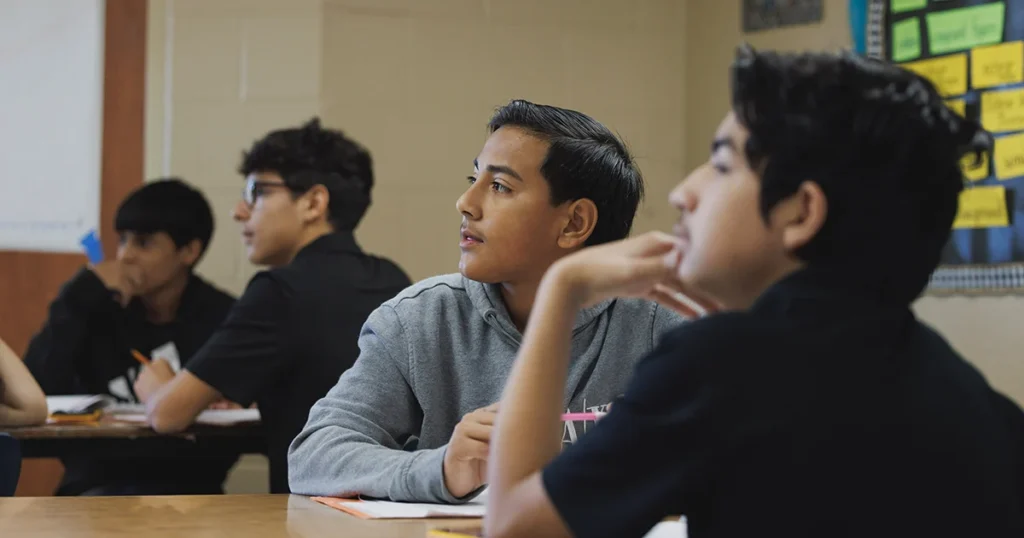
In the modern educational landscape, the push for excellence is often measured in metrics: standardized test scores, graduation rates, and the implementation of sophisticated, data-driven curricula. Walk into any high-performing district, and you will likely find meticulously designed pacing guides, intervention blocks, and weekly data-driven collaborative meetings. On paper, the architecture of success is flawless.
However, beneath the surface of these rigid frameworks lies a quieter, more urgent reality. A seasoned educator once recounted visiting a school that ticked every box for "academic rigor." Yet, during a classroom walkthrough, they encountered a student who was neither disruptive nor failing—he was simply fading away. He completed his work with robotic detachment, and the moment the bell rang, he retreated into himself. A staff member confessed, "Honestly, I’m not sure he believes anyone here would notice if he disappeared tomorrow."
This anecdote serves as a poignant reminder that schools do not struggle solely from a lack of programs; they often suffer from a profound lack of connection. While curriculum provides the roadmap for learning, it is the environment—the culture of safety, being seen, and being valued—that provides the fuel for that journey.
The 5Essentials Framework: A Research-Backed Paradigm Shift
To address the disconnect between administrative initiatives and the student experience, many districts are turning to the 5Essentials® Framework, an organizational research model developed by the University of Chicago. The framework posits that school improvement is not a linear march toward higher test scores, but rather the result of cultivating five specific organizational conditions:
- Effective Leaders who work with teachers to implement a clear vision.
- Collaborative Teachers who share a sense of responsibility for student success.
- Involved Families who partner with the school to support learning.
- Supportive Environments where students feel safe and respected.
- Ambitious Instruction that demands deep thinking and persistence.
Research indicates that schools strong in at least three of these five essentials are 10 times more likely to demonstrate sustained improvement in student outcomes compared to those that struggle with these cultural foundations.
A Crisis of Connection in the Post-Pandemic Era
The urgency of this framework has been amplified by the current state of American education. We are navigating a period defined by chronic absenteeism, rising mental health crises, and a persistent teacher burnout epidemic. Students are increasingly absent—not just physically, but emotionally.
When a student sits in a classroom but remains mentally disengaged, the school is failing to answer the most fundamental, human question: Do I matter here?
While all five essentials are critical, the "Supportive Environment" acts as the bedrock. Without it, the other four elements struggle to take root. A supportive environment is defined by three core pillars:
- Safety: The physical and emotional space is free from fear.
- Dignity: Every student is treated with unwavering respect, regardless of their academic performance or background.
- Belonging: The school culture actively works to ensure that every individual is recognized as an integral part of the community.
Equity and the Cost of Disconnection
The push for supportive environments is not merely a "soft" initiative; it is a fundamental equity issue. Disconnection is not experienced equally across the student population. Historically marginalized groups—including students of color, those from low-income backgrounds, and students with disabilities—frequently report higher levels of alienation from school systems.
When schools focus exclusively on curriculum access without examining the relational culture, they ignore the invisible barriers that prevent marginalized students from fully participating. Equity requires that schools intentionally dismantle the "invisibility" that often plagues the most vulnerable students. If we want all students to achieve, we must ensure they all experience the same standard of dignity and authentic connection.
Tip #1: Engineering Intentional Relationship Systems
In too many schools, student-teacher connection is left to "the luck of the draw." A student happens to get a teacher they click with, or they happen to find a coach who believes in them. Relying on chance is a strategy that guarantees some students will fall through the cracks.
To build intentional relationship systems, schools should implement:
- Check-in/Check-out (CICO) systems: Pairing at-risk students with a mentor for daily, brief, positive interactions.
- The "Two-by-Ten" strategy: Spending two minutes a day for ten days straight talking to a student about anything other than academics.
- Advisory programs: Creating smaller cohorts within the larger student body to ensure that every student has at least one adult who monitors their holistic well-being.
The goal is not simply to be "friendly." The goal is purposeful connection. When students believe that adults care about them as people first, their resistance to academic challenges diminishes, and their willingness to engage in the learning process grows.
Reflection Question for Leadership: Which students in our building are currently invisible, and what specific system exists to ensure they are reached?
Tip #2: Cultivating Predictable and Consistent Adult Responses
Emotional safety is a byproduct of consistency. When students are forced to navigate the unpredictable moods or disciplinary styles of different adults, they expend valuable cognitive energy on "threat detection" rather than learning.
Consistency does not imply perfection. It means that students should know what to expect from an adult, even when things go wrong. Supportive schools prioritize:
- Restorative justice practices: Focusing on repairing harm rather than punitive exclusion.
- Clear, shared behavioral expectations: Ensuring that every teacher in the building approaches discipline with the same core values.
- Calm-down protocols: Modeling emotional regulation for students during high-stress moments.
When accountability is delivered with dignity, it builds trust. When it is delivered through fear, it builds resentment. Research from the Learning Policy Institute confirms that inconsistent disciplinary practices are a primary driver of disengagement, particularly for marginalized students who are disproportionately subjected to exclusionary discipline.
Reflection Question for Staff: Are our adult responses creating a climate of emotional safety, or one of emotional uncertainty?
Tip #3: The Priority of Belonging Over Compliance
Many schools fall into the trap of "conditional belonging"—a culture that says, "Fit in first, follow the rules, and then you can belong." This is a backwards approach. True engagement happens when students feel that they belong before they are asked to comply.
Belonging is the bridge between culture and achievement. It is fostered when:
- Student voice is authentic: Students are involved in decision-making processes regarding their classroom and school environment.
- Representational curriculum: Students see their identities, histories, and perspectives reflected in the materials they study.
- Inclusive celebration: The school honors a wide range of successes, not just those that fit a narrow academic mold.
When a student feels they belong, they are more likely to take risks, ask questions, and persist through failure. They are no longer performing to avoid punishment; they are contributing because they are part of a community that values their presence.
Reflection Question for Teachers: Do our students feel they must suppress their authentic selves to "fit in," or is our classroom a space where their unique identities are the foundation of our collective belonging?
Implications for the Future of School Improvement
As we look toward the future of education, it is clear that we cannot "purchase" our way to better student outcomes through software or new textbooks alone. Belonging is a human interaction that must be built day-by-day.
The implications for school leadership are profound:
- Shift Budgetary Priorities: Invest in training for social-emotional learning and relational development as heavily as you invest in instructional materials.
- Redefine Success: Expand the definition of "high-performing" to include measures of student belonging and emotional safety.
- Audit the Experience: Regularly collect data not just on what students know, but on how they feel about their place in the school community.
The future of school improvement will not be found in a program or a policy. It will be found in the trust built in the hallways, the empathy shown during a disciplinary conversation, and the intentionality of a teacher who notices when a student is struggling to feel seen. Before we can ask a student to reach for academic heights, we must first assure them that they are standing on solid ground. Because, ultimately, before students can achieve, they must belong.