Beyond Alphabetical Order: How Intentional Student Grouping is Transforming Modern Classrooms
WASHINGTON — Gone are the days when a classroom’s spatial arrangement was dictated entirely by the school roll book. For decades, generations of students sat in tidy, monotonous rows because sorting by last name—pairing the "Bs" with the "Ds"—was clean, predictable, and administratively convenient. Today, however, educational researchers and classroom practitioners are challenging those legacy layouts.
As modern pedagogy pivots toward dynamic learning environments, educators are discovering that how students are grouped matters just as much as what they are taught. Moving far beyond random selection or rigid alphabetical sorting, a growing movement emphasizes intentional, data-driven student grouping as a core catalyst for academic growth.
Main Facts: The Shift to Dynamic Classrooms
At the heart of this pedagogical evolution is a re-evaluation of classroom management and instructional design. Modern educators no longer view the classroom as a static lecture hall, but rather as a flexible ecosystem where learning configurations shift fluidly to meet specific academic objectives.
This philosophy anchors one of the ten key strategies identified in the "High Growth for All" initiative, an ongoing research project exploring high-impact instructional practices. Known collectively as the "Transformative Ten," these strategies aim to help educators maximize instructional time, deliver rigorous grade-level content, and differentiate instruction effectively.
Among these ten principles, cooperative learning—the deliberate mixing of whole-group, small-group, paired, and individual activities—has emerged as a vital framework. Rather than relying on gut feeling or convenience, contemporary teachers are utilizing comprehensive data sets, formative assessments, and behavioral observations to curate learning groups that maximize student engagement and cognitive growth.
Chronology: From Static Rows to Intentional Collaboration
To understand the modern approach to classroom grouping, it is helpful to examine how instructional design has evolved over the last half-century.
The Era of Conformity (Late 20th Century)
During the 1980s and 1990s, traditional classrooms predominantly featured rows of desks facing a chalkboard. Group work was often treated as an occasional reward or a peripheral activity reserved for end-of-term projects. When grouping did occur, it was largely accidental—dictated by seating charts, proximity, or alphabetical order. While orderly, these environments frequently limited collaborative learning and restricted student discourse.
The "Razzle-Dazzle" Movement (Early 2000s)
As educational philosophy began to embrace constructivism, a counter-movement emerged. Classrooms rapidly swung toward constant group work and high-energy activity, often equating volume and perpetual motion with successful teaching. Unfortunately, many of these spaces lacked clear instructional frameworks. Without systems to evaluate learning goals, the resulting "chaos" often hindered academic progress rather than helping students meet their objectives.
The Modern Era of Intentionality (Present Day)
Today, educational experts advocate for a balanced, data-informed middle ground. The contemporary dynamic classroom recognizes that neither rigid rows nor unstructured chaos serves all learners. By systematically combining whole-class community building, targeted small-group discussions, supportive peer pairings, and quiet individual reflection, modern teachers are successfully harnessing the best of both worlds.
Supporting Data: The Pillars of Effective Grouping
Transitioning from a traditional classroom to a dynamic, cooperative learning environment requires more than simply rearranging desks. According to instructional frameworks developed through initiatives like the High Growth for All project, successful grouping relies on four core implementation steps backed by empirical data and formative assessments.
Step 1: Establish Clear Pedagogical Goals
Before placing students into groups, educators must define their underlying intentions. Are they seeking to prompt rigorous academic discourse, or do they want to give students a platform to demonstrate specific competencies?
Without clear learning expectations, cooperative activities can easily devolve into unstructured downtime. Teachers must analyze their curriculum’s scope and sequence to determine when collaborative learning is appropriate. For example, introducing a brand-new, highly complex mathematical concept via open-ended small groups may yield mixed results, whereas utilizing whole-group instruction to establish baseline knowledge first provides a much firmer foundation.
Step 2: Leverage Multi-Dimensional Data
Gone are the days when grouping was rigidly divided into binary categories of "homogeneous" (ability-based) or "heterogeneous" (mixed-ability). Modern instructional design encourages a flexible, data-driven approach that draws from a wide array of student metrics.
When making grouping decisions, effective educators triangulate multiple data streams:
- Formative Assessments: Daily entrance slips, exit tickets, and check-ins that gauge immediate comprehension.
- Interim Assessments: Standardized diagnostic tools (such as MAP® Growth™ reports) that offer precise RIT scores, achievement bands, and alignment with state standards.
- Qualitative Observations: Teacher notes on student friendships, social dynamics, communication styles, and one-on-one conference insights.
By viewing student profiles holistically, teachers can curate groups that intentionally foster peer support, challenge advanced learners, and provide scaffolds for struggling students.
Step 3: Master the Four Core Configurations
Cooperative learning is not a one-size-fits-all model; it requires a deliberate blend of four distinct spatial and instructional configurations:
- Whole-Group Instruction: The bedrock of classroom community. Ideal for introducing new topics, creating a shared vision, and modeling metacognitive strategies. Whole-group instruction ensures all students feel like valued members of the "class family" while allowing teachers to explicitly demonstrate academic thought processes.
- Small Groups (3–6 Students): Naturally primed for robust discussion and peer collaboration. In elementary settings, dynamic small groups can signal transitions between subjects. In secondary education, small groups allow for differentiated tasks that accommodate various learning trajectories.
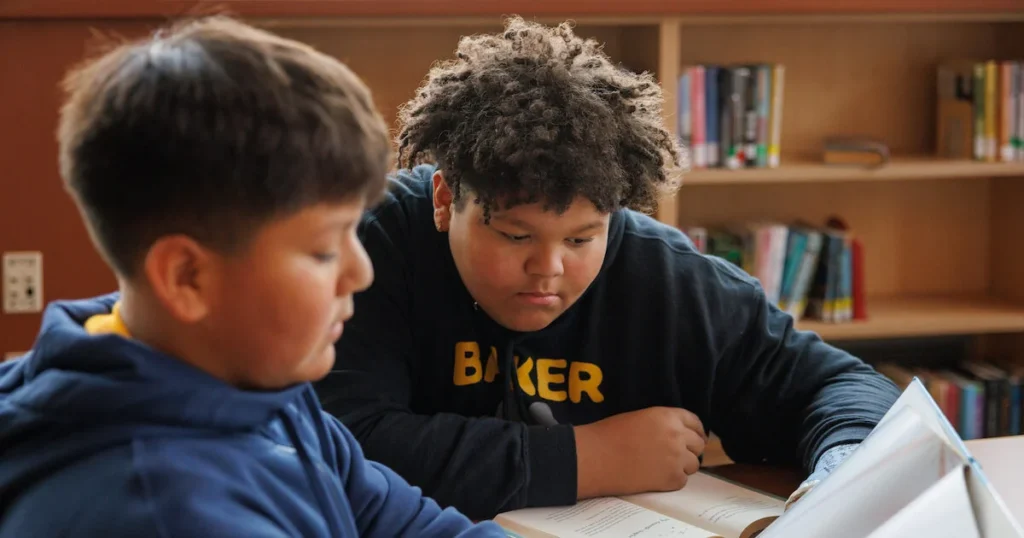
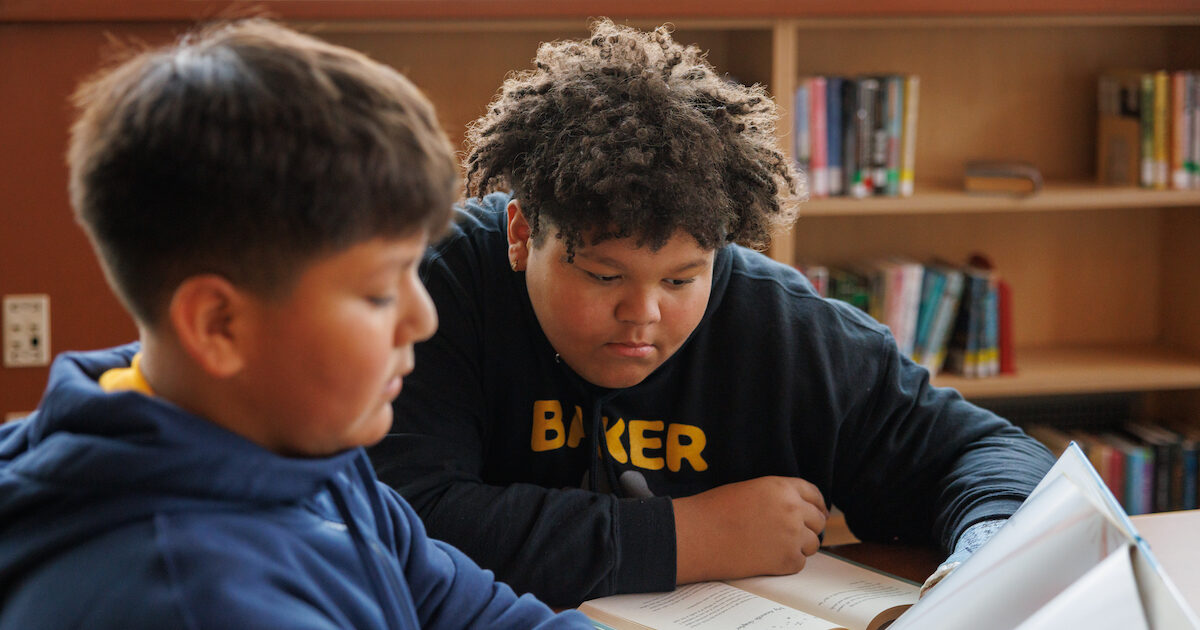
- Peer Pairs: Offering a concentrated collaborative experience, pairing allows students to share the ownership of a project or discussion equally. Pairing emerging learners with empathetic, highly proficient peers builds confidence and reduces the intimidation often felt in larger groups.
- Individual Reflection: Quiet, independent work is essential for cognitive consolidation. Just as ELA classes utilize independent reading time, subjects like mathematics benefit from dedicated meditative moments where students can work at their own pace without the pressure of external voices.
Step 4: Redefine the Teacher’s Role
In a dynamic classroom, the educator’s physical positioning and instructional persona must adapt continuously. Rather than remaining anchored at the front of the room, teachers act as facilitators, coaches, and thought partners.
During small-group work, an educator might embed themselves directly within a student cluster to observe group dynamics and gather formative feedback. During paired work, teachers can circulate with greater agility, offering targeted micro-interventions. When students transition to independent work, educators are freed up to host focused, one-on-one student conferences tailored to individual learning plans.
Official Responses and Expert Perspectives
Educational theorists and classroom researchers emphasize that re-conceptualizing classroom management is essential for closing achievement gaps and driving student growth.
Jonathan Ryan Davis, a professor at The College of New Jersey, has extensively documented the necessity of modernizing classroom organization, framing it as a vital shift toward empowering active learners rather than passive recipients of information. Similarly, researchers associated with the High Growth for All initiative note that making instructional strategies explicit helps teachers translate abstract educational theory into concrete daily practice.
"When student groupings lack clear expectations and outcomes, chaos is inevitable," notes instructional design literature from the project. "However, the key to a successful dynamic classroom is not the absence of movement, but the presence of intentionality."
Implications for the Future of Education
The ongoing transition away from static seating arrangements toward deliberate, data-driven cooperative learning carries profound implications for schools, teacher preparation programs, and student achievement models.
1. Professional Development and Teacher Training
As schools adopt more dynamic pedagogical frameworks, teacher preparation programs must place greater emphasis on data literacy and flexible classroom management. Educators need training not only in curriculum delivery, but also in how to interpret complex interim assessment data to inform spatial and social grouping in real time.
2. Social-Emotional Learning (SEL) Integration
Intentional grouping does more than drive academic mastery; it directly impacts classroom culture and social-emotional development. By thoughtfully pairing students across diverse achievement bands and social circles, educators foster empathy, collaborative problem-solving, and communication skills that extend far beyond the K-12 classroom.
3. Re-evaluating Classroom Architecture
The shift toward flexible instructional strategies is also influencing physical school design. Modern classrooms increasingly feature modular furniture, mobile whiteboards, and adaptable seating arrangements designed to support rapid transitions between whole-group lectures, small collaborative hubs, and quiet independent study zones.
Ultimately, while the nostalgic image of neat, alphabetical rows may evoke simpler times in educational history, modern classrooms demand a more nuanced approach. By replacing chance with careful, data-backed planning, educators can unlock the full potential of cooperative learning—proving once and for all that intentionality is the true antidote to classroom chaos.