Optimizing the Classroom: How the Science of Learning is Transforming Modern Pedagogy and Professional Development
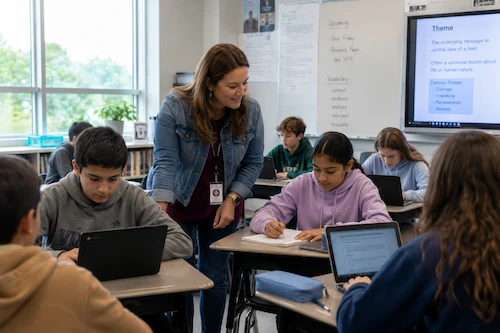
Every summer, a familiar ritual plays out across school districts worldwide. Educators, instructional coaches, and administrators step back from the daily pressures of the classroom to engage in a period of deep reflection. They grapple with persistent, systemic questions: Why did certain reading interventions fall short? How can we support students who are performing years below grade level while still challenging high achievers? How do we prevent teacher burnout while maintaining high academic standards?
For years, the field of education has struggled with a disconnect between laboratory-proven cognitive science and real-world classroom application. However, a growing movement seeks to bridge this chasm. Prominent among the resources driving this shift is Harnessing the Science of Learning by Dr. Nathaniel Swain, a senior lecturer in Learning Sciences at La Trobe University’s School of Education in Australia.
Drawing on the insights of veteran educator Miriam Williams, M.Ed., a Professional Development Manager at 3P Learning with over two decades of experience leading low-performing Title I schools, this article explores how evidence-based cognitive strategies are reshaping instructional design, professional development, and the selection of educational technology.
1. Main Facts: Bridging Cognitive Science and Classroom Instruction
At its core, the "Science of Learning" is an interdisciplinary field that combines cognitive psychology, neuroscience, and educational research to understand how the human brain acquires, processes, and retains information. While theoretical frameworks have existed for decades, translating this research into actionable classroom strategies has proven difficult for busy educators.
Dr. Nathaniel Swain’s Harnessing the Science of Learning addresses this gap by translating complex scientific concepts into practical classroom methodologies. Unlike other seminal texts in the field, such as Make It Stick: The Science of Successful Learning—which primarily addresses self-directed adult learners and college students—Swain’s work is written specifically for K–12 educators and school leaders.
The book synthesizes several foundational pillars of cognitive science into a cohesive pedagogical framework:
- Explicit Instruction: Systematic, direct teaching that leaves nothing to chance, ensuring clear explanations and modeling before students are asked to perform tasks independently.
- Cognitive Load Theory: Understanding the limitations of human working memory and designing instruction to prevent cognitive overload.
- Retrieval Practice and Spaced Repetition: Strengthening neural pathways by prompting students to recall information from memory at increasing intervals.
- Knowledge-Rich Curriculum Design: Recognizing that reading comprehension and critical thinking are deeply dependent on a student’s background knowledge.
- Whole-Class Responsive Teaching: Utilizing ongoing, low-stakes formative assessment to adjust instruction in real-time for all students.
2. Chronology: The Evolution of Pedagogical Paradigms
To understand the significance of the Science of Learning movement, it is necessary to examine the historical shifts in educational theory over the last several decades.
[1960s-1980s] Rise of Constructivism & Discovery-Based Learning
       │
[1988] John Sweller Formulates Cognitive Load Theory (CLT)
       │
[2000s] Neuroimaging & Cognitive Psychology Validate Explicit Instruction
       │
[2010s] The "Science of Reading" and "Science of Learning" Gain Mainstream Momentum
       │
[Present] Focus Shifts to Systematic K-12 Implementation & Evidence-Based EdTech
The Era of Discovery-Based Learning (1960s–1980s)
For much of the late 20th century, progressive educational philosophies dominated teacher preparation programs. Influenced by constructivist theories, the prevailing belief was that students learn best by "discovering" knowledge themselves. Direct instruction was often criticized as passive, and classrooms shifted toward inquiry-based, student-led models.
The Formulation of Cognitive Load Theory (1988)
In 1988, Australian educational psychologist John Sweller published his seminal work on Cognitive Load Theory. Sweller argued that because human working memory is extremely limited, instructional designs must be structured to avoid overloading it. This research challenged the efficacy of unguided discovery learning, proving that novices require highly structured guidance to learn effectively.
The Scientific Consensus and the "Science of Reading" (2000s–2010s)
With advancements in cognitive psychology and neuroimaging, researchers began to build an irrefutable body of evidence demonstrating that explicit, systematic instruction is superior for the vast majority of learners, particularly those struggling or from disadvantaged backgrounds. This gave rise to the "Science of Reading" movement, which successfully challenged balanced literacy models in favor of systematic phonics and knowledge-rich curricula.
The Modern Science of Learning Movement (Present)
Today, the focus has expanded beyond reading to encompass all subject areas. Educators and policymakers increasingly demand that instructional tools, curricula, and professional development programs align with cognitive science. Books like Swain’s represent the latest stage in this chronology: translating decades of empirical research into highly practical, daily classroom habits.
3. Supporting Data: The Mechanics of Human Memory
The necessity of explicit instruction and structured environments becomes clear when examining the quantitative limitations of human cognitive architecture.
                  HUMAN MEMORY ARCHITECTURE

   ┌─────────────────────────────────────────────────────────┐
   │                    EXTRANEOUS STIMULI                   │
   │            (Visual Clutter, Ambient Noise)              │
   └────────────────────────────┬────────────────────────────┘
                                │ (Filters out)
                                ▼
   ┌─────────────────────────────────────────────────────────┐
   │                     WORKING MEMORY                      │
   │  Capacity: ~4 to 7 Information Units                    │
   │  Duration: 10 to 30 Seconds without Rehearsal           │
   └────────────────────────────┬────────────────────────────┘
                                │ (Encoding / Retrieval)
                                ▼
   ┌─────────────────────────────────────────────────────────┐
   │                    LONG-TERM MEMORY                     │
   │  Capacity: Virtually Unlimited                          │
   │  Structure: Complex Schemas (Interconnected Knowledge)  │
   └─────────────────────────────────────────────────────────┘
Working Memory vs. Long-Term Memory
Working memory is the mental workspace we use to temporarily store and manipulate information. According to cognitive psychologist Nelson Cowan, the capacity of working memory for the average adult is limited to approximately four to seven items (or "chunks") of information, and it can retain this data for only 10 to 30 seconds without active rehearsal. For young children and students with learning differences (such as ADHD or dyslexia), this capacity is even smaller.
In contrast, long-term memory has a virtually unlimited capacity. True learning occurs when information is successfully encoded from the fragile working memory into the schema networks of long-term memory.
The Cost of Extraneous Cognitive Load
Cognitive Load Theory categorizes mental effort into three types:
- Intrinsic Load: The inherent difficulty of the material being learned (e.g., learning basic addition vs. calculus).
- Extraneous Load: Mental effort wasted on poorly designed instructions, visual clutter, or unnecessary classroom distractions.
- Germane Load: The productive mental work used to construct schemas and process new information.
When classrooms or educational software are filled with "bells and whistles"—such as flashy animations, complex navigation, or highly decorated classroom walls—extraneous load increases.
Research indicates that reducing extraneous load directly improves learning outcomes. For instance, studies on the Split-Attention Effect show that when students must split their attention between multiple sources of information (e.g., a diagram and a separate text explanation), their working memory becomes overloaded, and learning rates drop significantly compared to when integrated, streamlined materials are used.
4. Official Responses and Perspectives: Voices from the Field
To understand how these cognitive principles work in practice, we look to the insights of school leaders and professional development experts.
The Administrator’s Perspective: Miriam Williams, M.Ed.
Miriam Williams, whose 23-year career includes serving as a middle school teacher, principal of Title I elementary and secondary schools, and district manager for 47 public charter schools, emphasizes that the Science of Learning is a powerful tool for equity.
"I have spent much of my professional life thinking about how to support teachers, not just in understanding new tools, but in building the kind of instructional confidence that lets them adapt, solve problems, and grow," Williams notes.
She argues that school leaders often ask the wrong questions during professional development (PD). Instead of asking teachers to digest massive amounts of theory during passive workshops, administrators must model the very instructional practices they expect teachers to use with students.
The "I Do, We Do, You Do" Framework for Teacher Training
One of the most effective ways to operationalize cognitive science is through the Gradual Release of Responsibility (GRR) model, colloquially known as "I do, we do, you do."
┌─────────────────────────────────────────────────────────────────┐
│                           "I DO"                                │
│ Teacher models the skill explicitly, explaining their thinking.  │
└────────────────────────────────┬────────────────────────────────┘
                                 │
                                 ▼
┌─────────────────────────────────────────────────────────────────┐
│                           "WE DO"                               │
│ Teacher and students practice together; immediate feedback.     │
└────────────────────────────────┬────────────────────────────────┘
                                 │
                                 ▼
┌─────────────────────────────────────────────────────────────────┐
│                           "YOU DO"                              │
│ Students practice independently to build automaticity.          │
└─────────────────────────────────────────────────────────────────┘
Williams points out that while educators are constantly told to use this framework with students, school districts rarely apply it to their teachers:
"If we’re honest, professional learning almost never follows the same ‘I do, we do, you do’ logic that we ask teachers to use with students. Instead, we tend to deliver professional development through information transfer and then send teachers back to their classrooms to figure out implementation alone."
To remedy this, Williams advocates for professional development that incorporates:
- Modeling ("I Do"): Facilitators demonstrate a specific pedagogical technique with real-world examples.
- Guided Practice ("We Do"): Teachers practice the technique with peer feedback and coaching support.
- Independent Application ("You Do"): Teachers apply the strategy in their classrooms, supported by ongoing coaching rather than isolated, one-off seminars.
5. Implications: Redefining Educational Technology and Classroom Design
The widespread adoption of the Science of Learning has profound implications for how schools evaluate technology, design physical spaces, and structure daily lessons.
Evaluating Educational Technology (EdTech)
In the modern classroom, technology is ubiquitous. However, not all EdTech is created equal. Dr. Swain suggests that educators and administrators evaluate digital tools by asking three critical questions:
| Evaluation Question | Key Indicator | Science of Learning Principle |
|---|---|---|
| 1. Does it reduce cognitive load or add to it? | Minimalist design, clear layout, and absence of distracting animations or sound effects. | Cognitive Load Theory (Extraneous Load Reduction) |
| 2. Does it support explicit instruction or substitute passive exposure? | Structured sequences that offer direct explanations and scaffolded practice. | Systematic, Explicit Instruction |
| 3. Does it extend or merely duplicate what a teacher can do? | Adapts to student responses, provides immediate feedback, and generates actionable diagnostic data. | Whole-Class Responsive Teaching |
Digital tools should not be used as digital babysitters or sources of passive screen time. Instead, they must serve as highly structured extensions of the teacher’s explicit instruction, offering scaffolded practice that aligns with how the human brain processes information.
Streamlining the Physical and Digital Environment
The Science of Learning suggests that less is often more. To minimize extraneous cognitive load, schools are beginning to rethink classroom aesthetics:
- Decluttering Walls: Replacing overly busy, bright posters with simple, content-rich anchor charts that actively support current learning objectives.
- Structured Routines: Establishing clear classroom procedures to reduce the cognitive energy students expend on figuring out how to do a task, allowing them to focus entirely on what they are learning.
- Distraction-Free Software: Prioritizing learning management systems and digital curricula that feature clean interfaces, allowing students to focus on academic content rather than navigation.
Empowering Teachers and Reducing Burnout
When schools adopt evidence-based practices, the impact on teacher retention and morale is significant. Rather than constantly inventing lessons from scratch or chasing educational fads, teachers are equipped with predictable, highly effective frameworks.
By utilizing structured curriculums, clear modeling, and systematic practice, educators can see measurable student progress. This growth builds instructional confidence and professional self-efficacy, transforming teaching from an overwhelming, unpredictable challenge into a structured, rewarding profession.