Building a Culture of Belonging: How High School Teacher Marcus Luther’s "Octopus" Peer Affirmation System Transforms Classrooms
By Educational Journal Staff
Published: Fall Term Insights
In an era where educators increasingly grapple with student disengagement, social anxiety, and the lingering social deficits of the digital age, classroom culture has become a battleground for student mental health. While traditional disciplinary methods and reward structures often focus on compliance, academic performance, or competitive achievement, a growing contingency of educators is exploring a radically different paradigm: systematic peer affirmation.
At the center of this movement is high school teacher Marcus Luther, whose innovative classroom tradition—affectionately known by his students as “the octopus”—has captured the attention of educators nationwide. Luther’s framework goes beyond casual praise; it provides a structured, equitable, and data-backed mechanism for high school students to formally recognize, celebrate, and document the positive character traits of their peers.

Main Facts: The Anatomy of "The Octopus"
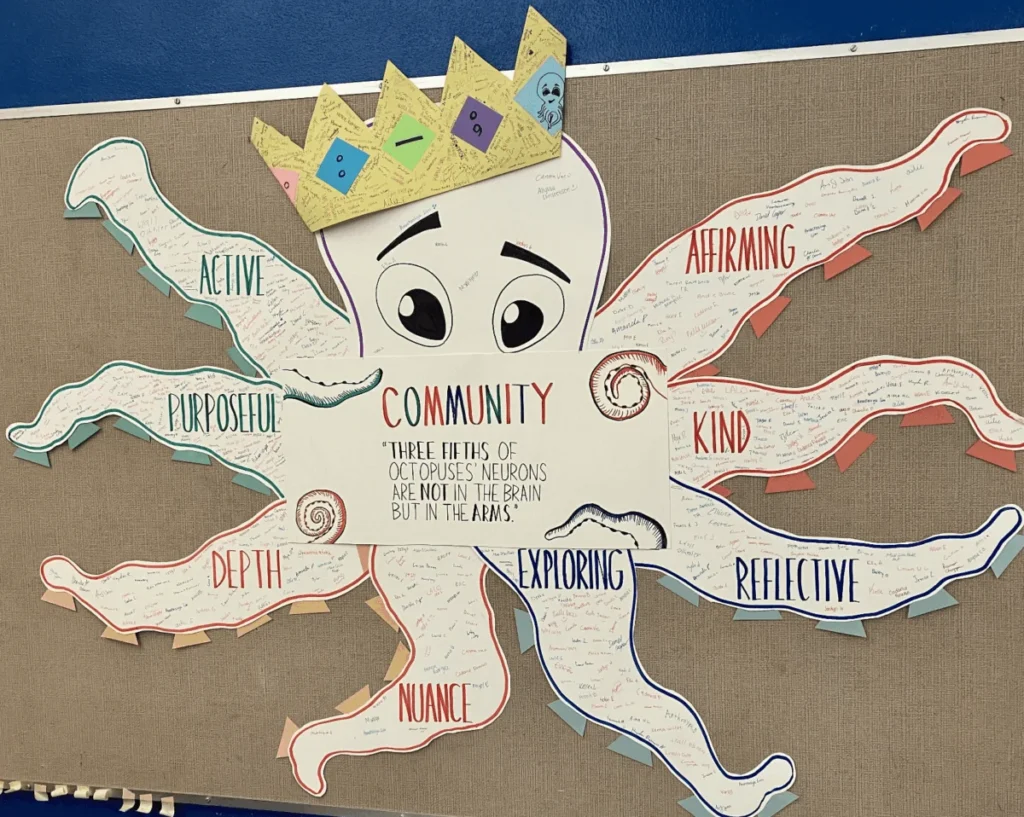
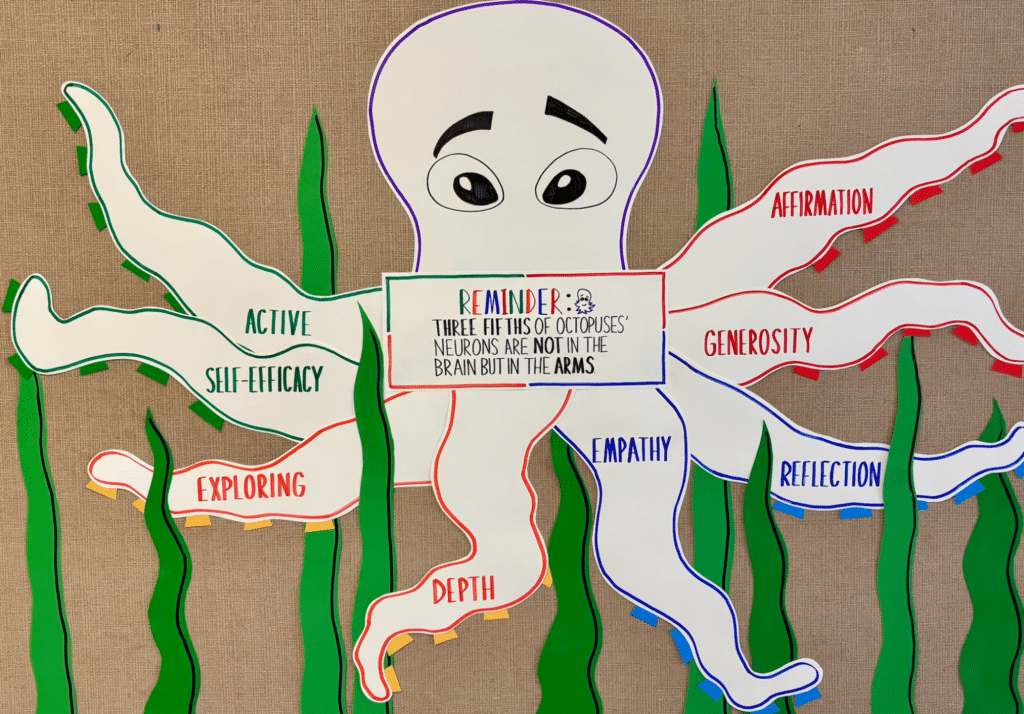
The core of Luther’s methodology is deceptively simple, yet its execution is rigorous. At the beginning of each academic year, a large portion of Luther’s classroom wall is dedicated to a sprawling, visually striking display: a set of posters shaped like an octopus.
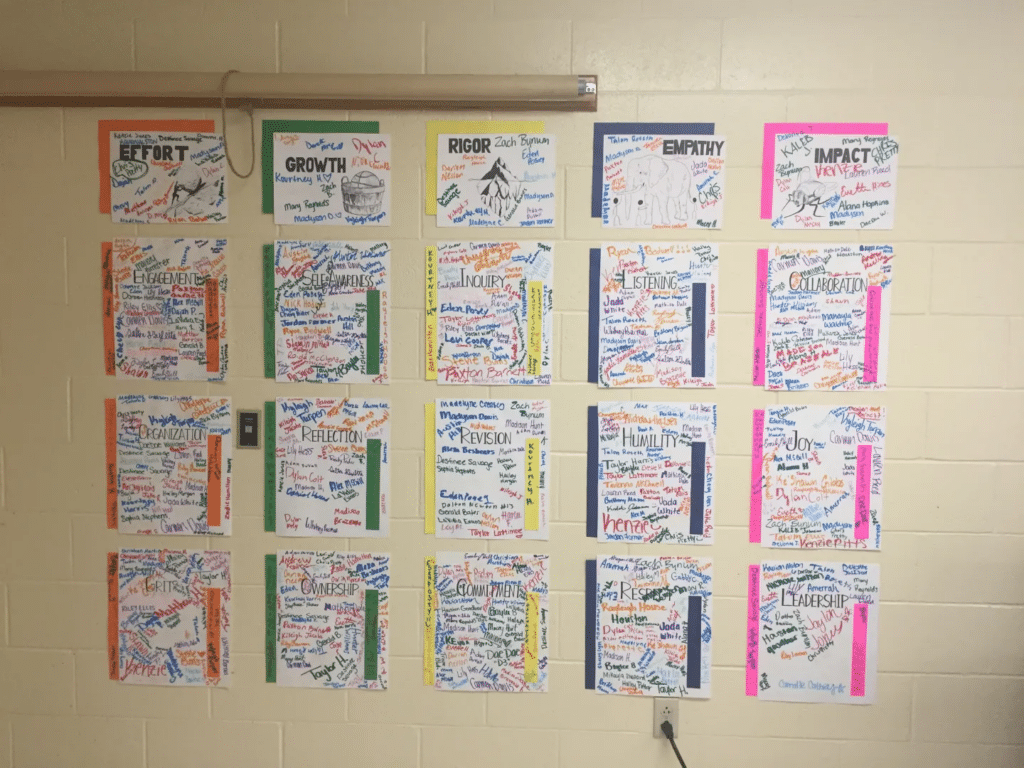
Initially, the octopus is completely blank. As the school year progresses, its eight distinct appendages fill up with the handwritten signatures of students. However, these signatures are not self-awarded or arbitrarily placed. Each signature represents a formal, anonymous nomination submitted by a classmate who has witnessed that student actively embodying one of the classroom’s core values.
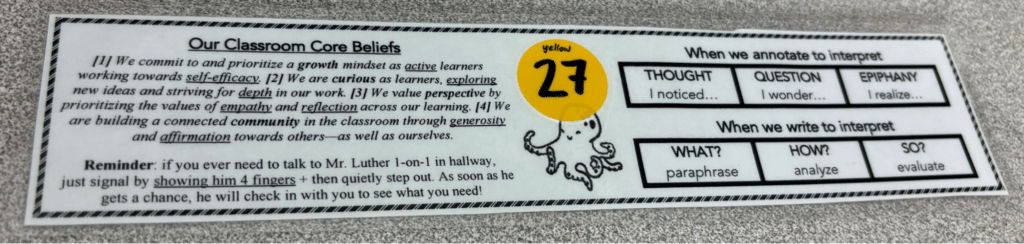
- The Core Values: Ranging from intellectual traits like depth and active inquiry to interpersonal strengths like self-efficacy and empathy, these values are reinforced daily. They are not just on the wall; they are printed directly onto vinyl decals affixed to each student’s desk.
- The Nomination Process: Utilizing digital tools such as Google Forms, students submit anonymous weekly nominations detailing specific instances where a peer demonstrated a core value.
- The Reveal and Ritual: Luther compiles these submissions into a tracking spreadsheet. At the end of each week, the classroom pauses for a dedicated ritual where Luther reads the anonymous nomination aloud, invites a round of applause, and calls the recognized student up to "sign the wall" using a designated, period-specific colored pen.
This systemic approach bridges the gap between abstract character education and tangible community-building, proving that high school students—often stereotyped as cynical or apathetic—will enthusiastically embrace peer recognition when given the proper framework.
Chronology: The Evolution of a Classroom Tradition
The genesis of Luther’s peer affirmation system did not happen overnight. It is the product of over a decade of trial, error, and pedagogical evolution in high school classrooms.
Phase 1: The Inspiration (Early Career)
Luther’s journey began when he visited his wife’s fifth-grade classroom. Observing her intentionality in posting core values and encouraging young students to write brief, positive notes to one another planted a seed. Luther realized that while older students desperately need affirmation, high school structures rarely provide formal, low-stakes avenues for it.
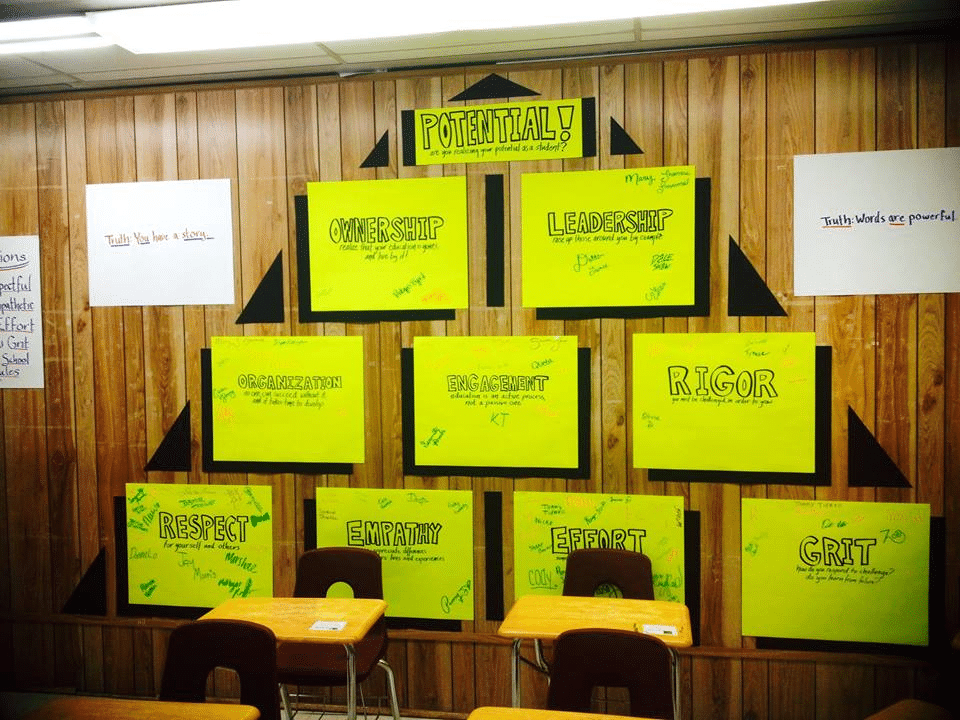
Phase 2: The Pyramid of Success
Drawing inspiration from legendary basketball coach John Wooden’s "Pyramid of Success"—a framework Luther had long admired—he introduced his first iteration of the wall in his early high school classrooms. Structured as a pyramid, students signed their names when nominated by peers. While effective, Luther found the geometry and categorization limited.
Phase 3: Iterative Redesigns
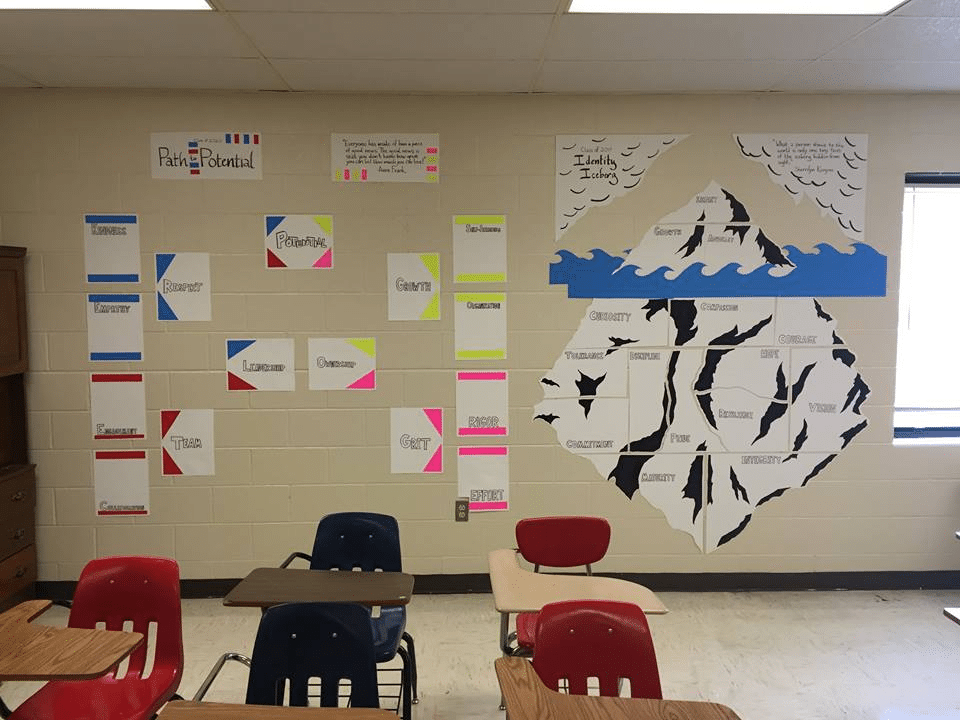
Over the next several years, Luther experimented with different layouts, visual shapes, and organizational strategies. He transitioned away from disorganized paper scraps toward centralized digital tracking sheets. This shift not only streamlined his workflow but also transformed raw qualitative data into a lens through which he could observe classroom dynamics.
Phase 4: The Birth of the Octopus
Eventually, the design evolved into the octopus motif currently used in his classroom. With eight distinct tentacles, the octopus offered a mathematically sound balance: enough categories to capture a wide array of positive behaviors, but few enough to maintain clarity for 150 to 180 students across multiple class periods. Today, the system is deeply woven into the fabric of Luther’s school year, culminating in emotional end-of-year ceremonies where even graduating seniors anxiously await their final opportunities to sign the wall.
Supporting Data and Operational Mechanics
Transitioning a peer affirmation system from a theoretical concept to a daily operational reality requires careful planning. Luther’s implementation relies on a three-fold system designed to minimize teacher burnout while maximizing student impact.
1. Front-End Preparation
Rather than attempting to co-create values with 150+ students amidst the chaos of the first week of school—a near-impossible task for high school teachers managing multiple sections—Luther utilizes a continuous feedback loop. At the very end of each school year, he surveys his departing students to evaluate which values mattered most and what changes should be made for the incoming cohort. This allows him to "pay forward" student-vetted values into the next year’s octopus layout.
2. Scaffolding the Nomination Process
To combat the intimidation factor of asking teenagers to thoughtfully evaluate one another, Luther waits two to three weeks into the term before opening nominations. This establishes baseline trust and community safety through other introductory activities. He introduces the system by showing exemplar nominations from previous years and occasionally models the process by nominating students himself. Nominations are kept strictly anonymous via Google Forms, which encourages honest, vulnerability-driven feedback without the fear of social awkwardness.
3. Data Management and Retrieval
Behind the whimsy of the octopus poster lies robust organization. Luther utilizes a detailed Google Sheet to track every nomination, matching students to specific values and storing the qualitative reasoning provided by their peers. This database serves multiple practical functions:
- Parent-Teacher Conferences: During fall conferences, Luther can pull up the spreadsheet in seconds to share specific, heartening anecdotes with parents about how their child positively impacts their peers.
- Letters of Recommendation: When writing college or scholarship recommendations, Luther consults the tracking sheet to cite concrete, peer-verified examples of a student’s character.
- Targeted Interventions: If a student is having a difficult week, Luther can pull them aside and quietly share uplifting remarks submitted by their classmates.
Official Responses and Educator Reception
The release of Luther’s methodology via educational platforms like Cult of Pedagogy and his own writing space, The Broken Copier, has generated widespread discussion among secondary educators.
Pedagogical experts have praised the system for addressing the "hidden curriculum" of high schools—the social and emotional environment that heavily dictates academic success. Child psychologists and school counselors have noted that structured peer affirmation directly combats adolescent alienation by institutionalizing visibility. In environments where students often feel invisible, being publicly recognized by an anonymous peer for intellectual depth or kindness validates their place in the academic community.
Furthermore, sponsors and educational technology firms, such as Alpaca and Notability, have highlighted Luther’s work as a prime example of blending analog classroom traditions with modern workflow efficiency (such as utilizing Google Forms and spreadsheets for seamless tracking).
While some traditionalists initially questioned whether high school students would engage with what they might perceive as "elementary" wall decor, teacher feedback across various school districts has overwhelmingly validated the approach. Educators report that even cynical upperclassmen—those prone to initial eye-rolling—frequently become fiercely protective of their classroom’s wall, often dragging friends from other classes inside during lunch to point out their signatures.
Implications for Modern Secondary Education
The implications of Marcus Luther’s peer affirmation framework extend far beyond a single high school classroom. As educational institutions increasingly prioritize Social-Emotional Learning (SEL) alongside traditional academic metrics, the industry faces a critical challenge: how to implement SEL without adding administrative bloat or feeling like an inauthentic "add-on."
Luther’s octopus model offers a blueprint for organic, student-driven community management. By embedding affirmation into the weekly rhythm of the classroom, educators achieve several key outcomes:
- Shifting Classroom Culture from Competitive to Collaborative: Traditional high school environments often pit students against one another for grades, class rank, and recognition. A peer affirmation system reframes success as communal, encouraging students to actively look for the strengths in others rather than focusing solely on individual achievement.
- Amplifying Quiet Voices: In large high school classes, vocal, high-achieving students often dominate teacher attention. Anonymous peer nominations frequently highlight quiet, introverted students who make profound, subtle contributions to the classroom climate—contributions that might otherwise go unnoticed by the instructor.
- Redefining Teacher-Student Relationships: When teachers actively curate and celebrate positive peer interactions, their role shifts from mere disciplinarians or knowledge-dispensers to facilitators of human connection.
As Luther emphasizes, "At the end of the day, you value what you make space for." In a modern educational landscape often rushed by standardized testing pressures and digital distractions, carving out physical and temporal space for students to name and celebrate each other’s strengths is a revolutionary act.
For schools seeking durable strategies to improve student morale, foster inclusivity, and build resilient classroom communities, the octopus on the wall stands as a compelling reminder: when you give students the tools to affirm one another, they will rise to the occasion—one tentacle at a time.