Digital Trailblazers: Inside the Classroom Revolution at Washington Leadership Academy
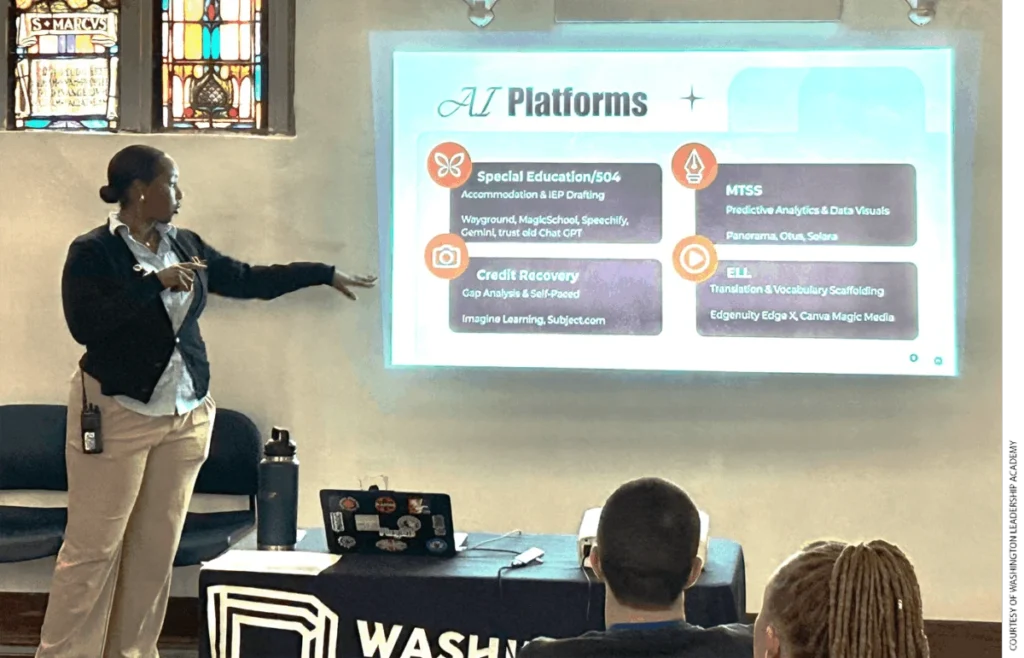
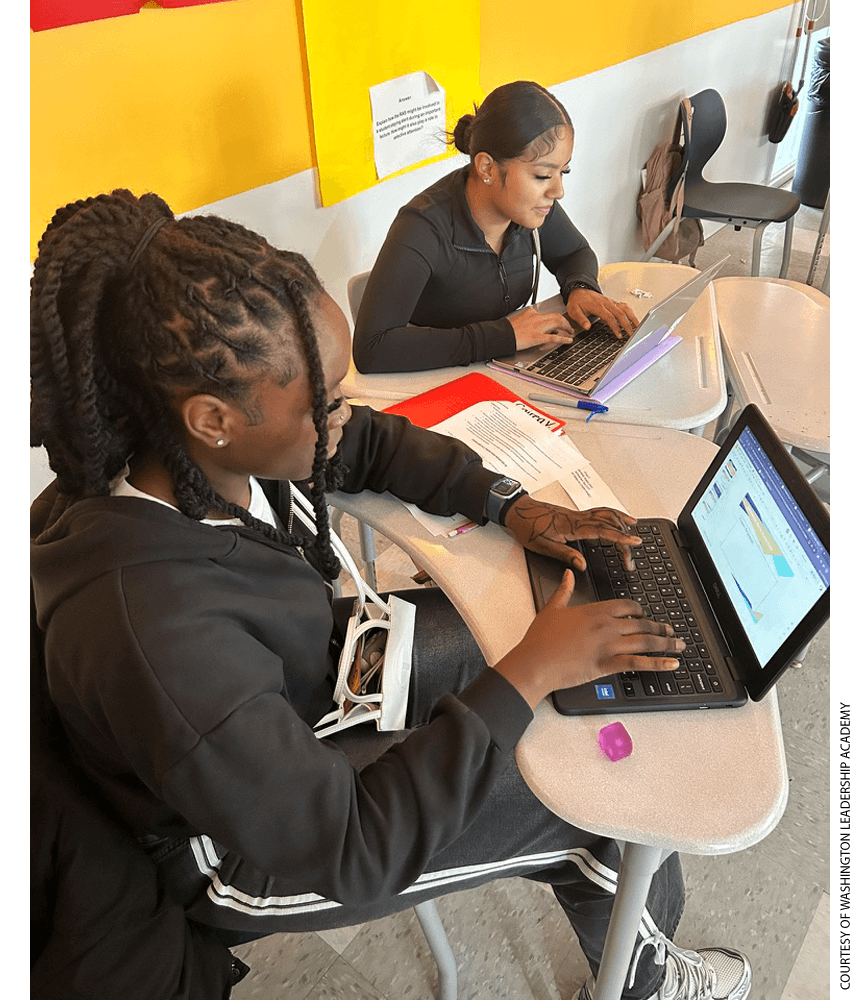
On a crisp Friday morning in early March, the assembly hall of Washington Leadership Academy (WLA)—a public charter secondary school in the heart of the District of Columbia—buzzed with a different kind of energy. Roughly 100 students were hunched over laptops, participating in a “Hackathon” designed not for seasoned software engineers, but for teenagers tasked with a singular, ambitious objective: build a generative artificial intelligence chatbot capable of solving a real-world problem.
For these students, AI is not a distant, abstract concept found in sci-fi novels; it is a tool they navigate daily. However, their relationship with the technology is nuanced. When prompted to define AI, these students displayed a level of critical maturity often missing from adult discourse. One junior offered a particularly striking assessment: “The term ‘artificial intelligence’ isn’t real because, to be intelligent, you have to be able to teach yourself. It should be called ‘artificial prediction’—all it does is predict answers.”
This event serves as a microcosm of a larger pedagogical experiment taking place at WLA. As U.S. schools grapple with the rapid, often chaotic integration of AI, this D.C. charter school has positioned itself at the frontier of the movement, attempting to answer the most pressing question in modern education: How do we prepare students for a future where AI is pervasive, without sacrificing the integrity of human learning?
A Chronology of Adoption: From Skepticism to Strategy
The WLA journey began in November 2022, immediately following the public release of ChatGPT. Recognizing the seismic shift the technology represented, then-executive director Stacy Kane convened school leadership within days, urging them to confront the reality of generative AI rather than ban it.
The initial response was far from unanimous. Eric Collazo, then the school’s principal and now its executive director, admits he was initially a skeptic. As a former English teacher, he harbored a professional protective instinct, fearing that AI could never replicate the nuanced guidance of a skilled educator. Teachers shared these anxieties, citing concerns over plagiarism, increased administrative workloads, and the existential fear that they might eventually be replaced by algorithms.

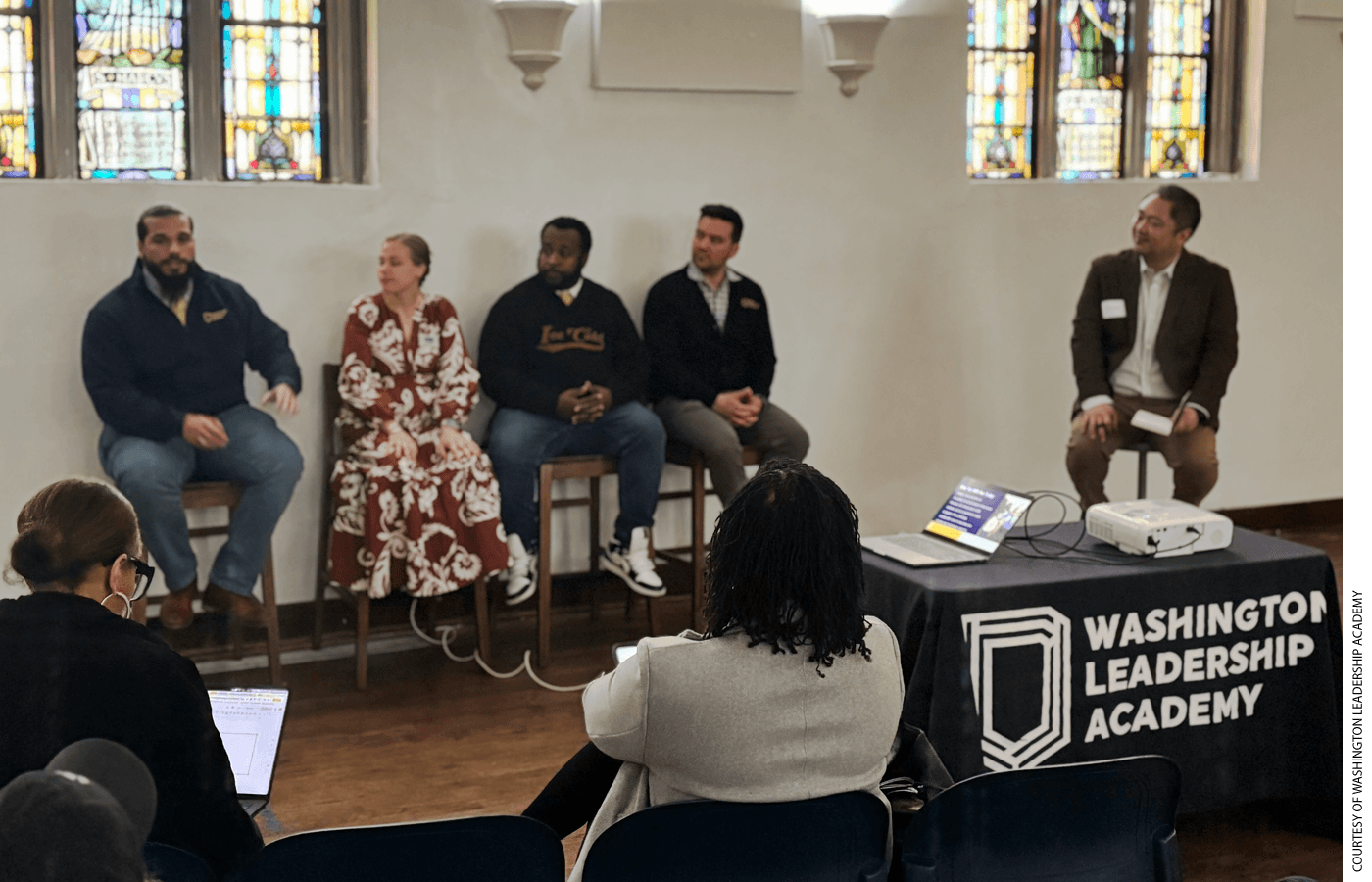
However, a cultural shift occurred through the formation of an AI task force composed of teachers, students, and administrators. Rather than issuing top-down edicts, the school encouraged experimentation. Dr. Giani Clarkson, a history teacher and early adopter, framed the school’s philosophy succinctly: “You’re either going to put your arm around it, or it’s going to find a way to use a foot and get you out the door.”
The turning point for the leadership came during a professional development session on chatbot construction. Collazo, who traditionally closed staff meetings with a motivating metaphor, used an AI tool to generate his closing thoughts. When the output resonated with his personal style, the potential for AI as a productivity multiplier—not a replacement—became clear. By the 2024–25 school year, the school had moved from tentative testing to full-scale integration, supported by premium tool access and a willingness to operate in the absence of external policy guidelines.
Supporting Data: The Landscape of AI in K–12
WLA’s proactive stance is an outlier in an educational landscape defined by hesitation. According to data from December 2025, the percentage of high school students using AI for homework reached 63 percent—a significant leap from 49 percent just months prior. Despite this widespread adoption, institutional guidance remains fragmented.
A 2026 Stanford review of 14 AI research studies highlighted the "mixed bag" nature of the technology. While students showed improved performance in subjects like math, writing, and physics when utilizing AI, these gains often evaporated when the tools were removed, suggesting a potential risk to long-term cognitive retention. Furthermore, the effectiveness of AI was heavily dependent on "guardrails"—tutoring bots that offer hints rather than direct answers proved far more beneficial than general-purpose models that provide immediate solutions.
For teachers, the data is more encouraging regarding administrative efficiency. Nationally, 3 in 10 teachers reported saving roughly six hours a week on administrative tasks during the 2024–25 school year, allowing them to redirect their focus toward student mentorship.
Classroom Innovation: Practical Applications
At WLA, AI integration is not relegated to a single computer science lab. It is woven into the fabric of the school day.
In Dr. Clarkson’s AP Government class, the curriculum is bolstered by a simulation of imperialism. Students manage a fictional nation’s resources and input their strategies into a chatbot to see if they can survive a simulated war against “Clarksonia.” The bot provides outcomes but forces students to analyze the variables themselves, fostering critical thinking rather than passive absorption.
Similarly, Niyesha Coleman, a math instructional coach, implemented a gamified chatbot that acts as a tutor. The bot is trained in her voice and provides feedback, but it intentionally makes errors. This requires students to defend their mathematical reasoning, effectively flipping the script so the student becomes the judge of the AI’s accuracy.
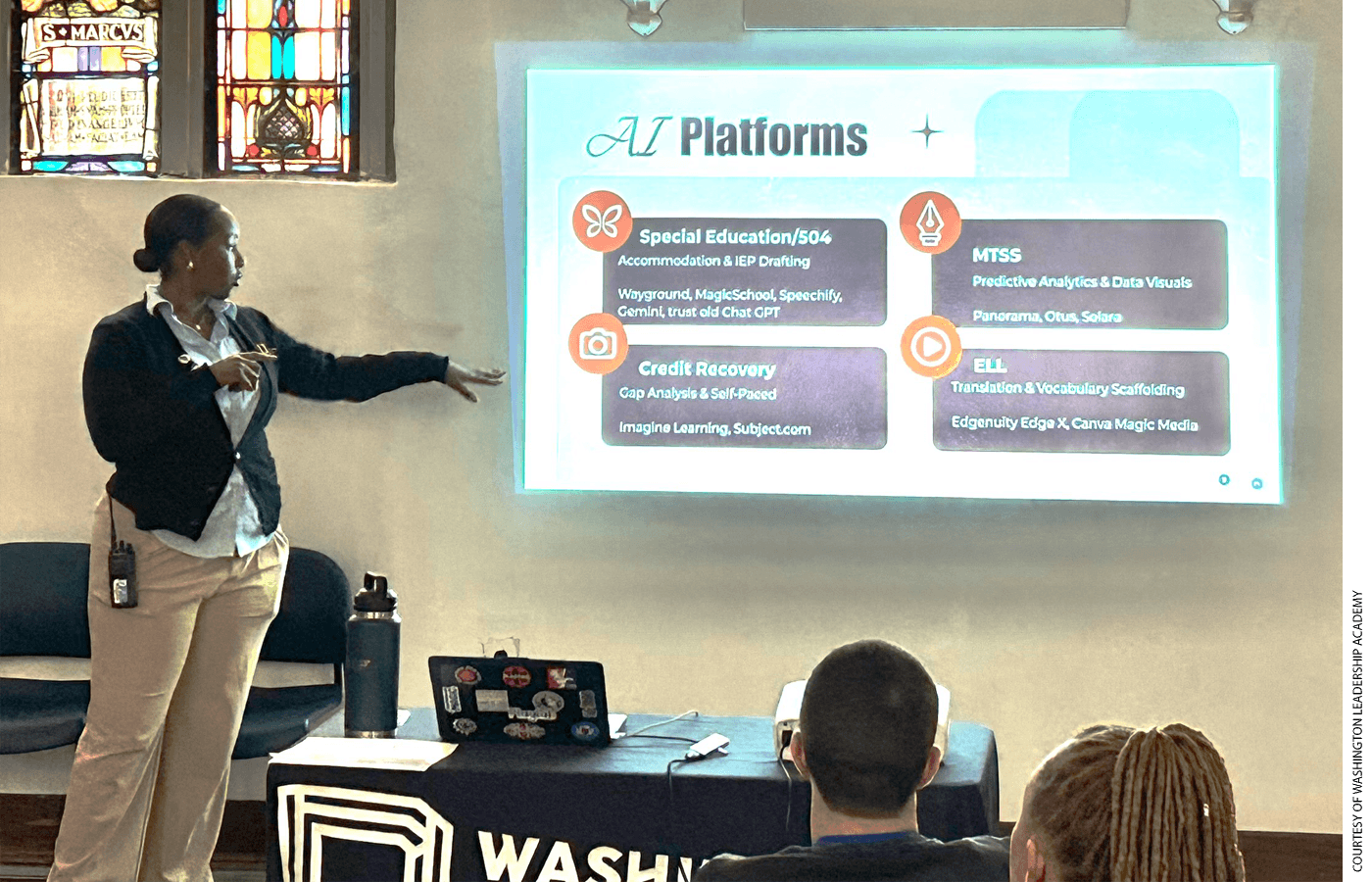
Beyond the classroom, the school’s chief innovation officer, Mark Deegan, has utilized AI to streamline operations. By centralizing attendance data, the school can now identify patterns of chronic absenteeism and intervene before a student falls behind, turning raw data into actionable support.
Official Responses and Policy Lag
The policy environment has been historically slow to react to the rapid development of generative AI. For over a year following the release of ChatGPT, most states offered no formal guidance. It was only during the 2026 legislative session that lawmakers across 27 states introduced 77 bills aimed at providing concrete support, focusing on AI literacy and safety.
Federal action has followed suit, albeit slowly. A 2025 executive order from the White House encouraged classroom integration, and the U.S. Department of Education has begun directing federal grant funding toward AI-literacy initiatives. The U.S. Department of Labor also released a national AI literacy framework, signaling that proficiency with these tools is no longer a niche skill, but a prerequisite for the modern workforce.
However, for schools like WLA, these frameworks arrive as a "catch-up" measure. The school has had to build its own privacy protocols, choosing only FERPA-compliant tools and training staff to scrub student data from non-compliant applications. This highlights a critical gap: current federal laws, such as the decade-old FERPA, were written for an era that did not anticipate the granular data collection capabilities of modern AI.
Implications: The Future of Academic Integrity
Perhaps the most contentious issue facing WLA and schools nationwide is academic dishonesty. The ease with which students can generate essays and solve problems has forced educators to reevaluate the rigor of their assignments.
WLA’s leadership suggests that if an assignment can be completed by a chatbot in seconds, the problem lies with the design of the task, not the student. This has led to a dual approach: some teachers embrace AI as an integral part of the workflow, assigning tasks that require students to edit or critique AI-generated drafts, while others strictly forbid technology on test days, reverting to pen-and-paper assessments to ensure foundational skills are mastered.
When violations occur, the school treats them as a failure of the learning process rather than just a disciplinary matter. Students are required to undergo a formal intervention process involving parents and administrators to discuss the "why" behind the cheating.
Conclusion: A Model for the Future?
WLA’s experience underscores a fundamental truth: AI will not replace the need for schools, but it will fundamentally change what happens inside them. The school’s focus on equity is particularly vital, as it serves a student body—primarily Black, Brown, and low-income—that has historically been excluded from the vanguard of technological access.
As the 2029 PISA exams prepare to include AI literacy as a core metric of student success, the lessons from WLA become increasingly relevant. They demonstrate that successful AI integration requires three pillars: dedicated professional development, clear values-based rubrics, and, most importantly, keeping students at the table as architects of their own learning environment.
WLA has not solved every challenge. The anxiety surrounding job security and the erosion of human connection remains palpable among students. Yet, by choosing to engage with these technologies transparently, the school is providing its students with the most valuable asset in an uncertain future: the ability to understand, critique, and harness the tools that will shape their lives. As the students at the March Hackathon demonstrated, when you stop fearing the technology and start building it, you transform from a passive consumer into an active creator.