WASHINGTON, D.C. — In the foundational landscape of human development, the first three years of life represent a profound window of opportunity. During this critical period, a child’s brain produces more than one million neural connections every single second, shaping the neurological architecture for lifelong mental health, emotional well-being, and cognitive capacity.
Amid shifting economic landscapes, rapid technological advancements, and evolving public policy, the national nonprofit organization ZERO TO THREE continues to spearhead a comprehensive movement to prioritize infants, toddlers, and their families. Through its targeted focus areas—spanning professional training, evidence-based parenting resources, infant and early childhood mental health, and legislative advocacy—the organization is uniting stakeholders nationwide to ensure that every child receives a strong, stable start in life.
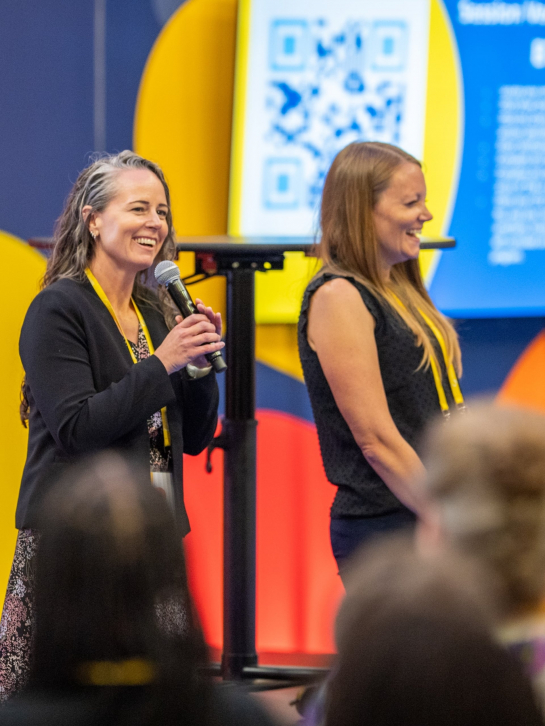
The organization’s flagship initiative, the upcoming LEARN Conference 2026, scheduled for October 27, 2026, in Portland, Oregon, aims to convene hundreds of professionals, researchers, and community leaders. As early childhood advocates face mounting systemic pressures, the 2026 agenda addresses the most urgent challenges facing families today, ranging from economic instability to the ethical integration of artificial intelligence in early learning environments.
Main Facts: The Core Pillars of Early Childhood Investment
The modern early childhood development sector operates at the intersection of neuroscience, public policy, and community care. ZERO TO THREE’s strategic framework focuses on several core pillars designed to support the ecosystem surrounding young children:
Unprecedented Neurological Growth: Medical and developmental science confirms that the architecture of the human brain is largely constructed during infancy and toddlerhood, making early experiences decisive factors in lifelong health outcomes.
The LEARN 2026 Conference: Serving as the premier national gathering for the sector, the upcoming conference in Portland, Oregon, will deliver practical strategies, research-backed insights, and collaborative networks for professionals dedicated to early learning, healthcare, and family support.
Multi-Tiered Support Systems: The organization provides critical resources tailored to three distinct audiences: parents and caregivers seeking community care tools; professionals spanning healthcare and education; and policymakers shaping child welfare legislation.
Advocating for Systemic Change: Through rigorous research and legislative collaboration at both state and federal levels, ZERO TO THREE targets systemic failures—such as the national child care crisis and workforce burnout—to position babies and toddlers as a top national priority.
Chronology: Key Developments, Reports, and Milestones Leading to 2026
The trajectory of early childhood advocacy has accelerated rapidly in response to post-pandemic economic shifts and technological transformations. A chronological overview highlights the pivotal milestones shaping the field:
2022–2023: Exposing the Child Care Paradox and Launching Collaborative Spaces
The Child Care Paradox: ZERO TO THREE released comprehensive analyses highlighting the unsustainable squeeze on American families—where parents face skyrocketing tuition costs while early childhood educators remain among the lowest-paid professionals in the nation.
National Convenings: The organization hosted major regional events, including the prominent Minneapolis Convention Center gatherings, uniting commercial and community partners to revitalize professional motivation and establish robust support networks.
2024–2025: Rising Pressures and Digital Transformation
The "RATTLED" Report: A national snapshot of family life revealed deepening economic pressure and emotional distress for households with infants and toddlers, underscoring a growing strain on parental mental health.
The Rise of Digital Integration: As artificial intelligence began infiltrating daily life, the organization introduced critical discourse regarding screen sense and early childhood technology, establishing foundational safety guidelines for digital exposure.
Strolling Thunder Advocacy: Advocates gathered in Washington, D.C., placing young children and caregivers directly in front of lawmakers to demand legislative investments in home visiting and family support systems.
2026: Action, Policy Highlights, and the Road to Portland
Legislative Highlights: The release of the 2026 Child Welfare Legislative Highlights tracked state-level actions aimed at building stronger safety nets for babies and families.
AI Frameworks: The publication of exploratory guides, such as Go, Slow, Stop: A Guide to AI in Early Childhood, provided much-needed clarity on navigating artificial intelligence in learning spaces.
The Upcoming LEARN 2026 Summit: Set for October 2026, the conference anchors the year’s educational offerings, featuring specialized plenaries on science, wellness, and workforce protection.
Supporting Data: Economic Strain, Workforce Realities, and Brain Science
Understanding the urgency of early childhood intervention requires examining the quantitative realities facing American families and the professional workforce. Recent data compiled through ZERO TO THREE reports illustrates a system under immense stress:
1 Million Neural Connections per Second: This biological baseline emphasizes why toxic stress, trauma, or neglect during the first three years can permanently alter developmental trajectories.
The Economic Squeeze on Families: According to the RATTLED: Babies, Families and a Year of Growing Strain report, economic uncertainty and emotional distress intensified across 2025, leaving many parents struggling to maintain stability despite offering deep love and care.
The Educator Disconnect: The child care crisis continues to destabilize local economies. While families pay more than ever for care, early educators absorb low wages, leading to high turnover rates, widespread program closures, and diminished classroom stability.
Legislative Momentum: Across multiple states, 2026 legislative sessions have seen targeted policy introductions addressing child welfare, maternal mental health, and expanded access to quality infant and toddler care settings.
Official Responses and Expert Perspectives
As the early childhood sector navigates complex societal shifts, leaders, researchers, and practitioners have voiced critical perspectives on how communities must respond to the needs of the youngest generation.
Dr. Meghan López, in a widely circulated open letter focusing on relationship-based care, emphasized the irreplaceable value of targeted interventions:
"In this open letter, we focus on how relationship-based home visiting supports families by building trust, addressing complex needs, and strengthening systems around them. Home visiting is more essential now than ever before as families grapple with isolation and economic volatility."
Reflecting on the emotional toll experienced by professionals in the field, attendees of national summits frequently report a renewed sense of purpose:
"This is just what I needed to reestablish my motivation in moving forward with this work," shared a participant at a recent convention, echoing a sentiment shared by educators and social workers nationwide who face high-stress environments.
Furthermore, subject matter experts leading the charge on infant and early childhood mental health stress that behavioral health cannot be treated as an afterthought. Clinical guidance highlights that babies and toddlers do experience mental health challenges stemming from trauma, biological factors, or environmental volatility, requiring specialized diagnostic and therapeutic tools for caregivers.
Implications: What the Future Holds for Families and Policy
The implications of ZERO TO THREE’s ongoing research, advocacy, and professional training initiatives extend far beyond individual classrooms or family living rooms. They point toward a broader societal reckoning regarding how nations value their youngest citizens and those who care for them.
1. Rebuilding the Workforce to Protect Children
If the child care paradox remains unaddressed—with families paying unsustainable rates while educators are undercompensated—the entire foundational care system risks collapse. Future policy implications demand robust public subsidies, professional wage floors, and organizational supports that go beyond superficial "self-care" to address the actual physical and emotional demands placed on early educators.
2. Navigating Technological and Environmental Disruptions
With the introduction of artificial intelligence tools and the growing prevalence of digital media in early learning environments, educators and parents require clear boundaries. Frameworks like the Go, Slow, Stop initiative provide essential guardrails, ensuring that technology serves to enhance, rather than replace, human connection and tactile exploration. Simultaneously, emerging wellness initiatives—such as exploring the healing properties of nature, somatic awareness, and Indigenous wisdom—offer holistic pathways for family healing.
3. Making Babies a National Priority
Ultimately, the work championed by organizations like ZERO TO THREE calls for a cultural shift. Whether through grassroots community care, professional development conferences like LEARN 2026, or direct policy advocacy on Capitol Hill, the message remains clear: supporting a child in their first 1,000 days is not merely a localized family concern, but a national imperative whose dividends last a lifetime.