Bridging the Last Mile: How JSI’s Zero-Dose Learning Hub Transformed Country-Level Insights into Global Immunization Tools
Main Facts: The Mission to Reach Every Child
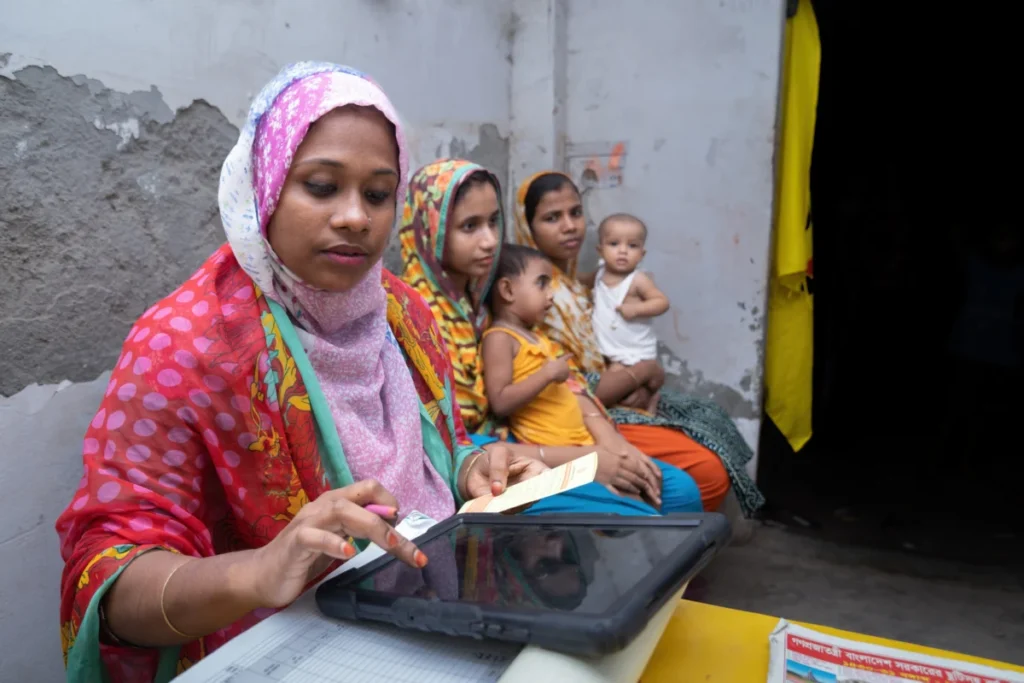
Reaching zero-dose and under-immunized children—those who have missed out entirely on routine, life-saving vaccinations or received only partial protection—remains one of the most persistent hurdles in modern public health. These vulnerable children are rarely distributed evenly across populations. Instead, they are deeply concentrated in marginalized communities grappling with steep geographic barriers, persistent service delivery gaps, financial constraints, and an acute lack of timely, reliable localized data.
To achieve true universal health coverage, national immunization programs cannot rely solely on broad, macro-level coverage estimates. They require granular evidence, localized adaptation, and flexible technical support finely tuned to messy, on-the-ground realities.
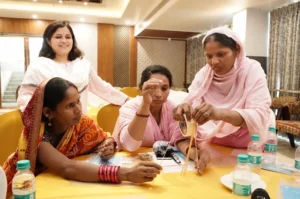
Between 2022 and 2026, JSI stepped into this critical space as the global learning partner for the Gavi-funded Zero-Dose Learning Hub (ZDLH). Working hand-in-hand with consortium partners—including the International Institute of Health Management Research and The Geneva Learning Foundation—JSI spearheaded an ambitious effort to support Country Learning Hubs in Bangladesh, Mali, Nigeria, and Uganda. The core objective was unambiguous: generate, synthesize, and apply real-world evidence to identify, reach, and protect zero-dose and under-immunized children.
Rather than imposing top-down mandates, the ZDLH operated on a revolutionary bidirectional hub-and-spoke model. Country Learning Hubs generated frontline programmatic data with a sharp focus on subnational realities. Simultaneously, JSI and its global partners provided targeted technical assistance, evidence synthesis, knowledge translation, and cross-country learning platforms. This ensured that the actual operational hurdles, questions, and constraints faced by frontline teams directly shaped the global public health agenda.
Chronology: The Evolution of the Zero-Dose Learning Hub (2022–2026)
The lifecycle of the ZDLH represents a structured trajectory from foundational evidence-gathering to institutionalized global change:
- 2022 (Inception and Setup): JSI and its consortium partners officially launch the Zero-Dose Learning Hub initiative. Country Learning Hubs are established in Bangladesh, Mali, Nigeria, and Uganda. Initial scoping activities focus on identifying the specific geographic and systemic barriers keeping children from receiving routine immunizations.
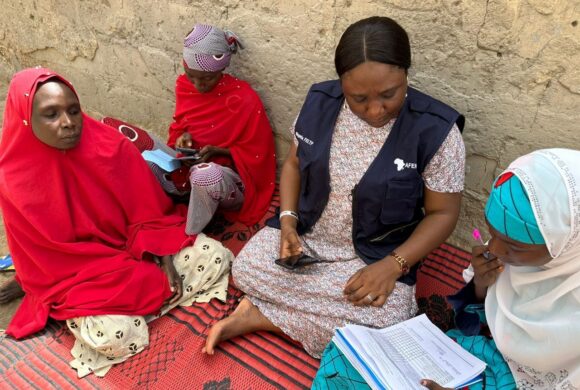
- 2023 (Implementation and Localized Research): Country teams roll out household surveys, rapid assessments, and qualitative focus groups (such as community-level inquiries in Tominian, Mali, and household data collection across Nigeria). Concurrently, JSI initiates its demand-driven technical assistance model, acting as an adaptive thought partner rather than a rigid advisory body.
- 2024 (Identifying Persistent Gaps and Tool Development): As implementation research progresses, common technical bottlenecks surface across multiple countries. Recognizing that standardized global guidance is falling short, JSI transitions from isolated problem-solving to developing reusable global goods. This year marks the conceptualization and drafting of core toolkits addressing theory-based evaluation, immunization costing, and Lot Quality Assurance Sampling (LQAS).
- 2025 (Dissemination, Testing, and Refinement): The newly developed toolkits are deployed back into the field. Country teams—such as Village Health Teams in Uganda—integrate these monitoring and evaluation frameworks into their daily workflows. Cross-country learning exchanges allow insights from Bangladesh to inform strategies in West Africa.
- 2026 (Legacy, Transition, and Strategic Alignment): As the ZDLH concludes its primary funding window, Gavi transitions into its sixth strategic period. JSI synthesizes the cumulative learnings of the four-year initiative, cementing a legacy of adaptive management, robust resource toolkits, and a proven blueprint for translating local experience into global public health practice.
Supporting Data and Operational Insights
The success of the ZDLH framework lies in its empirical foundation. By moving away from generalized assumptions, the initiative relied on rigorous data collection methodologies deployed directly within hard-to-reach pockets.
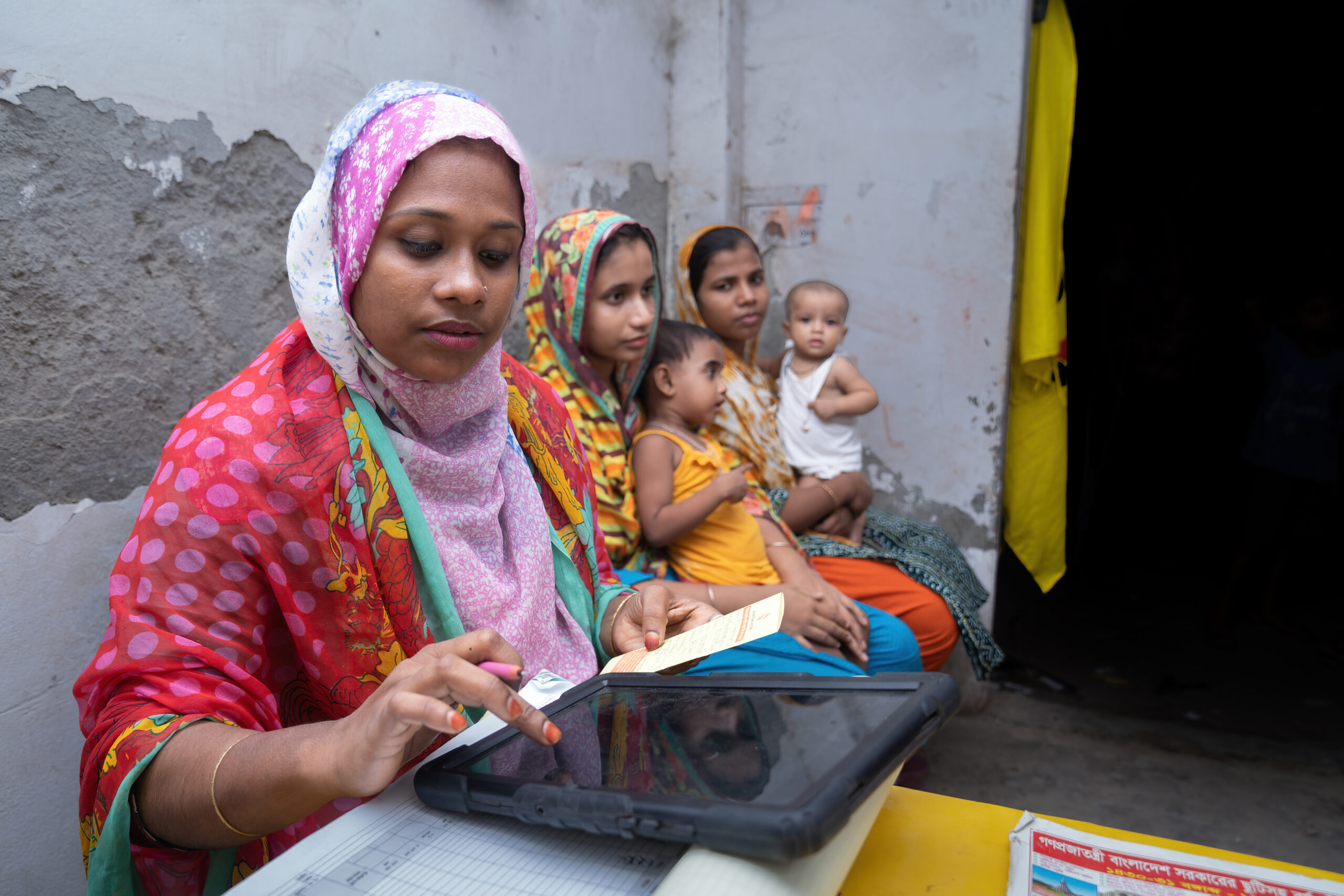
- Subnational Focus: National coverage figures frequently mask severe regional disparities. For instance, a country might boast a national immunization coverage rate of 80%, while specific decentralized districts or urban informal settlements hover below 30%. The ZDLH model utilized localized data collection—such as household surveys in Nigeria and rapid assessments in Mali’s CSCom Central in Tominian—to pinpoint precisely where interventions were failing.
- Demand-Driven Technical Assistance: Standardized global health programs often deploy static packages of technical assistance. JSI upended this paradigm by tracking the frequency and nature of technical requests from country teams. When a methodological gap surfaced in one country, JSI provided direct troubleshooting. When recurring challenges appeared across multiple hubs, JSI recognized a systemic global gap and engineered scalable solutions.
- Four Pillars of Practical Tooling: In direct response to field-level constraints, JSI engineered four foundational resource toolkits, each addressing a critical pillar of public health programming:
- Theory-Based Evaluation Toolkit: Designed for complex, changing environments where traditional experimental designs are impossible. It strengthens causal logic and maps out why an intervention worked, under what conditions, and what shifted along the implementation pathway.
- Immunization Costing Toolkit: Employs a bottom-up, ingredients-based approach to estimate incremental retrospective costs. This helps program managers understand cost drivers, evaluate potential efficiencies, and prevent underfunding.
- Lot Quality Assurance Sampling (LQAS) Toolkit: Provides operational guidance, step-by-step templates, and decision rules to help decentralized managers classify supervision areas against coverage targets and trigger immediate corrective action.
- Knowledge Translation Toolkit: Bridges the chasm between research production and real-world application by providing guidance on stakeholder engagement, message tailoring, and tracking progress across the knowledge translation pathway.
Official Perspectives and Expert Responses
The methodology underpinning the ZDLH has drawn widespread acclaim from global health authorities and country-level implementers alike. Public health leaders note that the program’s greatest triumph is not merely the data points collected, but the cultural shift in how technical assistance is delivered.
"Technical assistance is fundamentally broken if it is delivered as a monologue rather than a dialogue," noted a senior public health strategist familiar with the Gavi-funded initiative. "For too long, global health organizations have designed tools in Geneva or Washington and expected rural districts in South Asia or Sub-Saharan Africa to simply make them fit. JSI and the ZDLH consortium inverted that equation. They listened first, diagnosed real-world frictions, and built global tools from the ground up."
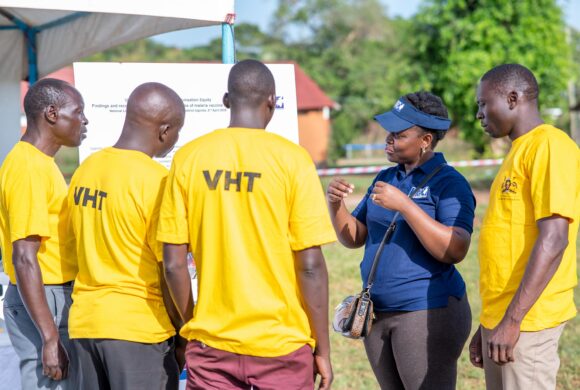
Country Learning Hub representatives have similarly emphasized the value of local empowerment. In Uganda and Nigeria, local health workers reported that having access to adaptable frameworks like LQAS and practical costing guides allowed them to advocate more effectively for district-level budget allocations. Rather than feeling overwhelmed by vague international targets, local teams were equipped with the statistical and operational instruments needed to justify localized funding requests to national ministries of health.
Furthermore, Gavi leadership has pointed to the ZDLH as a vital testing ground for future strategic investments. As the Vaccine Alliance looks toward its sixth strategic period, the lessons learned from the hub-and-spoke learning model provide a concrete blueprint for enhancing both the programmatic and financial sustainability of national immunization programs.
Implications: The Future of Global Health Beyond Zero-Dose
While the Zero-Dose Learning Hub was explicitly designed to address routine childhood vaccination gaps, its implications stretch far beyond immunization. The core challenges tackled by JSI—evaluating complex interventions in fluid environments, estimating localized costs, executing decentralized monitoring, and translating academic or field research into actionable policy—are universal across global health.
1. Reusability of Global Public Goods
The toolkits developed under the ZDLH banner are not siloed assets. Because they are structured around practical methods, clear templates, and transparent decision-making processes, they can be seamlessly adapted and applied to other complex health domains. Whether a program is tackling maternal and child health, pandemic preparedness, neglected tropical diseases, or supply chain logistics, the underlying methodologies remain robust.
2. A New Paradigm for Technical Assistance
The JSI model demonstrates that global health organizations must move away from rigid, one-size-fits-all technical packages. Future global health initiatives will increasingly need to adopt demand-driven frameworks that treat country-level implementers as intellectual partners rather than passive recipients of aid. By establishing a continuous feedback loop between frontline implementation and global guidance, organizations can ensure that investment dollars yield maximum, measurable impact.
3. Institutionalizing Adaptive Management
Data availability alone cannot solve public health crises. As the ZDLH experience underscored, the true bottleneck has never been a lack of data; it is the friction inherent in translating data into timely, local decisions. By embedding knowledge translation guidance directly into program design, future initiatives can shorten the distance between uncovering a barrier and executing a solution.
As the Zero-Dose Learning Hub concludes its formal operational window in 2026, its ultimate legacy is not just a repository of published resources or a collection of country reports. It is an enduring methodology—a proven way of working that empowers local teams to ask sharper questions, harness evidence more fearlessly, and build practical tools that strengthen decision-making across diverse health programs and global contexts. Through this work, JSI has reinforced its foundational role in global health: moving seamlessly from data to learning, from learning to action, and from country experience to global practice.