Bridging the Gap: How Empathy, Dialogue, and Community Tracking Turn Vaccine Hesitancy into Protection in Nigeria
Introduction: The Weight of an Unbroken Silence
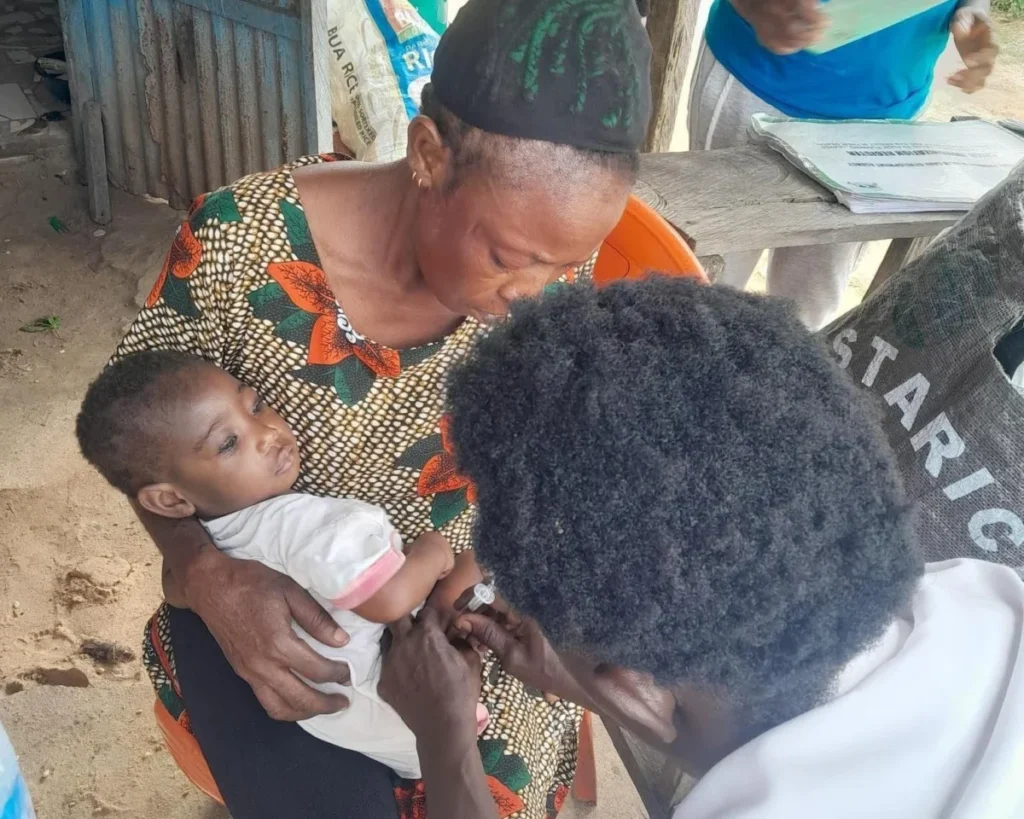
For nearly two decades, the phrase "immunization schedule" meant nothing to Mrs. Favour’s household in the Yenegwe community of Bayelsa State, Nigeria. While public health campaigns pushed relentlessly to protect children from vaccine-preventable diseases, Mrs. Favour remained a quiet, steadfast objector. By the time her youngest child, Baby Rejoice, reached one year of age, she had never received a single dose of any vaccine.
Mrs. Favour’s stance was not born out of malice or political posturing; it was forged in the crucible of a frightening personal experience. Years prior, when her eldest child—now 19 years old—received routine infant immunizations, the infant suffered a distressing reaction characterized by a high fever, relentless restlessness, and acute intestinal distress. Although the child eventually recovered, the memory etched itself into the young mother’s psyche. Left without guidance, counseling, or follow-up support from the healthcare system, she drew a definitive conclusion: vaccines were dangerous.
For nearly twenty years, that single unaddressed adverse event silenced public health outreach in her home. It required a profound shift in strategy—moving away from top-down directives and toward compassionate, evidence-based dialogue—to finally bridge the chasm of mistrust.
Main Facts: Confronting the "Zero-Dose" Challenge in Nigeria
The story of Mrs. Favour and Baby Rejoice is emblematic of a broader, systemic challenge facing public health initiatives in Nigeria and across sub-Saharan Africa: the phenomenon of the "zero-dose" child. Zero-dose children—those who have never received a single dose of diphtheria, tetanus, and pertussis (DTP) vaccine or any routine immunizations—represent the most vulnerable fraction of the global population, bearing a disproportionate burden of vaccine-preventable mortality.
Key Dimensions of the Case:
- The Setting: Yenegwe community, Yenagoa Local Government Area, Bayelsa State, Nigeria.
- The Beneficiary: Baby Rejoice, identified as a zero-dose child at exactly one year of age.
- The Catalyst: An outreach session conducted on June 10, 2026, by the Yenegwe Primary Health Center with vital technical and logistical support from JSI (John Snow, Inc.).
- The Intervention: Active listening, empathetic counseling on Adverse Events Following Immunization (AEFI), and a coordinated defaulter-tracking system.
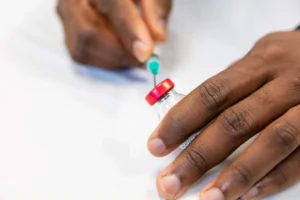
- The Protection: Immediate administration of six life-saving vaccines targeting tuberculosis (TB), polio, hepatitis B, diphtheria, pertussis (whooping cough), tetanus, pneumonia, rotavirus, and meningitis, followed by subsequent doses including malaria protection.
Public health experts emphasize that vaccine hesitancy is rarely a monolith. As demonstrated in Bayelsa State, it is frequently rooted in genuine fear, past trauma, and a systemic failure to explain normal post-vaccination reactions to caregivers. When mothers and fathers are left to interpret infant fevers and fussiness in isolation, uncertainty easily metastasizes into outright refusal.
Chronology: A Step-by-Step Transformation from Fear to Acceptance
The journey that transformed Mrs. Favour from a staunch vaccine skeptic into an advocate for immunization was non-linear, requiring patience, institutional coordination, and persistent follow-up.
Phase 1: The Outreach and the Breakthrough (June 10, 2026)
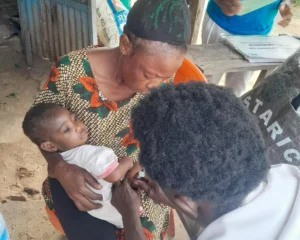
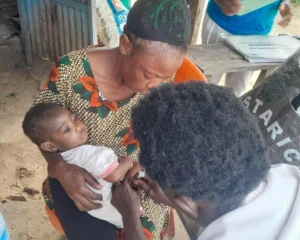
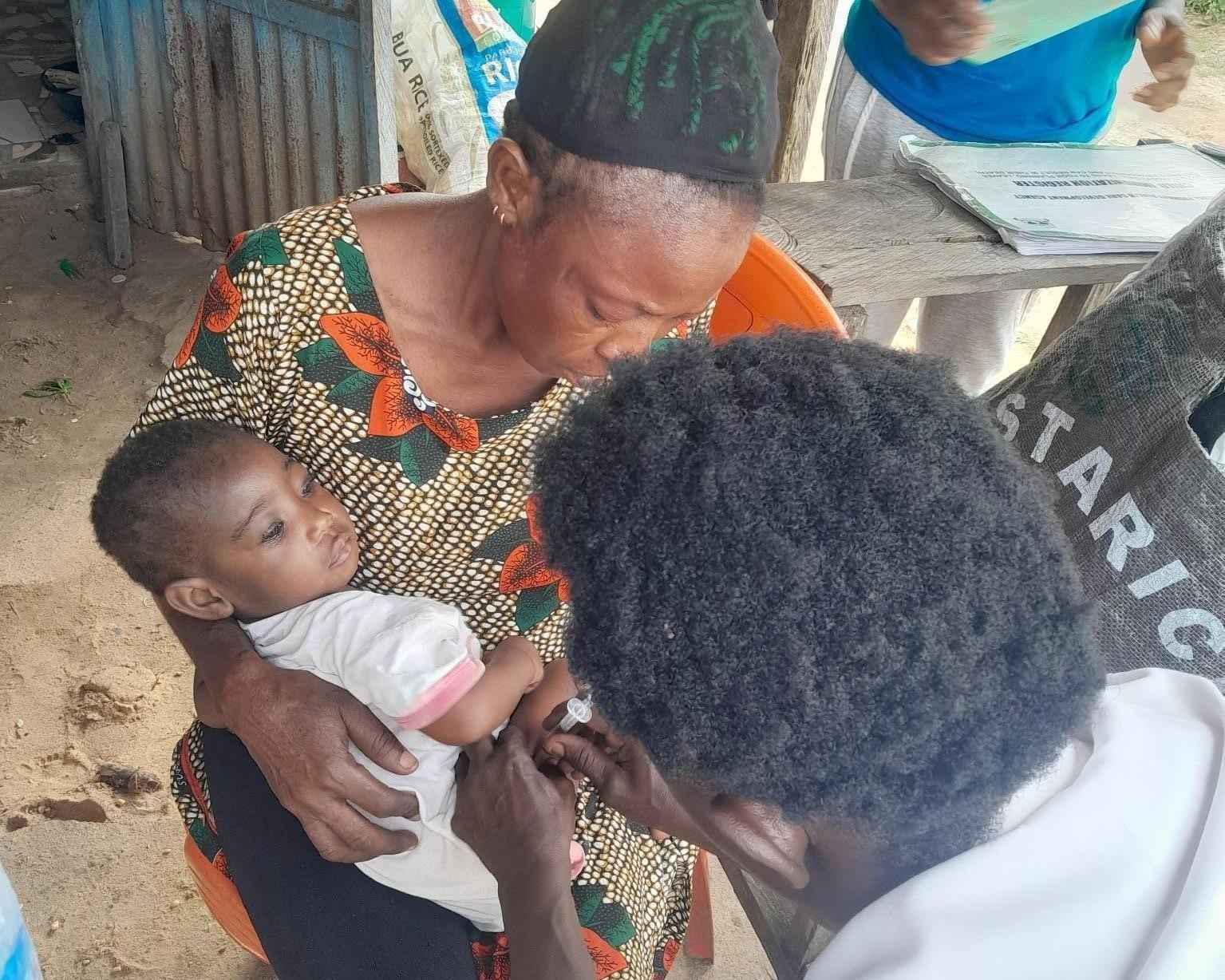
During a routine community health outreach session organized by the Yenegwe Primary Health Center and supported by JSI, health workers identified one-year-old Baby Rejoice as a zero-dose child. Recognizing the urgency of the situation, Esogenwune Nwabueze, a JSI Bayelsa State Advocacy, Communication, and Social Mobilization (ACSM) officer, stepped in.
Instead of lecturing the mother on compliance, Nwabueze initiated a respectful dialogue. He listened intently as Mrs. Favour recounted her 19-year-old trauma regarding her firstborn’s adverse reaction. Nwabueze systematically broke down what happens physiologically during an Adverse Event Following Immunization (AEFI). He clarified that common reactions like mild fever and fussiness are often immune system responses rather than dangerous pathologies, detailing clear danger signs and outlining the exact steps caregivers should take if severe symptoms emerge.
Moved by this unprecedented level of transparency and empathy, Mrs. Favour gave her consent. Baby Rejoice received her foundational, life-saving vaccines on the spot.
Phase 2: Reinforcing Trust Through Home Visits
Recognizing that initial acceptance does not guarantee long-term adherence, the JSI ACSM officer executed a follow-up home visit to Mrs. Favour’s residence the very next day. This visit served to check on Baby Rejoice, address any lingering anxieties, and reinforce the mother’s confidence. Furthermore, Nwabueze integrated the family into the formal health infrastructure by sharing Baby Rejoice’s details with the Yenagoa immunization officer and the local health facility team.
Phase 3: Navigating the Default and Recovery
Despite these measures, the path to complete immunization proved bumpy. When Baby Rejoice missed her scheduled follow-up appointment one month later, the system did not simply write her off as lost.
Prompted by the previously established communication network, the Yenagoa immunization office dispatched personnel directly to Mrs. Favour’s home. The health workers reassured her that the subsequent antigens were age-appropriate, vital for closing her child’s immunity gap, and designed to work safely in tandem with earlier doses. This persistent, non-judgmental outreach bore fruit: the following month, Baby Rejoice received her remaining missed antigens, including Penta 2, polio 2, rotavirus, and a crucial malaria vaccination.
Supporting Data and Perspectives: The Voices Behind the Initiative
The success in Bayelsa State offers critical insights into how health organizations can dismantle barriers to immunization. Qualitative data from community interactions across Nigeria consistently underscores that interpersonal communication remains the most potent tool in fighting vaccine hesitancy.
Perspectives from the Field
"After my experience with my first child, who is 19 years old, I refused vaccines for all my children because I believed immunization was dangerous. Nobody had explained to me that those reactions could happen and what to do about them. Today, they listened and answered my questions. This gave me the confidence to allow Baby Rejoice to be vaccinated."
— Mrs. Favour, Mother and Resident of Yenegwe Community
Mrs. Favour’s testimony highlights a glaring historical gap in primary healthcare delivery: the absence of post-vaccination education. When health systems focus exclusively on administration while ignoring education and emotional reassurance, they inadvertently create fertile ground for misinformation.
"Every caregiver deserves accurate information so they can make informed decisions for their children. Many vaccine refusals are rooted in fear, misinformation, or past experiences. Listening is often the first step toward building trust."
— Esogenwune Nwabueze, JSI Bayelsa ACSM Officer
Nwabueze’s philosophy underpins the modern shift in public health communication. Advocacy is no longer about persuasion through volume or authority; it is about active listening, validating fears, and replacing myths with transparent, science-backed guidance.
"No child is beyond reach when communities, health workers, and partners like JSI work together. At the Bayelsa State Primary Health Care Board, we remain committed to identifying and reaching every zero-dose and under-immunized child with life-saving vaccines."
— Dr. Williams Appah, Executive Secretary, Bayelsa State Primary Health Care Board
Dr. Appah’s statement emphasizes the institutional framework required to sustain community-level wins. Without regional leadership, strategic partnerships, and robust data-sharing mechanisms, individual success stories like Baby Rejoice’s would remain isolated anomalies rather than scalable models.
Implications: Lessons for Global Health and Immunization Strategy
The narrative unfolding in Bayelsa State carries profound implications for public health practitioners, policymakers, and international development agencies working to eradicate vaccine-preventable diseases in fragile or hard-to-reach settings.
1. The Imperative of Defaulter Tracking and Accountability
Baby Rejoice’s missed follow-up appointment could easily have resulted in her joining the ranks of partially immunized or permanently defaulted children. However, the seamless coordination between JSI’s mobilization officers and the Yenagoa immunization team prevented this outcome. This proves that identifying zero-dose children is only half the battle; institutionalizing rigorous defaulter-tracking systems with clear lines of local accountability is essential for completion.
2. Treating Hesitancy as a Symptom, Not Defiance
Public health campaigns frequently falter when they treat vaccine-hesitant communities as ignorant or defiant. Mrs. Favour’s case illustrates that hesitancy is often a rational response to an unmanaged past trauma. By validating her historical fear rather than dismissing it, health workers transformed an adversary into an ally. Future immunization programs must integrate trauma-informed communication into standard training for frontline health workers.
3. Multisectoral Synergy as a Catalyst for Universal Coverage
The intervention in Bayelsa State underscores the efficacy of synergy between international NGOs (such as JSI), local primary health centers, and state government boards. When technical expertise, community mobilization officers, and government healthcare infrastructure operate in unison, they create a safety net tight enough to catch the most vulnerable children before they slip through the cracks.
Conclusion: A Future Secured Through Dialogue
Today, Baby Rejoice stands as a testament to what is possible when healthcare systems prioritize human connection alongside medical science. Her journey from being an unregistered, zero-dose infant to a fully immunized child—protected against a formidable array of deadly diseases—was not achieved through mandates or coercion. It was achieved through the simple, radical act of listening.
As Bayelsa State and its partners continue their relentless campaign to reach every unvaccinated child, the story of Mrs. Favour and her youngest daughter offers an enduring blueprint: behind every refusal lies a story waiting to be heard, and within every empathetic conversation lies the power to save a life.