Securing Ethiopia’s Vaccine Lifeline: How Local Expertise is Revolutionizing National Cold Chain Infrastructure
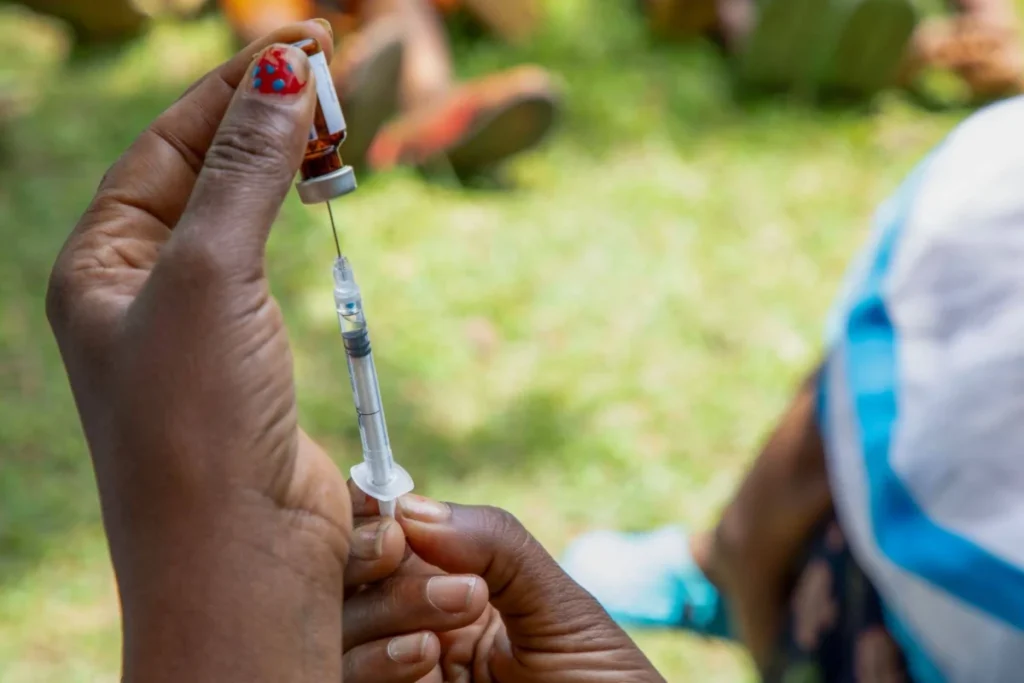
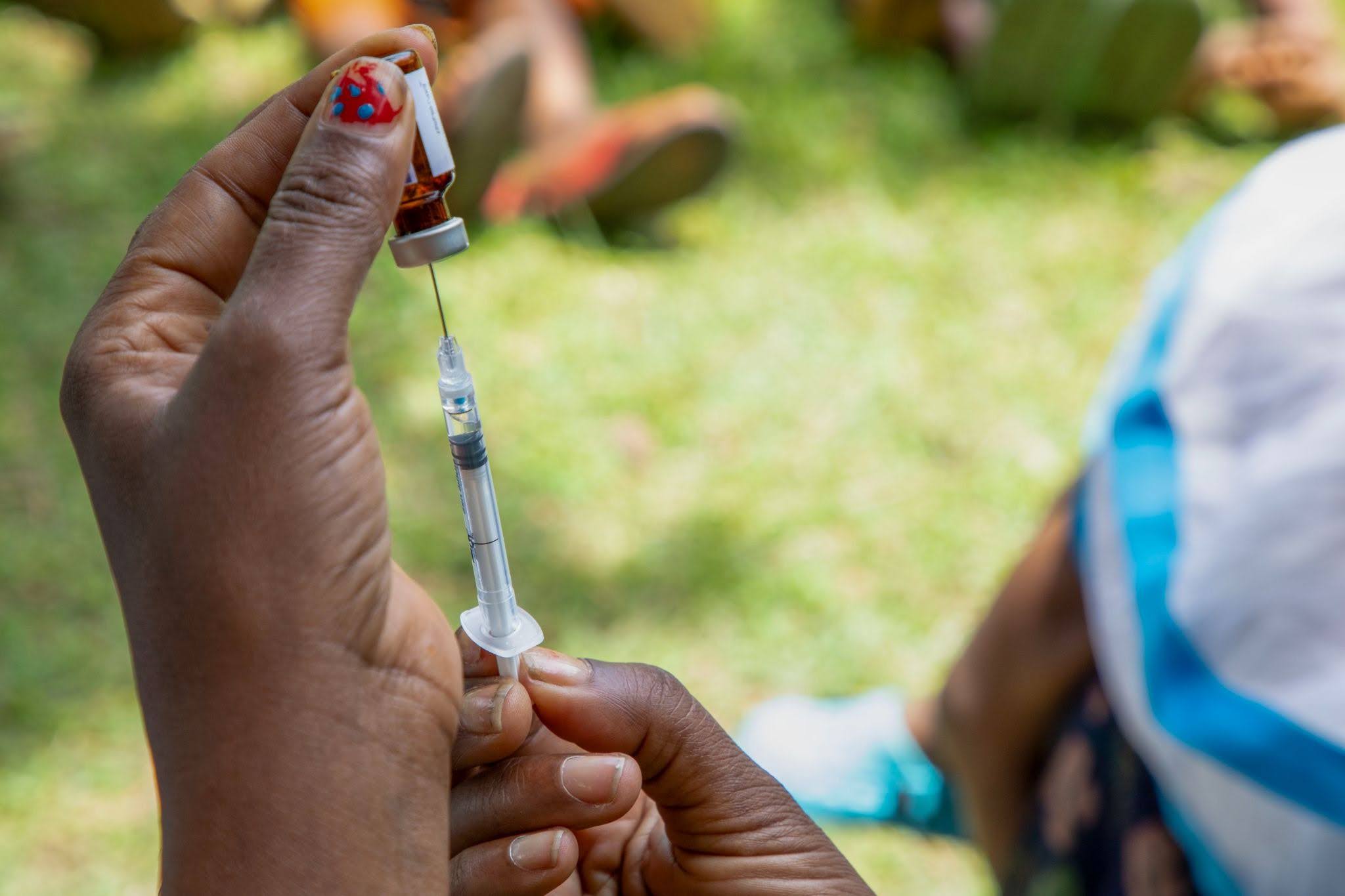
ADDIS ABABA — Across the globe, the race to deliver life-saving immunizations often stalls not at the manufacturing plant or the clinic door, but in the critical space in between. Annually, billions of vaccine doses are lost to the elements—sacrificed to minor disruptions, mechanical failures, or systemic vulnerabilities in the delicate logistical network known as the cold chain.
While investing in state-of-the-art infrastructure, such as ultra-modern cold rooms and high-capacity freezers, remains a foundational step for any public health apparatus, public health experts increasingly agree that hardware alone is not enough. The true measure of a resilient healthcare system lies in its human infrastructure: its capacity to maintain, manage, troubleshoot, and adapt its cold chain architecture over the long term.
Over the past year, a transformative collaboration in Ethiopia has sought to redefine this paradigm. Working in close partnership with the Ethiopian Ministry of Health and the Ethiopian Pharmaceutical Supply Service (EPSS), global public health organization JSI has spearheaded an ambitious initiative. Rather than treating cold chain upgrades as isolated logistical tasks outsourced to international contractors, the partners have systematically turned infrastructure management and maintenance into an engine for local capacity building, workforce training, and national policy reform.
Main Facts: The Stakes, the Partners, and the Strategy
The challenge facing Ethiopia’s public health supply chain is immense. Shifting demographics, rapid urban development, and operational inefficiencies have placed unprecedented strain on the nation’s medical logistics. To adequately serve a population exceeding 32 million people across diverse geographic terrains, the infrastructure supporting vaccine storage required a massive, strategic reorganization.
The Core Problem and Solution
- The Vulnerability: Minor temperature excursions or equipment failures can compromise entire batches of vaccines, directly threatening immunization campaigns for millions of children and vulnerable adults.
- The Operational Bottleneck: Historically, critical cold storage units were scattered across multiple facilities or poorly positioned within hubs, leading to logistical delays, heightened safety risks, and exposure to dangerous ambient temperatures.
- The Intervention: JSI and EPSS executed a multi-site infrastructure overhaul across three vital regional hubs—Mekelle, Hawassa, and Addis Ababa.
- The Method: Moving beyond mere consulting, the partners adopted a "co-execution" and "learning-by-doing" model. EPSS technicians and biomedical engineers led the dismantling, transport, consolidation, and recommissioning of complex cold rooms, with JSI providing mentorship and technical coaching.
This deliberate strategy transformed routine logistical moves into high-stakes technical classrooms, compounding the skills of local technicians and laying the groundwork for a sustainable national cold chain legacy.
Chronology of Transformation: A Year of Strategic Relocation
The overhaul of Ethiopia’s cold chain was not a single event, but a carefully sequenced, multi-phase operational campaign executed across three critical regional hubs over the course of the past year. Each phase presented unique geographic, technical, and logistical hurdles, serving as progressively advanced training grounds for the local workforce.
Phase 1: Streamlining Operations at the Mekelle Hub
The initiative began in the northern part of the country at the EPSS Mekelle hub, a critical facility serving more than seven million people. An initial assessment revealed profound operational inefficiencies largely driven by scattered equipment. Vital cold storage infrastructure was fragmented, compromising workflow and the safety of both vaccines and dry medical supplies.
Rather than bringing in external technicians to fix the issue, EPSS staff worked side-by-side with JSI experts to centralize two cold rooms and one freezer into a single, cohesive space. This required the delicate tasks of dismantling, safely transporting, and recommissioning sensitive refrigeration machinery. By actively planning and executing the move together, the teams turned a logistical necessity into a hands-on technical demonstration, demystifying the internal mechanics of commercial refrigeration units for local staff.
Phase 2: Navigating Complex Relocation at the Hawassa Hub
Building on the success in Mekelle, the partnership tackled a significantly more complex challenge at the Hawassa storage facility, which serves a catchment population exceeding ten million people.
Here, external pressures forced an urgent timeline: a government-sponsored road corridor expansion project required the immediate relocation of two walk-in cold rooms. Under the guidance of JSI coaching, EPSS leadership took the reins, successfully orchestrating the relocation of 150 cubic meters of active cold storage to a brand-new site. Crucially, the move was executed without a single lapse in storage standards or a drop in vaccine potency, proving that local technicians could handle high-pressure, time-sensitive infrastructure shifts without interrupting the active cold chain.
Phase 3: The Grand Consolidation at Addis Ababa Hub 1
The culmination of the year-long initiative took place at the nation’s largest sub-national vaccine store: the Addis Ababa Hub 1. Serving a massive catchment population of 15 million people, the facility was crippled by a severely sub-optimal layout. Five cold rooms and one freezer room were scattered across three separate warehouses.
This fragmented design forced supply chain staff to manually transport sensitive immunological items across open floors, where ambient temperatures could spike to a dangerous 38°C (100.4°F), putting the efficacy of life-saving vaccines at severe risk.
At Addis Ababa Hub 1, EPSS took complete operational leadership. In a matter of weeks, local EPSS cold chain technicians independently consolidated the five cold rooms and freezer into a single, integrated, thermally optimized warehouse facility. JSI’s role was strictly limited to mentorship and quality assurance. The flawless execution of this complex relocation within a compressed timeframe served as the ultimate test of the technicians’ growing expertise—a test they passed with flying colors.
Supporting Data and Operational Metrics
The scope of the JSI and EPSS partnership is best understood through the sheer scale of the populations served and the physical infrastructure managed:
- 32+ Million People: The total regional population directly impacted by the infrastructural reorganizations across Mekelle, Hawassa, and Addis Ababa.
- 15 Million People: The massive catchment area served by Addis Ababa Hub 1 alone, making its thermal optimization a cornerstone of national health security.
- 150 Cubic Meters: The volume of high-capacity walk-in cold storage successfully relocated at Hawassa without a single breach in the cold chain.
- 3 Successive Projects: The iterative capacity-strengthening model used by JSI, ensuring that the exact same local technical teams built upon their skills from one site to the next, transforming novice technicians into confident national experts.
- 38°C (100.4°F): The dangerous peak ambient temperatures previously recorded on open warehouse floors in Addis Ababa—temperatures that have now been neutralized through facility integration.
Official Responses and Institutional Perspectives
The success of the Ethiopian cold chain initiative has drawn praise from public health officials and international development partners alike, who view the project as a blueprint for sustainable capacity development in the Global South.
Public health engineers and administrative leaders within the Ministry of Health have emphasized that the true triumph of the past year is not measured merely in square footage or relocated machinery, but in institutional memory.
"When you hire external contractors to move your cold rooms, the contractors leave with the experience, and your system remains dependent," noted a senior logistics advisor familiar with the EPSS transitions. "By flipping the script and making EPSS technicians the primary actors—while our international partners act purely as coaches—we have ensured that the knowledge stays in Ethiopia."
JSI leadership has similarly highlighted the transition from ad-hoc troubleshooting to systemic policy integration as the crowning achievement of the collaboration. By documenting every challenge faced during the physical relocations in Mekelle, Hawassa, and Addis Ababa, the teams were able to extract concrete operational lessons. These field-tested insights are now being institutionalized into official national guidelines and protocols.
This ensures that the technical confidence gained by today’s biomedical engineers and technicians will be codified into permanent standard operating procedures for future generations of public health workers.
Implications for the Future of Public Health in Ethiopia
As climate change accelerates, urban centers expand, and the global pipeline of vaccines grows increasingly sophisticated—incorporating novel formulations that require ultra-cold or highly specific temperature ranges—the demands on national cold chains will only intensify.
The proactive measures taken by Ethiopia’s Ministry of Health, EPSS, and JSI carry profound implications for the nation’s long-term health security:
1. Achieving Sustainable Self-Reliance
For decades, low- and middle-income countries have relied heavily on external technical assistance to maintain specialized medical infrastructure. When donor-funded projects conclude, local systems often struggle to service high-tech machinery. By prioritizing "teaching while doing," Ethiopia is actively breaking this cycle of dependency. The local workforce is no longer just operating equipment; they understand its structural anatomy, its vulnerabilities, and its relocation dynamics.
2. Safeguarding Immunization Coverage
Vaccine hesitancy and logistical barriers are formidable foes in public health. When mothers walk miles to a rural clinic only to find that immunizations have spoiled due to a broken cold chain, community trust in the healthcare system erodes. By streamlining hubs like Addis Ababa Hub 1 and eliminating the risk of 38°C ambient temperature exposure during transit, the country is safeguarding vaccine potency at the source, ensuring that every vial delivered to a regional clinic is 100% effective.
3. A Scalable Policy Blueprint
The transformation in Ethiopia demonstrates that infrastructure improvement and workforce development do not need to happen in silos. Upgrades can—and should—serve as live classrooms. By turning real-world logistical relocations into national training grounds and subsequently codifying those lessons into binding government policy, Ethiopia has created a resilient, repeatable model.
As biomedical engineers and technicians pose for photographs inside the newly optimized Addis Ababa warehouse—smiling beneath the banner of a job well done—they represent more than just a successful construction project. They embody a sustainable cold chain legacy, ensuring that Ethiopia’s vaccine supply chain remains as robust, dynamic, and resilient as the people it serves.