A Generational Investment: Why ZERO TO THREE Calls the President’s Fiscal Year 2025 Budget a Historic Win for Infants and Toddlers
WASHINGTON, DC — In the complex ecosystem of federal policymaking, the annual federal budget is more than a mere accounting document; it is a moral statement of national priorities. For the nation’s youngest citizens, the release of the President’s Fiscal Year 2025 (FY2025) budget proposal represents a potentially transformative moment.
ZERO TO THREE, the nation’s leading early childhood development nonprofit dedicated to ensuring that all infants and toddlers have a strong, healthy start in life, has voiced strong enthusiasm for the administration’s spending blueprint. According to the organization, the proposed budget incorporates essential, long-overdue federal investments designed to build an unshakable foundation for young children and their families, addressing systemic challenges that have long plagued early childhood care and maternal health systems in the United States.
Main Facts: Core Highlights of the FY2025 Budget Proposal
At its core, the President’s FY2025 budget targets the foundational pillars of early childhood development and family stability. Building directly upon the themes articulated in the President’s recent State of the Union address, the budget outlines an integrated approach to supporting families from pregnancy through the toddler years.
The overarching objective of the administration’s plan is to alleviate the financial, emotional, and systemic pressures facing modern American parents. By embedding support systems directly into federal funding streams, the budget seeks to transform how the United States approaches early development.
According to policy analysts at ZERO TO THREE, the budget directly aligns with five vital benchmarks necessary for infant and toddler well-being:
- Maternal health and mortality reduction
- Infant and early childhood mental health initiatives
- Accessible, high-quality child care
- Affordable, stable housing
- Broader economic security measures for working families
Rather than treating these issues as isolated policy silos, the FY2025 budget framework recognizes that a child’s early environment is inextricably linked to the economic security, mental well-being, and physical health of their primary caregivers.
Chronology of Advocacy: From the State of the Union to the Budget Release
The path to the FY2025 budget proposal was paved by months—and arguably decades—of relentless advocacy by early childhood development advocates, pediatricians, child psychologists, and community leaders.
The Lead-Up to the Proposal
Throughout late 2023 and early 2024, organizations like ZERO TO THREE ramped up public awareness campaigns, emphasizing the alarming findings of initiatives like the State of Babies Yearbook. These reports consistently highlighted deep disparities in healthcare access, child care availability, and economic stability across different states, putting millions of infants at a developmental disadvantage.
The State of the Union Address
The momentum reached a critical inflection point during the President’s State of the Union address. Standing before a joint session of Congress, the President laid out a sweeping vision for American families. He emphasized the necessity of lowering the cost of child care, expanding maternal health programs, and restoring economic lifelines like the expanded Child Tax Credit. That speech signaled to policy watchers that the upcoming fiscal year budget would place unprecedented emphasis on the youngest Americans.
The Budget Rollout
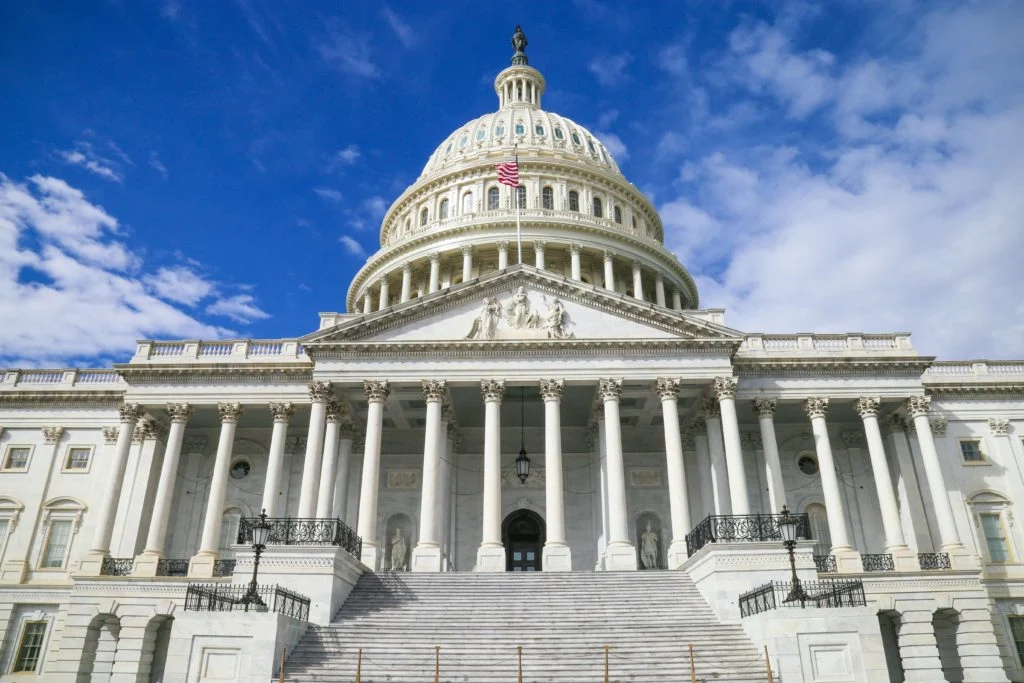
When the official FY2025 budget was transmitted to Capitol Hill, it translated the rhetorical commitments of the State of the Union into concrete funding proposals. For early childhood advocates, the inclusion of dedicated streams for infant mental health and maternal care confirmed that the administration had listened closely to the child development community. The release immediately shifted the political landscape, moving the debate from whether the federal government should invest in babies to how Congress will choose to fund these vital programs.
Supporting Data: The Urgent Case for Early Childhood Investments
To understand why advocacy groups view the FY2025 budget as a watershed moment, one must examine the stark data defining the current landscape of early childhood in America. Decades of neuroscience and developmental psychology research confirm that the human brain develops faster from birth to age three than at any other subsequent stage of life. During this critical window, a child’s experiences—both positive and negative—shape the neural pathways that dictate lifelong learning, behavior, and health.
Despite this biological reality, systemic supports in the United States have historically lagged behind peer nations:
- The Child Care Crisis: Millions of families live in child care deserts, where infant care is either entirely unavailable or financially prohibitive, often rivaling the cost of in-state college tuition.
- The Maternal Health Crisis: The United States continues to experience unacceptably high rates of maternal mortality and morbidity, with stark racial and socioeconomic disparities that directly impact infant developmental outcomes from birth.
- Mental Health Gaps: Rates of postpartum depression and anxiety among new parents remain high, which can disrupt the crucial caregiver-infant bonding process essential for healthy social-emotional development.
- Economic Vulnerability: Infant and toddler households experience poverty at disproportionately high rates compared to other age groups, leaving millions exposed to toxic stress that can permanently impair cognitive development.
The proposed investments in the FY2025 budget are directly calibrated to address these vulnerabilities, targeting federal resources precisely where the science says they matter most.
Official Responses: Voices from the Frontlines of Advocacy
The reception of the budget among child advocacy organizations has been overwhelmingly positive, though tempered by the reality of a divided Congress.

In an official statement responding to the budget release, Miriam Calderón, Chief Policy Officer at ZERO TO THREE, underscored the profound implications of the administration’s proposals.
"If implemented, President Biden’s budget released today will make our nation a better and fairer nation to have and raise a baby," Calderón stated. "ZERO TO THREE has urged Congress and the Administration to prioritize the needs of babies and their families in five key areas: maternal health, infant and early childhood mental health, child care, housing, and economic security."
Calderón further noted how the budget builds upon the administration’s broader messaging:
"In last week’s State of the Union address, the President laid out a path toward a future where families are empowered and have choices about their baby’s future. This proposed budget expands on this vision with proposals that address all facets of young children’s development."
However, advocacy leaders are under no illusions about the legislative battles ahead. With fiscal hawks in Congress scrutinizing federal expenditures, turning a presidential budget proposal into enacted law will require intense bipartisan negotiation.
"Now, Congress must work with the Administration to deliver for families and babies," Calderón urged. "We look forward to working with Congressional appropriators and our baby champions on the Hill to make these bold proposals a reality."
Implications: What the FY2025 Budget Means for the Future
The debate over the President’s FY2025 budget carries profound implications for the social and economic trajectory of the United States. If Congress adopts the proposed funding levels and structural reforms, the reverberations will be felt across multiple sectors of society for generations.

1. Economic Productivity and Workforce Participation
By addressing the child care crisis and expanding support for working families, the budget directly addresses a major bottleneck in the American labor force. When parents—particularly mothers—have access to reliable, affordable infant care, they are better able to re-enter or remain in the workforce. This stabilizes household incomes, reduces employer turnover, and bolsters macroeconomic productivity.
2. Long-Term Healthcare Savings
Preventative investments in maternal health and infant mental health pay substantial dividends down the road. Intervening early to support healthy parent-infant bonding and reduce maternal complications mitigates chronic health conditions, behavioral challenges, and educational hurdles later in life. In the long run, this reduces the burden on public healthcare, special education, and social welfare systems.
3. Fulfilling a Moral Obligation
Beyond the economic and clinical arguments, advocates maintain that robust early childhood investments reflect the fundamental values of a compassionate society. As ZERO TO THREE frequently emphasizes, a society is judged by how it cares for its most vulnerable members. Infants and toddlers, lacking a political constituency or voting power of their own, rely entirely on adults to advocate for their interests in the halls of power.
Looking Ahead: The Road Through Congress
The release of the President’s budget is merely the opening salvo in the annual federal appropriations process. Over the coming months, House and Senate committees will hold hearings, debate spending caps, and draft their own versions of funding bills.
For the vision outlined in the FY2025 budget to become a reality, child advocates, community leaders, and concerned citizens must maintain pressure on lawmakers. The message from ZERO TO THREE and its coalition partners is clear: investing in babies is not a partisan issue; it is a foundational investment in the future of the nation.
As negotiations unfold on Capitol Hill, the fate of millions of infants hangs in the balance. Whether Congress rises to the occasion to enact these historic proposals will determine if the United States can finally build a system that honors, protects, and uplifts its youngest citizens from day one.