
Empowering the Earliest Years: Inside the ZERO TO THREE Early Childhood Resource Center Movement
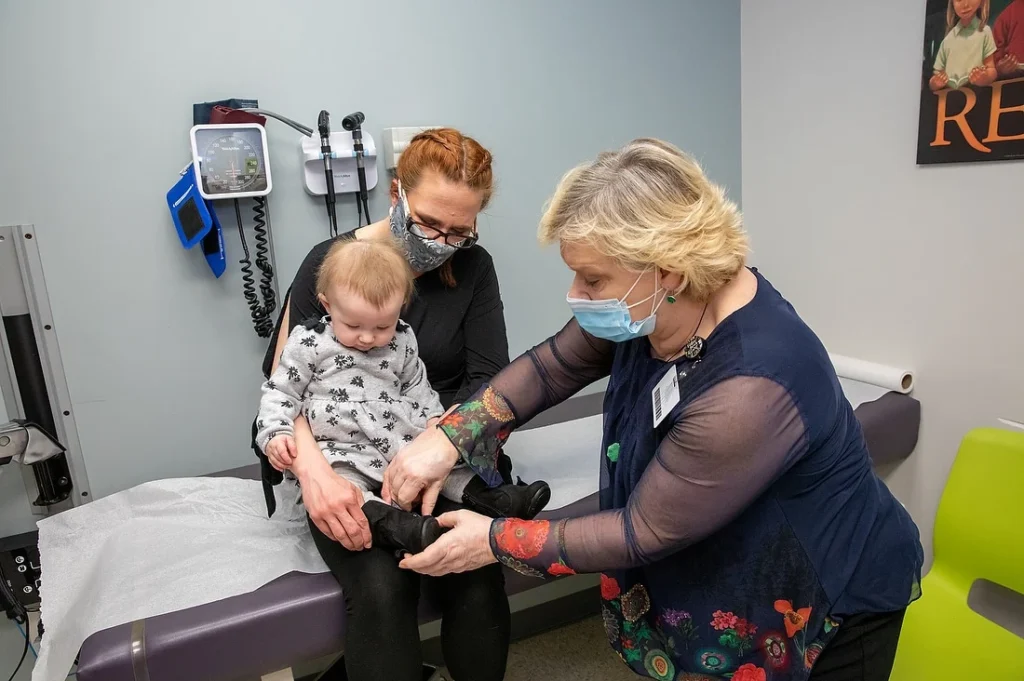
WASHINGTON — For more than four decades, the national discourse surrounding early childhood development has been anchored by a singular, guiding premise: the connections formed in a child’s first three years of life last a lifetime. At the forefront of this movement is the ZERO TO THREE Early Childhood Resource Center, a comprehensive advocacy, educational, and professional hub designed to give babies, toddlers, and their families the absolute best start in life.
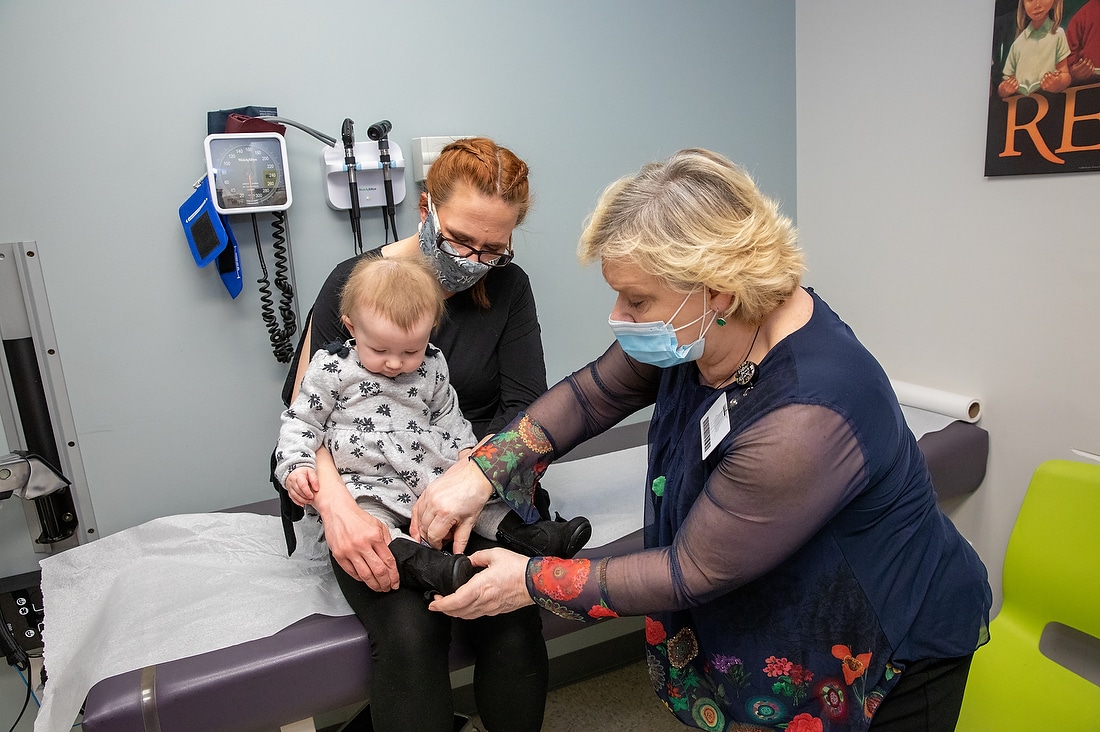
With a library boasting nearly 2,300 curated resources, the organization has evolved into an indispensable one-stop platform for parents, researchers, educators, policymakers, and mental health professionals alike. By synthesizing complex developmental science into actionable tools—ranging from free early literacy and STEM curricula to deep dives into infant mental health and the impacts of emerging technology—ZERO TO THREE continues to shape how society understands, protects, and nurtures its youngest citizens.

Main Facts: The Blueprint of Early Childhood Support
At its core, the ZERO TO THREE Resource Center addresses a critical window of human development. Backed by over forty years of dedicated research and frontline advocacy, the organization recognizes that a child’s brain develops at an unprecedented rate between birth and age three, making this period both the most pivotal and the most vulnerable stage of life.

The resource center operates as a dynamic, user-friendly digital ecosystem categorized to serve a diverse audience:

- Professional Development: Curated webinars, workshops, and cross-disciplinary conferences tailored for early childhood educators and specialists.
- Practical Teaching Tools: Comprehensive classroom guides, reading materials, and play-based learning frameworks.
- Specialized Demographics: Targeted support frameworks addressing vulnerable populations, including military families and children involved in the child welfare system.
- Advocacy Toolkits: Issue-based policy guides designed to mobilize communities and champion systemic reform.
- Community Efficiency Programs: Structured initiatives that empower local professionals to streamline and elevate family services.
Among its most widely utilized offerings are free, play-based curricula such as Word Wonders (an early language and literacy guide) and Problem Solvers (a preschool STEM initiative), alongside cutting-edge publications addressing modern challenges like artificial intelligence literacy in preschoolers and early childhood mental health.

Chronology: Four Decades of Advocacy and Adaptation
The journey of ZERO TO THREE reflects the broader evolution of developmental psychology, public policy, and digital accessibility over the last forty years.

- The Formative Decades (The 1980s–1990s): Founded by a multidisciplinary group of pioneers in infant health, mental health, and developmental psychology, the organization initially set out to establish infant mental health as a legitimate and critical field of study. During this era, the focus centered on defining early attachment styles and educating pediatricians, social workers, and parents on the importance of responsive caregiving.
- The Turn of the Century and Brain Science Integration (2000s–2010s): As neuroimaging technology advanced, science began to definitively map early brain development, proving that environmental stress, trauma, and maternal mental health physically alter a baby’s developing neural pathways. ZERO TO THREE translated these complex scientific breakthroughs into accessible formats, introducing foundational guides such as early brain development maps to educators and policymakers.
- The Digital Shift and Modern Challenges (2020s–Present): Facing unprecedented modern societal shifts—including the COVID-19 pandemic, a national child care affordability crisis, and the rapid rise of artificial intelligence—the organization modernized its digital footprint. The launch of the expansive online Resource Center brought thousands of multimedia assets, searchable databases, and virtual professional networks under one roof. Recent publications have pushed the envelope further, tackling contemporary dilemmas such as how toddlers process digital audio interfaces and what preschoolers understand about AI.
Supporting Data: The High Stakes of the First Three Years
The urgency behind ZERO TO THREE’s mission is underscored by mounting developmental and economic data concerning early childhood:

- Neural Development: Neurological research demonstrates that a baby’s brain forms more than one million new neural connections every second during the first few years of life—a rate of growth never repeated later in life.
- The Trauma Factor: Studies consistently show that toxic stress and trauma experienced between ages 0 and 3 can disrupt foundational brain architecture, heightening long-term risks for physical and mental health issues.
- The Child Care Crisis: Economic data highlighted by the organization reveals that infant-toddler care has become one of the most significant financial burdens for American families. With quality care remaining economically out of reach for millions, the ripple effects are felt across the workforce, deeply impacting maternal employment and family stability.
- The Educator Disconnect: Despite the proven, high-stakes value of early childhood education, early educators face systemic undervaluation and inadequate compensation, driving high turnover rates within a sector that demands specialized emotional and cognitive expertise.
Official Responses: Perspectives from the Frontlines of Child Development
Experts and advocates associated with ZERO TO THREE emphasize that addressing these challenges requires a coordinated, cross-sector response.

"We have long known that babies do not arrive in the world as blank slates; they are active learners, emotional beings, and responsive partners from day one," notes a senior developmental researcher affiliated with the organization. "When we provide parents and educators with the right tools—whether it’s a free literacy curriculum or a better understanding of attachment styles—we are laying down a preventative health measure for society."

Advocacy groups have also heavily praised ZERO TO THREE’s policy toolkits, which provide actionable steps for community leaders to lobby for equitable funding.

"The conversation around early childhood education can no longer be framed simply as ‘babysitting,’" states a prominent early childhood advocate. "It is an economic imperative and a civil rights issue. When ZERO TO THREE breaks down complex topics—like maternal mental health links to prenatal brain development or the true cost drivers of quality child care—they give advocates the empirical ammunition needed to demand systemic change."

Implications: Building a Sustainable Future for Families and Educators
The implications of the ZERO TO THREE Resource Center extend far beyond individual classrooms or living rooms. By offering a centralized repository of nearly 2,300 resources, the platform bridges the gap between high-level academic research and everyday parenting and teaching practices.

- Equipping the Modern Workforce: As early childhood educators navigate post-pandemic learning gaps and rapid technological integrations (such as AI and smart devices in the home), structured resources provide a much-needed roadmap. Programs that champion better compensation and professional recognition for early educators are vital to stabilizing the workforce.
- Policy and Systemic Reform: Armed with robust issue-based toolkits and statistical breakdowns, local advocates are better positioned to push for legislative investments in maternal health, subsidized child care, and trauma-informed social services.
- Empowering Communities: Through membership programs, discounted publications, and dynamic networking events, ZERO TO THREE fosters a collaborative culture where professionals can share best practices across disciplines.
Ultimately, the message of the ZERO TO THREE Early Childhood Resource Center remains clear and urgent: investing in the first three years of life is not merely an educational strategy, but the most effective investment a society can make in its collective future. As the organization invites families, professionals, and "Baby Champions" to explore its continuously expanding library, the path forward relies on ensuring that every child is given the secure attachments, healthy environments, and robust learning opportunities they need to thrive.