Empowering the Earliest Years: Inside the ZERO TO THREE Early Childhood Resource Center and Its Four-Decade Mission
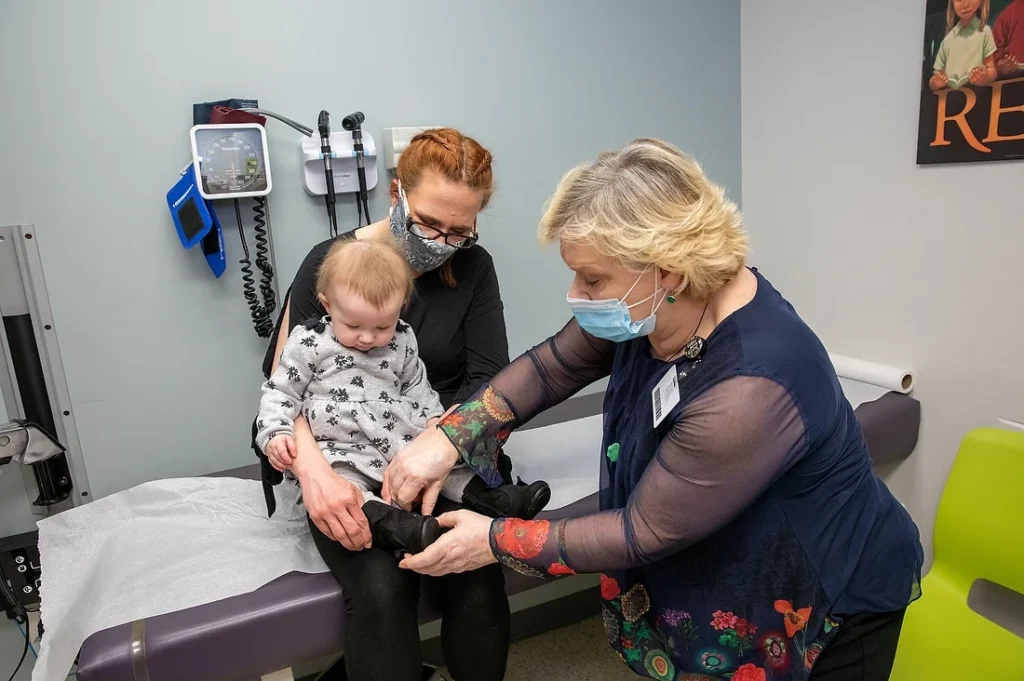
For over forty years, a quiet revolution has been taking place in the realm of infant and toddler development. At the heart of this movement is ZERO TO THREE, a national advocacy and resource organization dedicated to ensuring that babies and toddlers get the strongest possible start in life. Operating on the foundational premise that early connections last a lifetime, the organization has spent more than four decades championing the mental health, cognitive growth, and overall well-being of young children.
Today, the ZERO TO THREE Early Childhood Resource Center serves as an expansive, digital-first powerhouse. Housing over 2,000 curated resources, toolkits, and curricula, the platform has become an indispensable ecosystem for families, educators, pediatricians, policymakers, and child welfare professionals alike.
Main Facts: The Anatomy of a Comprehensive Resource Hub
The scope of the ZERO TO THREE Resource Center is vast, reflecting the multifaceted nature of early childhood development. Designed with user accessibility in mind, the platform allows stakeholders to filter through thousands of assets, narrowing searches by issue areas, target audience, age range, and professional competency.
At its core, the center addresses critical pillars of early childhood development:

- Early Literacy and STEM Curricula: Free, play-based educational frameworks such as Word Wonders (early language and literacy) and Problem Solvers (early STEM concepts).
- Cutting-Edge Developmental Research: Deep dives into emergent topics, including the impact of artificial intelligence on preschoolers and digital media consumption guidelines (ScreenSense).
- Mental Health and Trauma-Informed Care: Specialized guidance on identifying mental health challenges in children aged 0–3, understanding infant attachment styles, and assessing the neurological impacts of early trauma.
- Systemic Advocacy and Policy: Issue-based toolkits that empower advocates to champion policies supporting babies, families, and early childhood educators.
By bridging the gap between clinical research and everyday parenting or teaching practices, ZERO TO THREE translates complex neuroscience into actionable, compassionate advice.
Chronology: Four Decades of Advocacy and Evolution
To understand the weight and authority of the ZERO TO THREE Resource Center, one must look back at its historical trajectory and how it has adapted to the shifting landscape of childhood.

The Foundation Years (1980s)
ZERO TO THREE was established to address a glaring oversight in public policy and healthcare: the mental health and emotional development of infants and toddlers. Long before modern neuroscience confirmed the rapid pace of infant brain development, early pioneers recognized that the first three years of life represent a critical window of vulnerability and opportunity. The organization began as a small collaborative of multidisciplinary experts—including pediatricians, child psychiatrists, and educators—pooling knowledge to define the parameters of infant mental health.
The Digital Transformation and Expansion (2000s–2010s)
As the internet reshaped how professionals and parents sought information, ZERO TO THREE evolved from publishing physical texts and hosting localized seminars into a robust digital publisher. The organization expanded its focus to target diverse demographics, developing specialized resources for military families navigating deployments, children within the child welfare system, and parents facing economic hardships.

The Modern Era: Navigating AI, Mental Health, and Systemic Crises (2020s–Present)
In recent years, the organization has tackled unprecedented societal shifts. The COVID-19 pandemic laid bare the fragility of the nation’s child care infrastructure, prompting ZERO TO THREE to launch major advocacy initiatives focused on child care affordability and educator compensation. Concurrently, as technology permeated every facet of modern life, the organization pioneered resources addressing the intersection of artificial intelligence, screen time, and very young children, proving its commitment to staying ahead of the curve.
Supporting Data: The Science and Economics of the First Three Years
The urgency driving ZERO TO THREE’s initiatives is backed by staggering developmental science and socio-economic data.

- The Architecture of the Brain: According to developmental statistics championed by the organization, a baby’s brain reaches 90% of its adult size by age five, with the first three years marking the most active period of neural connection formation. During this window, experiences and relationships directly shape brain architecture.
- The Cost of Care: Economic data highlighted by the organization reveals that infant-toddler care remains one of the greatest household budget pressures in the United States. High operational costs, coupled with inadequate public subsidies, have created an affordability crisis for parents and a compensation crisis for educators.
- The Educator Workforce: Research distributed through the center underscores a glaring disconnect: despite early educators holding the immense responsibility of molding foundational brain development, they frequently face low compensation, lack of benefits, and professional undervaluation—factors that directly contribute to high turnover rates in child care centers nationwide.
- The Prevalence of Early Trauma: Data compiled by child health experts indicates that infants and toddlers can and do suffer from mental health disorders resulting from trauma, neglect, or chronic stress. Left unaddressed, these issues alter neural pathways, leading to lifelong behavioral, emotional, and physical health challenges.
Official Responses and Expert Perspectives
Stakeholders across the healthcare, education, and policymaking sectors frequently point to ZERO TO THREE as a gold standard for translating developmental research into practical applications.
Child psychologists and developmental pediatricians emphasize that resources like The Baby Brain Map and the organization’s guides on attachment styles have transformed clinical interactions. Instead of treating developmental milestones as isolated events, practitioners now look at the holistic relational health between an infant and their primary caregivers.

Furthermore, early childhood educators who have utilized curricula like Word Wonders and Problem Solvers report a paradigm shift in how they approach preschool education. By embedding literacy and STEM concepts into everyday play—such as singing, storytelling, and tactile exploration—educators can foster complex cognitive skills without resorting to rigid, developmentally inappropriate instruction.
On the policy front, advocacy toolkits provided by the center have been utilized by grassroots coalitions to lobby for increased federal and state funding for infant-toddler care. Leaders in the field consistently argue that robust investments in early childhood are not merely social welfare programs, but essential economic investments that yield high returns in workforce productivity and public health down the line.

Implications: Building a Sustainable Future for Families and Educators
The implications of the work done by the ZERO TO THREE Early Childhood Resource Center extend far beyond individual classrooms or living rooms; they touch upon the structural health of society.
For Parents and Caregivers
For families navigating the overwhelming landscape of early parenthood, the resource center acts as a reliable anchor. In an era plagued by conflicting online advice and misinformation, evidence-based platforms provide parents with the confidence to navigate modern challenges—ranging from understanding a toddler’s emotional outbursts to guiding children safely through an increasingly digital and AI-driven world.

For Early Childhood Professionals
For teachers, social workers, and infant mental health specialists, the platform offers continuous professional development. By keeping professionals informed of the latest methodologies, trauma-informed care practices, and policy shifts, ZERO TO THREE helps elevate the entire early childhood workforce, fostering a community of practice that spans disciplines and geographies.
For Policymakers and Society
Ultimately, the data and advocacy toolkits housed within the resource center serve as a persistent call to action. They challenge lawmakers to confront systemic failures, such as the exorbitant cost of child care and the underpayment of educators. By framing quality child care and maternal mental health as fundamental human rights rather than market luxuries, ZERO TO THREE helps chart a course toward a society that truly values its youngest citizens.

Exploring the Resource Center Today
For those wishing to engage with this wealth of knowledge, the ZERO TO THREE online portal remains fully accessible. Users can browse thousands of titles, explore specialized issue areas, browse the online bookstore, or register for upcoming professional development conferences and events.
For dedicated advocates and professionals looking to deepen their engagement, options to become a ZERO TO THREE member or join the movement as a "Baby Champion" offer opportunities to drive lasting systemic change.

As the organization moves into its fifth decade of advocacy, its core message remains unchanging: what happens in the first three years lasts a lifetime. Through education, research, and unwavering advocacy, ZERO TO THREE ensures that every child is given the opportunity to thrive.