President Biden’s Fiscal Year 2025 Budget Marks a Watershed Moment for Early Childhood Development, Advocates Declare
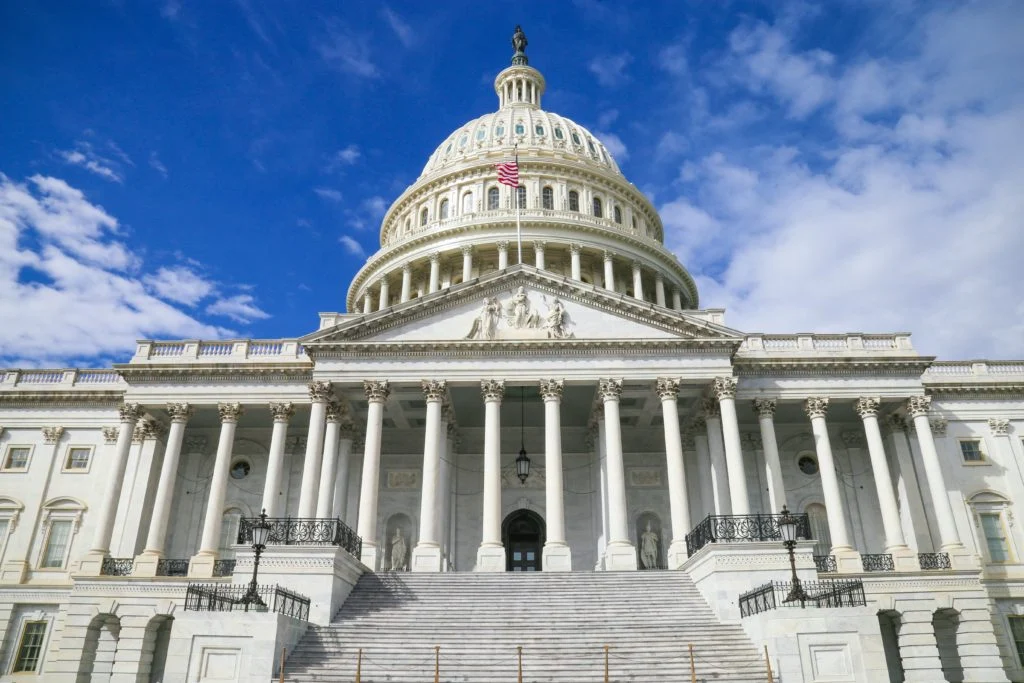
WASHINGTON, D.C. — In a strong policy endorsement for the nation’s youngest population, the leading early childhood development nonprofit ZERO TO THREE has enthusiastically praised President Joe Biden’s proposed fiscal year 2025 federal budget. Organization leaders argue that the newly released spending blueprint delivers essential, long-overdue investments designed to provide every infant and toddler with a stable foundation for a healthy life.
For decades, child development experts, economists, and pediatricians have emphasized that the first three years of life represent a critical window of rapid brain development. Experiences, relationships, and environments during this timeframe profoundly shape a child’s cognitive, emotional, and physical trajectory into adulthood. Yet, the United States has historically lagged behind peer industrialized nations in public investments dedicated to prenatal care, infant mental health, paid family leave, and affordable early learning.
With the unveiling of the Fiscal Year 2025 budget, the Biden Administration has signaled a distinct policy pivot, aligning federal spending priorities directly with the well-being of babies and their caregivers. ZERO TO THREE and allied child advocacy groups are now rallying behind the proposal, calling on Congress to convert these ambitious budget lines into legislative reality.
Main Facts: What the Fiscal Year 2025 Budget Entails for Families
President Biden’s fiscal year 2025 budget proposal introduces a comprehensive suite of cross-agency investments intended to alleviate financial pressures on working parents while directly enriching the developmental ecosystems of infants and toddlers.
At its core, the budget approaches early childhood development not as an isolated policy sector, but as an interconnected web of social determinants of health and economic security. Key pillars of the package target the five core benchmarks historically championed by ZERO TO THREE:
- Maternal Health: Enhancing prenatal and postpartum care access, addressing the crisis of maternal mortality—particularly among women of color—and expanding postpartum Medicaid coverage across states.
- Infant and Early Childhood Mental Health: Funding specialized therapeutic and developmental support services tailored to the unique emotional needs of babies and their primary caregivers.
- Child Care: Allocating significant funding to expand access to high-quality, affordable infant and toddler care, addressing both provider shortages and crippling tuition costs for families.
- Housing Stability: Supporting low-income families with young children through targeted housing vouchers and homeless prevention initiatives, acknowledging that housing insecurity directly disrupts infant brain development.
- Economic Security: Reinforcing safety net programs, including ongoing advocacy for enhanced tax credits that keep families out of deep poverty during their children’s formative years.
According to administration estimates, these collective measures would dramatically lower the cost of living for middle-class and low-income families, ensuring that economic hardship does not dictate a child’s developmental potential.
Chronology: From the State of the Union to Budget Release
The path toward the fiscal year 2025 budget’s child-centric framework has evolved through a deliberate series of legislative and executive milestones over the past several years:
- Early 2023: Following previous iterations of pandemic-era safety net expirations, child care advocates warn of an impending "child care cliff" as federal stabilization funds dry up, threatening thousands of infant and toddler classrooms nationwide.
- September 2023: ZERO TO THREE releases its annual State of the Babies yearbook, highlighting persistent geographic disparities in maternal health, economic security, and infant wellbeing across all 50 states and Washington, D.C.
- March 7, 2024: President Joe Biden delivers the State of the Union address before a joint session of Congress. During the speech, he explicitly highlights the economic struggles of young families, emphasizing the necessity of lower child care costs, expanded paid leave, and robust maternal health investments.
- Mid-March 2024: The White House officially releases the comprehensive Fiscal Year 2025 Budget blueprint. The document operationalizes the themes of the State of the Union, translating broad rhetoric into specific funding requests across the Departments of Health and Human Services (HHS), Education, and Housing and Urban Development (HUD).
- March 2024 and Beyond: Advocacy organizations, led by ZERO TO THREE, launch coordinated campaigns on Capitol Hill to educate lawmakers, secure bipartisan support where possible, and urge congressional appropriators to shield these infant and family investments during the upcoming federal budget negotiations.
Supporting Data: Why Early Childhood Investments Matter
The urgency behind the fiscal year 2025 budget recommendations is rooted in an overwhelming body of neuroscientific and economic research. During the first 1,000 days of life, a child’s brain forms more than one million new neural connections every second. This explosive period of growth is heavily dependent on "serve and return" interactions between infants and their caregivers. However, chronic toxic stress—driven by poverty, housing instability, untreated maternal depression, or community violence—can chemically alter developing neural pathways, leading to lifelong health and learning challenges.
Economic studies consistently demonstrate that investments in early childhood yield staggering societal returns. Nobel laureate economist James Heckman’s foundational research shows that high-quality early childhood education and family support programs generate a return on investment of up to 13% per year through better educational outcomes, higher adult earnings, reduced reliance on social safety nets, and lower rates of incarceration.
Despite these proven returns, American families face severe systemic barriers:
- The Infant Care Crisis: Infant care is notoriously more expensive and scarcer than preschool or school-age care, as lower adult-to-child ratios are legally and developmentally required for babies. Many infant care programs cost more than in-state tuition at public universities.
- The Maternal Mortality Epidemic: The United States continues to experience the highest maternal mortality rate among developed nations, with Black, American Indian, and Alaska Native mothers facing maternal mortality rates two to three times higher than white mothers.
- Housing and Poverty Pressures: Millions of infants in the U.S. live in families experiencing low income or housing instability, severely compromising their foundational health and developmental milestones.
The fiscal year 2025 budget attempts to directly counteract these alarming metrics by injecting federal resources where they are most critically needed.
Official Responses: Voices from the Advocacy Frontlines
The release of the budget has drawn swift reactions from national policy experts, congressional champions, and child advocates who view the proposals as a moral and economic imperative.

Miriam Calderón, Chief Policy Officer at ZERO TO THREE, issued a passionate endorsement immediately following the budget’s release:
"If implemented, President Biden’s budget released today will make our nation a better and fairer nation to have and raise a baby. ZERO TO THREE has urged Congress and the Administration to prioritize the needs of babies and their families in five key areas: maternal health, infant and early childhood mental health, child care, housing and economic security. And, in last week’s State of the Union address, the President laid out a path toward a future where families are empowered and have choices about their baby’s future. This proposed budget expands on this vision with proposals that address all facets of young children’s development."
Calderón emphasized that while the executive branch has set a visionary standard, the ultimate responsibility now shifts to the legislative branch:
"Now, Congress must work with the Administration to deliver for families and babies. We look forward to working with Congressional appropriators and our baby champions on the Hill to make these bold proposals a reality."
Media representatives for ZERO TO THREE, including Joe Weedon, have coordinated briefings with congressional aides and media outlets to dissect the specific line items within the budget, highlighting how targeted federal dollars can transform community health centers, child care networks, and state-level family support systems.
Implications: The Road Ahead in Congress
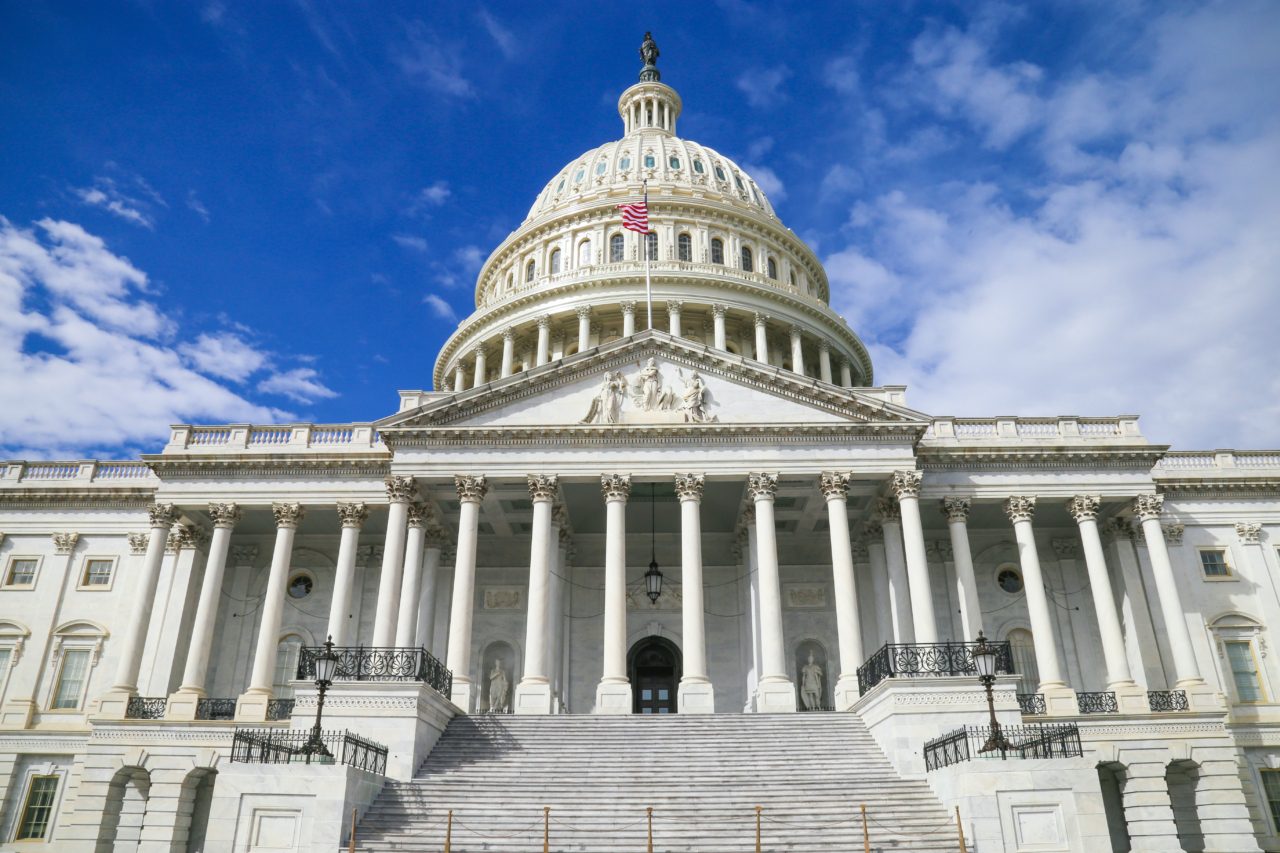
While the President’s fiscal year 2025 budget serves as a powerful statement of national priorities, the legislative battle has only just begun. Operating within a tightly divided Congress, the administration’s proposals face significant scrutiny from fiscal conservatives concerned about overall federal spending levels and the national deficit.

The road to final appropriations will require intensive negotiation between the House of Representatives and the Senate. Child advocates face the ongoing challenge of framing early childhood investments not as partisan line items, but as essential bipartisan investments in the nation’s future workforce and economic competitiveness.
Historically, early childhood initiatives—such as the Child Care and Development Block Grant (CCDBG) and Head Start—have enjoyed bipartisan backing, albeit often at funding levels below what advocates deem sufficient to meet national demand. Proponents of the fiscal year 2025 budget are betting that growing public awareness of the child care crisis and maternal health epidemic will compel lawmakers across the aisle to protect and expand these vital programs.
As the appropriations committees begin drafting funding bills for the upcoming fiscal year, organizations like ZERO TO THREE, alongside pediatricians, educators, and parents, remain mobilized. Their message to Capitol Hill remains unequivocal: babies cannot vote, lobby, or wait. The choices made by lawmakers during this budget cycle will permanently echo in the health, happiness, and potential of the next generation of American citizens.