Rethinking Educational Assessment: How Performance Tasks Bridge the Gap Between Knowing and Doing in the Modern Classroom
WASHINGTON — In an era of high-stakes testing and intense scrutiny over academic outcomes, modern education faces a paradox. Students can routinely memorize formulas, regurgitate historical dates, and pass end-of-unit written examinations with flying colors. Yet, when placed in real-world scenarios requiring them to synthesize that knowledge, solve ambiguous problems, or adapt to shifting variables, many struggle.
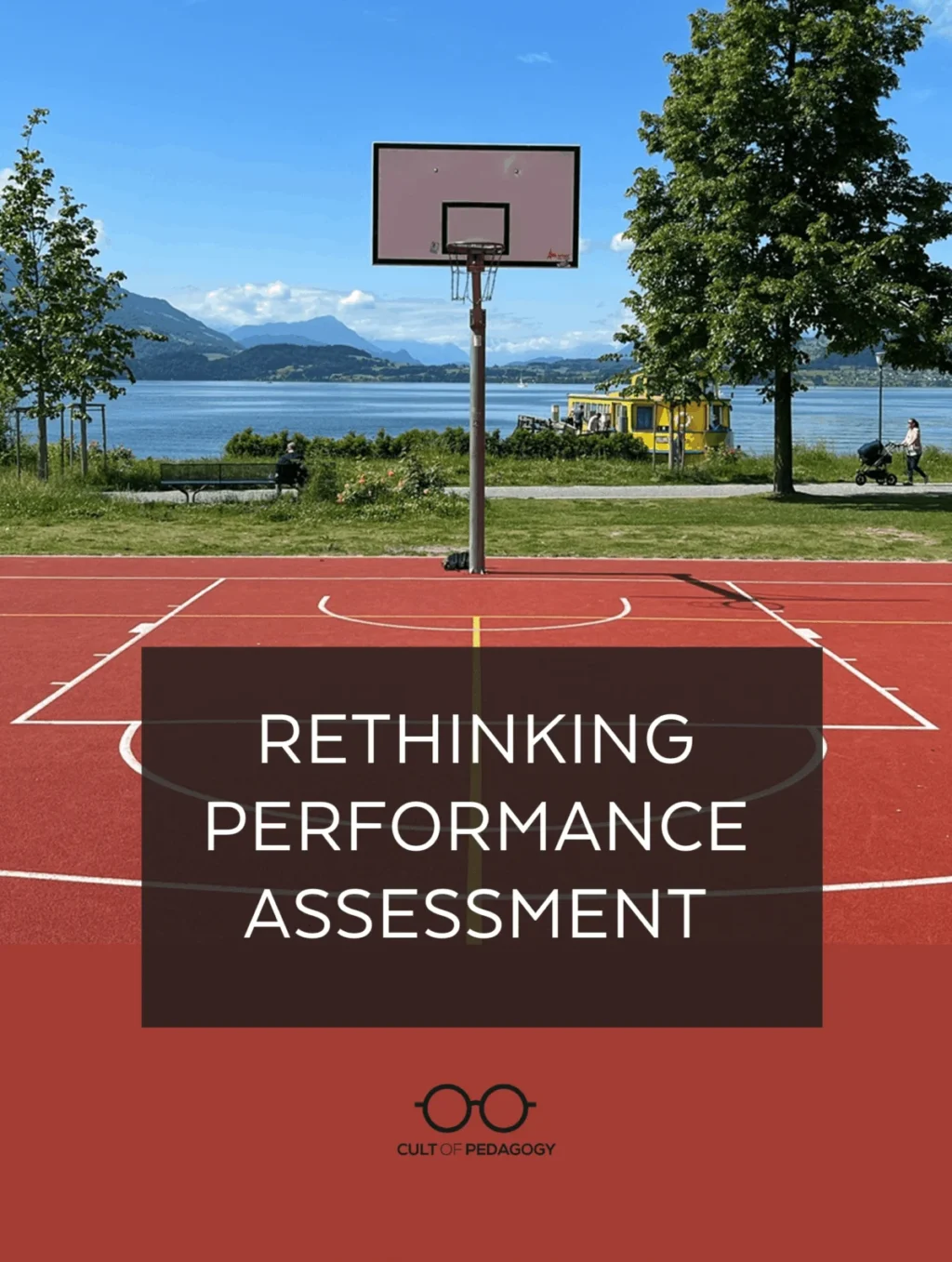
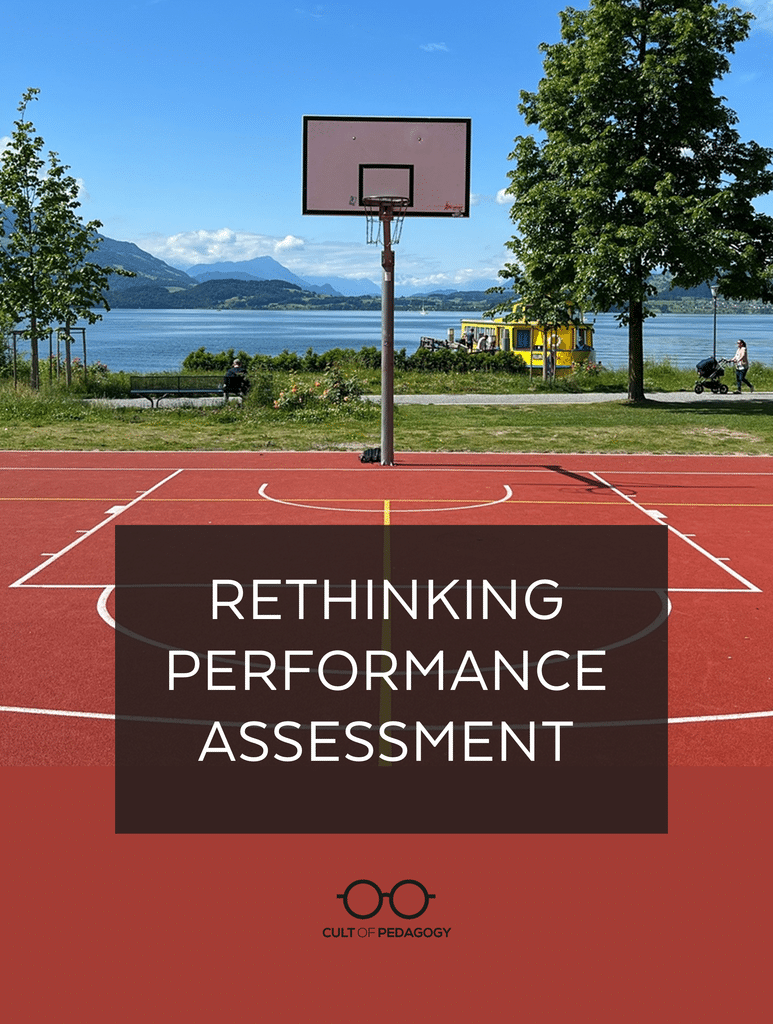
Education experts argue that the traditional paradigm of education—focusing heavily on isolated drills and multiple-choice testing—mirrors a hypothetical sports coach who spends an entire season drilling players on passing and dribbling, only to administer a written exam on basketball theory without ever letting them play an actual game.
To bridge this critical divide between rote memorization and practical application, educators are increasingly turning to a powerful pedagogical tool: authentic performance tasks. Championed by curriculum design pioneer Jay McTighe—co-author of the landmark book Understanding by Design—performance tasks are shifting how classrooms measure true student comprehension. In his latest work, Designing Authentic Performance Tasks and Projects, co-authored with Kristina Doubet and Eric Carbaugh, McTighe outlines a blueprint for meaningful learning that moves beyond the traditional testing playbook.
Main Facts: The Core Philosophy of Performance Tasks
At its foundational level, a performance task is an assignment where students demonstrate their learning by actively doing something with it—designing a tangible solution, crafting a policy proposal, or creating a product for a genuine audience.
Unlike traditional assessments that evaluate a student’s capacity for recall at the conclusion of a teaching unit, McTighe advocates for embedding performance tasks directly into the curriculum from day one. He prefers the term "performance tasks" over "performance assessments" to dismantle the misconception that these projects are merely an afterthought added at the end of a grading period.
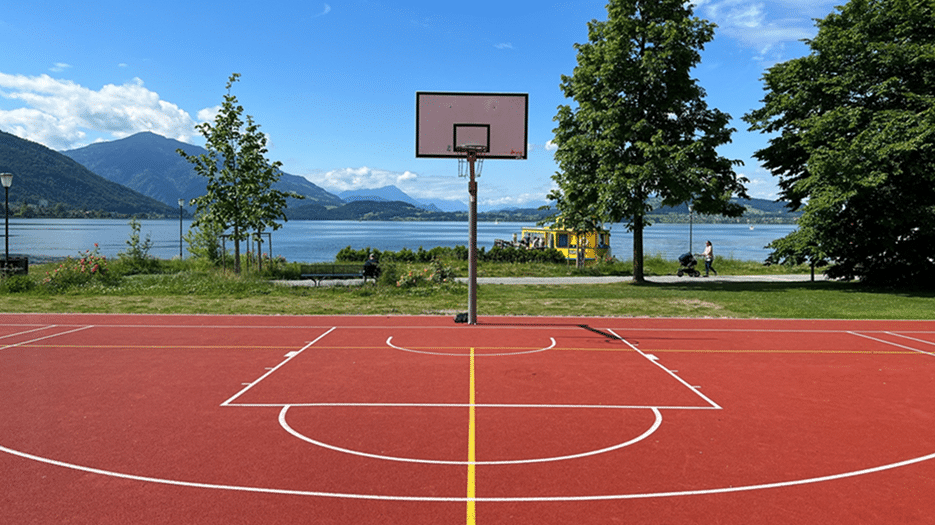
"Our job is not to cover the playbook," McTighe notes. "The playbook is a resource. The game is what we’re preparing for."
Key elements that distinguish a high-quality performance task from a traditional project include:
- Application over Recall: Students must use what they have learned to address a complex challenge.
- Explanation and Justification: Learners cannot simply state an answer; they must defend their methodologies and choices.
- Authenticity: The tasks place students in realistic, simulated scenarios mirroring professional environments.
- Open-Endedness: There is rarely a single "correct" answer, allowing for diverse pathways to success.
Chronology: The Evolution of "Backward Design"
The movement toward performance tasks did not emerge overnight; it is the culmination of decades of pedagogical research aimed at reforming top-down, content-heavy schooling structures.
Phase 1: The Rote Memorization Era (Late 20th Century)
For decades, American schooling relied heavily on the "industrial model" of education. Curricula prioritized broad content coverage. Teachers focused on transmitting facts, and standardized tests evaluated how much information students could retain in short bursts.
Phase 2: The Introduction of Backward Design (1998)
The landscape shifted with the publication of Understanding by Design by Jay McTighe and the late Grant Wiggins. They introduced "Backward Design"—a framework where educators begin lesson planning by first identifying the desired results (what students should understand and be able to do), determining acceptable evidence of learning (assessments), and then planning the instructional activities and lessons.
Phase 3: The Practical Application Movement (Present Day)
Building on decades of implementation data, educators realized that backward design needed a more robust vehicle for assessing complex skills. This realization spurred McTighe, Doubet, and Carbaugh to focus explicitly on constructing authentic tasks. Today, schools nationwide are restructuring their pacing guides to prioritize performance-based learning, driven by the demand for 21st-century workforce competencies like critical thinking, communication, and adaptability.
Supporting Data and Real-World Examples
To illustrate how performance tasks function across diverse disciplines, McTighe highlights several scalable classroom models that demonstrate rigor without requiring months of instructional time.
1. History and Geography: The "State Tour"
- The Task: Students act as state tourism advisors tasked with designing a four-day itinerary highlighting their state’s history, geography, and economic assets.
- The Pedagogical Value: Rather than taking a multiple-choice quiz on state capitals, students apply geographical and economic concepts in a simulated professional context. McTighe recommends introducing this task at the absolute start of the unit so students actively filter their daily learning through the lens of crafting their tour.
2. Civics: The "Responsible Citizen" Proposal
- The Task: Students identify a tangible problem within their school or local community, formulate a viable solution, and deliver a persuasive pitch to an authority figure (such as a principal or city council member).
- The Pedagogical Value: This task taps into intrinsic student motivation through autonomy and real-world relevance. Learners choose issues they genuinely care about, applying civic knowledge while honing argumentative and rhetorical communication skills.
3. Mathematics: "Making the Grade"
- The Task: While studying measures of central tendency (mean, median, and mode), students analyze their own quarter grades to determine which statistical measure presents their academic performance in the most favorable light. They then write a formal note to their teacher defending their choice.
- The Pedagogical Value: This proves that performance tasks do not need to be massive, multi-week endeavors. By grounding abstract mathematical concepts in a personal, high-stakes scenario (their own report cards), students develop a deeper conceptual grasp of statistics rapidly.
Official Responses and Educator Guidance: The GRASPS Framework
Designing a performance task from scratch can intimidate even veteran educators. To simplify the process, McTighe and Grant Wiggins developed the GRASPS framework, which helps teachers build a realistic, engaging context for any learning objective:
- G – Goal: What is the specific challenge or problem the student must solve?
- R – Role: What professional role is the student assuming (e.g., historian, consultant, ecologist)?
- A – Audience: Who is the target audience for the student’s final product?
- S – Situation: What is the real-world context or scenario surrounding the challenge?
- P – Product: What tangible output or performance must the student create (e.g., a proposal, a blueprint, a documentary)?
- S – Standards: What criteria will be used to judge the success of the final output?
Avoiding Common Design Pitfalls
McTighe warns educators against three frequent missteps when implementing performance tasks:
- Making Tasks Too Voluminous: Teachers often assume performance tasks must span an entire grading period. In reality, short, high-impact tasks can yield just as much cognitive evidence.
- Assessing Superficial Polish: Rubrics must evaluate deep conceptual understanding rather than surface-level aesthetics (such as how neatly a poster is colored or how flashy a PowerPoint presentation looks).
- Neglecting Formative "Scrimmages": Just as a coach cannot throw athletes into a game without practice, teachers must provide low-stakes formative assessments—smaller practice tasks—where students can receive constructive feedback before attempting the final performance task.
Implications for the Future of Schooling
The widespread adoption of performance tasks carries profound implications for policy, curriculum development, and student equity.

Transforming Accountability Systems
Traditional standardized testing rewards passive recall, which often penalizes students who think divergently or possess strong applied problem-solving skills but struggle with standardized test formats. By integrating performance tasks into grading structures, schools can capture a more holistic view of student capability, including vital soft skills like collaboration, persistence, and creative problem-solving.
Preparing Students for the Modern Workforce
Employers across industries consistently report that recent graduates lack critical execution skills. They may understand theoretical concepts, but they struggle to work in teams, adapt to unstructured problems, or communicate complex ideas persuasively. Performance tasks directly target these gaps, training students to navigate ambiguity and execute projects responsibly.
As educational institutions continue to evaluate post-pandemic learning recovery, the shift away from rote memorization toward authentic performance tasks represents a vital evolution. By prioritizing the "game" of real-world application over the passive memorization of the "playbook," educators are empowering a generation of learners who do not just know things—they know what to do with what they know.