The Long Tail of Disruption: Why Pandemic Recovery Remains Elusive for America’s Schools
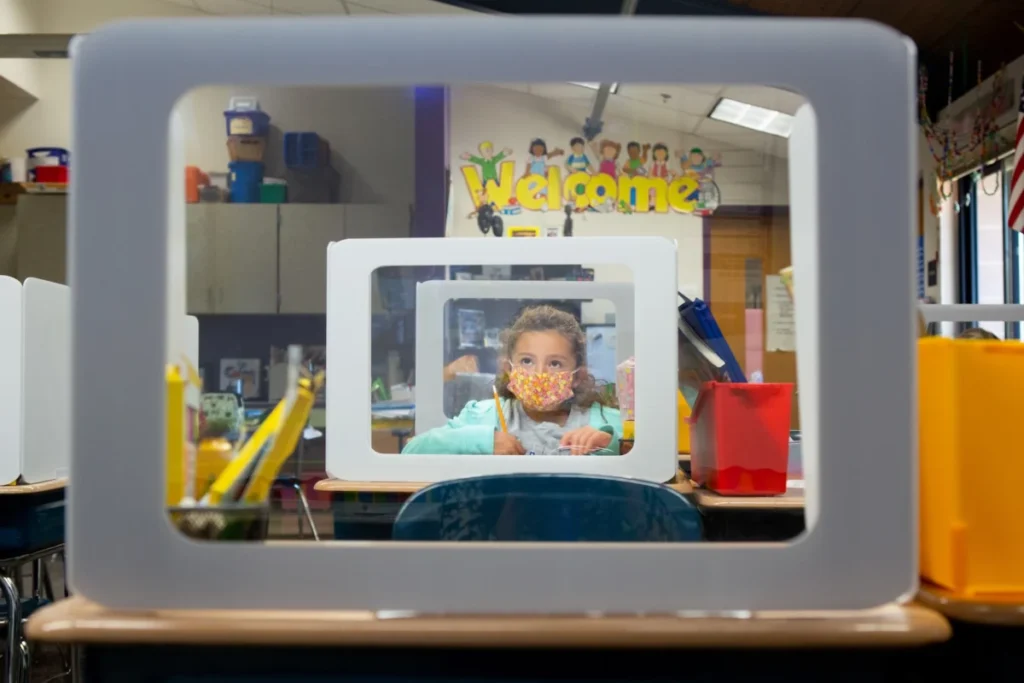
Four years after the global COVID-19 pandemic forced the sudden shuttering of classrooms across the United States, the American education system remains in a state of precarious instability. While the initial emergency phase of the crisis—defined by remote learning and rapid digital adoption—has long passed, the "long tail" of the pandemic continues to exert a profound influence on student achievement and attendance.
New data and research synthesized by the Center on Reinventing Public Education (CRPE) suggest that the systemic damage caused by the pandemic is not merely a memory; it is a persistent reality. As of the 2024-25 academic year, the promise of a "return to normal" has largely failed to materialize, leaving educators, policymakers, and families grappling with a complex, structural crisis that current interventions are struggling to address.
The State of Play: A Statistical Snapshot of Crisis
The metrics of student success tell a sobering story. Chronic absenteeism—defined as missing at least 10% of the school year—has become the defining challenge of the post-pandemic era. In the 2024-25 school year, approximately 23% of students were chronically absent, a significant escalation from the pre-pandemic baseline of 15%. Alarmingly, this trend is not confined to specific regions or demographics; data confirms that all 50 states have yet to return to pre-pandemic attendance levels.
The academic fallout is equally concerning. According to the National Assessment of Educational Progress (NAEP), often referred to as "The Nation’s Report Card," only 30% of fourth graders were reading at a proficient or advanced level in 2024, a decline from 32% in 2022. The data for eighth graders is perhaps even more distressing: 34% scored "below basic" in reading, marking the largest percentage in that category since NAEP began tracking reading performance 32 years ago.
These figures represent more than just numbers on a page; they reflect a widening chasm in the educational landscape, where the most vulnerable students are increasingly being left behind.
Chronology of a Recovery Interrupted
To understand the current impasse, one must look at the timeline of the recovery effort.
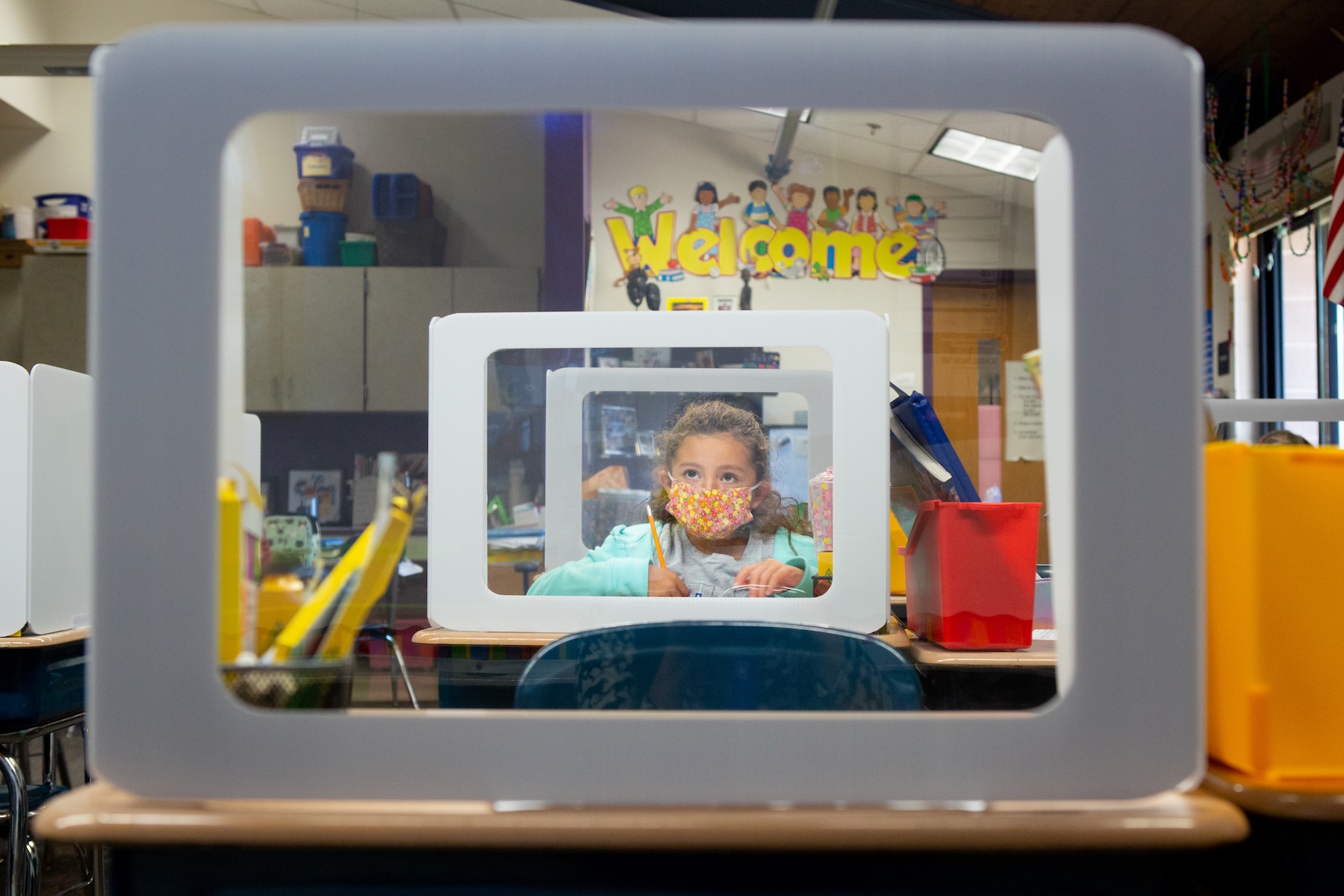
- 2020–2021: The emergency response period, characterized by school closures and the implementation of makeshift remote learning models.
- 2022: The return to in-person instruction, marked by initial optimism but followed by the realization of massive learning loss and social-emotional gaps.
- 2023: A period of massive, federally funded interventions. Districts utilized Elementary and Secondary School Emergency Relief (ESSER) funds to launch tutoring programs, summer schools, and attendance campaigns.
- 2024: The "Evidence Project" phase. As federal funding began to sunset, research initiatives—supported by the Walton Family Foundation—sought to identify what worked, what failed, and why the recovery has stalled.
The research conducted in 2024 reveals a critical disconnect: while many districts implemented recovery strategies, these efforts were often "too little, too late," or fundamentally mismatched to the specific, complex needs of the students they were meant to serve.
Supporting Data: Why Current Interventions Fall Short
The Evidence Project, which funded seven distinct research studies, highlights three primary reasons why recovery has proven so difficult.
1. The Inequality of Attendance
Recent data from the University of North Carolina indicates that while some attendance gains have been made, they are not distributed equitably. Improvements have primarily occurred in the middle of the attendance distribution, while the most chronically absent students remain disengaged. Factors such as housing instability, family caregiving responsibilities, and mental health crises have created barriers that standard school attendance policies—such as automated warning letters—cannot overcome.
2. The Data Infrastructure Gap
A recurring theme across the research is the lack of sophisticated data systems. Many districts are operating with fragmented platforms that do not communicate with one another. Attendance, academic, and behavioral data are often siloed. Without integrated systems, administrators are flying blind. They cannot identify "at-risk" students until they have already become chronically absent, nor can they measure the efficacy of specific interventions in real-time.
3. Misalignment of Strategy and Need
Research from the American Institutes for Research (AIR) in California revealed a startling paradox: the districts that experienced the most severe learning loss were not necessarily the ones that provided the most intensive support. Instead, the implementation of recovery strategies was often dictated by external labor market constraints rather than student need. Furthermore, USC research highlighted that students’ reasons for missing school are often non-academic; for example, teens who report poor mental health are twice as likely to be absent as their peers. Generic outreach programs that fail to address these underlying social-emotional drivers are destined to underperform.
Official Perspectives: The Role of Leadership
If there is a bright spot in this data, it is the role of leadership. The research consistently points to school principals and district superintendents as the "make or break" factor.
"The most effective schools were those where leaders used data to actively problem-solve rather than just observe the trends," notes the CRPE synthesis. In districts where progress has been sustained, leaders have prioritized the creation of a "culture of improvement." This involves not only the collection of data but the organizational capacity to interpret it and pivot strategies when they are not yielding results.
Advocacy for continued funding is also a hallmark of successful leadership. As federal COVID-era grants reach their expiration date, leaders who can empirically demonstrate that their programs are working are better positioned to secure local or state funding to ensure these initiatives do not vanish.
Implications for the Future of Public Education
The current situation is not a temporary dip; it is a structural realignment that demands a fundamental shift in how we conceive of schooling. Moving forward, the following pillars are essential for any meaningful recovery:
Better Data, Better Decisions
Schools must move toward integrated data systems that track students’ needs holistically. This means moving beyond simple attendance tracking to include mental health metrics, academic progress, and social-emotional well-being. By identifying students who are trending toward chronic absenteeism before they reach that threshold, schools can intervene with precision.
Targeted, Ambitious Interventions
The era of "one-size-fits-all" recovery is over. Interventions must be designed for the individual, not the average. This requires smaller caseloads, more personalized engagement with families, and, in some cases, wraparound services that link schools with social service providers to address the external barriers—such as transportation and housing—that prevent students from showing up.
Stable and Empowered Leadership
The volatility of the last four years has taken a toll on school leadership. To sustain progress, districts must invest in the stability of their principals and staff. This means fostering a work environment where data is used to empower, not punish, and where professional development is centered on the current realities of post-pandemic classroom management.

Sustainability as a Priority
The "cliff" of federal funding is a major threat to current recovery efforts. Policymakers must recognize that pandemic recovery is a multi-year, likely multi-decade, project. Relying on temporary grants to solve deep-seated systemic issues is a flawed model. Effective programs must be institutionalized into the permanent budget of school districts to ensure that students who were impacted by the pandemic—many of whom are still in the system—have the resources they need to succeed through their graduation.
Conclusion
The 2024 research synthesis serves as a wake-up call. We have moved past the point where we can blame the pandemic for the current state of education. We are now in the phase of systemic responsibility. The students who have fallen behind—particularly those in the most disadvantaged districts—cannot afford a slow, passive recovery.
As the Evidence Project findings conclude, the field needs to adopt a more sophisticated approach that treats chronic absenteeism and academic loss as a singular, multifaceted challenge. By integrating data, empowering local leaders, and scaling interventions that actually reach the students most in need, the education system can begin to bridge the gap created by the years of disruption. The work of recovery is far from finished, but for the first time, we have a clear, evidence-based roadmap of what it will take to succeed.