The Evolution of Black Friday: Why STEM Toys Are Leading the 2024 Holiday Shopping Shift
It is that time of year again, but for parents and educators, the annual ritual of Black Friday is undergoing a significant transformation. While the day after Thanksgiving has historically been defined by chaotic in-store doorbusters, 2024 marks a definitive shift toward an "extended season" of digital commerce. Retailers are no longer waiting for the turkey to be carved; they are launching aggressive, early-bird promotions starting in mid-November, with a laser focus on the high-demand category of STEM (Science, Technology, Engineering, and Math) toys.
As screen-time concerns grow and the emphasis on tangible, skill-building play intensifies, STEM kits have moved from niche hobbyist items to the top of holiday wish lists. This shift reflects a broader societal push to foster critical thinking, coding literacy, and mechanical aptitude in children from a young age.
The New Timeline: A Shift to Digital Exclusivity
The traditional Black Friday model—characterized by early morning lines and limited-stock physical store events—has been largely supplanted by a robust, weeks-long online strategy. Retailers have identified that the modern parent is time-poor and tech-savvy. Consequently, the "Black Friday" event has morphed into a month-long marathon of "Cyber November."
The implications of this shift are twofold. First, it democratizes access; shoppers no longer need to brave the elements to secure the most coveted educational robots. Second, it allows for more informed purchasing. Parents can now read reviews, compare features, and check for compatibility with their home devices before clicking "buy."
The Vanguard of Educational Play: Top 15 STEM Kits to Watch
To navigate the overwhelming array of options, we have curated a selection of the most effective and popular STEM kits that are expected to see significant price reductions this season.
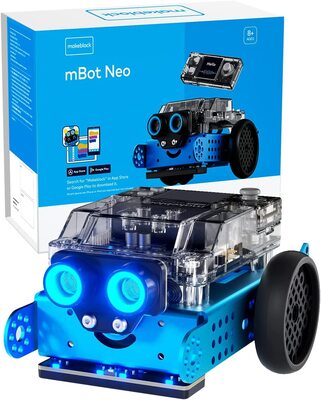
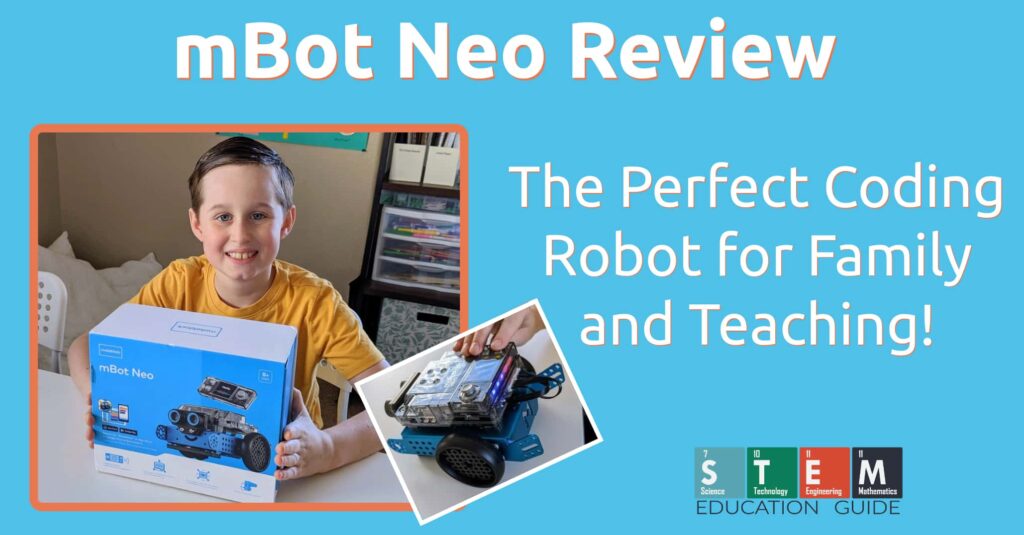
1. The mBot Neo: The Gold Standard in Robotics
The mBot Neo stands out as a premier DIY coding robot. Designed for durability with aluminum and high-impact plastic, it serves as a gateway to both mechanical assembly and software development. Kids begin by building the hardware and progress to app-based coding, where they can program the bot to dance, navigate mazes, or sing. For those not ready to code, the device features preprogrammed, controller-driven activities, making it an excellent investment for a wide range of skill levels.
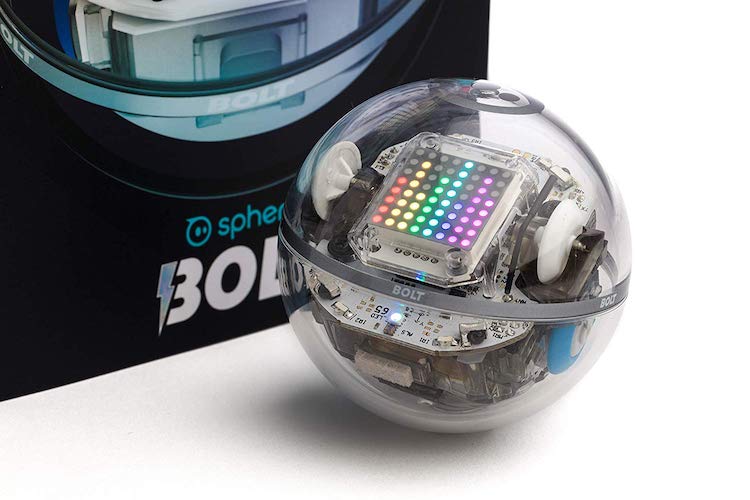
2. Sphero BOLT: Programmable Durability
The Sphero BOLT is a masterclass in modern toy engineering. It is shock-proof, waterproof, and fully programmable. Unlike many fragile educational toys, the BOLT is built to withstand the rigors of a classroom or a rough-and-tumble playroom. Its LED matrix allows children to visualize their code in real-time, providing immediate feedback that is essential for early programming education.
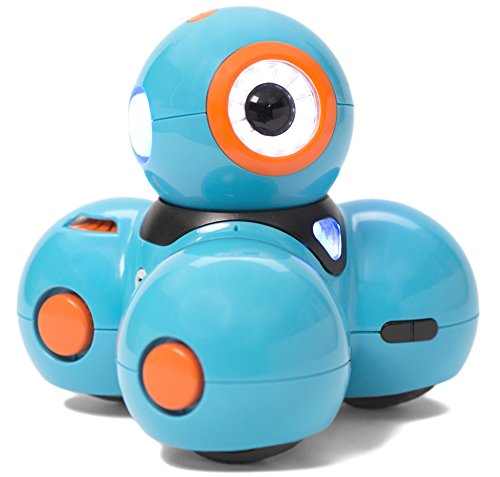
3. Wonder Workshop Dash: The Social Robot
Targeted at children aged 6 and up, Dash is a fast, responsive robot designed to grow with the user. Its most compelling feature is its interactivity; Dash can communicate, move, and even collaborate with other bots. The inclusion of the STEAM Creativity Bundle, often discounted during this period, adds layers of depth with flashcards and expansion accessories.
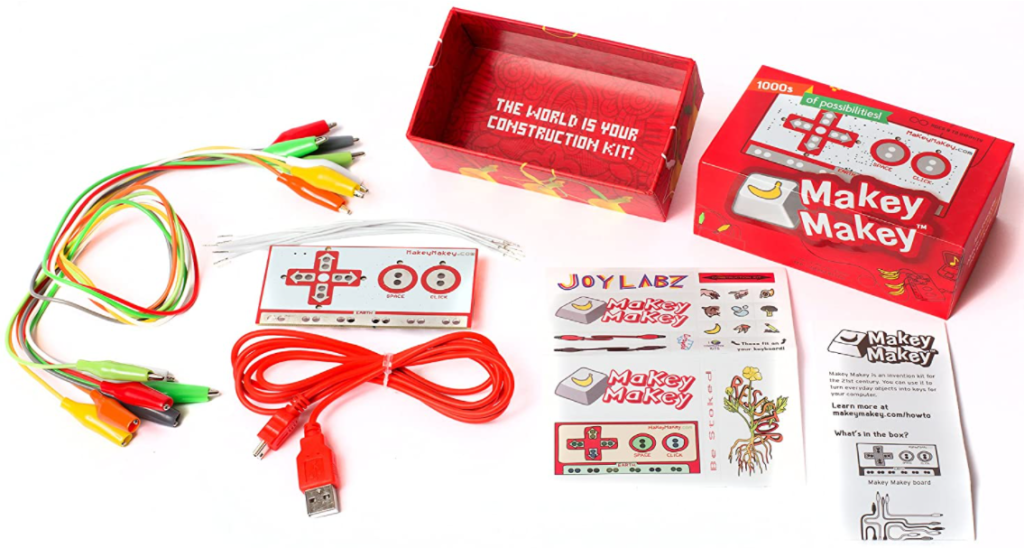
4. Makey Makey: The Invention Kit for Everyone
Makey Makey is the ultimate "low floor, high ceiling" tool. It allows users to turn everyday objects—like bananas, play-dough, or even a staircase—into touchpads for a computer. It is an exceptional introduction to the concept of electrical circuits and human-computer interaction, requiring nothing more than the kit, a USB cable, and a dash of creativity.
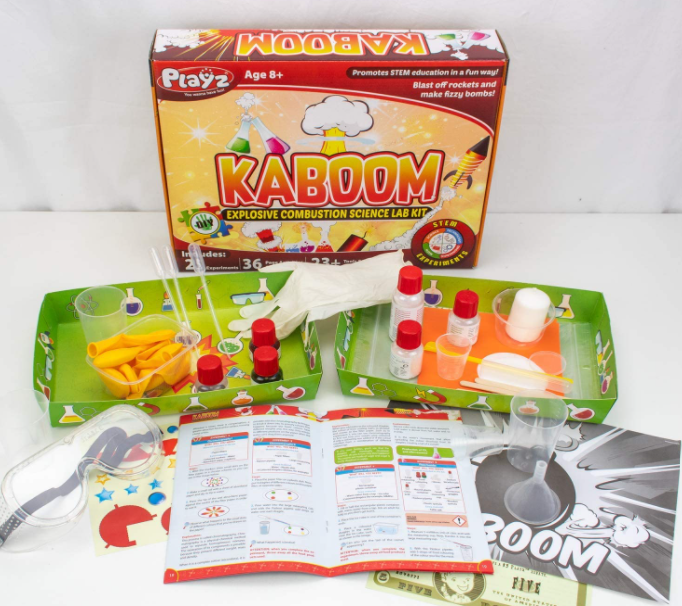
5. Kaboom Explosive Science Lab Kit
For the kinetic learner, the Kaboom Lab Kit offers a safe way to explore the wonders of chemical reactions. With over 25 experiments, including rocket launches and fireproof balloons, this kit provides a tangible, high-energy answer to the question, "Why does this happen?" Parents particularly value the detailed explanations that accompany each experiment, turning "fun" into a genuine lesson in chemistry.
Supporting Data: Why STEM Matters
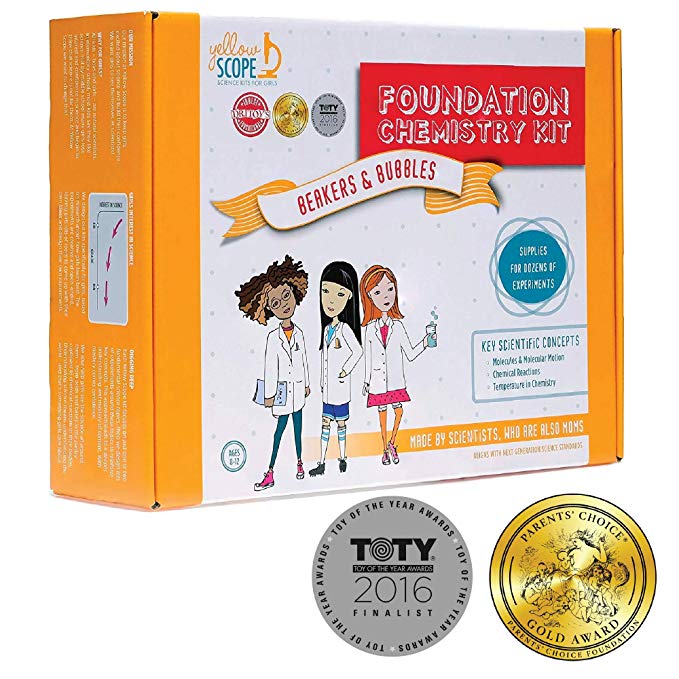
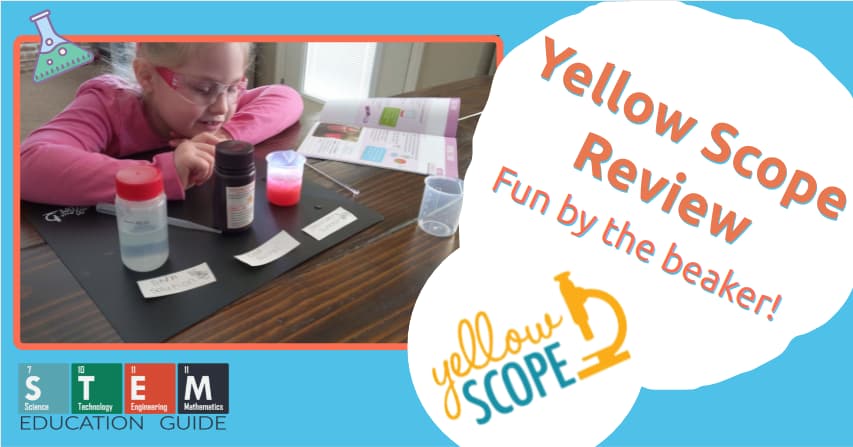
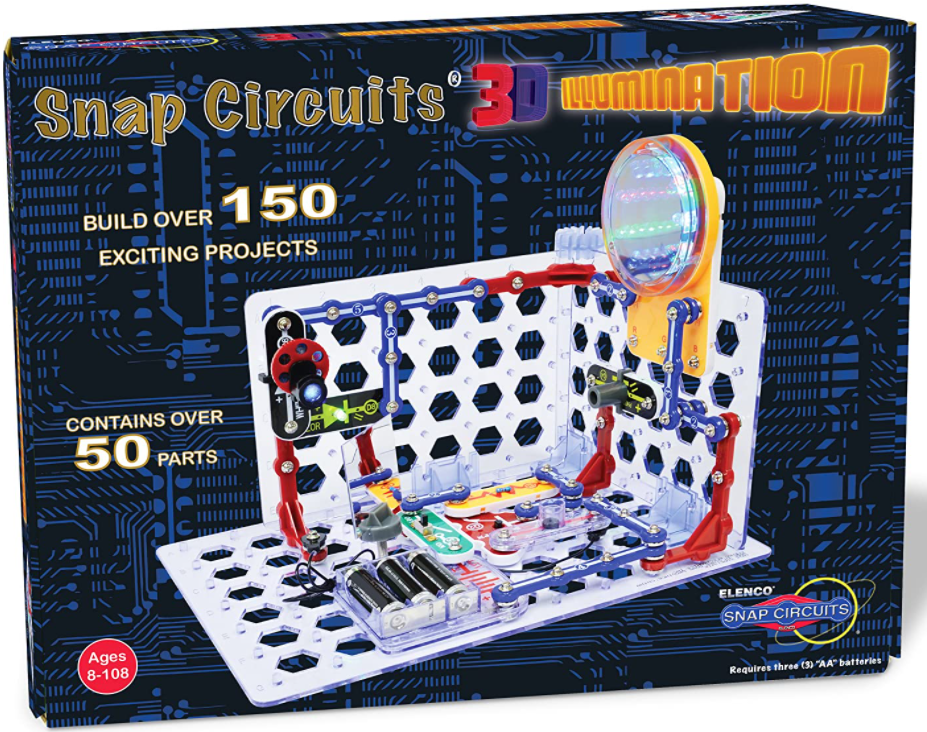
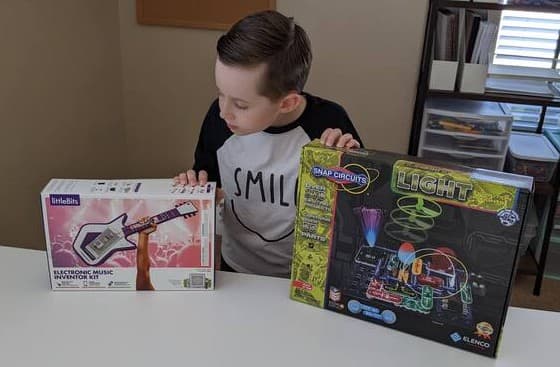
Market analysis indicates that the demand for educational toys has grown by over 15% annually since 2020. This is not merely a trend; it is a response to the changing landscape of the global economy. By 2030, the World Economic Forum estimates that a significant percentage of new jobs will require high-level analytical and technological skills. Providing children with tools like the YELLOW SCOPE Foundation Chemistry Kit or Snap Circuits serves as a foundation for these future capabilities.
Official Perspectives: The Educational Impact
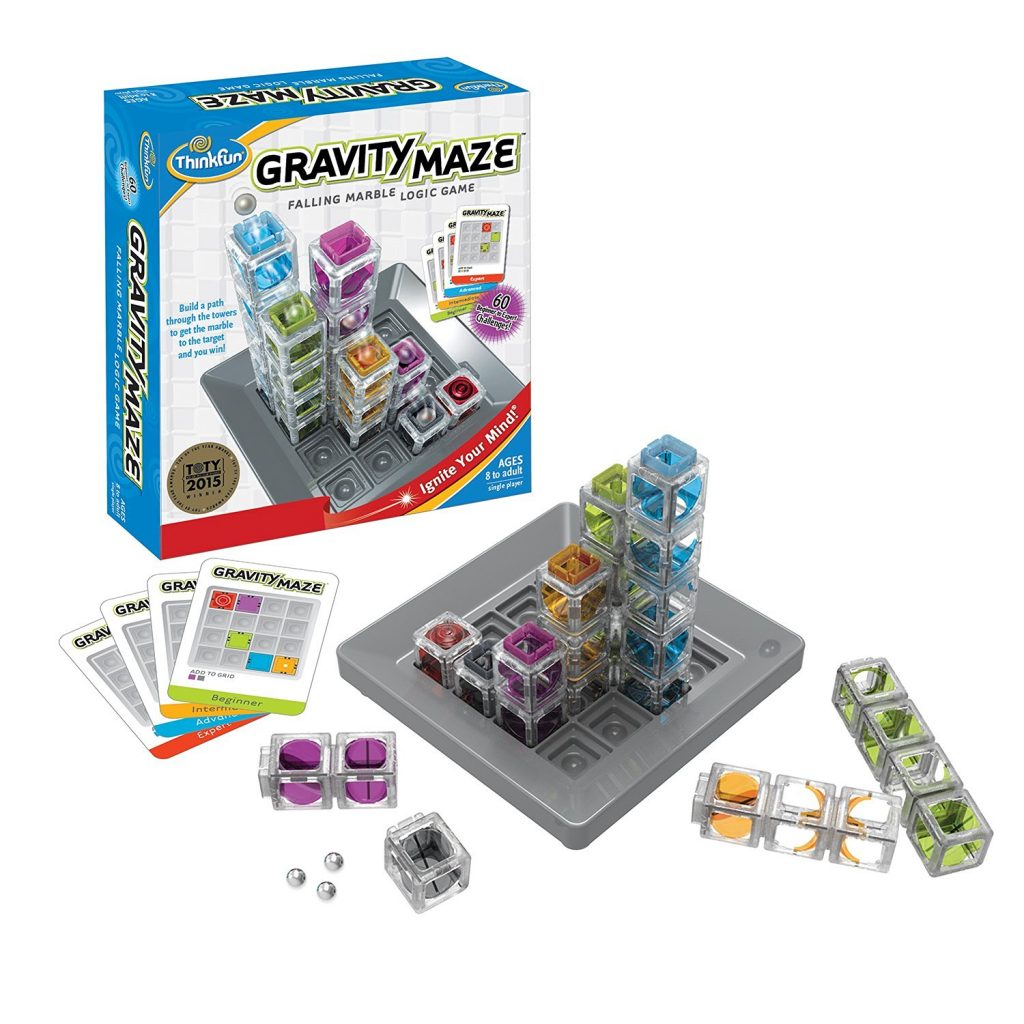
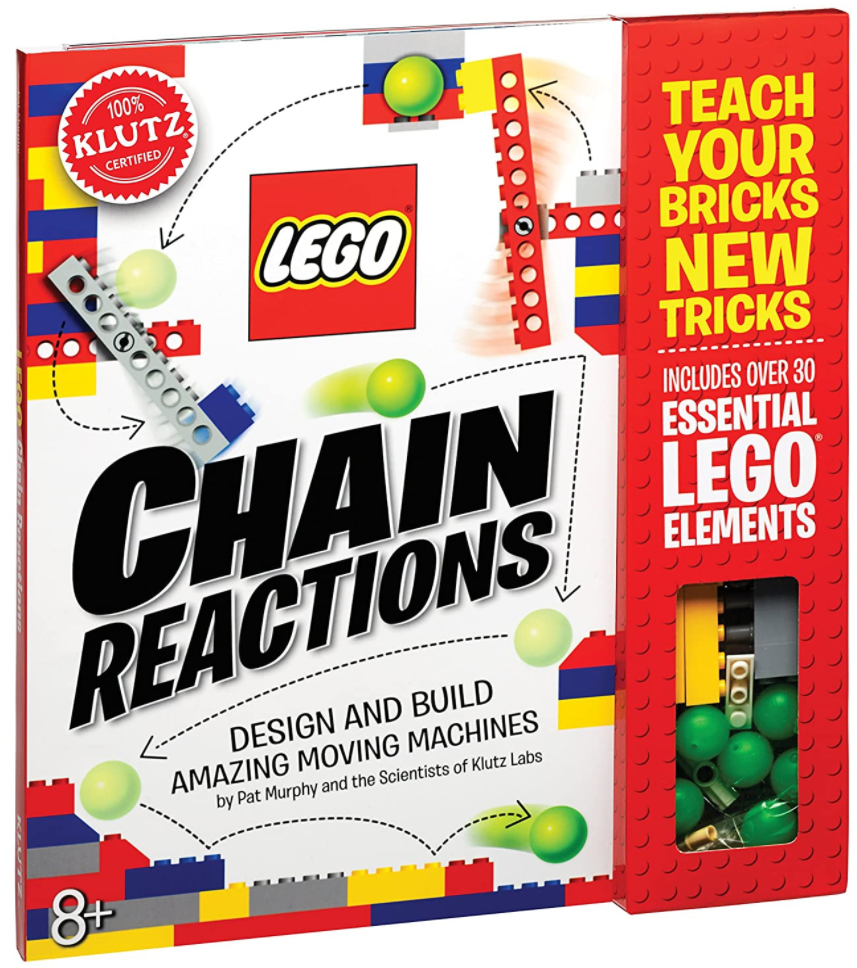
Industry experts and educators generally agree that the best STEM toys share one common trait: they encourage "productive struggle." Whether it is the ThinkFun Gravity Maze, which demands logical deduction, or the LEGO Chain Reactions set, which teaches physics through trial and error, these tools teach children that failure is merely a data point in the path to success.
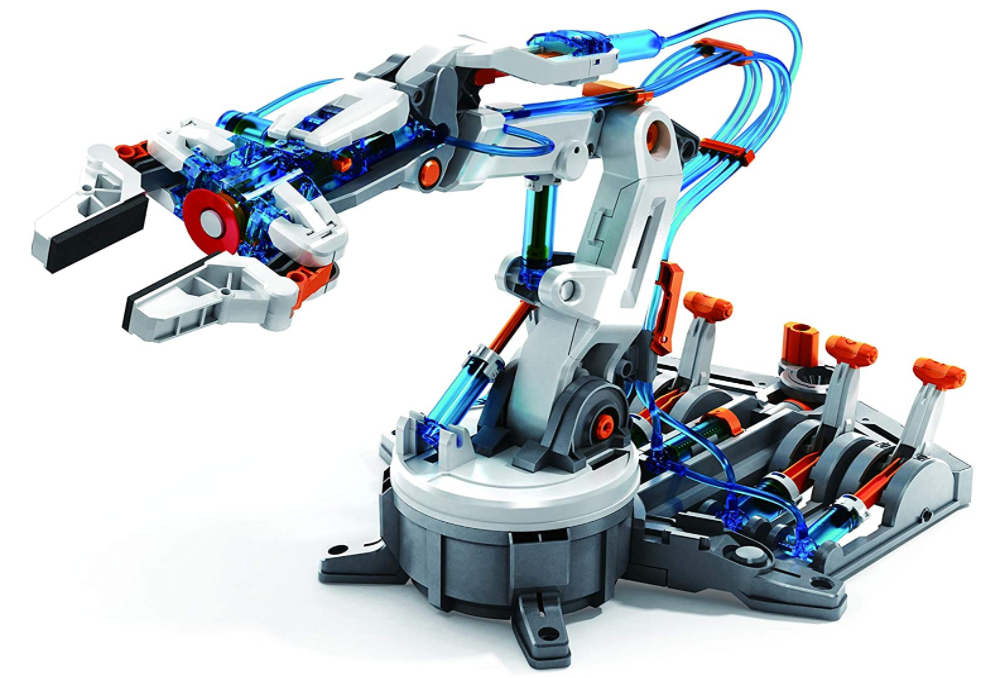
The Elenco Teach Tech Hydraulic Kit is another prime example. By using water to move a robotic arm, children learn about fluid power—a concept that is often relegated to high school physics—in a tactile, intuitive way. This early exposure helps dismantle the intimidation factor often associated with "hard" sciences.
Implications for the Future of Play
As we move through the 2024 holiday season, the move toward online-first shopping for STEM goods is here to stay. However, the true value of these purchases lies in what happens after the box is opened.
The Role of Screen-Free Coding
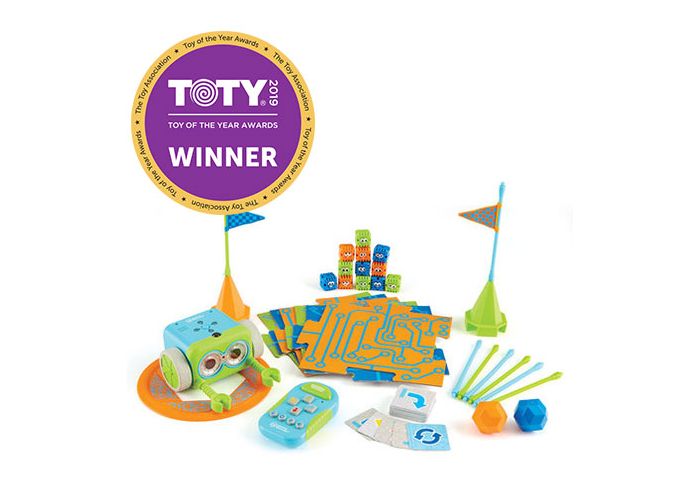
While many modern kits rely on tablets for programming, there is a growing movement toward "screen-free" coding. Products like the Botley The Coding Robot allow children to practice sequencing and logic without the need for a digital interface. This is a critical development for parents who are increasingly concerned about the saturation of digital media in their children’s lives.
Modular Engineering: The LEGO and K’NEX Advantage
For the child who prefers physical construction over digital output, the LEGO Boost Creative Toolbox and Kid K’NEX sets provide a bridge between traditional building blocks and modern robotics. By integrating sensors and motors into the familiar LEGO ecosystem, these kits encourage complex problem-solving. Children learn that they are not just building a static structure, but an active, intelligent machine.

The Rise of Specialized Learning
The success of kits like the littleBits Electronic Music Inventor Kit shows that STEM is not just about robots and chemistry; it is about creativity. By combining music production with electronic engineering, littleBits proves that the arts and sciences are not mutually exclusive. This interdisciplinary approach is the future of education.

Conclusion: How to Shop Smart This Black Friday
As you prepare for the upcoming sales, consider these strategies:

- Prioritize Durability: Look for items like the Sphero BOLT that can handle long-term use.
- Seek Multi-Generational Value: Choose kits like the Ravensburger GraviTrax that can be expanded with additional tracks and accessories, ensuring the toy grows with the child.
- Focus on "Why," Not Just "What": The best kits come with curriculum guides or, at the very least, clear explanations of the scientific principles at play.
Black Friday 2024 is more than a chance to save money; it is an opportunity to invest in the intellectual curiosity of the next generation. By selecting high-quality, engaging STEM tools, you are doing more than checking a box on a shopping list—you are opening a door to a lifetime of discovery. Whether your child is an aspiring engineer, a future chemist, or simply a curious tinkerer, the tools available this year offer a perfect blend of excitement, challenge, and educational depth. Keep a close watch on these top-tier kits, as they are likely to be the most sought-after items in the digital aisles this November.