The Mechanics of Innovation: How Simple Machines Power Our World and Inspire Future Engineers
At the bedrock of every skyscraper, every complex piece of industrial machinery, and even the simple devices in our kitchens lies the elegant, foundational concept of the simple machine. These tools, defined by their lack of complex moving parts, serve as the elemental building blocks of human engineering. By manipulating force and motion, simple machines allow us to overcome physical limitations that would otherwise render modern life impossible.
Understanding these mechanisms is not merely an academic exercise; it is an essential entry point into the world of STEM (Science, Technology, Engineering, and Mathematics). By examining the lever, the inclined plane, the wedge, the screw, the wheel and axle, and the pulley, we gain insight into how humanity has effectively harnessed the laws of physics to reshape the world.
The Fundamental Principles: Defining Work in Physics
In casual conversation, "work" is a term often reserved for our professional lives or strenuous physical effort. However, in the realm of physics, the term is defined with mathematical precision. Work is the product of the force applied to an object and the distance over which that force is applied. This relationship is elegantly summarized by the formula W = Fd.
When we use a machine, we are not necessarily changing the total amount of work required to move an object; rather, we are changing how that work is distributed. This is the essence of "mechanical advantage." By trading distance for force—for example, pushing a heavy box up a long ramp rather than lifting it vertically—we make the impossible manageable. Without these simple machines, tasks like hoisting an elevator to the top of a commercial high-rise or splitting a massive log for firewood would be physically unattainable for a single human being.
A Chronological Perspective: The Evolution of Mechanical Advantage
The history of simple machines dates back to antiquity, marking the transition from brute human strength to mechanical ingenuity.
- Pre-Classical Era: Early humans utilized the lever and the wedge as naturally occurring tools—stones and sharpened sticks—to hunt and construct rudimentary shelters.
- The Age of Archimedes (3rd Century BCE): It was the Greek mathematician Archimedes who first formalized the mathematics behind these devices. He famously stated, "Give me a place to stand, and I shall move the world," referencing the power of the lever. His work provided the theoretical framework that would define civil engineering for millennia.
- The Industrial Revolution: The 18th and 19th centuries saw these six simple machines scaled up through the use of steam and gears. By combining these basic elements into "compound machines," inventors created the engines of modern civilization.
- The Contemporary Era: Today, we see these principles integrated into sophisticated robotics and micro-mechanical systems. Despite the digital age, the core principles of force and distance remain the primary variables in mechanical design.
The Six Pillars of Mechanics: Practical Applications
To truly understand how these tools function, one must look at them as distinct solutions to specific physical problems.
1. The Pulley: Defying Gravity
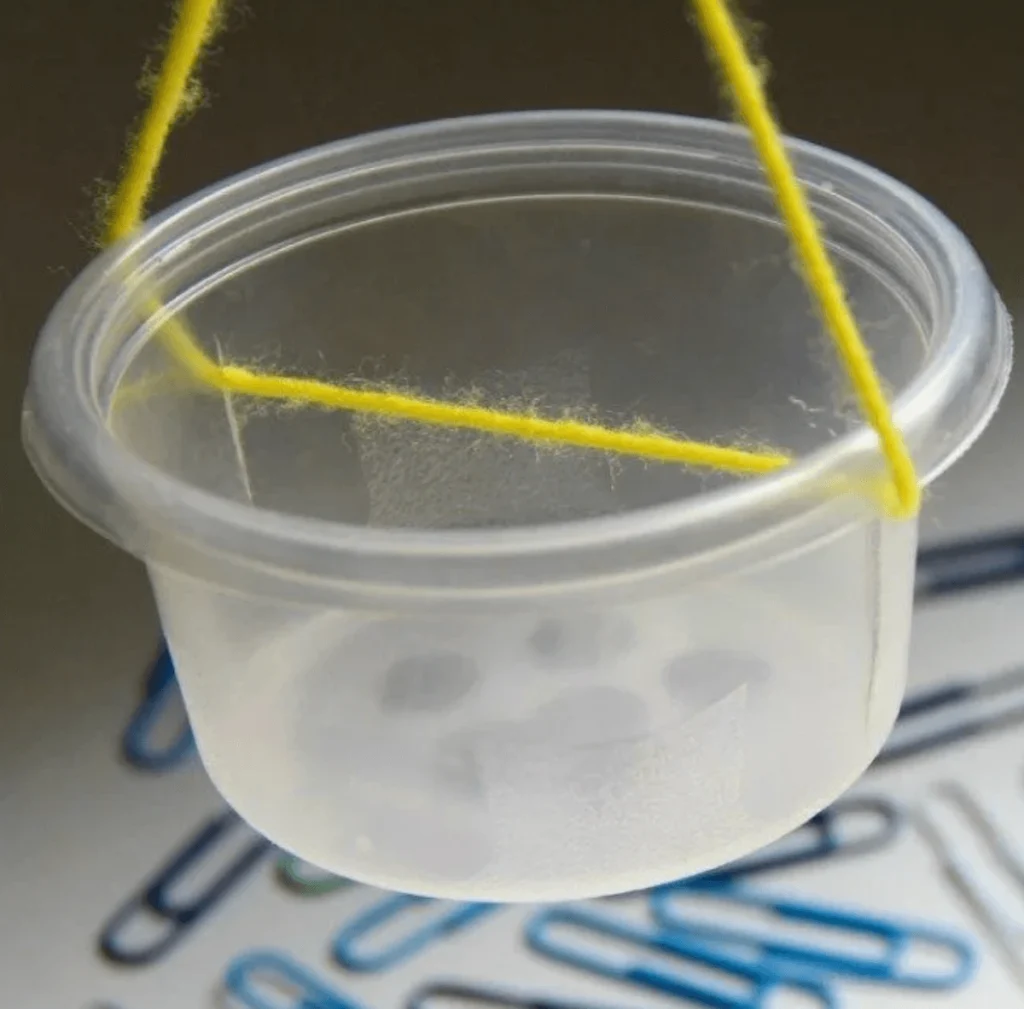
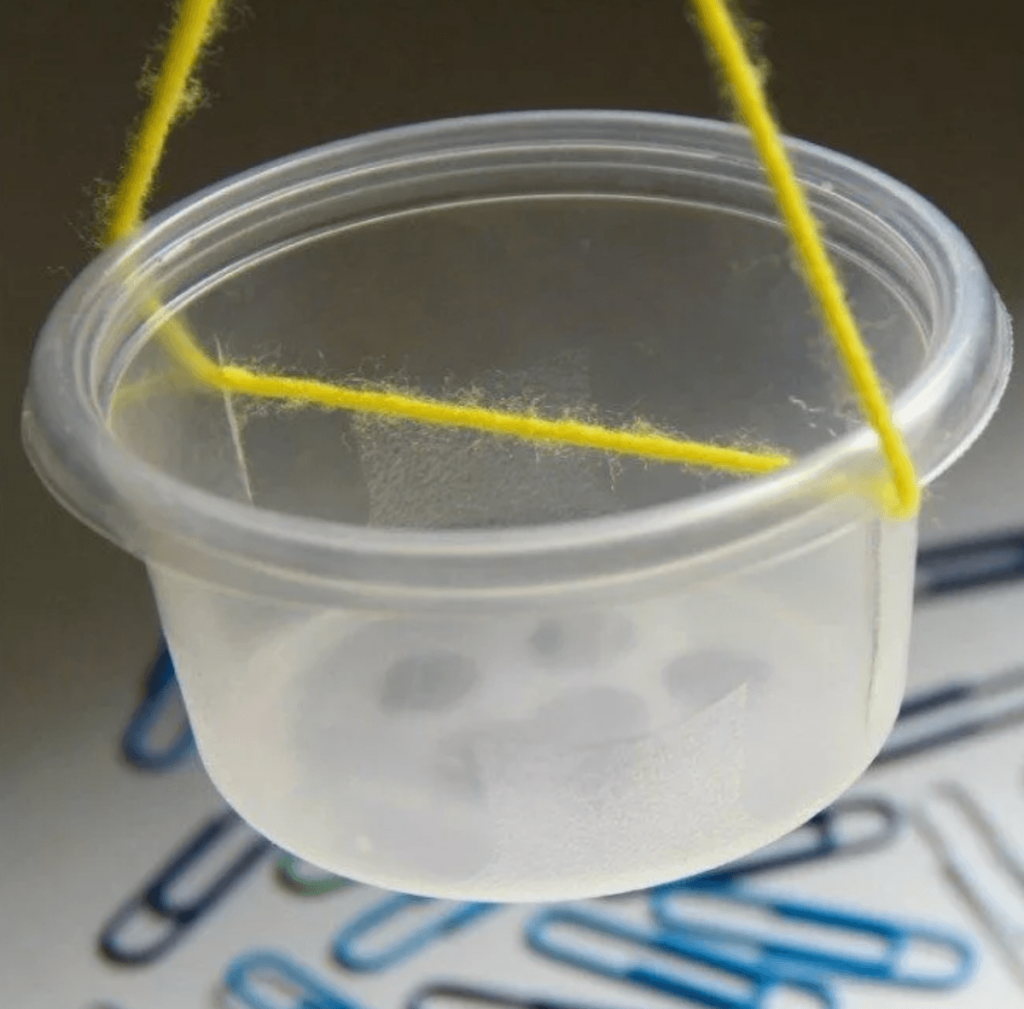
Pulleys utilize wheels and ropes to change the direction of a force or to reduce the amount of effort needed to lift a load. By using a system of multiple pulleys (a block and tackle), the mechanical advantage increases significantly, allowing a child to lift a load that would normally require the strength of an adult.
2. The Inclined Plane: The Geometry of Effort
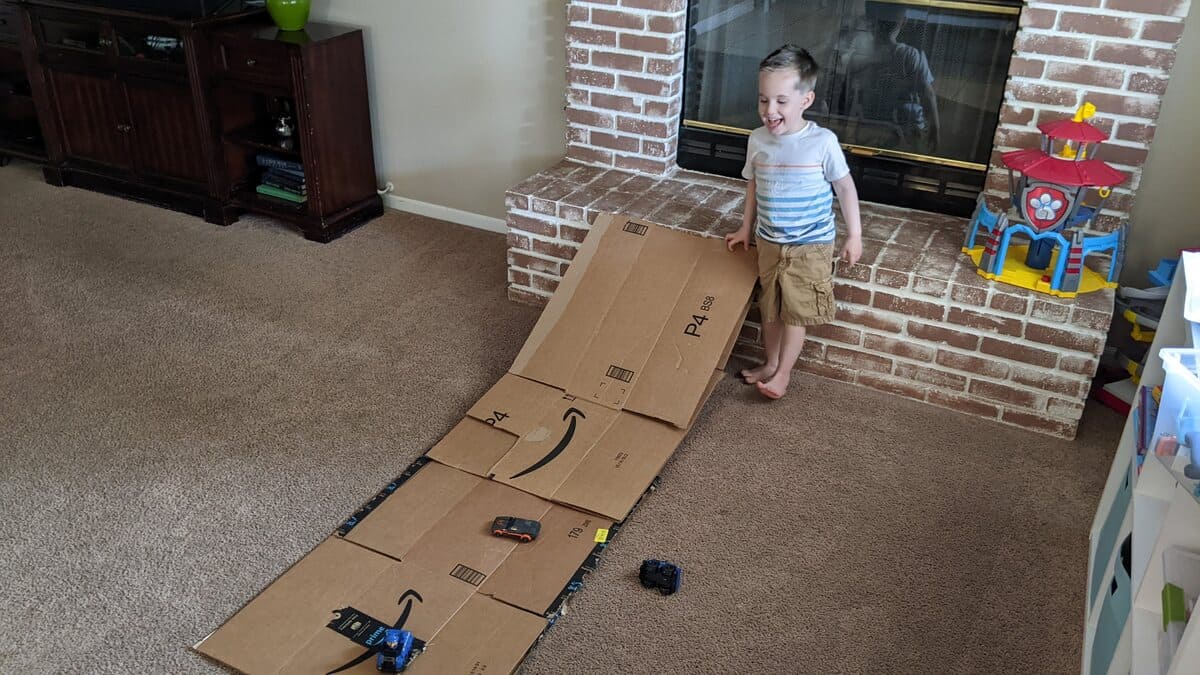
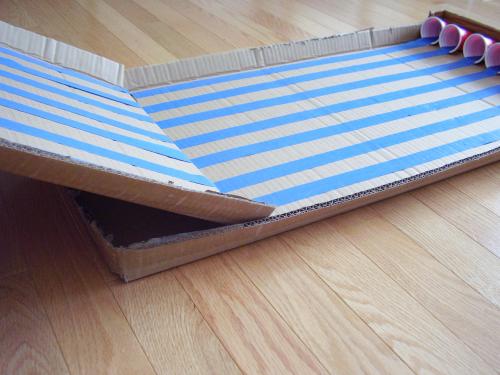
An inclined plane, or a ramp, allows us to lift heavy objects by spreading the effort over a longer distance. The shallower the slope, the less force is required, demonstrating the direct trade-off between force and distance.
3. The Lever: The Power of the Fulcrum
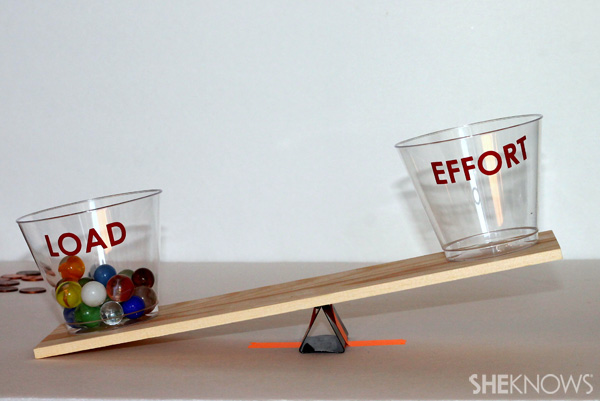
Levers amplify input force based on the position of the fulcrum. Depending on the arrangement of the load, effort, and fulcrum, levers can be used for lifting (first-class), moving heavy loads (second-class), or increasing speed and range of motion (third-class).
4. The Wedge: Concentrating Force
The wedge is essentially a mobile inclined plane. By driving a wedge into an object, we concentrate the input force onto a very small surface area, allowing us to split, cut, or hold objects in place.
5. The Screw: The Inclined Plane Wrapped
A screw is a spiraled inclined plane. It converts rotational motion into linear motion. This is why screws are so effective at fastening materials together; they provide immense holding power by spreading the resistance over the length of the threads.
6. The Wheel and Axle: The Engine of Motion
By rotating a large wheel connected to a smaller axle, we can significantly increase the distance covered or the force applied. This invention is arguably the most influential in human history, forming the basis for everything from transport vehicles to modern clocks.
Dispelling Common Misconceptions
Despite their apparent simplicity, these machines are frequently misunderstood. A critical misconception is that simple machines "save work." In reality, the law of conservation of energy dictates that the total work remains constant. The machine does not eliminate the work; it merely modifies the effort required, usually at the expense of moving the load over a greater distance or through a longer time interval.
Furthermore, there is a common misunderstanding regarding friction. Students are often taught that friction is an adversary to be eliminated. However, without friction, the wedge would slide out of a door, the screw would not hold in wood, and the wheel would spin uselessly on the ground. Friction is a functional component of mechanical design, not merely an inefficiency.
Educational Implications: From Theory to Practice
For educators and parents, the study of simple machines offers an unparalleled opportunity for hands-on, inquiry-based learning. By constructing models—such as building a cardboard "car" to understand wheels and axles or using binder clips to create a lever—students move from passive observers to active engineers.
Recommended Projects for the Classroom:
- The Pulley Game: Create a pulley system to see how many weighted items can be lifted by a single string.
- The Marble Run: Design an inclined plane racecourse to measure how different surface frictions affect velocity.
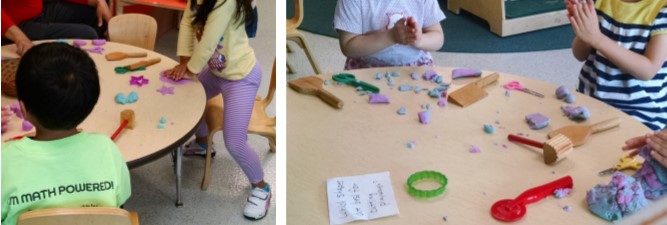
- The Play-Dough Wedge: Demonstrate how a wedge splits material with minimal force compared to using a flat hand.
- Recycled Vehicle Engineering: Utilize cardboard tubes and bottle caps to build cars, reinforcing the relationship between the wheel and the axle.
These activities are not just about building toys; they are about fostering a "mechanics-first" mindset. When a student builds a Rube Goldberg machine, they are learning to synthesize multiple simple machines into a complex, functional whole.
The Path Forward: Supporting Future Innovators
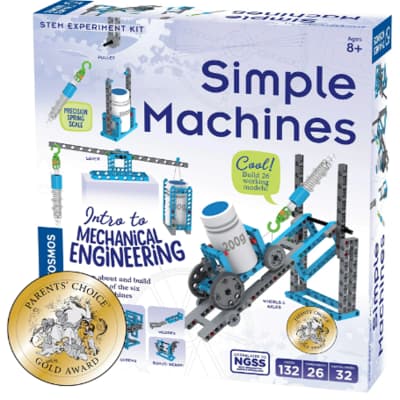
As we look toward the future, the integration of STEM education in early development becomes increasingly vital. Subscription boxes and model-building kits are bridging the gap between theoretical physics and tactile play. By providing the tools for discovery, we empower the next generation to view the world not as a collection of static objects, but as a dynamic, interconnected series of mechanical problems waiting to be solved.
The study of simple machines is a journey into the "why" and "how" of our physical world. It teaches resilience, logical reasoning, and the satisfaction of seeing a project function as designed. Whether at home or in the classroom, encouraging this curiosity is the surest way to cultivate the engineers, architects, and innovators of tomorrow.
For those seeking to further this journey, resources like professional-grade building kits and STEM subscription services provide the scaffolding for a lifetime of engineering excellence. The machines are simple, but the potential for the future is infinite.