Beyond the Brand: Navigating the Market for Premium Magnetic Building Tiles
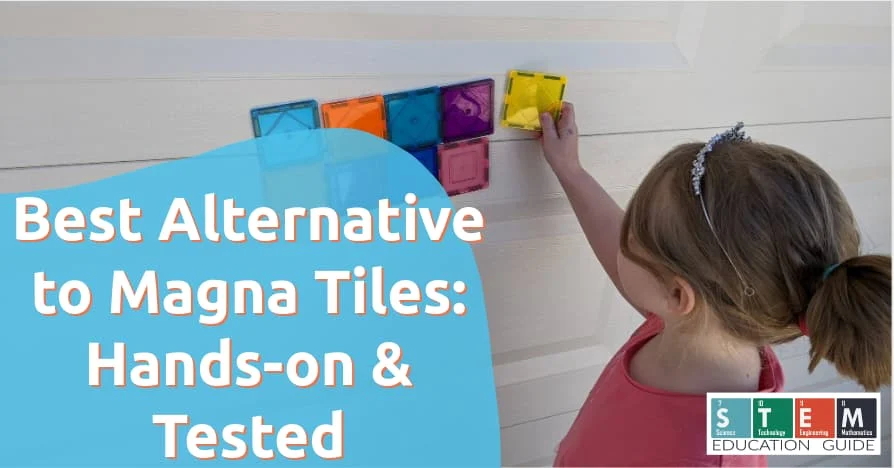
For parents and educators alike, few toys have captured the imagination of children quite like magnetic building tiles. These geometric, translucent shapes have become a staple in modern playrooms, celebrated for their ability to foster spatial reasoning, engineering intuition, and hours of screen-free engagement. However, as any parent who has attempted to expand their child’s collection knows, the market leader—Magna-Tiles—commands a premium price point that can make building a truly expansive city a costly endeavor.
While the brand remains the gold standard in the minds of many, a burgeoning market of competitors has emerged, offering comparable durability, safety, and creative potential. This guide explores the landscape of magnetic building sets, analyzing why the price gap exists and identifying the best alternatives for families looking to maximize their STEM education budget.
Main Facts: The Anatomy of a Magnetic Tile
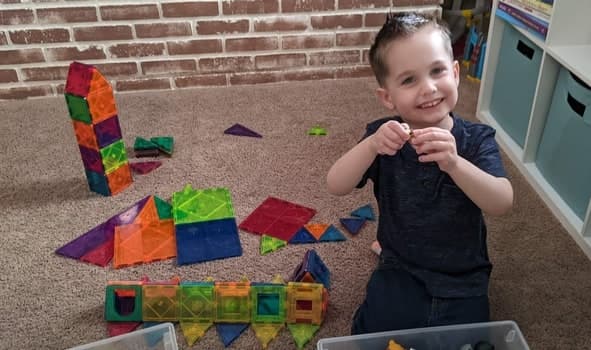
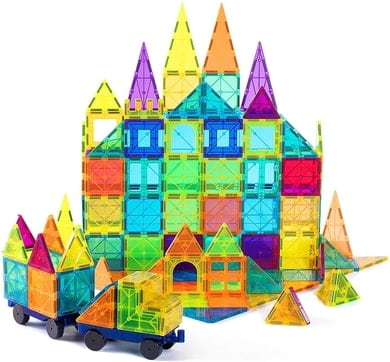
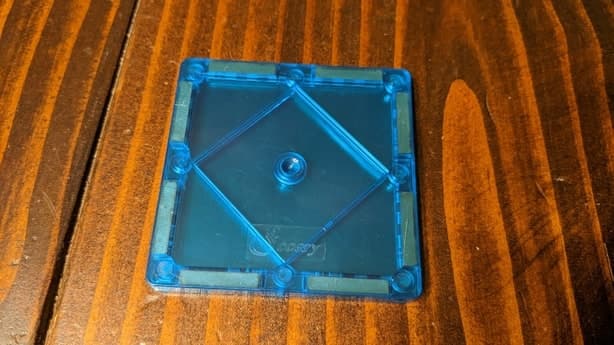
At their core, magnetic building tiles are simple yet ingenious. Constructed from ABS plastic—a thermoplastic polymer known for its high impact resistance and toughness—these tiles feature magnets embedded along their edges. This allows for a modular, open-ended building experience where children can shift from two-dimensional patterns on a tabletop to complex, three-dimensional architectural marvels.
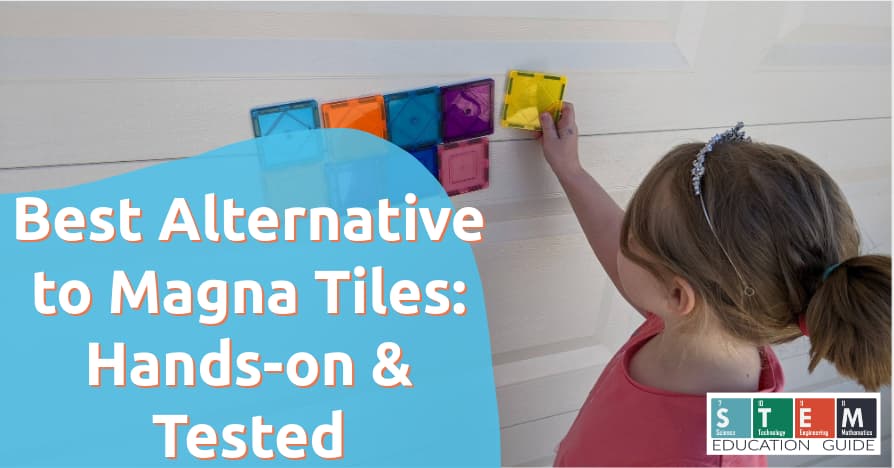
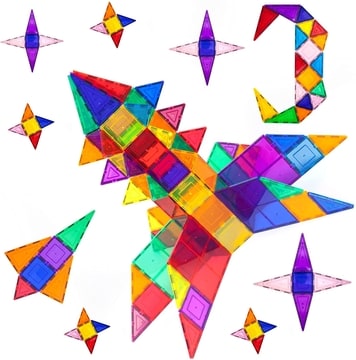
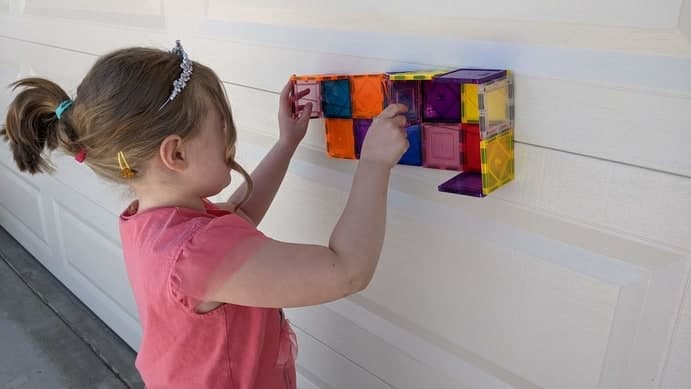
The primary appeal is their versatility. Unlike rigid plastic blocks that snap together in specific ways, magnetic tiles rely on the polarity of the magnets to "snap" into place, allowing for a fluid design process. From a developmental standpoint, they serve as an early introduction to geometry, physics, and structural integrity.
Chronology: The Evolution of the Market
The history of the magnetic tile began in 1997, when Magna-Tiles first hit the market. As the pioneers of the category, they effectively invented the genre. By establishing a reputation for quality and adhering to stringent safety standards, they positioned themselves as the "premium" choice. For years, they enjoyed a near-monopoly on the sector, which allowed them to maintain a rigid pricing structure.
However, the late 2010s and early 2020s saw a shift. As the patents governing the original design expired or were challenged, competitors began to flood the market. Brands like PicassoTiles, Connetix, and Cossy entered the fray. Initially viewed as "knock-offs," these brands quickly matured. Today, many of these companies have earned their own certifications, ensuring they meet the same international toy safety standards—including non-toxic materials and high-strength enclosures for the magnets—that originally distinguished the market leader.
Supporting Data: Understanding the Price Gap
Why are Magna-Tiles so consistently expensive? The answer is twofold: brand equity and overhead. As the first-to-market leader, Magna-Tiles invests heavily in marketing and distribution. Furthermore, their manufacturing process emphasizes a "rigid" construction, which many users argue results in a slightly more durable product that resists cracking under heavy play.
However, the "Good Housekeeping Institute" and various independent STEM toy evaluators have consistently noted that the performance gap between the top-tier generic brands and the market leader is narrowing.
Key Market Comparison Table:
| Feature | Magna-Tiles | Top-Tier Alternatives |
|---|---|---|
| Material | ABS Plastic | ABS Plastic |
| Safety Testing | Certified | Generally Certified |
| Compatibility | Standardized | Highly Compatible |
| Price Point | High | Low to Moderate |
| Add-on Variety | Limited | Extensive |
The data suggests that for most households, the "cost per piece" of alternative brands is significantly lower, often allowing families to purchase double or triple the volume of tiles for the same investment. When the goal is to build large, sprawling structures, the quantity of pieces often matters more than the specific brand logo on the corner of the tile.
The Best Affordable Alternatives
After testing various sets side-by-side, we have identified several brands that stand out for their quality, affordability, and compatibility.
1. PicassoTiles
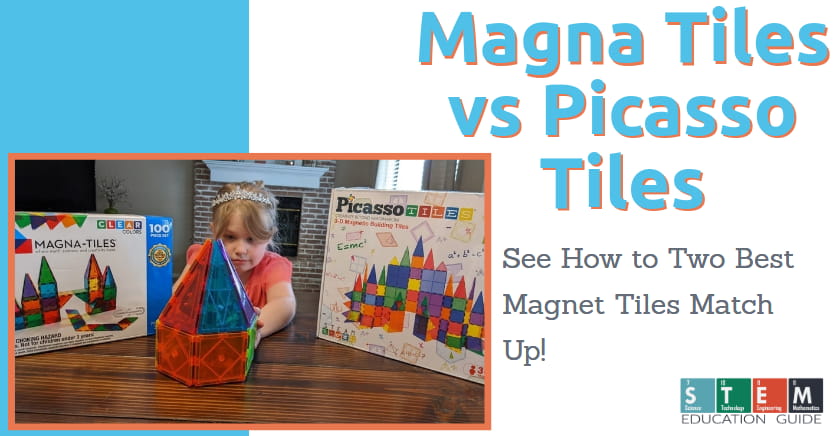
PicassoTiles consistently ranks at the top of our list for those seeking a balance between price and performance. Having tested these alongside the industry leaders, we found that they integrate seamlessly with existing sets. Whether you are adding to a collection or starting from scratch, the ability to mix and match allows for the creation of massive, neighborhood-scale projects. Their extensive line of add-ons—ranging from race tracks to window sets—is particularly noteworthy.
2. Cossy Kids Magnetic Tiles
If you are prioritizing aesthetics, Cossy is the standout choice. These tiles are known for their exceptional transparency and vibrant color palette. When the sun hits a structure built with Cossy tiles, the light refraction is often superior to that of the market leader. They have proven their durability in our long-term testing, holding up to daily, rugged play for several years without losing their magnetic strength or clarity.
3. Shapemags
Shapemags introduce a layer of literacy to the building process. Their "Stile Mags"—magnetic slips that feature letters or pictures—can be attached to the surface of the tiles. This is an excellent feature for younger children who are just beginning to recognize their alphabet or learn to spell. It effectively bridges the gap between pure engineering play and language arts, making it a sophisticated choice for early childhood classrooms.
4. Magblock
Magblock distinguishes itself through its kit configurations. Many of their sets include specialized pieces like doors, fences, and archways as part of the base package, rather than requiring the purchase of expensive expansion packs. For children who enjoy replicating real-world architecture, these specific components provide the necessary detail to move from abstract shapes to recognizable houses and castles.
Official Responses and Industry Standards
It is important to address the "Official" stance on these alternatives. Major brands like Magna-Tiles and Connetix maintain strict Minimum Advertised Price (MAP) policies. This is why you rarely see deep discounts on their products; retailers are contractually obligated to keep prices consistent.
While these companies argue that their proprietary testing and material purity justify the cost, consumer advocacy groups note that any company selling in the U.S. or E.U. must meet rigorous ASTM or EN71 safety standards. Any reputable "off-brand" found on major marketplaces has likely undergone the same basic safety testing as the market leader. Always verify that the manufacturer mentions third-party safety testing in their product descriptions.
Implications for Parents and Educators
The shift in the magnetic tile market has profound implications for how we view STEM education at home. The most significant benefit of the rise of affordable alternatives is the democratization of play.
Tips for Maximizing Play:
- The Weight Test: Encourage your children to compare the weight of different pieces. Does a larger square weigh more than a smaller triangle? Why?
- Transparency and Light: Use a flashlight or place the building near a window. Discuss how light passes through different colors and shapes.
- Expansion Packs: Don’t feel pressured to buy the "Complete Set" from one brand. Start with a basic starter kit and use the money saved to buy specialized sets (like wheels or windows) from different, compatible manufacturers.
Ultimately, the best magnetic tile is the one that gets used. Whether you choose the market leader for its brand pedigree or a more affordable alternative for its value and variety, the goal remains the same: to foster a love of building, solving, and imagining.
As you embark on your own "toy audit," remember that the value of these toys is not found in the brand name, but in the lessons learned during the construction process. By diversifying your collection with high-quality, cost-effective alternatives, you ensure that your children have the resources to build bigger, think broader, and explore the limits of their creativity without putting a strain on the family budget.
For those looking to integrate these toys into a broader curriculum, there are numerous free resources, building guides, and creative challenges available online that can help you transform a box of plastic tiles into a lifelong interest in engineering and design. The next generation of architects is building today—and they don’t need a premium brand to build a foundation for the future.