The Hidden Toll of Socializing: Navigating Holiday Gatherings with an ADHD Brain
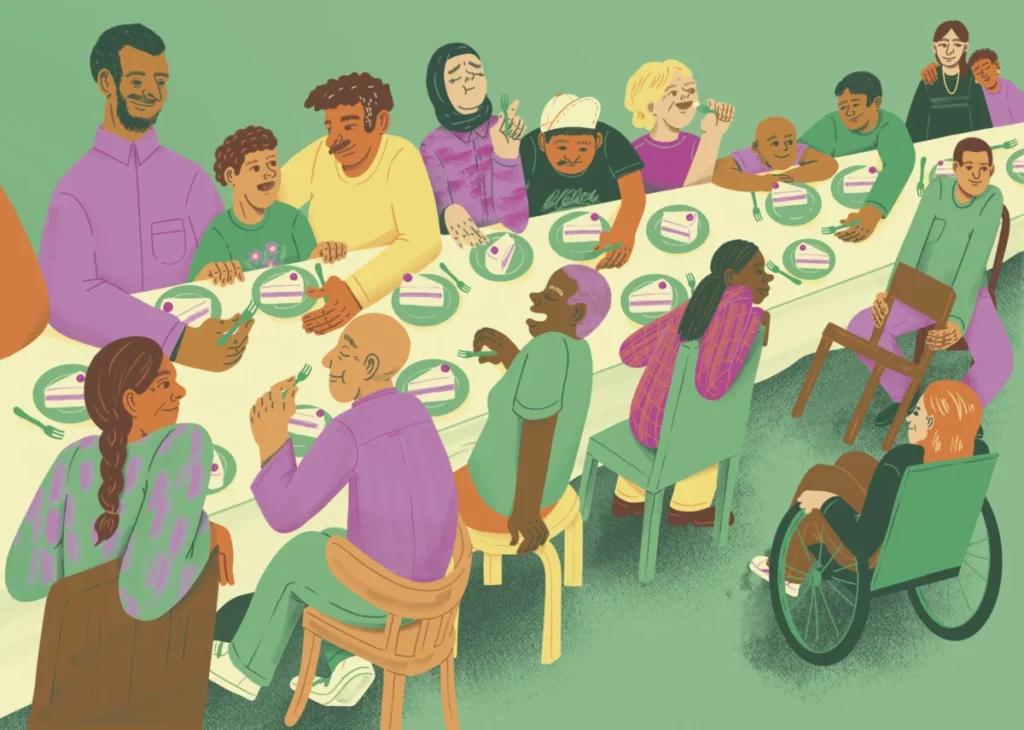
For many, the mention of family gatherings and social events conjures images of warmth, connection, and shared memories. However, for the millions of individuals living with Attention Deficit Hyperactivity Disorder (ADHD), these same events are frequently characterized by a different set of descriptors: sensory overload, social anxiety, and a profound, lingering sense of exhaustion.
As we navigate an era where neurodiversity is increasingly recognized and discussed, the "social battery" of an ADHD brain has become a focal point of clinical and personal inquiry. Why do these seemingly benign gatherings leave neurodivergent individuals feeling completely wiped out? Understanding the mechanics of this burnout is the first step toward reclaiming agency in one’s social life.
The Anatomy of Social Fatigue: Why ADHD Brains Struggle
The ADHD brain functions differently in its executive processing, emotional regulation, and sensory integration. When placed in a dynamic social environment—such as a holiday party, a family reunion, or a crowded dinner—the brain is forced to process an exponential increase in data.
Sensory Overload and Cognitive Load
For the neurotypical brain, filtering out background noise—the hum of the refrigerator, the clinking of cutlery, the overlapping conversations across the room—is largely an automatic process. For the ADHD brain, this "sensory gating" often fails. Each sound, smell, and visual distraction competes for the brain’s limited attentional resources.
When you add the cognitive demand of following complex, multi-person conversations, the brain’s "executive function" begins to redline. The effort required to track who is saying what, while simultaneously suppressing the urge to interrupt or move around, creates a massive "cognitive load" that inevitably leads to burnout.
The Masking Phenomenon
"Masking"—the conscious or unconscious suppression of neurodivergent traits to fit in—is perhaps the most draining aspect of social interaction. ADHD individuals often spend their time at gatherings hyper-aware of their behaviors: Am I fidgeting too much? Did I talk over someone? Am I making the right facial expression?
This constant surveillance of one’s own behavior, often referred to as "social monitoring," consumes the energy that would otherwise be used to actually engage with loved ones. When you are busy performing the role of a "socially acceptable" guest, you aren’t actually participating in the connection you sought in the first place.
Chronology of a Gathering: From Anticipation to Recovery
To understand the exhaustion, we must look at the timeline of a social event through the lens of an ADHD nervous system.
Pre-Event: The Planning Paralysis
Before the event even begins, the ADHD brain is often taxed by the logistical demands of preparation. Whether it is gift-buying, planning travel, or managing the expectations of others, the executive function required to organize a "simple" gathering can be overwhelming. This stage is frequently marked by "procrastination anxiety"—the stress of needing to do something paired with the executive dysfunction that makes starting the task feel like climbing a mountain.
During: The Peak of Stimulation
As the event progresses, the sensory environment reaches its peak. This is the moment of greatest risk for the ADHD individual. The combination of loud environments, the pressure to maintain conversation, and the potential for emotional triggers—such as an insensitive remark from a relative—can lead to a "social shutdown."
Post-Event: The Recovery Gap
Crucially, the ADHD brain often requires a significantly longer "recovery period" than the neurotypical brain. While others might bounce back to their daily routine the next morning, an ADHD individual might find themselves in a state of "post-social crash," characterized by emotional dysregulation, sensory sensitivity, and a total depletion of executive function.
Assessing Your Social Energy: A Diagnostic Perspective
To help individuals understand where their specific vulnerabilities lie, experts have developed self-assessment tools. By identifying the precise triggers that cause energy depletion, individuals can transition from passive victims of social anxiety to active planners of their own boundaries.
Key areas identified as high-drain zones include:
- The Rejection Sensitive Dysphoria (RSD) Trigger: The profound sting felt when a tone of voice or a lack of response is perceived as a personal rejection.
- The Emotional Labour Burden: The pressure to be the "host with the most" or the person who keeps the mood light, which places the burden of everyone else’s happiness on the neurodivergent individual.
- The Conversation Paradox: The internal struggle of holding a thought while waiting for a turn to speak, which prevents the individual from actually listening to the person in front of them.
Implications: Building a Sustainable Social Strategy
The implication of these findings is clear: social gatherings are not "one size fits all." For the ADHD community, the solution lies in radical self-knowledge and proactive boundary setting.
Strategy 1: The "Exit Strategy"
Never arrive at a social event without a pre-planned departure time. Knowing that you have an "out" at 9:00 PM allows the brain to regulate its energy output throughout the evening. It transforms an indefinite, open-ended stressor into a manageable, time-bound task.
Strategy 2: Sensory Regulation
If you are sensitive to noise, consider discreet accommodations like high-fidelity earplugs that dampen background chatter while allowing for human speech. If the room is too bright or smells of perfume, identify a "quiet zone"—a patio, a hallway, or even a bathroom—where you can retreat for three minutes to reset your nervous system.
Strategy 3: Communicating Needs
One of the most profound barriers to social comfort is the fear of being perceived as "rude." However, communicating one’s needs is a mark of self-respect. Simply stating, "I’m feeling a bit overwhelmed by the noise, I’m going to step outside for a breath of fresh air," is often met with more understanding than we expect. If it isn’t, that is a reflection on the environment, not on the individual.
Official Responses and Clinical Perspectives
Clinical psychologists specializing in adult ADHD emphasize that social burnout is not a sign of character weakness, but a biological reality. The brain’s dopamine-reward pathways are different; where others get a "hit" of energy from social interaction, the ADHD brain may instead be experiencing a dopamine deficit due to the sheer effort of self-regulation.
"We need to stop viewing social success through a neurotypical lens," says one leading specialist in neurodivergent coaching. "If you leave a party and need to spend the next day in silence, that is not a failure. That is your brain healing from a high-stimulation event. We must stop pathologizing the need for rest."
Moving Forward: Redefining "Gathering"
The final, and perhaps most important, shift is to redefine the nature of our gatherings. Does every social event need to be a crowded, loud, high-pressure environment?
By shifting toward "low-sensory" social activities—such as a quiet hike, a focused hobby group, or a small, intimate dinner—ADHD individuals can maintain meaningful connections without paying the "tax" of sensory overload.
Ultimately, social life is meant to be a source of nourishment, not a drain on your vital resources. By understanding your own ADHD triggers, practicing intentional communication, and building in mandatory recovery time, you can navigate the complex social landscape of adulthood in a way that is both healthy and authentic to your unique neurological makeup. The goal is not to avoid the world, but to engage with it on terms that allow you to thrive.