Building a Culture of Recognition: How One Teacher’s "Octopus" System Transforms High School Classrooms Through Peer Affirmation
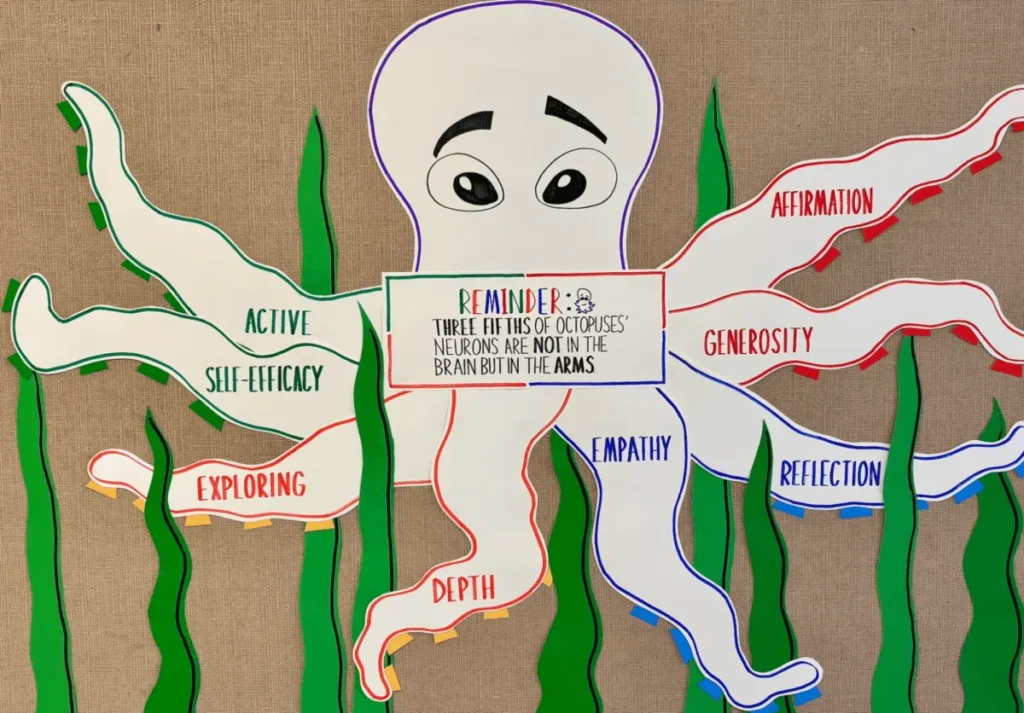
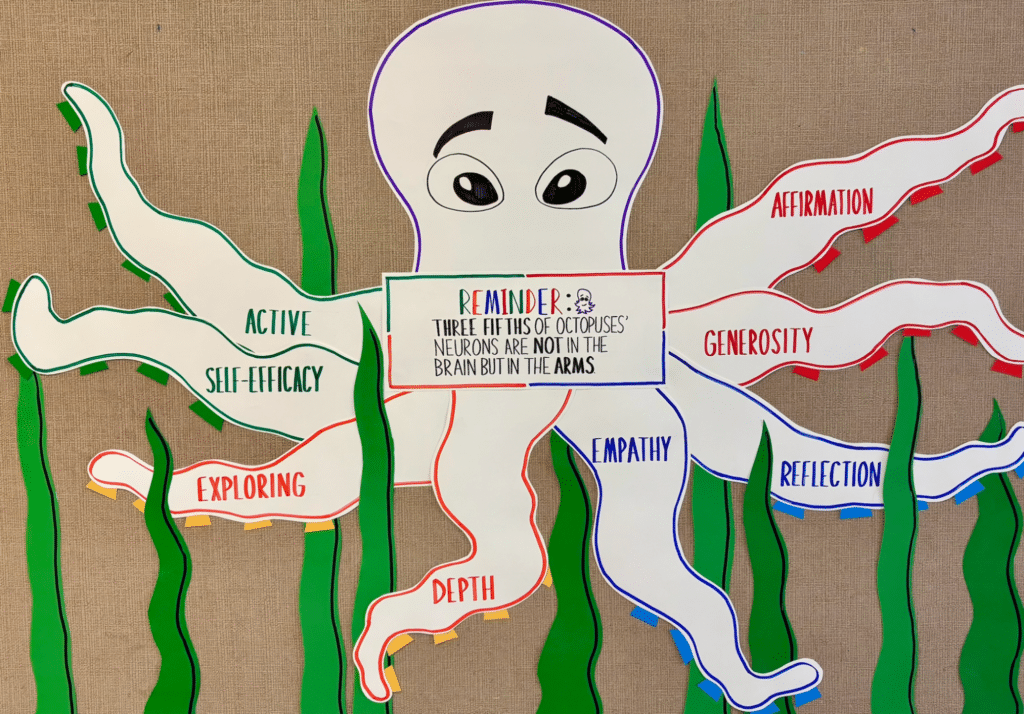
In classrooms across the globe, the opening weeks of the school year are typically defined by a predictable flurry of logistical tasks: reviewing syllabi, establishing seating charts, and outlining behavioral expectations. Yet, stepping into Marcus Luther’s high school classroom reveals a radically different pedagogical priority. Dominating a significant portion of the wall space is "the octopus"—a sprawling, multi-appendaged graphic poster that begins the academic year entirely blank.
Over the subsequent weeks and months, this cephalopod canvas slowly fills with student signatures. Each signature is not merely a marker of attendance or a graphic design choice, but the physical manifestation of an intentional peer-nomination system designed to recognize, validate, and celebrate character in real-time.
Originating from humble beginnings and evolving over more than a decade of classroom practice, Luther’s peer affirmation system offers a compelling blueprint for educators seeking to foster genuine community, combat student alienation, and institutionalize positivity in secondary education.

Main Facts: The Anatomy of the Classroom "Octopus"
At its core, Luther’s method is a structured system of anonymous peer affirmation anchored by visual representation. The framework rests on three primary operational pillars:
- Defining Core Values: Establishing specific behavioral and character traits that define a healthy, productive classroom community.
- The Anonymous Nomination Process: Providing students with a safe, digital mechanism (such as a Google Form) to recognize their classmates for exemplifying those values.
- Public Celebration and Inscription: Cultivating a weekly ritual where nominations are read aloud anonymously before the recognized student signs their name to the corresponding poster.
The visual centerpiece—currently an octopus with eight distinct appendages, each representing a core classroom value—serves as an ongoing artifact of community growth. Unlike traditional merit systems reliant solely on teacher-to-student praise, Luther’s approach shifts the agency of recognition directly to the students, compelling them to actively observe and appreciate the positive contributions of their peers.
Chronology: The Evolution of a Classroom Ritual
The genesis of the "wall of values" traces back over ten years, sparked by an observation Luther made while visiting his wife’s fifth-grade classroom. Struck by her intentionality in posting core community values and prompting students to write brief notes of affirmation to one another, Luther sought to adapt the concept for high school students.
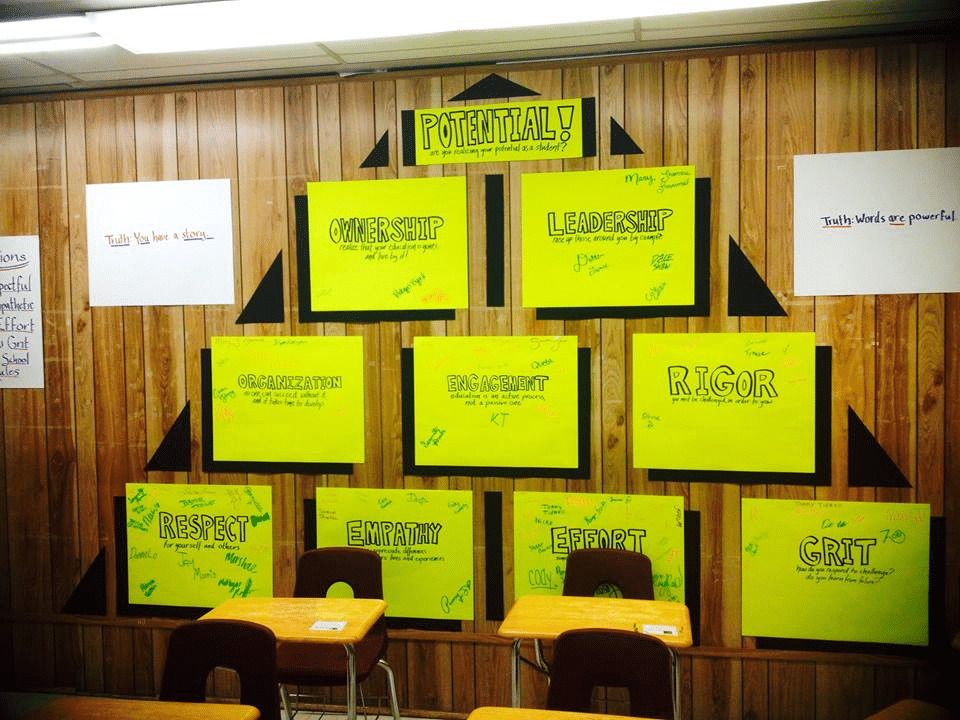
- The Pyramid Era: Inspired by legendary basketball coach John Wooden’s "Pyramid of Success," Luther’s first iteration utilized a pyramid shape divided into various foundational traits in his initial high school classroom.
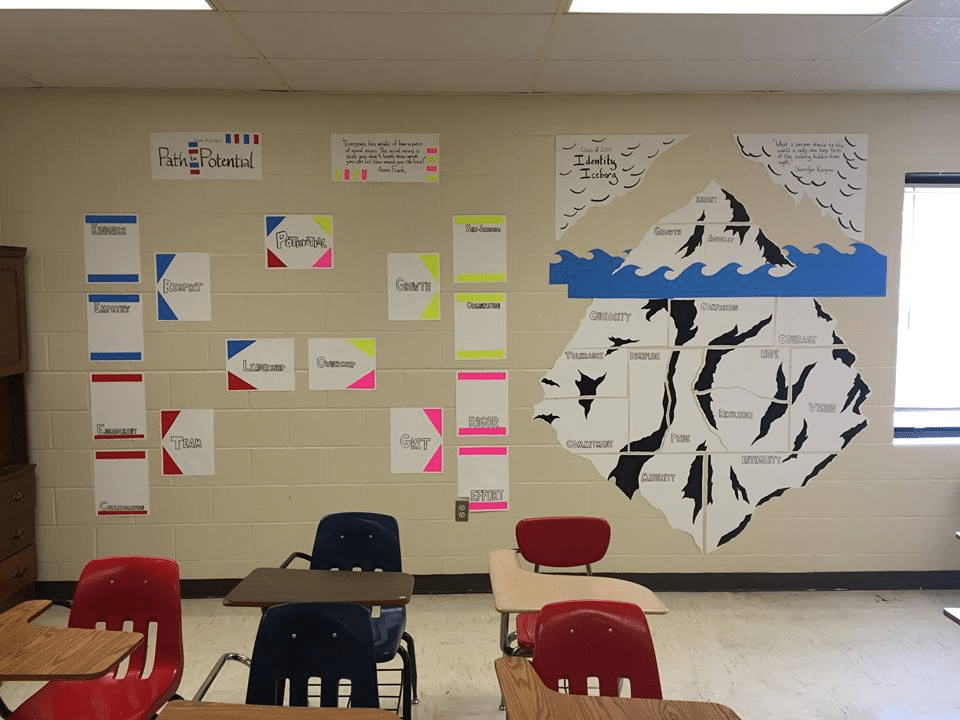
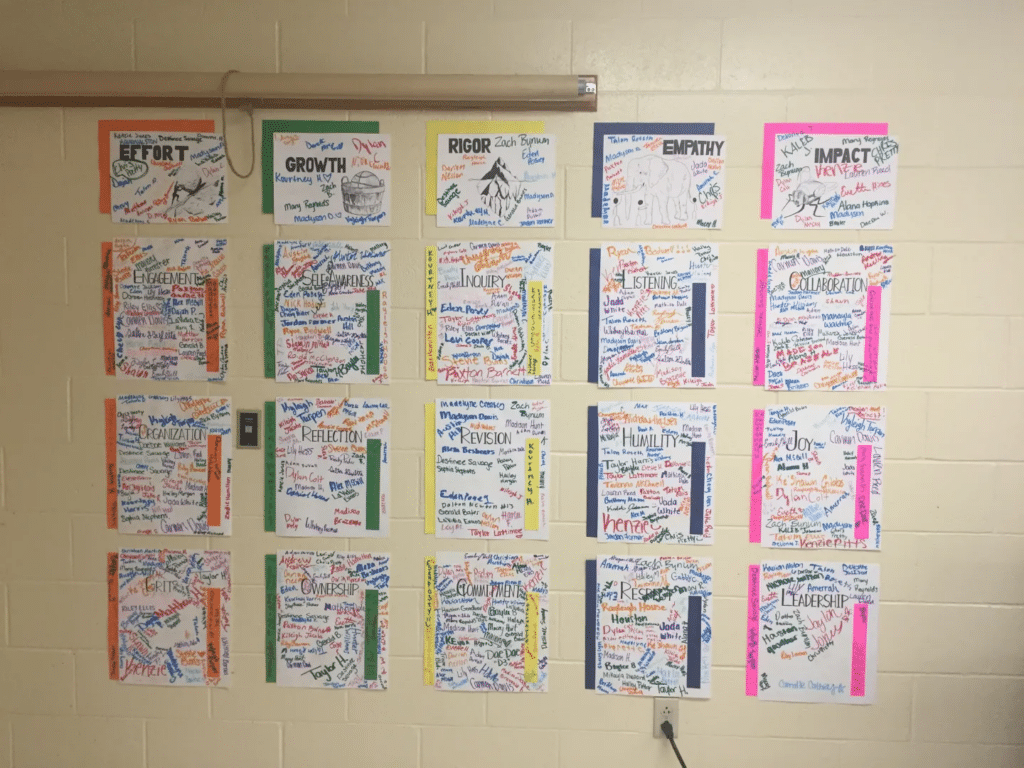
- Iterative Redesigns: Recognizing that classroom culture is dynamic, Luther allowed the system to evolve through several distinct structural layouts over the years, testing different shapes and numbers of core values to optimize student engagement and manageability.
- The Octopus Metaphor: In his current classroom setting, the system took on its signature marine form. Managing roughly 150 to 180 students across six distinct class periods, Luther refined the process to rely on digital tracking—transitioning from disorganized paper records to streamlined spreadsheets and Google Forms that could seamlessly integrate with exit tickets and quizzes.
- Parent-Teacher Integration: Today, the system extends beyond the classroom walls. During annual fall and spring conferences, students proudly direct their parents’ attention to the octopus, prompting teachers to pull up digital logs and read aloud the specific, affirming comments submitted by classmates months prior.
Supporting Data and Implementation Mechanics
Implementing a peer affirmation system in a high school environment requires careful scaffolding to overcome adolescent self-consciousness. Luther notes that the system is typically introduced two to three weeks into the school year, allowing time for foundational rapport-building.
Managing the Numbers
A critical design choice for educators adopting this framework is determining the number of featured values. While fewer values offer clarity—often preferable for younger learners—a higher number provides a broader range of behavioral "look-fors." Luther ultimately settled on eight values, a number dictated in part by the visual symmetry of the octopus, but strategically sound for preventing students from filling the posters prematurely.
Scaffolding the Nominations
To ensure high-quality submissions, educators must explicitly teach students what a thoughtful nomination looks like. Luther often provides exemplar nominations from previous academic years or models the process by nominating students himself.
The mechanics of the nomination are purposefully designed for psychological safety:
- Anonymity: Nominations submitted via digital forms remain strictly anonymous to encourage authentic praise without social anxiety.
- Specificity: Students must pair the nominee’s name and value with a concrete behavioral explanation (e.g., noting how a peer "always goes deeper and tries to see the underlying message in the text" or is "always really friendly and willing to talk to anyone").
- Efficiency: Once established, the nomination process integrates fluidly into existing routines, taking mere seconds when attached to routine formative assessments.
Official Responses and Classroom Dynamics
Introducing a public affirmation ritual to high school students—ranging from energetic freshmen to cynical, college-bound juniors and seniors—inevitably invites skepticism. Educators adopting similar models often anticipate resistance, eye-rolling, or initial apathy.
However, Luther’s longitudinal observations challenge the assumption that older students reject sincere praise. "If you as a teacher show that you care about it, then they will almost always follow suit," Luther notes. While playful peer pressure and lighthearted competition between class periods ("Decent applause, but nothing like last period!") help build momentum, the system consistently wins over even the most disengaged learners.
Anecdotal evidence from classrooms utilizing the wall highlights profound shifts in student investment:
- The "Too Cool" Paradox: Students who initially project detachment frequently become fiercely protective of the ritual, often counting their signatures or bringing friends into the classroom during lunch to showcase their recognitions.
- The Final-Day Phenomenon: In accounts that defy typical end-of-year exodus behavior, students have interrupted closing seminars on the final day of the term to demand that uncompleted wall-signing rituals be honored before summer break commences.
Implications for Modern Pedagogy and School Culture
The broader implications of Luther’s peer affirmation model extend far beyond classroom wall decoration, offering vital lessons for holistic student development and teacher efficacy.
1. Shifting Teacher Lens and Documentation
For educators, maintaining an organized digital record of peer nominations yields unexpected professional benefits. Teachers gain profound insight into interpersonal dynamics, spotting quietly impactful students who might otherwise slip through the cracks of a traditional, participation-graded classroom. Furthermore, these accumulated records serve as rich, evidence-based repositories when teachers draft college recommendation letters or craft uplifting communications to parents.
2. Prioritizing Intentionality in School Spaces
The fundamental philosophy underpinning the octopus is deceptively simple: At the end of the day, you value what you make space for.
In an educational landscape increasingly dominated by standardized testing metrics, digital distractions, and performance anxiety, carving out dedicated instructional time to celebrate human character sends an unmistakable signal. It teaches adolescents that emotional intelligence, empathy, and community-building are not extracurricular afterthoughts, but essential academic competencies.
3. Replicability Across Disciplines
Because the system relies on universal human values rather than subject-specific content, the framework is highly scalable. Whether adapted as a tree, a honeycomb, or a traditional bulletin board, the underlying architecture—defining values, soliciting anonymous peer feedback, and establishing a celebratory ritual of public recognition—can be implemented across diverse grade levels, subject areas, and school demographics.
Ultimately, systems like the classroom octopus prove that while adolescence is marked by shifting identities and social pressures, students deeply crave spaces where they are genuinely seen, valued, and affirmed by the community around them.