Bridging the Gap: How California Educators are Shaping the Future of AI in the Classroom
As artificial intelligence (AI) rapidly integrates into the fabric of modern life, the education sector faces a pivotal moment. The question is no longer whether AI will enter the classroom, but rather how it can be implemented with purpose, ethics, and pedagogical integrity. A new report from the Center on Reinventing Public Education (CRPE), conducted in partnership with the Silicon Schools Fund (SSF), sheds light on this transition, offering a roadmap for what happens when educators move beyond the hype and into the reality of pilot-based implementation.
The Main Facts: Moving Beyond Theoretical AI
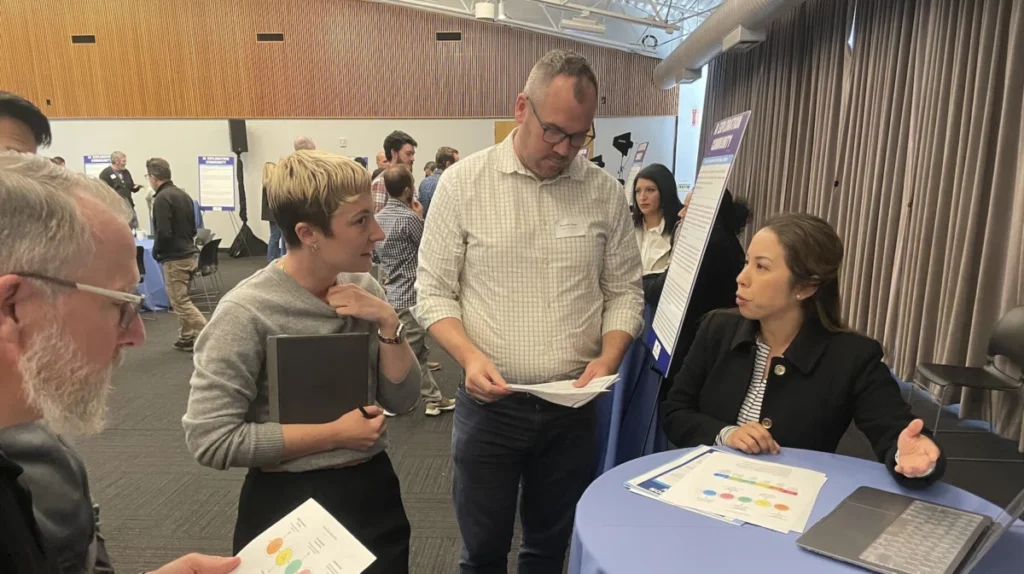
The CRPE’s latest research brief focuses on the second year of a longitudinal study observing the Silicon Schools Fund’s "AI Exploration Community of Practice." This initiative brought together a cohort of California educators tasked with a complex mandate: design, pilot, and evaluate AI-enabled solutions within their own school environments.
The findings suggest that the initial phase of AI adoption in schools is not defined by immediate, dramatic shifts in test scores or student outcomes. Instead, it is a period of "calibrated judgment." Educators are learning how to discern which AI tools are mere gimmicks and which hold genuine potential to support learning. By focusing on educator-led pilots, the research reveals that the true value of AI currently lies in the professional development it demands—forcing teachers to clarify their instructional goals and evaluate the technology against specific classroom needs.
Chronology: The Evolution of the Pilot Program
The journey of the AI Exploration Community of Practice began with the recognition that school districts were struggling to navigate the rapid influx of generative AI tools.
- Phase I: Engagement and Identification: In the first year, participating schools were introduced to the potential of AI, identifying pain points in their administrative and instructional workflows where technology might provide relief.
- Phase II: The Pilot Launch: During the second year, the focus shifted from theory to action. Educators were given the autonomy to design specific pilots. This involved selecting platforms, integrating them into lesson plans, and monitoring student responses.
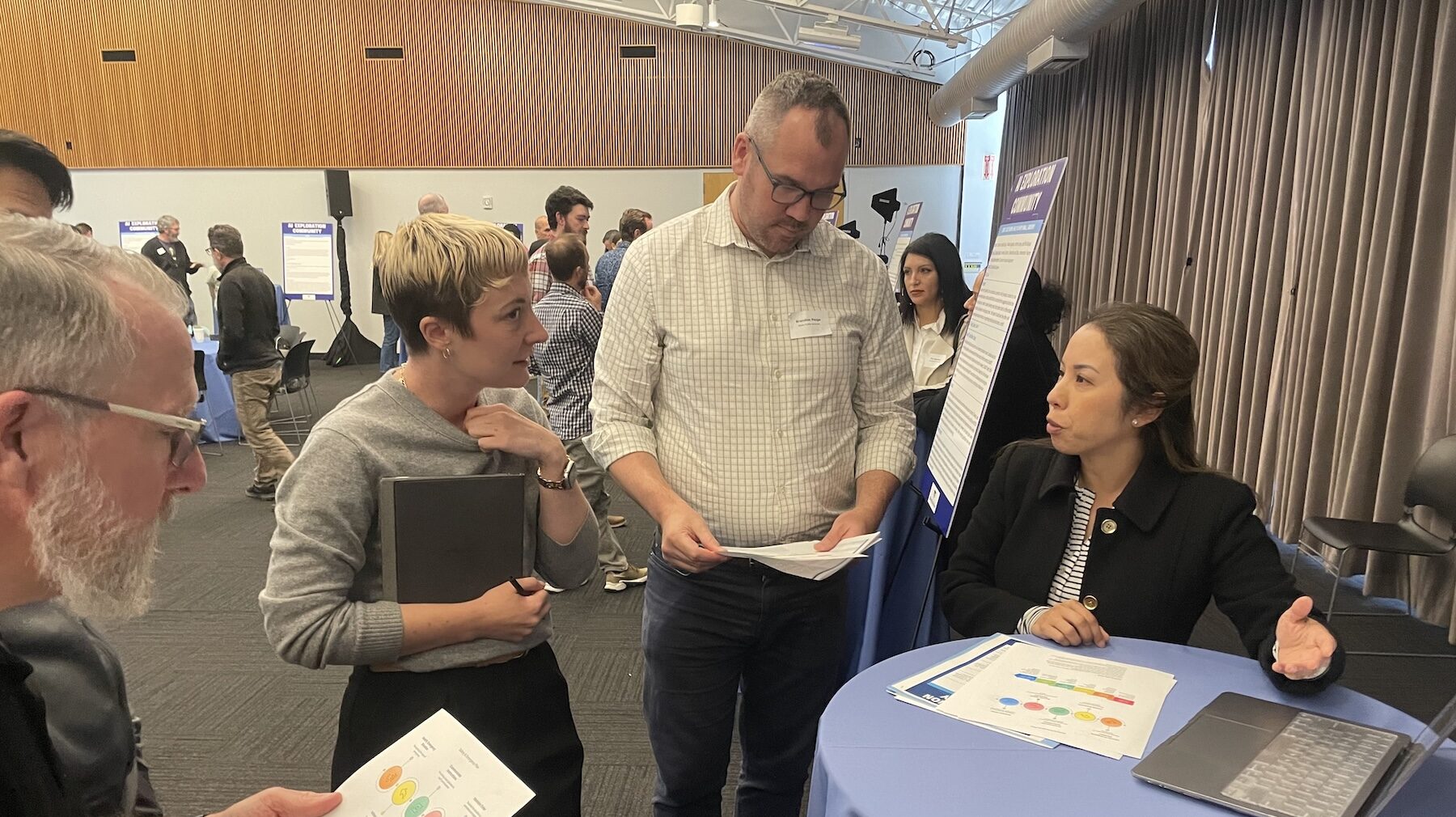
- Phase III: Data Analysis and Reflection: Throughout this year, CRPE researchers engaged in an intensive data-collection process. This included observing community of practice meetings, attending presentations by school leaders, and conducting in-depth interviews with the pilot leads.
- Phase IV: Synthesis and Recommendation: The current stage involves distilling these experiences into actionable guidance for districts, emphasizing that responsible implementation is a marathon, not a sprint.
Supporting Data: The Reality of Implementation
The CRPE analysis indicates that while the excitement surrounding AI is high, the practical application is nuanced. The study focused on 18 California schools, analyzing how different leadership structures and teacher-led teams managed the rollout.
One of the most critical takeaways is the shift in perspective regarding "measurable improvement." In the short term, the data suggests that educators are experiencing a refinement of their own professional judgment. Before a school can see a quantifiable boost in student engagement or achievement, teachers must first master the art of prompting, the ethics of data privacy, and the ability to detect AI-generated inaccuracies.
Furthermore, the observations highlighted that pilots succeed most when there is a strong "community of practice" framework. Schools that functioned in isolation struggled to overcome technical hurdles, whereas those that shared findings within the SSF network were able to iterate their pilots more quickly, discarding ineffective tools in favor of those that showed measurable promise.
Official Perspectives: The Role of Leadership
The research emphasizes that AI is not a "plug-and-play" solution. Chelsea Waite, Principal at CRPE, along with analysts Steven Weiner and Lisa Chu, argue that the responsibility of school leadership is to provide the "conditions" for success. This includes:
- Clear Ethical Guardrails: Establishing policies that protect student data and academic integrity.
- Time and Space for Iteration: Recognizing that teachers need time to "play" with the technology before they can effectively integrate it into high-stakes learning environments.
- Collaborative Networks: Moving away from the "siloed" approach to digital transformation, ensuring that educators have a support network to share best practices and cautionary tales.
The contributors note that the most successful pilot leads were those who treated AI as a tool for "augmentation" rather than "replacement." By focusing on how AI could alleviate administrative burdens or provide personalized feedback to students, these educators were able to maintain the human-centric focus essential to effective teaching.
Implications for the Future of Education
The long-term implications of this study are profound. If school districts treat AI as a quick-fix solution, they risk alienating teachers and compromising student learning. However, if they follow the model established by the Silicon Schools Fund and the CRPE, they can foster a culture of "informed decision-making."
1. The Human-AI Partnership
The report makes a compelling case that AI will not replace the teacher. Instead, it will create a new dynamic where the teacher’s role shifts toward that of a facilitator, editor, and ethical guide. Students, in turn, are developing the "AI literacy" necessary to navigate a future workforce where collaboration with intelligent systems will be a baseline requirement.
2. The Shift in Pedagogical Design
Pilot schools found that integrating AI often required a redesign of assessments. Traditional essay-based homework, for instance, became less viable in an era of generative text, forcing educators to move toward more robust, in-class critical thinking exercises and oral assessments. This is a positive development, as it pushes instruction toward higher-order cognitive tasks that AI cannot easily replicate.
3. Policy and Investment Recommendations
The brief concludes with a call to action for district administrators. Schools should:
- Invest in Infrastructure: Ensure teachers have access to secure, vetted AI platforms.
- Foster Professional Learning Communities: Create formal spaces for teachers to discuss AI, share successes, and—perhaps more importantly—share failures.
- Prioritize Equity: Ensure that AI-enabled tools are accessible to all students, regardless of socioeconomic background, to prevent a new "digital divide."
Conclusion: A Measured Path Forward
The experience of California educators in the Silicon Schools Fund’s community provides a realistic, grounded view of what lies ahead for public education. The transition to an AI-augmented classroom is fraught with challenges, from technical glitches to ethical concerns. Yet, the CRPE study offers a sense of cautious optimism.
By focusing on the professional judgment of educators, schools can navigate the current hype cycle and emerge with a more robust, thoughtful approach to technology. As the report concludes, while educator-led pilots may not provide an immediate, overnight transformation of teaching and learning, they are doing something more important: they are building the critical knowledge base that students and teachers need to thrive in a rapidly evolving technological landscape.
The journey toward AI-integrated education is only beginning. By prioritizing human expertise and systematic, collaborative learning, the education sector can ensure that when AI is brought into the classroom, it is done so with a clear purpose and a firm commitment to the success of every student.
For further reading on this topic, see the related publication: "What California Teachers Are Trying, Building, and Learning with AI," a comprehensive breakdown of the 18-school study produced by the CRPE research team.