President Biden’s Fiscal Year 2025 Budget Praised as a "Win for Babies" by Early Childhood Advocates
WASHINGTON, DC — In the wake of the White House’s official budget rollout, national early childhood development advocates have thrown their support behind the administration’s financial blueprint. ZERO TO THREE, the nation’s leading nonprofit dedicated to ensuring infants and toddlers receive a strong start in life, formally praised President Joe Biden’s proposed Fiscal Year (FY) 2025 budget as a landmark legislative vision for America’s youngest children and their families.
According to organizational leaders, the sweeping economic and social proposals embedded within the federal spending plan target critical vulnerabilities in early childhood infrastructure. By addressing everything from maternal healthcare access to affordable child care, the budget aims to bridge persistent equity gaps and establish a firm foundation for long-term childhood development.
Main Facts: What the FY 2025 Budget Proposes for Families
President Biden’s FY 2025 budget request outlines a multi-layered federal investment strategy aimed at alleviating the compounding pressures facing modern American households. Following closely on the heels of the President’s State of the Union address—where family empowerment and economic choice took center stage—the budget translates broad policy goals into concrete funding lines.
At its core, the proposed budget approaches early childhood development through a holistic lens. Rather than treating issues like child care, mental health, and housing as isolated silos, the administration’s blueprint recognizes that an infant’s well-being is inextricably linked to the stability, health, and economic security of their caregivers.
Key focus areas of the budget align directly with ZERO TO THREE’s framework for early childhood success, known as the Five Key Areas:
- Maternal Health: Expanding postpartum care and tackling high maternal mortality rates, particularly among women of color.
- Infant and Early Childhood Mental Health (IECMH): Directing resources toward social-emotional support systems for babies and toddlers.
- Child Care: Reducing the financial burden of high-quality child care for working families while supporting the early childhood workforce.
- Housing: Mitigating housing instability that poses immediate developmental threats to infants.
- Economic Security: Strengthening programs that lift families out of poverty, including refundable tax credits and nutrition assistance.
Chronology: The Path from the State of the Union to the Budget Release
The journey toward the FY 2025 budget proposal reflects a concerted, multi-month legislative strategy by the administration to center working families in national economic conversations.
- Early 2024: As administration officials finalized federal agency requests, advocacy groups including ZERO TO THREE intensified lobbying efforts on Capitol Hill. Emphasizing the findings of their national parent surveys—which showed contemporary parents focusing deeply on mental health and child development—advocates urged the White House to prioritize babies in the upcoming fiscal cycle.
- March 2024 (State of the Union): President Biden used his annual address to lay out a vision for economic empowerment, underscoring the high cost of child care, the ongoing maternal health crisis, and the necessity of expanding family leave and tax credits.
- Mid-March 2024 (Budget Release): The White House officially published the Fiscal Year 2025 budget. The comprehensive document formalized the President’s televised promises, dedicating specific federal appropriations to early childhood programs, maternal health initiatives, and economic safety nets.
- Post-Budget Phase (Present): With the budget now formally submitted to the legislative branch, the focus has shifted immediately to Capitol Hill. Advocacy organizations, policy experts, and lawmakers are preparing for appropriations battles, working to preserve—and potentially expand—these early childhood investments during congressional negotiations.
Supporting Data: The Urgent Need for Early Childhood Investments
The administration’s focus on infants and toddlers arrives at a precarious time for American families. Decades of research in neuroscience and child development confirm that 90% of a child’s brain develops by the age of five, making the earliest months and years critical windows of opportunity. Yet, systemic barriers continue to place millions of infants at a disadvantage.
The Child Care Crisis
Child care affordability remains one of the single greatest pressures on young families. According to recent economic data, the cost of center-based infant care often eclipses the cost of in-state college tuition. Families routinely spend upwards of 20% to 30% of their household income on care, forcing many parents—predominantly mothers—to step away from the workforce entirely. This "motherhood penalty" triggers long-term wage gaps and contributes to family economic insecurity.
Maternal and Infant Health Disparities
The United States continues to face a maternal mortality crisis that disproportionately impacts Black, Indigenous, and rural women. Complications during pregnancy and childbirth have cascading effects on infant development. Furthermore, toxic stress and housing instability during infancy alter brain architecture, leaving lifelong impacts on cognitive, emotional, and physical health.
Parental Mindsets and Evolving Demographics
Recent data from ZERO TO THREE’s First Voice national survey underscores a profound cultural shift among modern parents. The survey revealed that six in ten parents today focus significantly more on their children’s mental health and emotional well-being than previous generations did. Modern parents are striving to be more intentional and affectionate, yet they report feeling profoundly unsupported by systemic infrastructure. They are actively calling for public policies—such as subsidized child care, paid family leave, and accessible mental health services—that allow them to put their child-rearing philosophies into daily practice.
Official Responses: What Stakeholders Are Saying
The release of the budget has galvanized advocacy groups, early childhood professionals, and policy analysts across the political spectrum, though it also sets the stage for fierce congressional debates.
ZERO TO THREE’s Endorsement
Miriam Calderón, Chief Policy Officer at ZERO TO THREE, issued an enthusiastic endorsement of the proposals, framing them as a historic opportunity for the nation.

"If implemented, President Biden’s budget released today will make our nation a better and fairer nation to have and raise a baby," Calderón stated. "ZERO TO THREE has urged Congress and the Administration to prioritize the needs of babies and their families in five key areas: maternal health, infant and early childhood mental health, child care, housing, and economic security."
Calderón also emphasized that the budget successfully operationalizes the themes introduced during the State of the Union. "The President laid out a path toward a future where families are empowered and have choices about their baby’s future. This proposed budget expands on this vision with proposals that address all facets of young children’s development."
The Call to Action for Congress
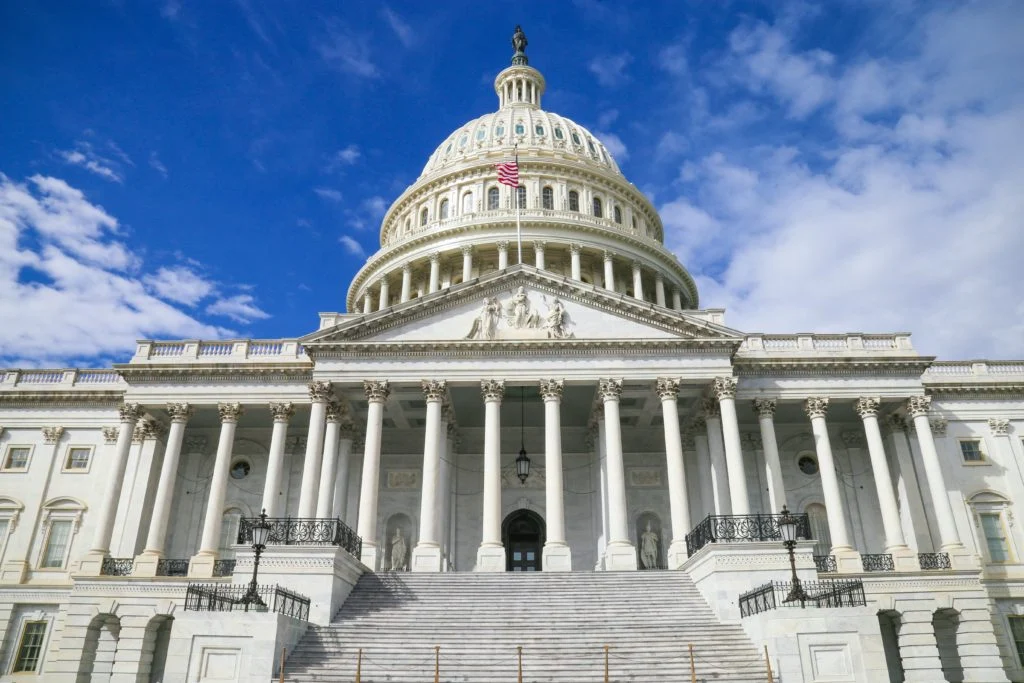
While the administration’s budget serves as a statement of priorities, the executive branch does not hold the ultimate power of the purse. That constitutional authority rests with the United States Congress.
Recognizing this reality, Calderón directed her focus directly toward Capitol Hill, calling for bipartisan cooperation to protect and enact the proposed funding streams.
"Now, Congress must work with the Administration to deliver for families and babies," Calderón urged. "We look forward to working with Congressional appropriators and our baby champions on the Hill to make these bold proposals a reality."
Implications: What the FY 2025 Budget Means for the Future
The debate over the Fiscal Year 2025 budget is far more than an exercise in federal accounting; it is a referendum on national values and economic longevity. The implications of enacting—or failing to enact—these proposed investments will reverberate for generations.
1. Economic Productivity and Workforce Participation
By prioritizing child care subsidies and early learning programs, the budget directly addresses supply-side failures in the labor market. When parents—particularly mothers—have access to reliable, affordable infant care, they can re-enter or remain in the workforce. This bolsters household income, reduces poverty, and strengthens the broader national economy by expanding the talent pool.
2. Bridging the Achievement Gap Early
Intervening during the first three years of life is widely recognized by economists as having the highest return on investment of any educational or social intervention. Funding infant and early childhood mental health programs, alongside maternal support, helps neutralize adverse childhood experiences (ACEs) before they manifest as chronic health, behavioral, or educational challenges later in life.
3. The Legislative Road Ahead
Despite the enthusiasm from early childhood advocates, the path forward in a divided Congress remains fraught with political hurdles. Federal spending caps, partisan disagreements over the scope of government intervention, and competing national security and defense priorities will test the resolve of "baby champions" in the House and Senate.
As appropriations committees begin drafting their respective spending bills, advocacy networks like ZERO TO THREE are mobilizing grassroots supporters, pediatricians, child care providers, and parents to keep pressure on lawmakers.
Ultimately, the FY 2025 budget sets a high-water mark for federal commitment to early childhood development. Whether Washington can bridge political divides to deliver a true "win for babies" will depend heavily on the advocacy and persistence of communities nationwide in the months to come.