Temple University Faces Second Year of Workforce Reductions Amidst Enrollment Turnaround
By Higher Ed Dive Staff
Published July 10, 2026
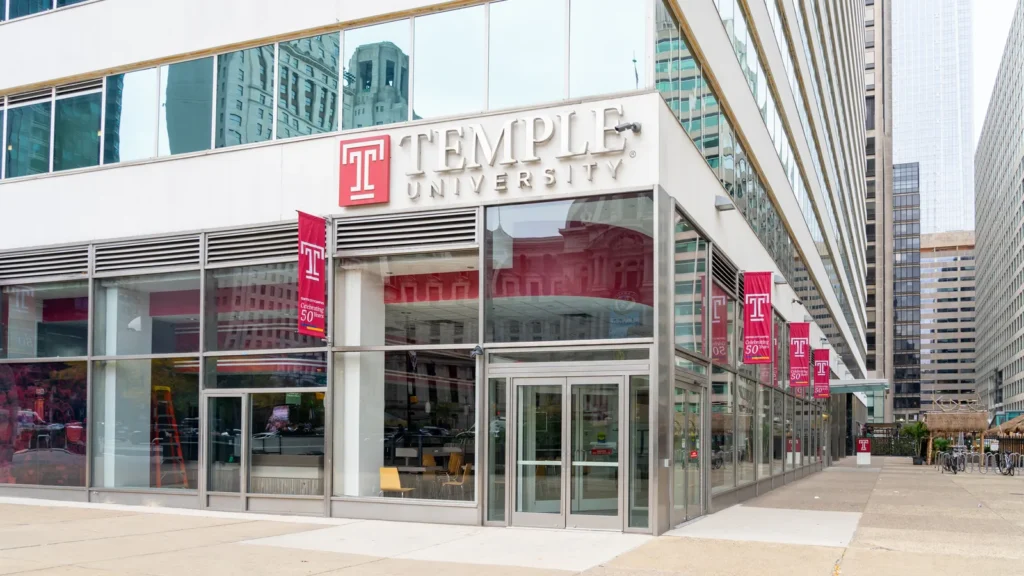
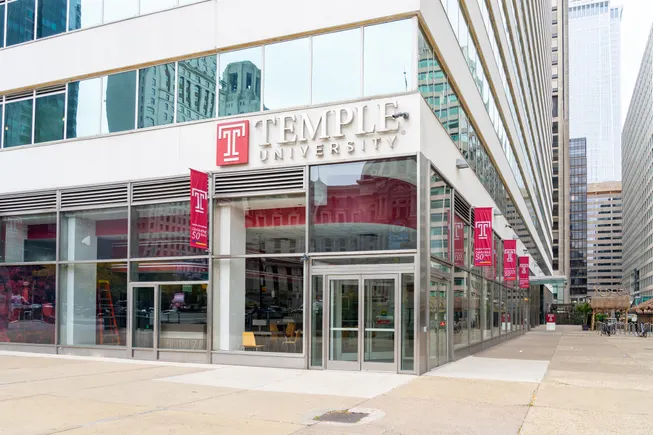
Temple University, a cornerstone of public higher education in Philadelphia, has announced a new round of workforce reductions, marking the second consecutive year the institution has turned to layoffs to combat persistent structural budget deficits. As the university enters fiscal year 2027, the administration is attempting to balance the harsh realities of long-term financial recalibration with the optimism of a recent surge in student recruitment.
The decision to lay off 40 employees is a sobering reminder of the financial instability currently plaguing many institutions across the United States. While Temple has made significant strides in reversing a multi-year decline in enrollment, the lead time required for those gains to manifest as sustainable revenue remains a significant hurdle for leadership.
The Financial Landscape: A Struggle for Structural Balance
For Temple University, the current fiscal environment is defined by the tension between aggressive cost-cutting measures and the necessity of investing in growth. President John Fry, who has been steering the university through these turbulent waters, recently communicated to the campus community that the institution’s budget woes are the result of a long-term "scissors effect": enrollment numbers shrunk faster than operating costs could be adjusted over the past seven years.
The university has not been idle in its efforts to stabilize its balance sheet. Since 2021, Temple has successfully excised approximately $320 million in operating expenses. Despite these drastic measures, the institution continues to face pressure to reach a balanced budget, a goal President Fry has set to achieve within the next three years.
The latest round of layoffs, while smaller in scale than previous efforts, underscores the lingering challenges of maintaining a sprawling urban university in an era of demographic shifts and rising institutional costs. The administration noted that a voluntary buyout program implemented earlier this year helped mitigate the number of involuntary terminations, softening the blow for the workforce.
A Chronology of Retrenchment and Recovery
To understand the current state of Temple University, one must look at the recent trajectory of its fiscal and operational decisions:
- 2018–2024 (The Enrollment Slump): During this period, Temple experienced a significant contraction in its student body. The fall headcount dropped by approximately 25%, falling to 29,640 students. This decline in tuition-paying students placed a heavy strain on the university’s revenue model.
- Summer 2025 (The $60 Million Hole): Facing an estimated $60 million budget deficit, university leadership initiated a comprehensive review of its Responsibility Center Management (RCM) model. This resulted in the elimination of about 50 positions—roughly 1% of the workforce at the time—combined with attrition and the freezing of vacant roles. These actions successfully reduced the projected deficit to $27 million.
- October 2025 (A Glimmer of Hope): Temple reported a significant turnaround in its recruitment efforts, welcoming its largest-ever incoming class for the class of 2029, which totaled 5,379 students—a 9.2% increase year-over-year.
- June 2026 (The Strategic Pivot): President Fry addressed the campus, acknowledging that while enrollment was trending upward, the financial damage of the preceding years necessitated further, albeit targeted, workforce reductions.
- July 2026 (The Current Action): The university confirms the layoff of 40 staff members, citing the need to further align operating costs with current revenue projections.
Supporting Data: The Duality of Enrollment and Expenditure
The irony of Temple’s current position is that it is simultaneously celebrating record-breaking recruitment while managing a shrinking operational footprint. The university’s recent success in attracting first-year undergraduates is a vital indicator of its long-term viability, but it creates a paradoxical short-term financial challenge.
The Enrollment Paradox
While first-year intake has reached record levels, the total student body is still recovering from the steep declines experienced between 2018 and 2024. President Fry noted this week that while the influx of new students is an "excellent sign," it will take "several more years until we see a meaningful increase in our overall domestic enrollment." This is due to the fact that the university must first graduate the smaller classes admitted during the pandemic-era downturn before the record-breaking new cohorts can fully replace them in the aggregate headcount.
The Cost of Competition
Simultaneously, the cost of securing this enrollment growth is increasing. For the upcoming academic year, Temple has committed to distributing $196.1 million in institutional financial aid to undergraduates. This represents a 7% increase over the previous year and stands as a historical record for the institution. While this investment is essential for maintaining a competitive edge and ensuring access for students, it represents a significant expenditure that further complicates the path to a balanced budget.

Higher Education in Flux: The National Context
Temple University’s predicament is not an isolated incident; it is a microcosm of a broader crisis facing American higher education. Institutions—ranging from large public research universities to small private liberal arts colleges—are grappling with the same "fiscal cliff" entering the 2027 fiscal year.
The list of universities announcing similar measures is growing. Kent State, Bowie State, Colorado State, and Johns Hopkins have all recently initiated layoffs or major budget restructurings. The causes are universal:
- Lagging State Funding: Many public institutions are seeing flat or declining support from state legislatures, forcing a heavier reliance on tuition revenue.
- Federal Policy Uncertainty: Changes in federal aid processing and international student visa policies have created volatility in enrollment pipelines.
- Inflationary Pressures: The rising costs of utilities, labor, and technology infrastructure have outpaced revenue growth for many institutions.
- The Demographic Cliff: The projected decline in the number of high school graduates in the Northeast and Midwest continues to intensify competition for a dwindling pool of 18-year-olds.
Official Responses and Strategic Outlook
President John Fry’s leadership approach has been one of transparent, albeit difficult, communication. By framing the current layoffs within the context of a three-year plan to reach fiscal sustainability, the administration is attempting to provide a clear timeline for the campus community.
"This is an excellent sign," Fry remarked regarding the record deposit numbers for the incoming class. However, he remains measured in his optimism. His messaging emphasizes that while the "worst" of the fiscal contraction may be in the rearview mirror, the institution must remain disciplined in its spending until the larger student cohorts transition into their junior and senior years, at which point the revenue impact will be more pronounced.
The university’s reliance on its RCM (Responsibility Center Management) model remains a point of contention and interest among faculty and staff. The model, which decentralizes budgeting by making individual schools and colleges responsible for their own revenue and expenses, has been both praised for its transparency and criticized for fostering an overly competitive internal environment. The 2025 review of this model was a pivotal moment in Temple’s fiscal history, and its ongoing refinement remains central to the university’s recovery strategy.

Implications: What to Watch for in the Coming Months
As Temple moves into the 2026-2027 academic year, stakeholders will be monitoring several key performance indicators:
- Retention Rates: While recruitment is up, the university’s ability to retain the record-breaking class of 2029 will be the true test of its financial recovery. If the university can hold onto these students through their sophomore year, the revenue stabilization will be significantly bolstered.
- State Legislative Relations: With Philadelphia’s political landscape evolving, the university’s ability to lobby for increased state funding will be critical to reducing the reliance on tuition-funded financial aid.
- Operational Efficiencies: Beyond headcount reductions, Temple is expected to look for further efficiencies in its physical plant and administrative overhead. The question remains how much more the institution can "right-size" without impacting the quality of the student experience or academic programming.
- The Three-Year Goal: All eyes will be on the 2028-2029 fiscal cycle. If the university meets its goal of a balanced budget, it will serve as a case study for how large urban public universities can pivot in the face of demographic and economic headwinds.
In conclusion, Temple University is currently navigating a delicate transition. By pairing the harsh reality of staff reductions with record-breaking enrollment investments, the administration is betting that the current pain will yield a more stable and prosperous future. For the 40 employees impacted this month, the news is a difficult conclusion to their tenure, but for the university at large, it is a strategic maneuver intended to safeguard the institution for the next generation of students.