Florida’s Higher Education Pivot: Sweeping Ban on Undocumented Students Triggers Enrollment and Financial Crisis
By [Your Name/Journalistic Desk]
July 2, 2026
In a landmark decision that promises to reshape the landscape of American higher education, Florida has moved to effectively bar undocumented students from its public college and university systems. The policy, which solidifies a growing trend of restrictive state-level legislation, threatens to displace tens of thousands of learners and represents a significant departure from the historical role of public institutions as engines of economic mobility for all state residents.
The Scope of the Policy
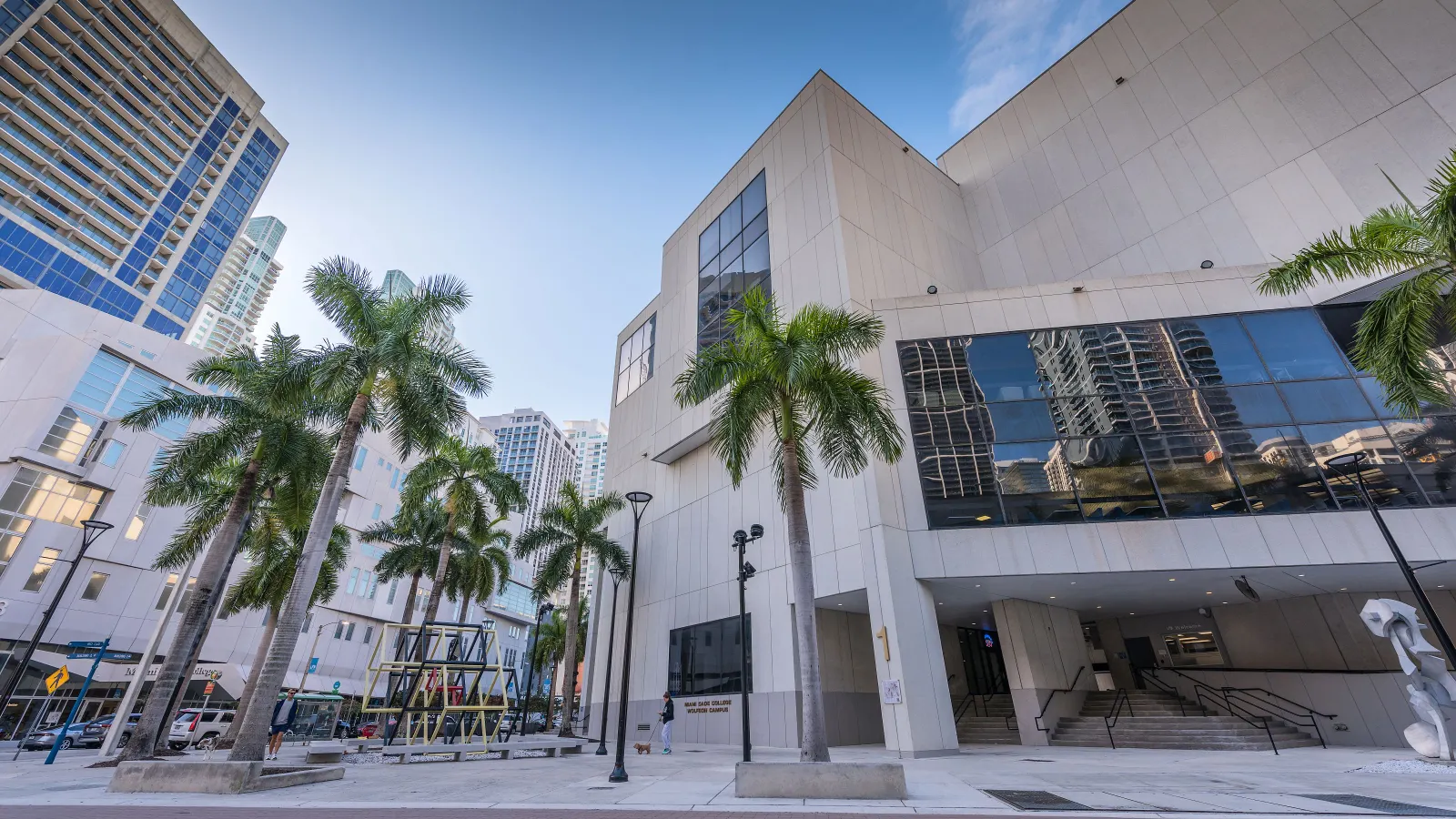
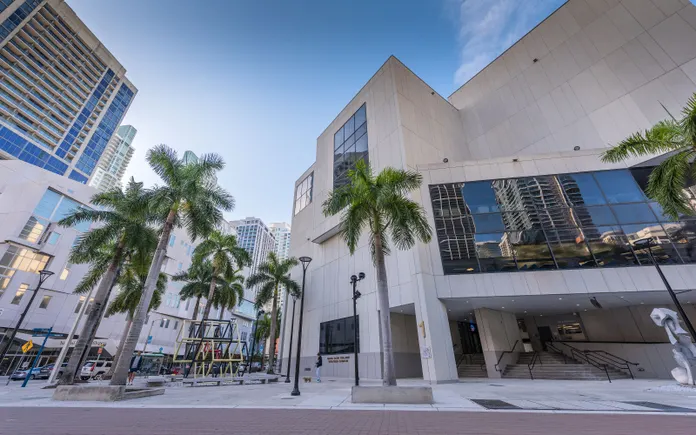
The Florida College System, encompassing 28 institutions—including major hubs like Miami Dade College—has officially enacted a policy prohibiting the enrollment of individuals who cannot verify legal presence in the United States. This decision follows a cascade of legislative efforts in the Sunshine State aimed at tightening immigration controls within public infrastructure.
The impact of this policy is immediate and far-reaching. Beyond the human cost, the Florida Policy Institute has projected that the state college system stands to lose approximately $15 million annually in tuition and fee revenue. This financial shortfall poses a structural risk to institutions that rely on consistent enrollment numbers to maintain staffing, facility maintenance, and program diversity.
A Chronology of Exclusion
The current policy is not an isolated event but the culmination of a multi-year effort by Florida’s conservative leadership to restrict access to public services for undocumented residents.
- 2025 – The Legislative Precursor: The state legislature moved to repeal a long-standing statute that had permitted certain undocumented students to pay in-state tuition rates. By removing this financial lifeline, the state signaled its intent to discourage the enrollment of non-citizens.
- Early 2026 – Escalation: Florida’s governing board for the state’s 12 public universities began formalizing a similar ban. Throughout the first half of 2026, administrative pressure mounted to harmonize university admissions policies with the more restrictive protocols being drafted for the college system.
- Late June 2026 – The University Vote: In a decisive move last week, the governing board for Florida’s public universities advanced a policy to bar any student deemed “present in the United States unlawfully.”
- July 2, 2026 – The College System Finality: Following the college system’s vote, the ban on undocumented students became a systemic reality across all 28 state colleges, signaling a unified institutional front against the enrollment of this demographic.
Supporting Data: The Magnitude of the Impact
The demographic footprint of the affected student population is substantial. According to a June 2025 analysis from the American Immigration Council, approximately 50,000 students in Florida were classified as undocumented. For many of these individuals, the community college system serves as their primary—and often only—gateway to vocational training, associate degrees, and eventual transition to four-year universities.
Economists and education analysts argue that the $15 million revenue loss is a conservative estimate. It does not account for the “multiplier effect,” where the absence of these students leads to reduced demand for campus services, auxiliary support, and the eventual workforce pipeline that Florida industries depend on to fill gaps in nursing, technology, and trade sectors.
The Legal Landscape and Federal Tension
The situation in Florida has drawn the ire of federal authorities and legal watchdogs. Nationally, the U.S. Department of Justice (DOJ) has engaged in an active campaign to challenge state-level attempts to restrict education access. In several instances across the country, federal lawsuits have successfully nullified state laws that mirrored Florida’s current trajectory.
However, the legal environment is precarious. While judges have struck down four similar laws following joint motions for nullification between state and federal officials, the current political climate in Florida suggests a willingness to litigate these issues to the highest levels. The state’s move challenges the traditional interpretation of Plyler v. Doe, the landmark 1982 Supreme Court case that guaranteed access to K-12 public education for undocumented children, by testing the limits of that precedent at the post-secondary level.
Official Responses and Stakeholder Concerns
The institutional response has been one of cautious silence, with many college administrators constrained by the mandates issued by the state’s governing boards. However, private advocacy groups and student organizations have been vocal.

"Education is a public good, not a partisan tool," stated a spokesperson for an advocacy group tracking the policy. "By creating these barriers, the state is effectively capping its own economic potential. When you remove 50,000 potential students from the pipeline, you are not just hurting those individuals; you are starving the state’s future workforce of talent."
Proponents of the policy argue that the move is necessary to prioritize state-funded resources for legal residents and citizens. They contend that the allocation of taxpayer dollars should strictly adhere to federal immigration status, viewing the policy as a matter of fiscal responsibility and legal compliance.
Implications for the Future of Higher Education
The national ramifications of Florida’s experiment are profound. Florida has frequently served as a “laboratory” for conservative higher education policies, many of which have been subsequently adopted by other Republican-controlled states.
The state has already established a blueprint for:
- DEI Restrictions: Bans on diversity, equity, and inclusion spending that have rippled through other conservative states.
- Civics Centers: The establishment of specialized, ideologically aligned civics centers within public universities.
- Admissions Overhauls: A systemic narrowing of who is deemed eligible for public institutional support.
Observers are now watching to see if states like Texas, Tennessee, or Arizona—which have historically mirrored Florida’s policy shifts—will follow suit. If a wave of similar bans sweeps across the South and Midwest, the United States could face a fragmented higher education system where access is determined by state-level immigration policy rather than academic merit or universal standards.

The Road Ahead
For the 28 institutions within the Florida College System, the immediate challenge lies in implementation. How will colleges vet the legal status of tens of thousands of applicants? What happens to current students currently enrolled, many of whom are nearing the completion of their degrees?
The governing board of the university system is expected to hold a final vote following a mandatory 14-day public comment period. That vote will likely serve as the final seal on a policy shift that has irrevocably changed the mission of Florida’s public education system.
As the state moves forward, the question remains whether the ideological gains sought by lawmakers will outweigh the long-term economic and human capital costs. In the short term, thousands of students are left in limbo, facing the sudden termination of their academic aspirations, while the state’s public institutions brace for a period of fiscal contraction and structural uncertainty.
The saga in Florida serves as a stark reminder of the intersection between political sovereignty and the mandate for public education—a conflict that will likely be adjudicated in courtrooms and classrooms for years to come.