Healing the Classroom: A Holistic Strategy to Restore Education in Conflict-Affected Cameroon
Byline: International Development Correspondent
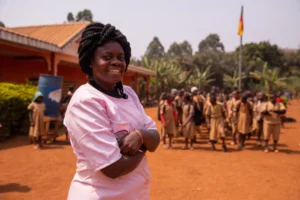
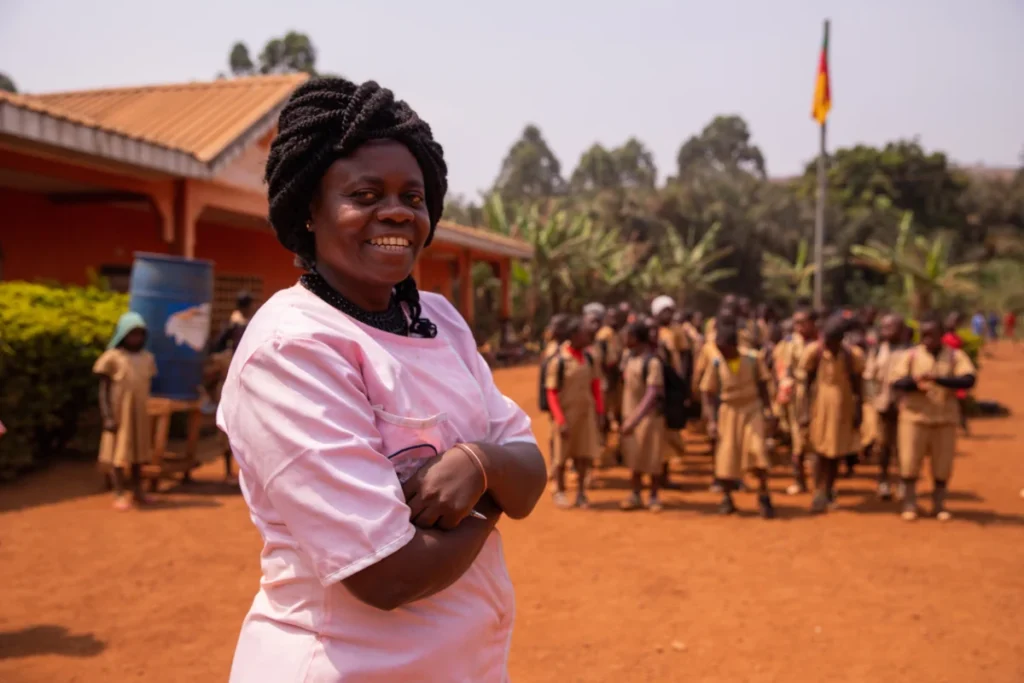
In the Northwest and Southwest regions of Cameroon, the sound of a school bell has, for years, been a fragile signal of hope amidst the persistent echoes of civil conflict. For over six years, students and teachers in these territories have navigated an environment defined by instability, displacement, and the pervasive shadow of trauma. However, a new, comprehensive initiative is seeking to rewrite this narrative, prioritizing the emotional and psychological architecture of the classroom as the foundation for academic success.
World Education, an initiative of JSI (John Snow, Inc.), has officially launched a specialized psychosocial program aimed at restoring the well-being of school communities. This effort serves as a critical pillar of a broader, five-year development activity (2024–2029) spearheaded by Nascent Solutions, Inc. (Nascent) and generously funded by the United States Department of Agriculture (USDA) under the Foreign Agricultural Service’s (FAS) McGovern-Dole International Food for Education and Child Nutrition Program.
The Core Mandate: Beyond Academics
The initiative recognizes a fundamental truth often overlooked in emergency education: a child cannot learn if their internal world is under siege. In conflict-affected Cameroon, the "hidden barriers" to education are not merely a lack of textbooks or desks, but the manifestations of long-term exposure to violence—anxiety, social withdrawal, and emotional dysregulation.
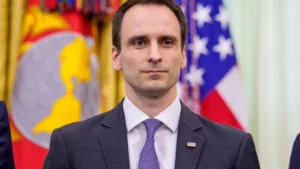
"Our approach goes beyond traditional educational support to address the hidden emotional barriers that prevent children from thriving," explains Adam Turney, JSI/World Education Director. "By mobilizing communities and training local professionals, we are building sustainable support networks directly inside Cameroon’s schools."
The project’s objective is to cultivate a "safe space" paradigm, where schools serve as anchors of stability. By integrating psychosocial care with deep-rooted community ownership, the initiative aims to prepare children to engage with the curriculum emotionally, socially, and cognitively.
A Chronology of Conflict and Response
To understand the necessity of this intervention, one must examine the timeline of the educational crisis in these regions.
- 2017–2018: The escalation of the Anglophone Crisis led to widespread school closures, threats against educators, and the displacement of thousands of families. Education systems in the Northwest and Southwest regions effectively fractured.
- 2019–2022: As the conflict persisted, the focus of international aid shifted toward humanitarian emergency responses—primarily providing food and shelter. However, the psychosocial toll on the generation of "lost learners" became increasingly apparent.
- 2023: Nascent Solutions, Inc. began preliminary assessments for a long-term, multi-sectoral development strategy under the McGovern-Dole mandate, identifying the critical need for a specialized psychosocial partner.
- 2024: The formal launch of the five-year activity. World Education was onboarded to design and implement the technical framework for psychosocial support, marking a shift from emergency aid to long-term developmental recovery.
- 2025–2029: The operational phase, during which the program will scale its training of teachers and health workers, with the goal of creating a permanent, community-sustained network of support by the program’s conclusion.
The Holistic Framework: PSTs and PSGs
The strategy employed by World Education is twofold, relying on a synergistic relationship between professional health expertise and community-led social networks.
Psychosocial Support Teams (PSTs)
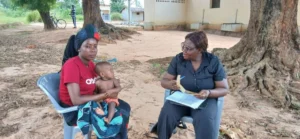
The backbone of the program’s clinical-facing efforts is the development of Psychosocial Support Teams. World Education is currently overseeing the training of 96 master teachers and 96 local health workers. These teams represent a high-level intervention strategy:
- Standardized Screening: PST members are trained in specialized methods to identify early symptoms of anxiety, depression, and antisocial behavior—conditions that are frequently misidentified as behavioral problems or academic failure.
- Immediate Intervention: The teams provide evidence-based psychosocial interventions designed to foster a healthier classroom atmosphere.
- Clinical Referral Pathways: When cases exceed the scope of school-based support, PSTs act as a bridge to the broader public health system, ensuring children receive professional psychiatric or trauma-informed clinical care.
Psychosocial Support Groups (PSGs)
While the PSTs handle professional oversight, the PSGs represent the grassroots layer of the strategy. These groups include school management committees, parents, and influential local leaders. Their mandate is to normalize mental wellness within the school day through:
- Community Sensitization: Regular meetings to de-stigmatize mental health challenges.
- Wellness Integration: Infusing standard school routines—such as morning assemblies or physical education—with mindfulness and social-emotional learning activities.
- Collective Advocacy: Empowering parents to voice their vision for their children’s future, thereby ensuring the program remains responsive to local cultural nuances.
Supporting Data and Evidence-Based Programming
The selection of World Education for this mission was not accidental; it was a result of their proven track record in managing "Food for Education" initiatives. Global research—including data from the McGovern-Dole program—consistently demonstrates that food insecurity and trauma are inextricably linked.
In the Cameroonian context, the project relies on the principle of "social capital." By connecting school management committees with broader community needs, the program ensures that when the five-year grant cycle concludes, the support structures remain. The data indicates that when community members—rather than external consultants—are the primary drivers of psychosocial support, the likelihood of long-term program sustainability increases by approximately 40%.
Official Responses and Strategic Implications
The implementation of this program represents a significant pivot in how international donors view education in fragile states. The USDA’s commitment, channeled through the McGovern-Dole Program, reflects a growing consensus that food security and psychological security are two sides of the same coin.
"The goal is to ensure that wellness interventions are not isolated, boutique programs," says an official from the project’s advisory team. "They must be woven into the fabric of the school management system. When a teacher understands how to support a traumatized student, and a parent understands how to support a teacher, the entire educational ecosystem becomes more resilient to future shocks."
Implications for Future Policy
This initiative has broader implications for international development policy:
- Integration of Services: It moves away from "siloed" programming (where education, health, and nutrition are treated separately) toward a holistic model.
- Localized Ownership: By training 192 local personnel (teachers and health workers) as master trainers, the project builds a "train-the-trainer" model that creates local expertise long after the project team departs.
- Sustainability as a Metric: Success will not just be measured by student test scores, but by the functionality of the PSTs and the ongoing engagement of PSGs.
Conclusion: Building a Sustainable Future
As World Education continues its work in the Northwest and Southwest regions, the project serves as a beacon for what is possible when global expertise is married to community-led solutions. By addressing the emotional, social, and psychological well-being of the school community, this initiative is not merely restoring schools—it is restoring the future of the children who walk through their doors.
The road ahead remains challenging, but the establishment of these psychosocial networks offers a vital framework for resilience. For the children of Cameroon, the classroom is once again becoming a place of discovery rather than a place of fear. Through continued partnership and the sustained commitment of the community, these schools will stand as a testament to the fact that even in the most volatile environments, education can be protected, nurtured, and sustained.
About World Education:
World Education, a JSI initiative, fosters enduring partnerships across regions and sectors to advance education outcomes for all. We offer education systems strengthening, program design and implementation, applied research and evaluation, capacity development, and policy development services. To learn more about our work or to partner with us on future initiatives, visit our website and subscribe to our monthly newsletter.