Bridging the Literacy Gap: How Generative AI is Empowering India’s Frontline Health Workers
In the remote landscapes of Gujarat’s Devbhumi Dwarka District, a quiet revolution is unfolding at the intersection of public health and cutting-edge technology. For decades, Anganwadi Workers (AWWs)—the vital, community-based social workers who serve as the backbone of India’s rural health system—have struggled against a systemic bottleneck: the inability to produce timely, culturally resonant educational materials for the families they serve.
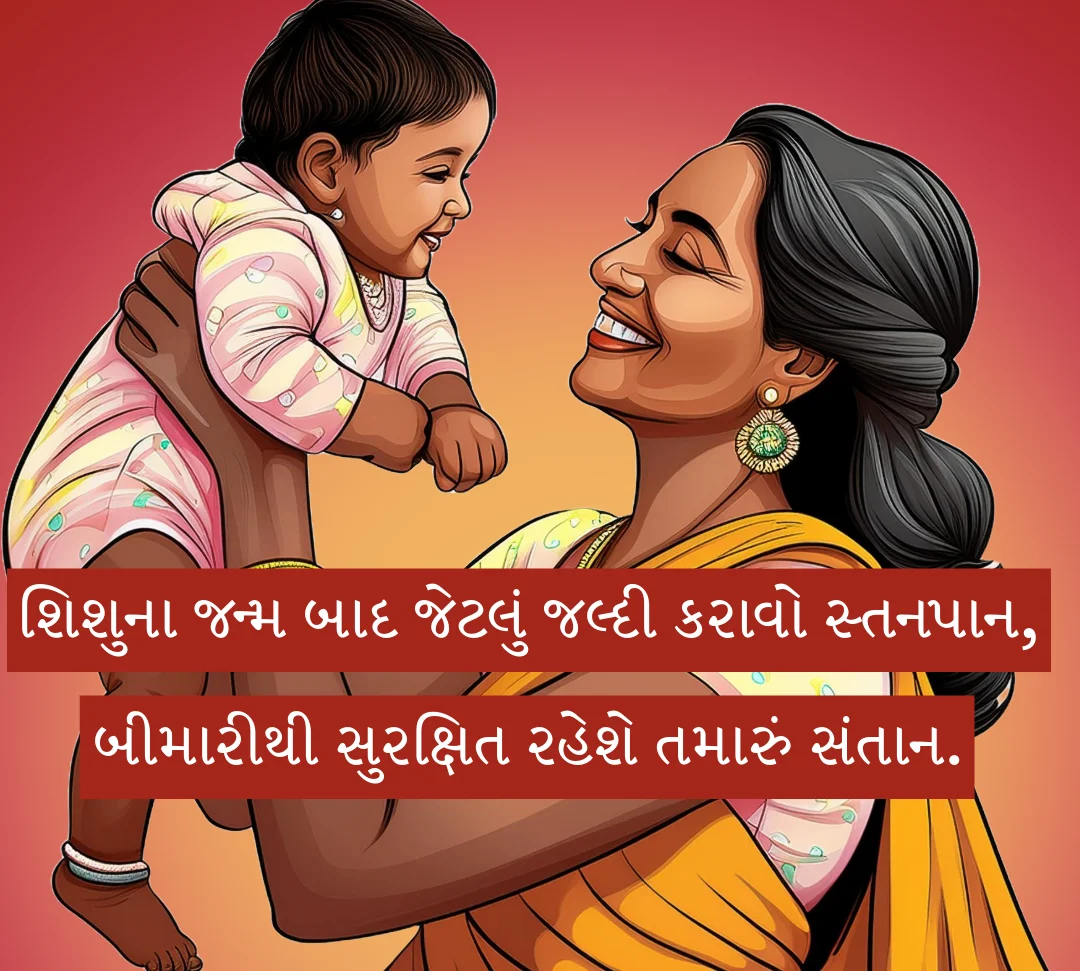
Today, a groundbreaking collaboration between World Education (a JSI initiative) and John Snow India Private Limited (JSIPL) is changing that narrative. By integrating Generative AI (GenAI) features within Adobe Express, these frontline workers are transitioning from passive consumers of generic, outsourced health posters to active creators of bespoke, hyper-local, and highly effective health communications.
The Challenge: Connectivity, Literacy, and the Design Gap
To understand the magnitude of this shift, one must first understand the environment in which AWWs operate. In the remote pockets of Gujarat, infrastructure is often fragmented. Connectivity is inconsistent, and families frequently face varying levels of literacy. Traditional health communication—often text-heavy, static, and designed by distant agencies—frequently missed the mark.
"The materials available to support their outreach did not always match those realities," notes the project report. Historically, creating visual aids was an arduous, centralized process. If a local health team needed a poster on nutrition or neonatal care, they had to commission an external designer, wait for drafts, undergo cycles of feedback, and navigate the high costs and slow turnaround times of professional graphic design. By the time a brochure reached the field, the information was often outdated or culturally disconnected.
Furthermore, the "WhatsApp economy"—where most information in rural India is shared via instant messaging—demanded content that was not just printable, but digital, visual, and highly shareable. When health messaging is trapped in dense paragraphs, it fails those with limited literacy. The need for a rapid, user-friendly, and culturally adaptive design tool was not merely a convenience; it was a public health imperative.
Chronology of an Innovation: A Gradual Release
The partnership between World Education and JSIPL did not attempt a "top-down" technological imposition. Instead, they adopted a "gradual release" model, recognizing that technology is only as good as the human capability behind it.
Phase 1: Modeling and Familiarization
The process began with experts modeling the workflow for district-level staff. They demonstrated how to navigate Adobe Express, moving beyond basic design to utilizing AI-powered capabilities. This phase was focused on demystifying the technology. The goal was to prove that one did not need to be a graphic designer to produce professional-grade, impactful visuals.
Phase 2: Co-Design and Iteration
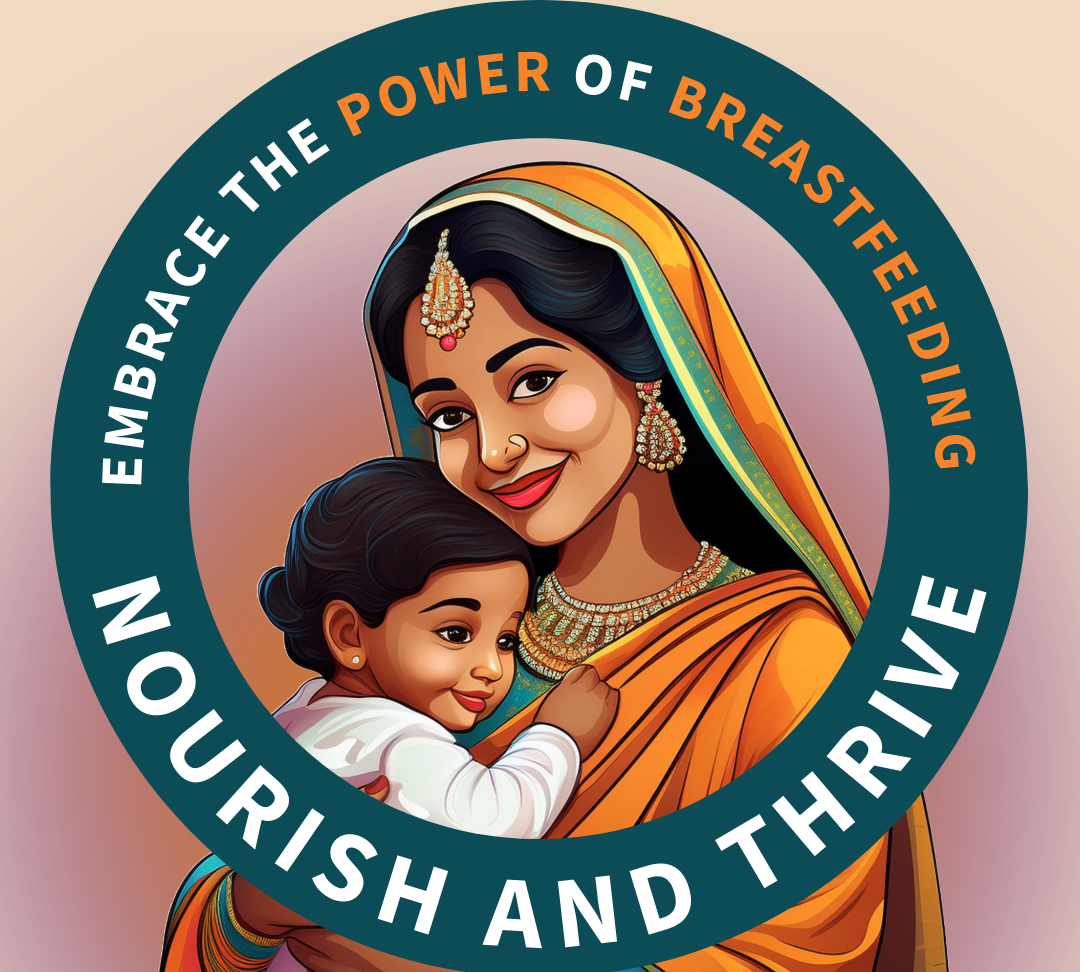
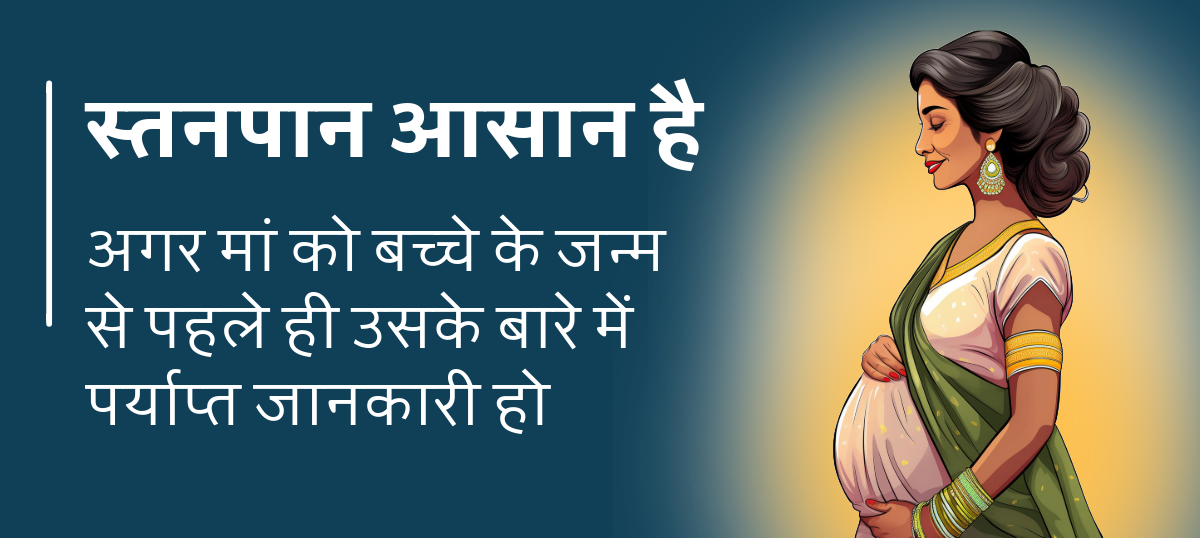
Once the initial comfort level was established, the teams moved to a co-design phase. Together, they built posters, GIFs, and short, mobile-friendly videos. During this stage, the true power of GenAI emerged. When early drafts included stock imagery that felt foreign or "out of touch" with the realities of life in Dwarka, staff used AI to generate context-specific alternatives—depicting, for instance, specific regional attire or local food sources—within minutes.
Phase 3: Independent Production and Scaling
The final, and most significant, phase was the transition to independence. As confidence surged, AWWs began creating their own templates. They took ownership of the translation process, converting content into Gujarati and tailoring the tone to suit the nuances of their specific village clusters. One staff member proved so adept that she began training her peers, effectively decentralizing the expertise and ensuring the initiative would live on beyond the project’s pilot duration.
Augmentation vs. Automation: The Human-Centric Philosophy
A common anxiety surrounding GenAI is that it will automate, and thus displace, human expertise. However, the Gujarat project provides a compelling counter-narrative: the philosophy of augmentation.
In this workflow, the AI does not determine the health message. It does not dictate the medical advice or the cultural sensitivity of the content. Instead, it serves as a force multiplier for the frontline worker’s intent. The Anganwadi Workers decide what information matters, what imagery resonates, and what pedagogical approach is most effective for a specific family.
The AI simply acts as a bridge between the worker’s intent and the finished product. By removing the technical barriers to design, the project enabled workers to spend less time worrying about how to make a file and more time focusing on the quality of the health intervention. The AI is the brush, but the AWW is the artist.
Impact on Communities: Moving Beyond Text-Heavy Barriers
The real-world results of this digital transformation are best measured by the response from the families themselves. Field testing revealed that when AWWs arrived with visuals that were clearly recognizable—depicting familiar environments and relatable scenarios—the level of engagement increased significantly.
For families with limited literacy, the shift from text-heavy pamphlets to visual-first, video-based storytelling was transformative. AWWs reported that they could pull up a visual aid on their phones during a home visit, using it as a prop to facilitate a conversation rather than a document to be read. Because these materials were optimized for WhatsApp, the knowledge did not end at the conclusion of a home visit; it was shared in family group chats, creating a digital ripple effect of health education.
Official Perspectives and Scaling Potential
The leadership behind the initiative views this as a blueprint for the future of public health in the Global South. Dr. Sanjay Kapur, Managing Director of JSIPL, emphasizes the scalability of this model.
"This innovation can be scaled easily to millions of such Anganwadi Workers, thus reaching millions of mothers and children in a short period of time," Dr. Kapur noted. The project has demonstrated that digital transformation need not be a massive, infrastructure-heavy investment delivered from the outside. Rather, it can be a grassroots evolution where the tools of the modern digital age are placed into the hands of those who already hold the trust of the community.
Implications for Global Development
The broader lesson from the Gujarat initiative is that we are witnessing a fundamental change in the "content lifecycle" of development work.
- Hyper-Localization: Digital tools are finally allowing for content that is not just translated, but culturally adapted in real-time.
- Speed as a Variable of Success: In public health, the ability to rapidly disseminate information during a crisis or a seasonal health surge is critical. This model reduces production timelines from months to minutes.
- Capacity Building: By training local staff to become content creators, the initiative builds long-term institutional knowledge, ensuring that the health system is more resilient and self-reliant.
As GenAI tools become more sophisticated and accessible, the temptation will be to use them to generate vast amounts of generic content. The success of the World Education and JSIPL project suggests a different path: using AI to empower local voices to tell their own stories and lead their own health interventions.
In the final analysis, digital transformation in the humanitarian sector is often framed as something "delivered to" communities. The Gujarat project offers a more empowering vision: one where digital capability is built with communities, and ultimately, by them. As this pilot moves toward wider implementation, it serves as a powerful reminder that when we lower the barriers to creativity, the people on the frontlines of health will find the most innovative ways to save lives.
This project was generously supported by Adobe and conducted in close co-creation with World Education, a JSI initiative, in partnership with the John Snow India Private Limited.