Sward Elementary Pioneers Holistic Mental Wellness: A Model for Student Support
Oak Lawn, IL – In an educational landscape increasingly recognizing the profound link between mental well-being and academic success, Sward Elementary School in Oak Lawn, Illinois, stands out as a beacon of proactive support. Far from a fleeting initiative, mental health advocacy at Sward is woven into the very fabric of its daily operations, a "yearlong goal" that Principal Suzanne Amra and her dedicated team continuously refine and strengthen. As Mental Health Awareness Month draws attention to this critical area, Sward Elementary’s comprehensive strategies offer a powerful blueprint for fostering self-awareness, self-regulation, and resilience in young learners.
The school’s commitment extends beyond reactive measures, aiming instead to cultivate an environment where students feel understood, empowered, and equipped with the tools to navigate life’s challenges. Principal Amra emphasizes, "If our ultimate goal is to educate our students, then as a principal I want to do everything I can to create an environment where children can learn well and be well." This philosophy underpins a multi-layered approach that addresses emotional needs at every level, from daily routines to crisis preparedness.
The Foundation of Well-being: A Chronological Implementation of Support
Sward Elementary’s mental health initiatives are not isolated programs but rather an integrated system designed to provide continuous support throughout a student’s day and academic journey. The implementation often follows a logical progression, starting with universal strategies applied to all students, escalating to targeted interventions, and culminating in crisis readiness.
1. Developing a Proactive Morning Routine: Starting the Day with Social-Emotional Learning
The school day at Sward Elementary begins not with rote memorization, but with a deliberate investment in emotional intelligence. Every morning, for a crucial 15-minute window, each classroom dedicates time to Social and Emotional Learning (SEL). This structured engagement is a cornerstone of Sward’s proactive mental health strategy, designed to set a positive tone and equip students with foundational skills.
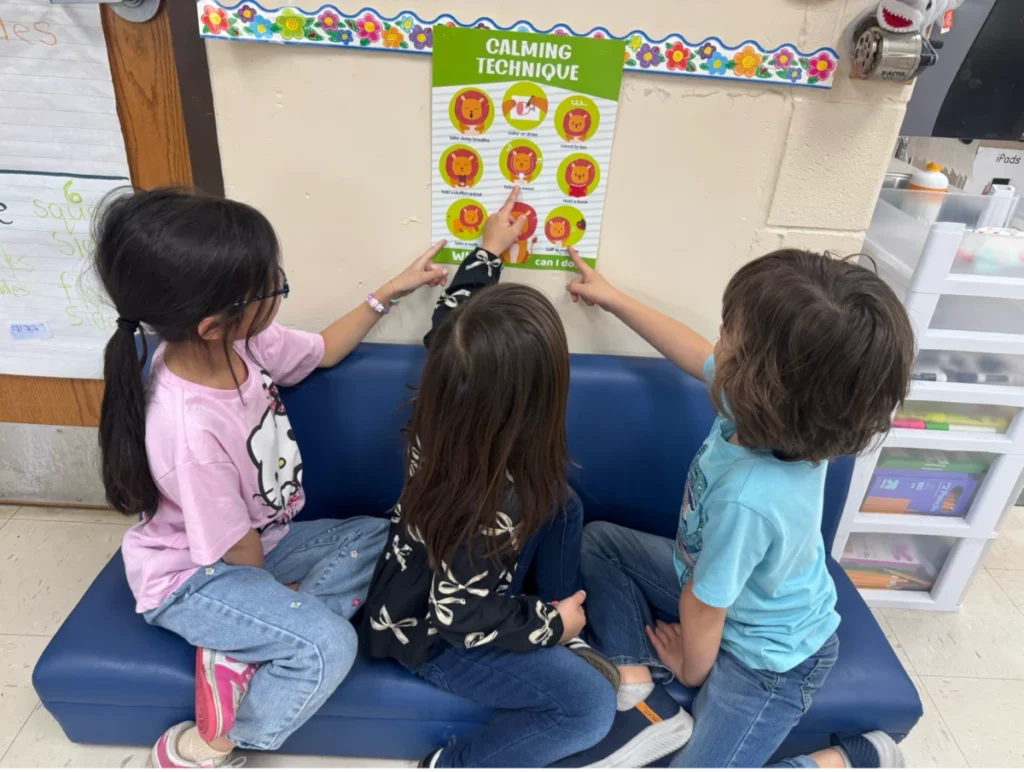
The format of these morning circles is thoughtfully adapted to different developmental stages. In a kindergarten classroom, the session might involve a simple check-in using emojis or color-coded feelings charts, encouraging young children to identify and name their emotions. Teachers might lead a brief mindfulness exercise or a story that explores themes of kindness and empathy. For fifth-grade students, the discussions delve deeper. Teachers pose specific, open-ended questions designed to gauge students’ emotional "temperature" for the day, such as "What’s one thing you’re looking forward to today, and one thing that might be challenging?" or "How are you feeling about the week ahead, and what support might you need?"
These circles are conducted within a "safe space," clearly defined by established SEL protocols where students understand that their feelings are valid and sharing is voluntary. The emphasis is on active listening, mutual respect, and non-judgment. Students are encouraged to share as much or as little as they feel comfortable, fostering a sense of psychological safety. Principal Amra reports significant positive outcomes from this consistent practice, noting the development of "more robust classroom communities, stronger student voice, and decreased anxiety." By normalizing emotional check-ins and providing a structured outlet for expression, Sward cultivates an environment where students feel seen, heard, and connected to their peers and educators. This daily ritual builds emotional literacy, teaching students to recognize their own feelings and empathize with others, skills vital for academic success and life beyond school.
2. Relying on Expert Guidance: The Indispensable Role of School Social Workers
Central to Sward Elementary’s robust mental health infrastructure are its two dedicated school social workers. Their role extends far beyond traditional caseloads, making them vital resources for both students and staff. While they primarily support students with Individualized Education Programs (IEPs) and customized education plans, their expertise is available on an "on-call" basis throughout the day. This immediate accessibility is crucial for students who may be experiencing dysregulation – a state where emotional responses are intense and difficult to manage – or simply "having a hard time."
The social workers act as crucial first responders in moments of distress, employing de-escalation techniques, providing one-on-one counseling, and helping students process challenging emotions. Their interventions are often the key to helping a child regain equilibrium and return to learning. Beyond direct student support, their impact reverberates through the entire school community by empowering teachers and staff. They offer invaluable strategies and skills that educators can integrate into their daily classroom management and interactions. This might include practical tips for recognizing early signs of distress, implementing calming techniques, or facilitating restorative conversations.
What makes Sward’s model particularly powerful, as Principal Amra highlights, is the "full-circle process." The social workers don’t just advise; they model the very approaches they teach. By providing support and strategies to teachers, they demonstrate the effectiveness of empathy, active listening, and structured intervention. This holistic approach ensures that when staff members feel supported and equipped, they are better positioned to support their students. "When we take care of our teachers from the top down," Amra observes, "our students have a better chance of being successful." This proactive investment in staff well-being directly translates to a more stable and nurturing environment for students.
3. Empowering Agency: The "Hot Pass" System for Targeted Support
While daily routines and readily available social workers provide a strong safety net, Sward Elementary recognizes that some students require immediate, self-initiated breaks to manage overwhelming emotions. This led to the implementation of the "hot pass" system – a discreet yet powerful tool designed to empower students to seek support when they need it most.
For many students, the structured routine of a school day offers comfort and predictability. However, unforeseen challenges can disrupt this stability. A child might be struggling with difficulties at home, experiencing friendship stress, grappling with a disappointing grade, or simply enduring a difficult day where emotions run high. In such moments, the "hot pass" provides a sanctioned pathway to relief. It is a special privilege that allows students to access a previously identified "trusted adult" within the school, such as a school counselor, a specific social worker, or even a designated teacher.
The system comes with clear expectations and responsibilities. Students are trained on how to use the pass effectively: displaying it on their desk or in a designated spot, and calmly exiting their classroom without disruption. This process instills a sense of personal responsibility and respect for the learning environment. In return for adhering to these guidelines, students are granted the agency to recognize their own needs and proactively seek help. This mechanism is particularly impactful because, as Principal Amra notes, "If a child is upset, they can’t learn." By providing a means to restore emotional equilibrium, Sward is not only making a positive impact on immediate learning but also fostering critical skills in self-regulation that will benefit students long after they leave elementary school. It teaches them that it’s okay to ask for help and that they possess the inner capacity to manage difficult feelings with the right tools and support.
4. Cultivating Calm: Calming Corners and Sensory Hallways
Beyond immediate interventions, Sward Elementary has invested in creating physical spaces designed to promote calm and provide students with opportunities for self-soothing and regulation throughout the day. These "Calming Corners" and "Sensory Hallways" are woven into the school’s architecture, reflecting a belief that the physical environment plays a significant role in mental well-being.
Calming Corners, strategically placed in various classrooms or common areas, are intentionally designed to be tranquil havens. They typically feature soft lighting, comfortable seating like beanbags or cushions, and a curated selection of sensory tools. These might include fidget toys, weighted blankets for deep pressure input, visual schedules or emotion cards, books on mindfulness, or art supplies for quiet, reflective activities. Students can utilize these corners for a brief, self-directed break when they feel overwhelmed, frustrated, or simply need a moment to re-center before re-engaging with their learning. The goal is to offer a non-punitive space where children can practice self-awareness and self-management skills.
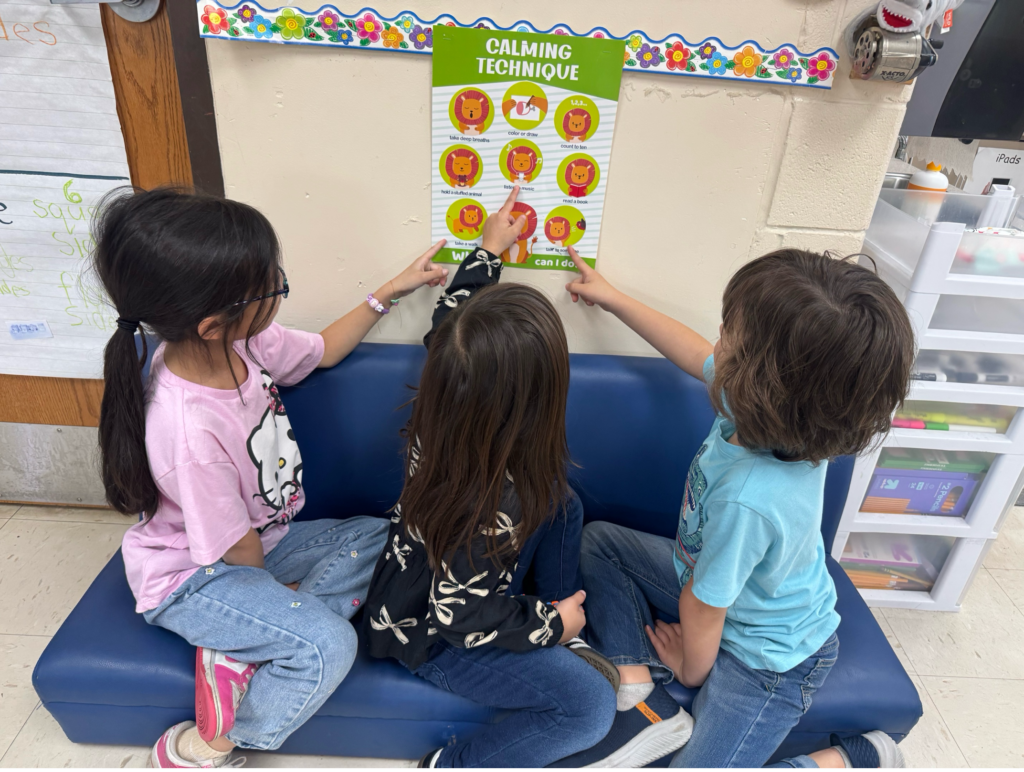
Complementing these corners are the Sensory Hallways. These transitional spaces are transformed into engaging and therapeutic pathways, often featuring textured wall panels, visual tracking games on the floor, hopscotch patterns, or interactive elements that encourage movement and sensory input. They serve as valuable tools during transitions between classes or activities, helping students regulate their energy levels, focus their attention, and reduce anxiety associated with moving from one environment to another. Principal Amra’s vision is that these proactive resources, like the hot passes, become opportunities "our students never need to use" – a testament to the school’s hope that students will develop such strong internal coping mechanisms that they rarely require external support. Recognizing that for many young learners, school functions as a "second home," Sward Elementary is committed to creating an environment that feels inherently safe, supportive, and conducive to both learning and emotional growth.
5. Counting on Crisis Teams: Preparedness for the Unforeseen
While Sward Elementary dedicates immense effort to proactive and preventative mental health support, Principal Amra and her team maintain a pragmatic understanding that unforeseen crises can occur. As such, comprehensive crisis preparedness is an essential pillar of their mental wellness framework. "Most principals understand that you can never be too prepared," Amra states, highlighting the critical importance of having robust emergency protocols in place.
Sward Elementary has established a meticulously trained crisis team, designed to respond swiftly and effectively to a range of potential emergencies. This team comprises key school personnel, including Principal Amra herself, the assistant principal, a school social worker, and other trained paraprofessionals. Each member is assigned specific roles and responsibilities, ensuring a coordinated and efficient response should a crisis arise. Their training covers various scenarios, from individual student mental health emergencies (e.g., severe panic attacks, self-harm concerns) to broader community traumas (e.g., bereavement, accidents, or other disruptive events that impact the school community).
The crisis team’s functions include immediate assessment of the situation, providing direct support to affected students and staff, coordinating with external emergency services if necessary, and implementing post-crisis support measures such as debriefing sessions and ongoing counseling. Regular drills and simulations are conducted to ensure that the team can operate seamlessly under pressure. This level of preparedness instills confidence not only within the staff but also among parents and the wider community, knowing that Sward Elementary is equipped to handle challenging situations with professionalism and care. The presence of a well-drilled crisis team underscores the school’s holistic commitment to student safety and well-being, addressing not just the daily emotional needs but also safeguarding against the rare but critical "moments we all hope never happen."
Supporting Data: The Broader Context of Child Mental Health
Sward Elementary’s initiatives are not isolated experiments but align with growing national recognition and research findings regarding the urgent need for mental health support in schools. The prevalence of mental health challenges among children and adolescents has been a significant concern. According to the Centers for Disease Control and Prevention (CDC), approximately 1 in 5 children experience a mental disorder in a given year, and the COVID-19 pandemic has exacerbated these issues, leading to increased rates of anxiety, depression, and stress among young people.
Studies consistently demonstrate the efficacy of Social-Emotional Learning (SEL) programs, like Sward’s morning routines. Research published in Child Development indicates that students participating in SEL programs show improved social-emotional skills, attitudes, behavior, and academic performance. They also experience reduced anxiety and depression. The Collaborative for Academic, Social, and Emotional Learning (CASEL) highlights that well-implemented SEL can lead to an 11-percentile-point gain in academic achievement.
The presence of school social workers is also directly linked to positive student outcomes. The School Social Work Association of America (SSWAA) emphasizes that social workers address barriers to learning, advocate for student needs, and provide crisis intervention, all of which are critical for academic engagement. Schools with robust social work services often report lower truancy rates and improved student behavior.
Furthermore, the creation of designated calming spaces and sensory support, as seen in Sward’s Calming Corners and Sensory Hallways, is supported by neuroscientific understanding of how children process stress and sensory input. These spaces provide opportunities for self-regulation, which is a foundational skill for executive function and learning. Research shows that children who can self-regulate are better able to manage impulses, focus attention, and cope with frustration, leading to better academic and social outcomes.
Official Responses: Principal Amra’s Vision and Dedication
Principal Suzanne Amra’s insights provide the guiding philosophy behind Sward Elementary’s comprehensive approach. Her commitment is palpable in every strategy implemented. "In honor of Mental Health Awareness Month, I’m happy to share some strategies we’ve implemented in our school to ensure our students have the tools they need to foster self-awareness and self-regulation," she states, framing the discussion not as a burden but as a joyous responsibility.
Amra’s emphasis on the "full-circle process" regarding social worker support highlights her understanding of systemic well-being. She recognizes that an emotionally healthy staff is paramount to fostering an emotionally healthy student body. Her goal for Calming Corners and Hot Passes to be rarely used is not a dismissal of their importance but an aspiration for students to internalize coping mechanisms so effectively that external aids become less necessary. It speaks to a profound belief in student capacity and resilience, given the right tools and environment. Her closing statement encapsulates the entire mission: "If our ultimate goal is to educate our students, then as a principal I want to do everything I can to create an environment where children can learn well and be well." This isn’t just about grades; it’s about holistic human development.
Implications: A Model for Sustainable Educational Excellence
Sward Elementary School’s integrated mental health strategies carry significant implications, not only for its own student body but also as a potential model for other educational institutions. The school demonstrates that prioritizing mental wellness is not a distraction from academic rigor but a prerequisite for it. When students feel safe, understood, and equipped to manage their emotions, they are better able to focus, engage, and thrive academically.
The long-term implications for students are profound. By fostering self-awareness and self-regulation from an early age, Sward is preparing its students for success far beyond the classroom. These are life skills that contribute to healthier relationships, greater resilience in the face of adversity, and improved overall well-being throughout adulthood. The school’s commitment to creating a "second home" environment cultivates a sense of belonging and psychological safety, which are critical protective factors against mental health challenges.
For educators, Sward’s model underscores the importance of ongoing professional development in social-emotional learning and mental health first aid. By supporting staff through the expertise of social workers and providing clear protocols for student support, the school empowers its teachers to be more effective and empathetic educators.
Ultimately, Sward Elementary’s proactive and comprehensive approach to mental health represents a paradigm shift in education. It recognizes that schools are not just places for intellectual development but crucial environments for nurturing the whole child. As communities grapple with the increasing complexities of child mental health, Sward Elementary offers a hopeful and practical vision for how schools can, and must, lead the way in creating spaces where every child has the opportunity to learn well and be well. This integrated model is not merely about addressing problems but about building a foundation of strength and resilience for future generations.