
The Complexity of Co-Occurrence: Navigating the Intersection of ADHD and Mood Disorders
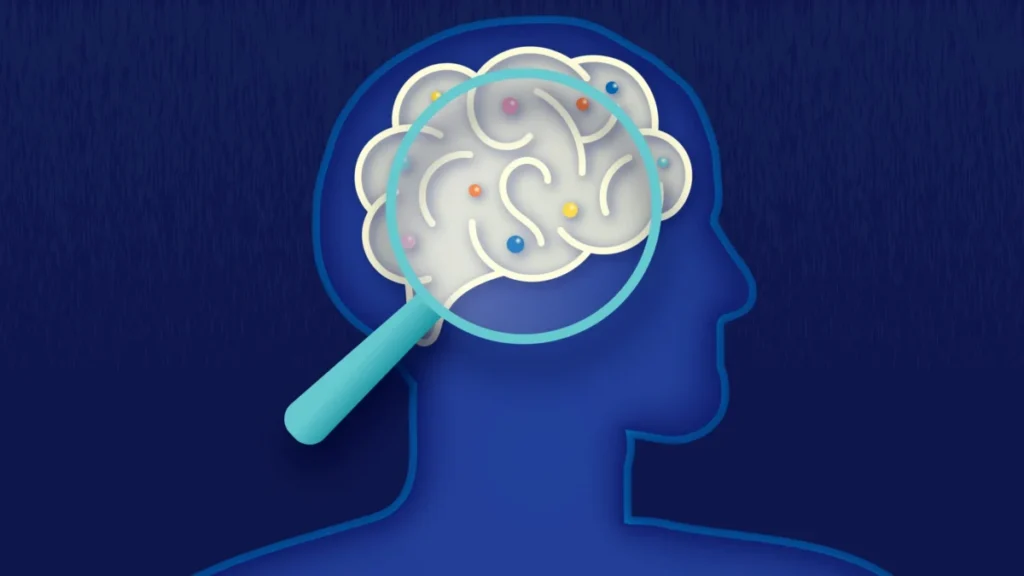
For the estimated 70% of adults living with Attention Deficit Hyperactivity Disorder (ADHD), the clinical reality is rarely defined by a single diagnostic label. While ADHD is often discussed in isolation, the medical community is increasingly recognizing that the condition is frequently accompanied by "multi-morbidities"—a term experts prefer over the traditional "comorbidity" to better reflect the complex, intertwined nature of living with multiple, equally impairing mental health conditions.
The overlap between ADHD and mood disorders, such as anxiety, depression, and bipolar disorder, is not merely a statistical coincidence; it is a clinical reality that necessitates a more nuanced approach to diagnosis and treatment.
Main Facts: Beyond the ADHD Label
In a recent expert webinar hosted by ADDitude, Desiree Matthews, MSN, PMHNP-BC, emphasized that ADHD and mood disorders often operate as dual protagonists in a patient’s life. "People can have prominent major depressive disorder or generalized anxiety disorder along with ADHD, and both could be equally impairing, maybe in different ways," Matthews noted.
The core challenge for clinicians and patients alike is that symptoms are "transdiagnostic." Executive dysfunction, emotional dysregulation, and impaired focus are hallmarks of ADHD, but they are also common manifestations of anxiety and depression. When a provider focuses solely on a patient’s primary complaint, they risk a "diagnostic overshadowing" effect, where one condition masks the other, leading to incomplete treatment and persistent suffering.
Chronology of Clinical Understanding
The history of diagnosing ADHD in adults has shifted from viewing it as a childhood-onset disorder that "fades away" to acknowledging it as a lifelong neurodevelopmental condition.
- Early Perspectives: Historically, psychiatry often treated ADHD and mood disorders as mutually exclusive. If a patient exhibited symptoms of both, the prevailing wisdom often suggested that the mood disorder was a secondary reaction to the chaos caused by untreated ADHD.
- The Shift to Multi-Morbidity: Contemporary research has begun to dismantle the "primary vs. secondary" hierarchy. Clinicians are now looking at shared root causes. Genetic studies have revealed that the risk factors for one mental health condition often overlap significantly with the risk factors for others, suggesting a shared biological architecture.
- Neurobiological Research: Current scientific focus has moved toward the serotonergic pathways. While dopamine has long been the focus of ADHD research, the role of serotonin—which regulates mood, sleep, appetite, and impulse control—is now recognized as a key player in the dysregulation seen across the spectrum of ADHD, depression, anxiety, and bipolar disorder.
Supporting Data: Why Gender Matters
One of the most compelling areas of study in the intersection of ADHD and mood disorders is the disparity in diagnosis rates between sexes. Women, in particular, are diagnosed with anxiety, depression, and bipolar disorder at significantly higher rates than men.
The emerging consensus suggests that this is not just a matter of symptom presentation, but of biological chemistry. Researchers have found that men tend to have a higher "serotonergic capacity"—the body’s ability to synthesize and utilize serotonin—than women. Because serotonin acts as a biological buffer against stress, the lower capacity in women may leave them more vulnerable to the development of mood disorders when combined with the neurodevelopmental challenges of ADHD. This biological reality underscores why standard diagnostic criteria, often based on studies of males, may miss the mark for female patients.
Official Clinical Perspectives: Avoiding the Diagnostic Trap
The danger of an incomplete diagnosis is profound. When a patient is treated only for anxiety, their underlying executive function deficits—the root of their ADHD—remain unaddressed, potentially leading to continued professional or academic struggle. Conversely, treating only ADHD while ignoring severe depression can leave a patient at risk.
The "Quality of Life" Litmus Test
Matthews suggests a practical approach for patients and providers: "Is treatment actually improving the quality of life?"
If a patient is prescribed stimulants for ADHD and finds that their focus improves, but their sleep, appetite, and overall emotional stability remain in a state of crisis, it is a clinical indicator that the "multi-morbidity" has not been fully addressed. In such instances, the standard of care requires a re-evaluation to determine if an additional condition—such as a mood disorder or complex trauma—is operating in the background.
Screening and Identification
Clinicians are increasingly utilizing validated screening tools to move beyond the subjective "chief complaint." Tools like the Rapid Mood Screener are designed to differentiate between the depressive phases of bipolar disorder and major depressive disorder, which is a critical distinction, as the medication management for these two conditions differs drastically.
Implications for Treatment and Management
The management of co-occurring conditions requires a "patient-first" strategy that rejects one-size-fits-all solutions. The clinical priority is generally to stabilize the most impairing condition first.
Treatment Sequencing
For instance, if a patient presents with both ADHD and bipolar disorder, the bipolar disorder is typically treated and stabilized first. This is because certain ADHD medications can induce manic episodes or mood destabilization in vulnerable patients. Once the mood is stabilized, the ADHD can be addressed with greater safety and precision.
The Modern Toolkit
The landscape of treatment has expanded significantly beyond traditional pharmacotherapy. Current management plans often integrate:
- Pharmacology: Utilizing medications that are safe to pair, such as non-stimulant ADHD options that may have fewer interactions with antidepressants.
- Neuromodulation: Emerging techniques that offer non-pharmacological avenues for regulating brain activity.
- Psychotherapy: Tailored interventions like Cognitive Behavioral Therapy (CBT) that address both the executive dysfunction of ADHD and the cognitive distortions associated with depression and anxiety.
- Prescription Digital Therapies: New software-based treatments that provide real-time behavioral support.
Monitoring and Vigilance
The duty of the provider does not end with the prescription. When treating comorbid conditions, healthcare providers must engage in rigorous monitoring. The goal is to ensure that the combined treatment regimen does not result in "activation" (an over-stimulated state), insomnia, or a worsening of the mood disorder. It is a delicate, ongoing process of titration and adjustment.
Conclusion: A Holistic Path Forward
The understanding that ADHD and mood disorders often travel together is a major advancement in mental health care. By moving away from the term "comorbidity"—which implies a side-effect relationship—and embracing the concept of "multi-morbidity," we can better support those navigating these challenges.
For patients, the message is clear: if you feel that your current treatment is only addressing half the picture, it is time to have a frank conversation with your provider. For clinicians, the mandate is to look beyond the surface, recognize the shared neurobiological roots, and approach every patient as a complex individual whose mental health deserves a comprehensive, integrated, and deeply personal approach to care.
The path to wellness is not about finding the "right" label, but about finding the right combination of support, medication, and behavioral strategies that treat the whole person, not just the diagnosis.