Shaping the Future: Advancing Early Childhood Development Through the LEARN 2026 Initiative

The first three years of life represent a critical window of neurological development—a period where the brain produces more than one million neural connections every single second. This biological reality forms the cornerstone of the mission behind ZERO TO THREE, a national organization dedicated to ensuring that every child, regardless of circumstance, receives the strong, healthy start necessary to thrive. As we approach 2026, the organization is doubling down on its commitment to advocacy, education, and community support through its flagship LEARN Conference 2026, an event designed to bring together the brightest minds and most dedicated practitioners in the field of early childhood development.

Main Facts: The Criticality of the First 1,000 Days
At the heart of the modern movement in early childhood education is the recognition that the "first 1,000 days"—from conception through the second birthday—are the most significant for lifelong mental health, cognitive ability, and emotional well-being. ZERO TO THREE serves as a vital bridge between high-level research and the practical, day-to-day realities faced by parents, caregivers, and professionals.
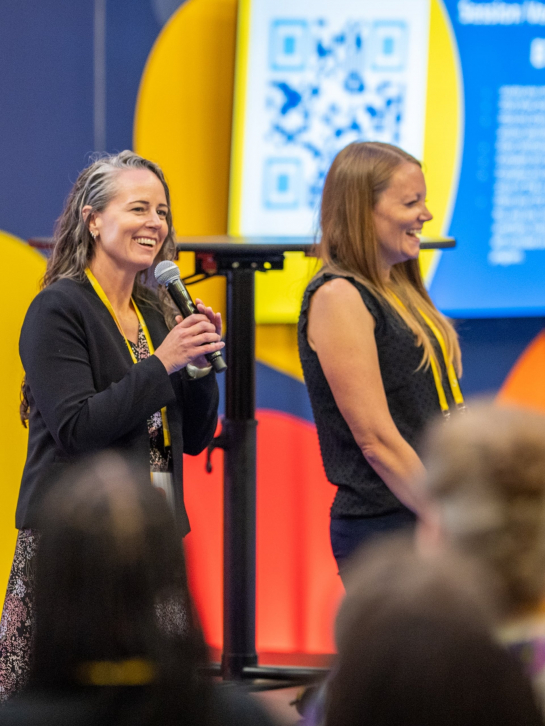
The upcoming LEARN 2026 Conference is not merely a professional gathering; it is a strategic convening intended to mobilize a diverse coalition. By facilitating collaboration among policymakers, mental health professionals, healthcare providers, and community organizers, the conference aims to address the most pressing systemic issues facing babies and toddlers in the United States today.

Key pillars of this initiative include:

- Strengthening Caregiver Support: Providing research-based tools to help parents navigate the complexities of modern child-rearing, from managing screen time to fostering emotional regulation.
- Professional Development: Equipping educators and health professionals with advanced, evidence-based practices to better serve infants and toddlers.
- Policy Advocacy: Working directly with state and federal legislators to ensure that infant-toddler development remains a priority in public budget allocations and legislative agendas.
- Mental Health Awareness: Normalizing the discussion around infant mental health, acknowledging that babies can and do suffer from mental health challenges linked to trauma, neglect, or environmental instability.
Chronology: A Trajectory of Growth and Advocacy
The history of ZERO TO THREE is marked by a steady evolution from a niche research-oriented entity to a broad-spectrum advocacy powerhouse. In recent years, the organization has faced unprecedented challenges, including the global "child care paradox," where families are paying more than they can afford while childcare providers remain among the lowest-paid workforce in the country.

- 2022–2024: The organization intensified its focus on the "Rattled" reality—a term coined to describe the state of families navigating economic strain and emotional exhaustion. During this period, ZERO TO THREE expanded its digital library, offering free webinars and resources like the "Baby Brain Map" to reach parents who could not access traditional support systems.
- 2025: A year defined by a national snapshot of family life. Research conducted during this period highlighted that despite the resilience of families, the systemic strain of economic uncertainty continued to impede healthy development.
- 2026 (The Year Ahead): The calendar is now packed with strategic interventions, including the 20th Annual Cross Sites Meeting in Boston this August and a series of virtual trainings focused on "The Growing Brain" curriculum. These events represent a concerted effort to "reimagine what is possible" for the next generation.
Supporting Data: The Science of Early Development
The data supporting the need for early intervention is both compelling and urgent. Neurological research confirms that the architecture of the brain is built through experiences, interactions, and environmental stimuli. When these inputs are positive and consistent, the child builds a robust foundation. When they are marred by chronic stress or environmental instability, the developmental trajectory is significantly altered.

A recent study cited by the organization underscores how infants use motor skills to process visual information, reinforcing the idea that "watching and doing" are inseparable components of learning. Furthermore, reports on the child care sector reveal a troubling collapse: as programs close due to financial non-viability, the number of "child care deserts" grows, leaving families with fewer options and children with less access to high-quality early learning environments.

The organization’s focus on STEM curriculum for preschoolers—such as the "Problem Solvers" initiative—serves as evidence that early childhood education is not just about "daycare," but about cultivating critical thinking, mathematics, and science literacy from the earliest age.

Official Responses and Expert Perspectives
Experts associated with ZERO TO THREE emphasize that the current crises in childcare and infant mental health are not just personal family issues; they are public health emergencies.

"This is just what I needed to reestablish my motivation in moving forward with this work," remarked a recent attendee of the annual conference, reflecting a sentiment shared by many professionals who feel the weight of a system that often fails to value early childhood care.

Policymakers and community leaders who collaborate with the organization point to the "Invisible Backpack" concept—a training module that encourages practitioners to reflect on their own biases and histories to better serve diverse populations. By acknowledging the "invisible" baggage that both children and caregivers bring to a setting, providers can create more inclusive and healing-centered environments.

Implications: Building a National Priority
The implications of failing to prioritize early childhood development are far-reaching. Economic productivity, social stability, and public health outcomes are all tethered to the quality of care provided in the first three years of life.

Addressing the Child Care Paradox
The gap between the cost of care for parents and the wages for educators is a structural flaw that threatens the entire economy. Without government intervention and private-sector support, the cycle of poverty and developmental delay will continue to perpetuate. ZERO TO THREE’s ongoing advocacy for state and local policy reform is aimed at closing this gap by treating childcare as a public good rather than a luxury service.
The Role of Technology
As we move into the latter half of the decade, the rise of Artificial Intelligence (AI) has introduced new complexities. Parents are increasingly concerned about how screen time and AI-driven interactions affect their children. The organization has taken a proactive stance, providing guidance on how to navigate the digital landscape, ensuring that technology serves as a tool for connection rather than a replacement for human interaction.

Mental Health as a Foundation
Perhaps the most significant shift in the organization’s recent advocacy is the destigmatization of infant mental health. By treating trauma and emotional dysregulation as legitimate areas of clinical and community concern, the organization is shifting the culture. They argue that supporting a parent’s emotional regulation is, by extension, supporting the child’s development. This "two-generation" approach is becoming the gold standard for social services.

Conclusion: A Call to Action
As the LEARN 2026 Conference approaches, the invitation is extended to everyone: parents, caregivers, community leaders, and policymakers. The message is clear—supporting a child in their first 1,000 days is a gift that provides returns for a lifetime.

Whether it is through participating in virtual training sessions, downloading evidence-based activity guides, or engaging in local advocacy to make babies and families a national priority, the work of building a better future begins in the present. The challenge is immense, but the stakes—the developmental potential of millions of children—could not be higher. By fostering community engagement and providing the resources necessary for healthy development, we can ensure that every child enters the world not just to survive, but to thrive.

The path forward requires a unified effort to dismantle barriers, increase funding for the early childhood workforce, and provide every caregiver with the tools they need to be the primary architect of their child’s future. Join the movement at LEARN 2026 and help turn the science of early development into a reality for all.