A Vision for the Future: Why the Fiscal Year 2025 Budget Marks a Turning Point for America’s Youngest Citizens
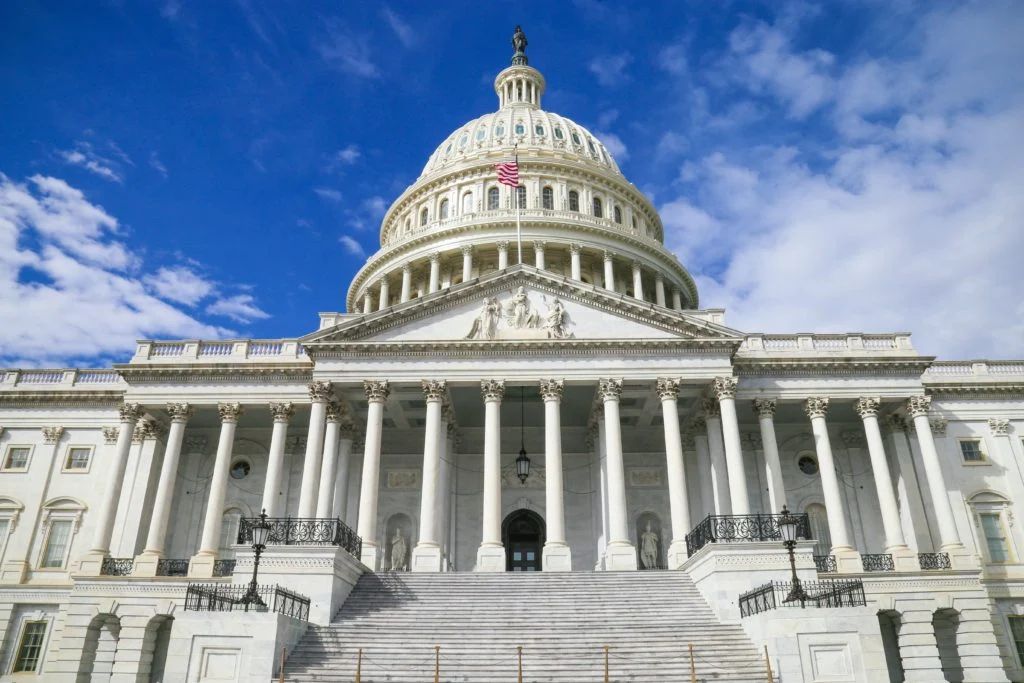
WASHINGTON, DC — In a move that child advocacy groups are hailing as a transformative step toward national equity, the Biden-Harris Administration has unveiled its Fiscal Year 2025 budget proposal. For organizations like ZERO TO THREE, the nation’s preeminent nonprofit dedicated to early childhood development, the document represents more than just a series of line items; it serves as a long-awaited recognition that the earliest years of life are the most critical for long-term societal success.
As the country grapples with economic shifts and a changing social landscape, the proposed budget targets the foundational pillars of family well-being: maternal health, mental health, accessible child care, housing stability, and economic security. By prioritizing these sectors, the Administration aims to create a "fairer nation to have and raise a baby," according to policy experts.
The Core Pillars of the FY2025 Proposal
The proposed budget is built upon the premise that a nation’s strength is defined by how it treats its most vulnerable members. Miriam Calderón, Chief Policy Officer at ZERO TO THREE, emphasized that the budget aligns with the broader vision articulated in the President’s recent State of the Union address.
"If implemented, President Biden’s budget will make our nation a better and fairer place to have and raise a baby," Calderón noted. The proposal specifically addresses the five essential pillars that ZERO TO THREE has championed as non-negotiable for infant development:
- Maternal Health: Enhancing care pathways to ensure that parents receive the support they need before and after birth, mitigating risks to both mother and child.
- Infant and Early Childhood Mental Health: Acknowledging the psychological development of children in their first three years, the budget seeks to integrate mental health services into standard pediatric and family care.
- Child Care: Reducing the financial burden on working families through increased subsidies and infrastructure support for providers.
- Housing Stability: Recognizing that a secure home environment is the prerequisite for all other developmental milestones.
- Economic Security: Providing direct support to families to ensure that the costs of basic necessities do not impede a child’s healthy start.
Chronology of the Budgetary Push
The road to the FY2025 budget has been marked by years of advocacy and evolving public discourse. Following the pandemic, which exposed deep systemic weaknesses in the American child care system, there has been a surge in momentum from both state-level advocates and federal policymakers.
- Early 2022: As the nation began to emerge from the acute phase of the COVID-19 pandemic, advocacy groups ramped up pressure on Congress to address the "child care cliff" and the looming crisis in early childhood education.
- 2023: Throughout the year, organizations like ZERO TO THREE released extensive data reports—most notably through the State of Babies initiative—highlighting the disparity in access to developmental resources across different states.
- March 2024 (State of the Union): President Biden utilized the national platform to highlight the necessity of family empowerment, framing child care and parental support as "economic imperatives" rather than just social programs.
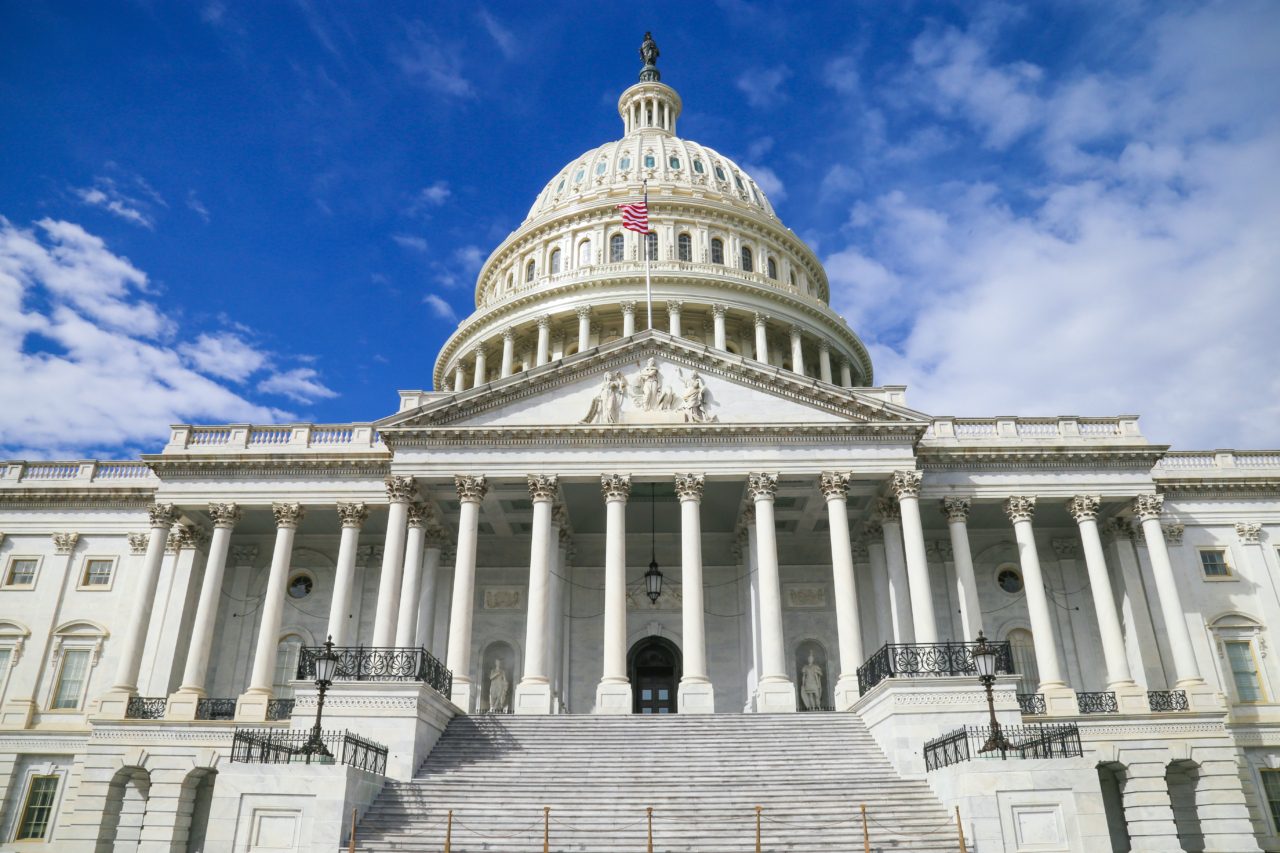
- The Present Day: With the release of the FY2025 budget, the focus has shifted from advocacy to legislative strategy. The current phase is defined by the need for Congressional approval, with lobbyists and experts turning their attention to Capitol Hill to ensure that the Administration’s vision survives the appropriations process.
Supporting Data: Why Early Investment Matters
The push for this budget is not merely ideological; it is grounded in decades of neurological and economic research. According to data from developmental scientists, approximately 90% of a child’s brain development occurs before the age of five. This "window of opportunity" determines cognitive, emotional, and social capacities that persist throughout an individual’s lifetime.
Economic data further supports these investments. For every dollar invested in high-quality early childhood programs, the return on investment (ROI) is estimated to be significantly higher due to reduced future remedial education costs, increased workforce participation by parents, and lower long-term crime and public assistance expenditures.
Despite these clear benefits, current U.S. spending on early childhood programs lags behind many other developed nations. The proposed FY2025 budget seeks to bridge this gap by modernizing the delivery of services. By expanding the availability of quality child care, the Administration is also effectively removing one of the largest barriers to workforce participation for young parents—particularly mothers—thereby stimulating the broader economy.
Official Responses and the Road Ahead
The reaction from the non-profit sector has been one of cautious optimism. While groups like ZERO TO THREE are encouraged by the inclusion of these initiatives, they are acutely aware that the legislative path ahead is fraught with partisan tension.
"Now, Congress must work with the Administration to deliver for families and babies," Calderón urged. "We look forward to working with Congressional appropriators and our ‘baby champions’ on the Hill to make these bold proposals a reality."
The challenge lies in the divide between proposed funding and final appropriations. Historically, budget proposals are the starting point for negotiation, and the specific allocations for programs like Head Start, Early Head Start, and maternal health grants often become subjects of intense debate. Supporters argue that these programs are essential for national security and economic competitiveness, while fiscal conservatives often emphasize deficit reduction and spending restraint.
Implications for the Future of American Families
If the FY2025 budget is passed in its current form, the implications for American families would be profound. A fully funded suite of early childhood programs would lead to:
- Reduced Child Poverty: Through enhanced tax credits and direct aid, the immediate economic pressure on young families would be lessened, allowing for better nutrition and safer housing.
- Improved Health Outcomes: With a focus on maternal health and mental health, the nation could see a decline in preterm births and long-term health complications for infants.
- Strengthened Workforce: By stabilizing child care, the labor market would see more consistent participation from parents who are currently sidelined due to the prohibitive costs of quality care.
However, the failure to secure these funds would have equally significant consequences. Without federal support, the burden remains on the shoulders of individual families and local municipalities. As seen in recent trends, cities and states are increasingly taking it upon themselves to "step up" and provide child care and mental health resources, but these efforts remain fragmented and insufficient to address the nationwide scope of the problem.
A Call for Sustained Advocacy
The debate surrounding the FY2025 budget is ultimately a reflection of national priorities. As ZERO TO THREE continues to advocate for these programs, they are calling on the public to remain engaged. The organization notes that systemic change rarely happens in a single budget cycle; it requires a persistent, generation-spanning commitment to the idea that infants and toddlers are citizens with rights to health, safety, and opportunity.
For those interested in the ongoing struggle for these resources, the path forward involves tracking the activities of Congressional appropriations committees. The "baby champions" on the Hill will need strong public support to resist efforts to strip these provisions from the final spending packages.

As the fiscal year unfolds, all eyes will be on Washington. For the millions of families navigating the joys and challenges of raising a young child, the decisions made in the coming months will set the trajectory for their children’s futures—and, by extension, the future of the nation itself.
How to Get Involved
ZERO TO THREE encourages concerned citizens to stay informed by visiting their resource center and participating in local advocacy campaigns. Supporting these efforts ensures that the voices of those who cannot yet speak for themselves—the babies of America—are heard clearly in the halls of power.
For more information on current legislative initiatives, readers are encouraged to visit the ZERO TO THREE news portal to track updates on the budget’s progress and learn how to contact their representatives.