Prom’s Promise: Harrison High School’s Innovative Project Ensures Every Student Shines
HARRISON, AR – Spring, a season synonymous with renewal and achievement, marks a pivotal time in high schools across the nation. For millions of students, it culminates in a quintessential rite of passage: prom. The grand anticipation of venue reveals, the elaborate preparations, and the joyous grand marches form indelible memories. Yet, beneath this shimmering veneer of excitement, a quiet, often unspoken anxiety ripples through countless households: the formidable financial burden associated with these formal events. At Harrison High School in Harrison, Arkansas, where a significant 60% of the student body qualifies for free or reduced-price lunch, the dream of attending prom can swiftly morph from an eagerly anticipated milestone into an insurmountable financial barrier.
This year, however, thanks to a profound understanding of student needs and an innovative, student-led initiative dubbed "The Promise Project," Harrison High is rewriting the narrative, ensuring that financial constraints no longer dictate who gets to experience the magic of prom. This comprehensive effort, spearheaded by the school’s dedicated Key Club, transforms pre-loved formal wear into cherished memories, fostering an environment where every student can partake in the celebratory traditions of their high school journey without the crushing weight of cost.
The Unseen Barrier: How Financial Strain Dims the Prom Dream
The journey toward understanding the true scope of this challenge began not in a formal board meeting, but in the relaxed, conversational setting of Principal Jay Parker’s regular "Java with Jay" morning coffee chats. These informal gatherings, designed to foster open dialogue between school leadership and students, often uncover insights that traditional surveys or official channels might miss. It was during one such chat, while dissecting the reasons behind surprisingly low turnout at a recent school dance, that a deeper, systemic issue came to light.
"We often default to logistical explanations when attendance drops," Principal Parker reflected, recounting the initial discussions. "Was the music wrong? Was the theme unappealing? Was the timing off?" But as students, emboldened by the informal atmosphere and Parker’s genuine interest, began to speak, the true culprit emerged: it wasn’t a lack of school spirit or social interest keeping their peers away; it was the relentless pressure of financial expectation.
Students candidly shared their anxieties. Prom, they explained, wasn’t just the cost of a ticket, which itself could be prohibitive for many. It was the cascading expenses: the dress or tuxedo rental, the shoes, accessories, hair styling, makeup, corsages, transportation, and even the pre-dance dinner. Each item, seemingly minor in isolation, added up to a staggering sum that was simply out of reach for families already stretching every dollar. For students from low-income backgrounds, the prospect of asking their parents for hundreds of dollars for a single evening was often unthinkable, leading to quiet withdrawal rather than vocal complaint. The choice became stark: sacrifice a crucial family expense, or sacrifice a cherished high school memory. Too often, the latter was the only realistic option.
A Chronology of Discovery and Empowerment
The Genesis of Concern: Beyond Attendance Figures
Principal Parker’s initial concern was sparked by a noticeable pattern in attendance at various school events. While pep rallies and sporting events drew enthusiastic crowds, formal dances consistently saw lower participation, particularly from students who might otherwise be active in school life. "It didn’t quite add up," Parker explained. "Our students are vibrant, engaged, and generally very spirited. So, why were they opting out of these social opportunities?" This dissonance prompted him to look beyond surface-level explanations and actively seek student perspectives.
"Java with Jay": Unveiling the Root Cause
The "Java with Jay" sessions proved to be an invaluable conduit for this deeper understanding. Over mugs of coffee and pastries, students shared personal stories, some tinged with sadness or frustration, about friends who had chosen not to attend events because of cost. "One student told me her friend really wanted to go to the homecoming dance, but her family just couldn’t afford a new dress and all the extras," Parker recounted. "She felt terrible having to choose between going with her friends and adding stress to her parents." These anecdotes painted a vivid picture of the silent struggle many students faced, hidden behind smiles and polite excuses. The realization was profound: the school wasn’t just losing attendance; it was losing connections, inclusivity, and the opportunity for all students to feel fully part of the school community.
Brainstorming Solutions: Listening to Student Voice
Armed with this critical feedback, Principal Parker engaged the students in a collaborative brainstorming session. The goal was clear: find ways to make school social events more accessible. For casual dances, students suggested shifting them to Friday nights immediately following sporting events. This strategy, they reasoned, would lower the stakes considerably, eliminating the expectation of elaborate planning or expensive new outfits, and encouraging spontaneous participation. It was a practical, immediate solution for certain types of events.
However, prom presented a unique challenge. Students emphatically wanted to maintain the tradition, the grandeur, and the special feeling of this once-in-a-lifetime event. They weren’t looking to dilute prom; they wanted to democratize it. Their desire was for a "win-win" – a solution that preserved the magic while removing the prohibitive price tag, allowing as many of their peers as possible to experience the school’s after-hours events. It was from this collective desire that the seeds of "The Promise Project" were sown.
The Key Club Steps Up: A Vision Takes Shape
Recognizing the need for a student-driven solution, Principal Parker turned to Harrison High’s Key Club, a student organization dedicated to community service. The Key Club members, many of whom were keenly aware of the financial disparities among their peers, embraced the challenge with enthusiasm. They understood that the most effective solutions often come from within the student body itself, leveraging peer empathy and creativity.
The student leaders, with an impressive blend of ingenuity and practicality, hit upon a brilliant idea: tapping into the vast, often unused, resource of formal wear already existing within the community. They knew that many community members, including teachers, staff, and local residents, had stunning formal dresses, barely worn heels, and sparkling accessories gathering dust in their closets – garments often worn only once for a special occasion.
The Key Club drafted a compelling call to action that resonated deeply: "It is time to let your formal wear have its ‘main character’ moment again!" This slogan perfectly encapsulated the spirit of the project – not just recycling clothes, but giving them a second chance to create joy and unforgettable memories. The concept was simple yet powerful: collect donations, curate them, and offer them to students in a dignified, celebratory manner.
Launching "The Promise Project": From Concept to Curated Experience
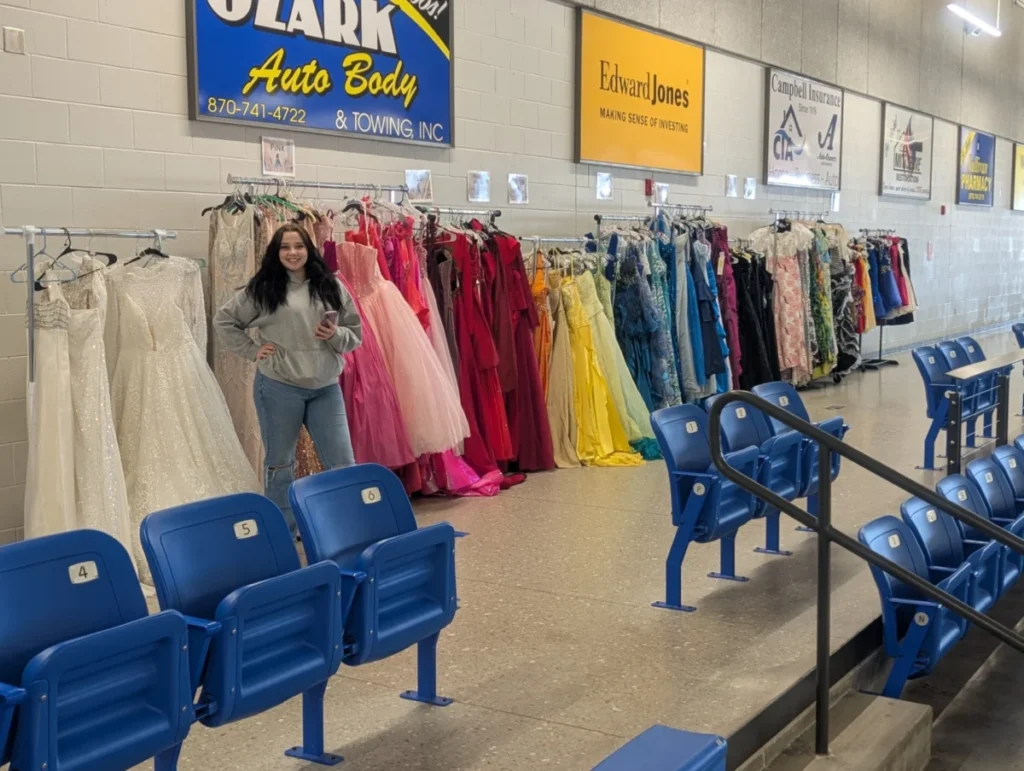
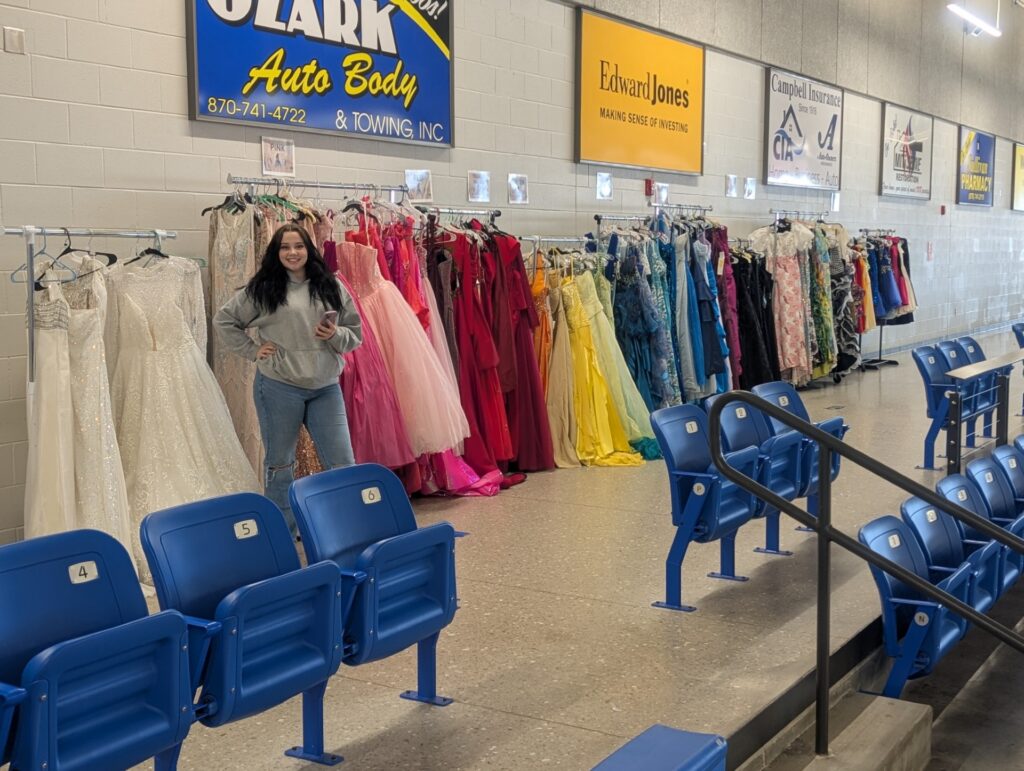
With the school administration’s full support, the Key Club moved quickly to organize "The Promise Project." Donation bins were strategically placed around the school and in key community locations. The response was immediate and overwhelming. Local businesses offered to serve as drop-off points, and community members eagerly contributed a diverse array of gowns, suits, shoes, and accessories.
The Key Club members took ownership of every aspect. They meticulously collected, sorted, cleaned, and categorized the donated items. But "The Promise Project" was conceived as far more than just a clothes drive. The student leaders envisioned a complete, empowering experience. Held one Friday evening last month in the spacious mezzanine of the school arena, the event was transformed into a pop-up boutique. This wasn’t merely placing a rack of free clothes in a hallway; it was about creating a curated, celebratory shopping experience at absolutely no cost to the students. To further enhance the experience, the event featured live hair technique demonstrations by local stylists and offered refreshments to all attendees, ensuring that the process of getting ready for prom was just as celebrated and exciting as the dance itself. By asking students to RSVP, the Key Club created an organized, dignified, and exciting environment, eliminating any potential stigma and fostering a sense of community support.
Supporting Data: The Broader Context of Prom Costs
"The Promise Project" at Harrison High School addresses a financial reality that extends far beyond its community. The cost of prom has been steadily rising nationwide, transforming it into a significant economic undertaking for many families. According to various national surveys, the average family spends anywhere from $600 to over $1,000 on prom night, a figure that can easily encompass the ticket, attire, accessories, hair, makeup, transportation, and after-prom activities. For a substantial portion of the American population, particularly those living paycheck to paycheck or facing economic hardship, these figures represent an impossible burden.
At Harrison High, where 60% of the student body qualifies for free or reduced-price lunch, these national averages are not just statistics; they are direct indicators of the daily financial struggles faced by hundreds of families. The free or reduced-price lunch program serves as a critical benchmark for socioeconomic status, signifying that these families often grapple with limited disposable income, prioritizing basic necessities like food, housing, and healthcare over discretionary expenses, no matter how culturally significant.
The psychological impact of this financial disparity is profound. Students who cannot afford to attend prom often experience feelings of embarrassment, exclusion, and social isolation. They miss out on crucial peer bonding experiences, shared memories, and the simple joy of celebrating their achievements with friends. This can affect their sense of belonging, self-esteem, and overall engagement with school life. "It’s more than just a dance; it’s a social milestone, a memory marker," noted Sarah Jenkins, a school counselor at Harrison High. "When students feel they can’t participate, it can leave a lasting sense of being ‘othered’ or left behind."
The overwhelming community response to "The Promise Project" served as powerful supporting data for the initiative’s necessity and impact. Hundreds of items were donated, from designer gowns to sharp suits, indicating a collective understanding and empathy within the Harrison community for the students’ plight. Volunteers from various community groups, local businesses, and parent-teacher organizations stepped forward to help sort donations, set up the boutique, and assist students during the shopping event. This outpouring of support underscored the project’s success in galvanizing community spirit around a shared goal of inclusivity.
"I honestly didn’t think I’d be able to go to prom," shared Maria S., a senior who found a beautiful emerald green gown at "The Promise Project." "My family has been going through a tough time, and I just couldn’t ask my parents for money for a dress. When I walked into the boutique, it felt so special. It wasn’t just free clothes; it was like being treated like royalty. I found the perfect dress, and now I can go with my friends without worrying."
Similarly, David L., a junior, expressed his gratitude: "Tux rentals are so expensive. I saw so many nice suits and ties at The Promise Project. It makes a huge difference knowing I can look sharp for prom without my parents having to stress about it. It makes you feel like the school really cares about all of us."
Official Responses: Leadership, Empathy, and a Call to Action
Principal Jay Parker’s leadership throughout this initiative has been characterized by a deep-seated commitment to student voice and equity. His philosophy, rooted in active listening and empowerment, transformed a perceived problem of low attendance into an opportunity for innovative community building.
"As school leaders, we often find ourselves caught up in the administrative aspects of running a school," Principal Parker stated. "But if we truly want to serve our students, we must prioritize listening to their experiences, understanding their challenges, and empowering them to be part of the solution. ‘The Promise Project’ is a testament to what can happen when we do exactly that."
Parker’s vision for making formal events more accessible this spring extends beyond Harrison High, offering actionable takeaways for his fellow principals nationwide:
- Ask the Right Questions: "If event attendance is low, don’t assume it’s because of student apathy," Parker urged. "Create informal forums, like our ‘Java with Jay’ chats, to ask students directly about the barriers they face. You might be surprised by what you uncover." This emphasis on genuine inquiry over assumptions is crucial for identifying root causes.
- Rethink the Format: Not every dance needs a tuxedo or a ball gown. Parker suggested considering weaving casual, post-game dances into school culture to provide high-energy, low-cost social alternatives. "These can be incredibly popular and foster school spirit without the financial pressure," he noted.
- Empower Student Solutions: "The Promise Project" is successful because it is fundamentally student-led. "Students collected and sorted items, and they were the ones who designed the entire ’boutique experience’," Parker explained. "When students drive the initiative, the stigma of receiving assistance disappears, replaced by a vibrant culture of community support and peer solidarity." This empowerment fosters ownership, reduces perceived charity, and builds leadership skills among students.
The school administration, including the Assistant Principals and the faculty advisor for the Key Club, provided essential logistical and administrative support. They ensured that school facilities were available, helped coordinate volunteer efforts, and offered guidance while allowing the students creative autonomy. "It’s about providing the framework and the trust," commented Ms. Evelyn Reed, the Key Club faculty advisor. "The students had the vision; our job was to help them bring it to life safely and effectively."
Local community leaders and even the Harrison School Board have lauded "The Promise Project" as an exemplary model of community engagement and student-centered innovation. "This initiative embodies the spirit of our community – caring for one another and ensuring every young person has the opportunity to thrive," remarked Sarah Thompson, a Harrison School Board member. "It’s a shining example of how our schools can adapt and innovate to meet the real needs of our students."
Implications: A Blueprint for Inclusivity and Lasting Impact
"The Promise Project" at Harrison High School represents more than just a successful prom initiative; it offers a compelling blueprint for fostering inclusivity and addressing socioeconomic disparities within educational institutions nationwide. Its implications are far-reaching, touching upon school culture, community engagement, and the very definition of equitable access to the full high school experience.
Beyond Prom: A Catalyst for Broader Inclusivity
The success of "The Promise Project" is already sparking conversations about how Harrison High School can extend this model to other areas where financial barriers might exclude students. Could similar initiatives address the cost of athletic equipment, academic club fees, or even cap and gown rentals for graduation? The collaborative spirit and community goodwill generated by the project suggest a fertile ground for future endeavors aimed at democratizing access to all aspects of school life. "This has opened our eyes to how many other areas we can apply this student-led, community-supported approach," Principal Parker mused. "Our goal is that financial hardship should never be a reason a student misses out on any opportunity here."
A Replicable Model for Schools Nationwide
One of the most significant implications of "The Promise Project" is its high replicability. The core elements – active listening to students, empowering student leadership, and leveraging community resources – are universal. Schools in diverse socioeconomic settings can adapt this model to fit their unique needs and challenges. It requires empathy, organizational effort, and a willingness to trust students with significant responsibility, but the rewards, as seen in Harrison, Arkansas, are immense. It’s a testament to the power of collective action and the impact of seemingly simple solutions when executed with intention and care.
Shifting School Culture: From Exclusion to Empowerment
Ultimately, "The Promise Project" is fostering a more empathetic, supportive, and inclusive school culture at Harrison High. It sends a powerful message to students: "You belong here, and your experiences matter." By actively removing barriers, the school is reinforcing that every learner is valued, and that the school community is committed to ensuring that socioeconomic status does not dictate access to celebratory milestones. This shift in culture can lead to increased student engagement, improved morale, and a stronger sense of belonging for all. The stigma often associated with needing assistance is replaced by the pride of participating in a community-wide effort to uplift peers.
The True Value of Milestones: Memories for All
In conclusion, high school is a critical period for personal growth, academic achievement, and the formation of lifelong memories. Milestones like prom are not merely social events; they are formative experiences that contribute to a student’s sense of identity, belonging, and achievement. By syncing administrative support with authentic student voice, Harrison High School has demonstrated that financial hardship need not keep any student from experiencing the magic and joy of these crucial high school moments. "The Promise Project" ensures that every student gets their "main character" moment, proving that with compassion, creativity, and community spirit, the promise of an inclusive high school experience can indeed be kept for all. The vibrant success of this initiative stands as a beacon, illuminating a path for schools everywhere to ensure that the dream of prom, and indeed all school milestones, remains within reach for every student.