Empowering Change: TASH Leads the Charge for Disability Inclusion and Policy Reform
As the landscape of disability advocacy continues to evolve, TASH—the premier international organization dedicated to equity, opportunity, and inclusion for people with the most significant support needs—is spearheading a series of critical initiatives. From high-level policy engagement in Washington, D.C., to the promotion of financial independence and academic research, TASH’s recent activities reflect a profound commitment to systemic change.
Main Facts: A Renewed Focus on Advocacy and Education
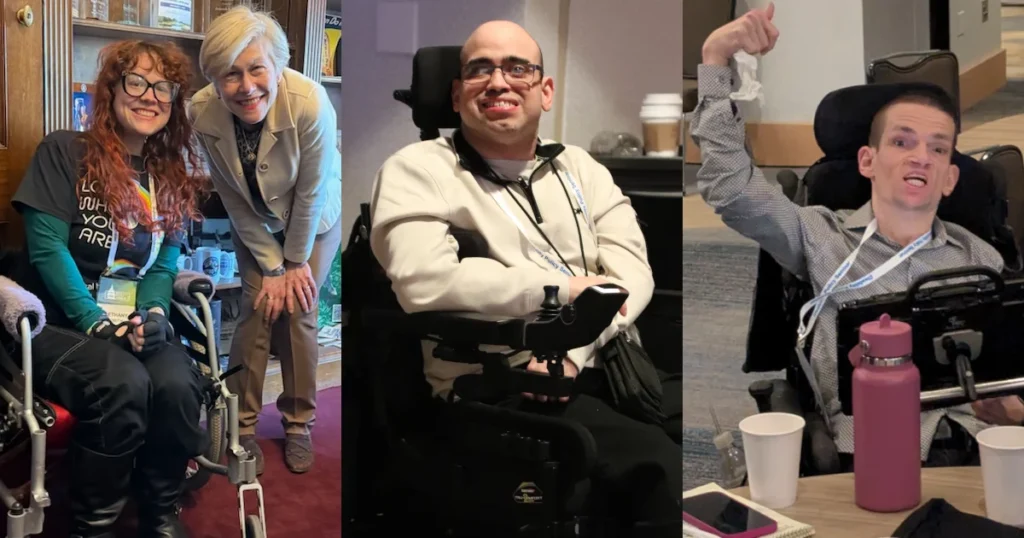
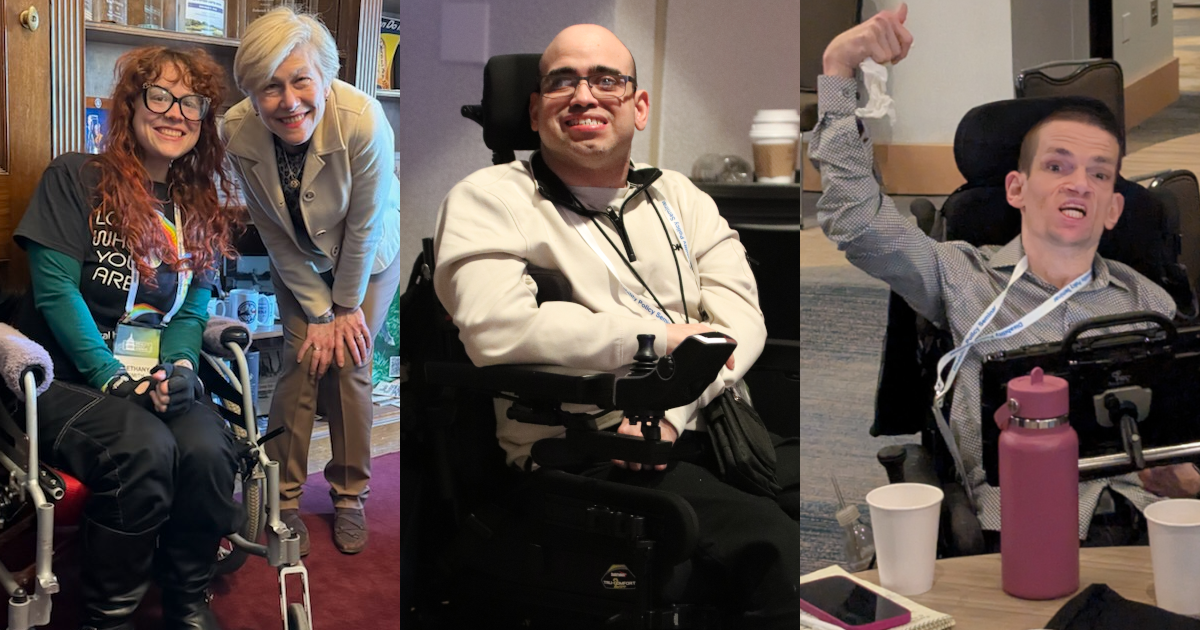
TASH recently served as a cornerstone of the annual Disability Policy Seminar in Washington, D.C., where over 900 advocates from across the United States converged to influence national legislation. The organization, which counts educators, researchers, self-advocates, family members, and service providers among its membership, utilized this platform to emphasize the necessity of evidence-based policy.

Michael Brogioli, Executive Director of TASH, underscored the importance of this unified presence. "TASH brings a distinctive voice to the table," Brogioli noted. "We are committed to an inclusive society that provides equal opportunities for all individuals in education, employment, and community living." The seminar provided a unique opportunity for TASH members to directly engage with Congressional offices, bridging the gap between lived experience and legislative action.

Beyond advocacy, TASH is actively preparing for its hallmark 2026 events, including the "Outstanding Leadership in Disability Law Symposium" and the upcoming annual conference in Philadelphia, both of which are designed to elevate the discourse on disability rights.

Chronology of Action: Key Milestones in 2026
The first quarter of 2026 has been defined by a rapid succession of educational and advocacy-driven events:
- March 2026: TASH engaged deeply in Developmental Disabilities Awareness Month (DDAM), partnering with the Disability Employment Technical Assistance Center (DETAC) to produce content on the evolving role of Developmental Disability (DD) Councils in employment.
- April 14, 2026: A pivotal webinar titled "Building Financial Independence: The ABLE Age Adjustment Act and Tools to Support Financial Empowerment" was held to coincide with Autism Acceptance Month and the #ABLEtoSave initiative.
- April 16, 2026: The TASH Early Career Researcher Network (ECRN) hosted an interactive Q&A session focused on the nuances of participatory research.
- April 23, 2026: The first episode of the 2026 Webinar series, "Ten Tips to Creating an Inclusive and Independent Life," featured personal accounts of success in sports, theater, and education.
- July 21, 2026: The 10th Annual Outstanding Leadership in Disability Law Symposium is scheduled to be held at the American University Washington College of Law.
- December 3–5, 2026: The annual TASH Conference, themed "Liberty and Justice for All," will take place at the Loews Philadelphia Hotel.
Supporting Data: Economic Empowerment and Research Integrity
TASH’s recent initiatives are heavily grounded in data and practical economic tools. During the April 14 financial empowerment webinar, experts from the National Disability Institute’s ABLE National Resource Center (NRC) and the LEAD Center provided critical insights into how ABLE accounts—tax-advantaged savings accounts for individuals with disabilities—can be used to secure long-term financial stability.

The inclusion of the "Secure Your Financial Future" toolkit, funded by the Office of Disability Employment Policy, represents a tangible resource for those seeking to navigate employment transitions. By highlighting the experiences of ABLE ambassadors, TASH is moving beyond abstract policy discussion into concrete, actionable financial strategies.
Furthermore, the organization’s commitment to research is evidenced by its partnership with the American Institutes for Research (AIR). Recognizing that traditional research methodologies often exclude people with intellectual or developmental disabilities (IDD), TASH is supporting a study aimed at making survey mechanisms more accessible. This de-identified peer review process, applied to the 2026 Conference proposals, ensures that the research disseminated at TASH events maintains the highest standards of academic and social integrity.

Official Responses and Strategic Vision
The leadership at TASH maintains that the organization’s strength lies in its diverse coalition. Michael Brogioli emphasizes that membership in TASH is more than a professional designation; it is an invitation to join a mission-driven movement. By providing access to scholarly resources like Research and Practice for Persons with Severe Disabilities (RPSD) and Inclusive Practices, TASH ensures that its advocates are equipped with the latest evidence-based literature.

The organization’s strategic vision for 2026 is clear: to move the needle on employment through capacity building and systemic influence. The collaboration with the National Association of Councils on Developmental Disabilities (NACDD) is a testament to this, with experts emphasizing that the integration of "lived experience" into policy-making is not merely a preference but a requirement for effective governance.

As Bryan Dooley, an NACDD apprentice, noted in a recent seminar, the involvement of individuals with disabilities in the policy-drafting process is essential for ensuring that outcomes reflect the actual needs and desires of the community.

Implications: The Future of Disability Rights
The implications of TASH’s current efforts are far-reaching. By focusing on three distinct pillars—advocacy, research, and practice—TASH is attempting to address the "opportunity gap" that exists for people with the most significant support needs.

1. Education and Inclusion
The "Ten Tips to Creating an Inclusive and Independent Life" webinar highlights that the journey toward inclusion begins with individual stories of belonging. By sharing narratives of participation in theatre and sports, TASH validates the importance of social integration as a precursor to formal employment and educational success.

2. Legal and Regulatory Reform
The upcoming July symposium, honoring Frank Laski, underscores the historical importance of litigation and law in securing rights. By keeping the conversation centered on "Outstanding Leadership in Disability Law," TASH reinforces that rights are not static; they must be defended and expanded through continuous legal vigilance.

3. Career Development
The expansion of the TASH Career Center, which now offers specialized job and resume hosting, signals a move toward professionalizing the disability advocacy sector. By creating a direct link between employers seeking values-based employees and job seekers with disabilities, TASH is actively dismantling the barriers to competitive integrated employment.

Building a Network for the Future
As the year progresses toward the December conference in Philadelphia, the energy within the TASH community is palpable. The "Call for Proposals" for the 2026 conference is now open, inviting researchers, practitioners, and self-advocates to contribute their expertise. This inclusive approach to conference programming ensures that the dialogue remains representative of the entire spectrum of the disability community.

For those interested in contributing to this mission, the path is multifaceted. Whether through attending webinars, participating in research surveys like the one being conducted by the American Institutes for Research, or joining the organization as a member, there are numerous avenues for involvement.

Conclusion
TASH continues to be a beacon for those who believe that an inclusive society is not only possible but essential. As the organization looks toward the second half of 2026, its focus remains steadfast on the principles of equity and opportunity. By fostering a environment where researchers work alongside self-advocates and families, TASH is proving that the most effective way to change policy is to first change the conversation.

As we look toward the "Liberty and Justice for All" conference this December, the work being done in D.C., the research being conducted in university labs, and the personal strategies being shared in webinars all point toward a future where individuals with the most significant support needs are not just participants in society, but leaders within it.

For more information on how to join the movement, register for upcoming events, or submit a member testimonial, visit tash.org. Through collective action, TASH continues to demonstrate that when we amplify our voices, we move closer to the promise of true inclusion for all.