Beyond Spirit Rallies: How Student-Administrator Partnerships Are Transforming Texas High Schools
Main Facts: A Historic Milestone for Burges High School
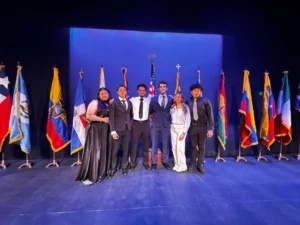
In a powerful testament to the untapped potential of youth leadership, Burges High School in El Paso, Texas, has etched its name into the history books. For the first time, a student council from the historic El Paso campus has ascended to the role of president school for the Texas Association of Student Councils (TASC). At the heart of this milestone is Alexandra “Lexi” Rosales, a senior at Burges High School, who proudly serves as the state president and student representative for the organization.
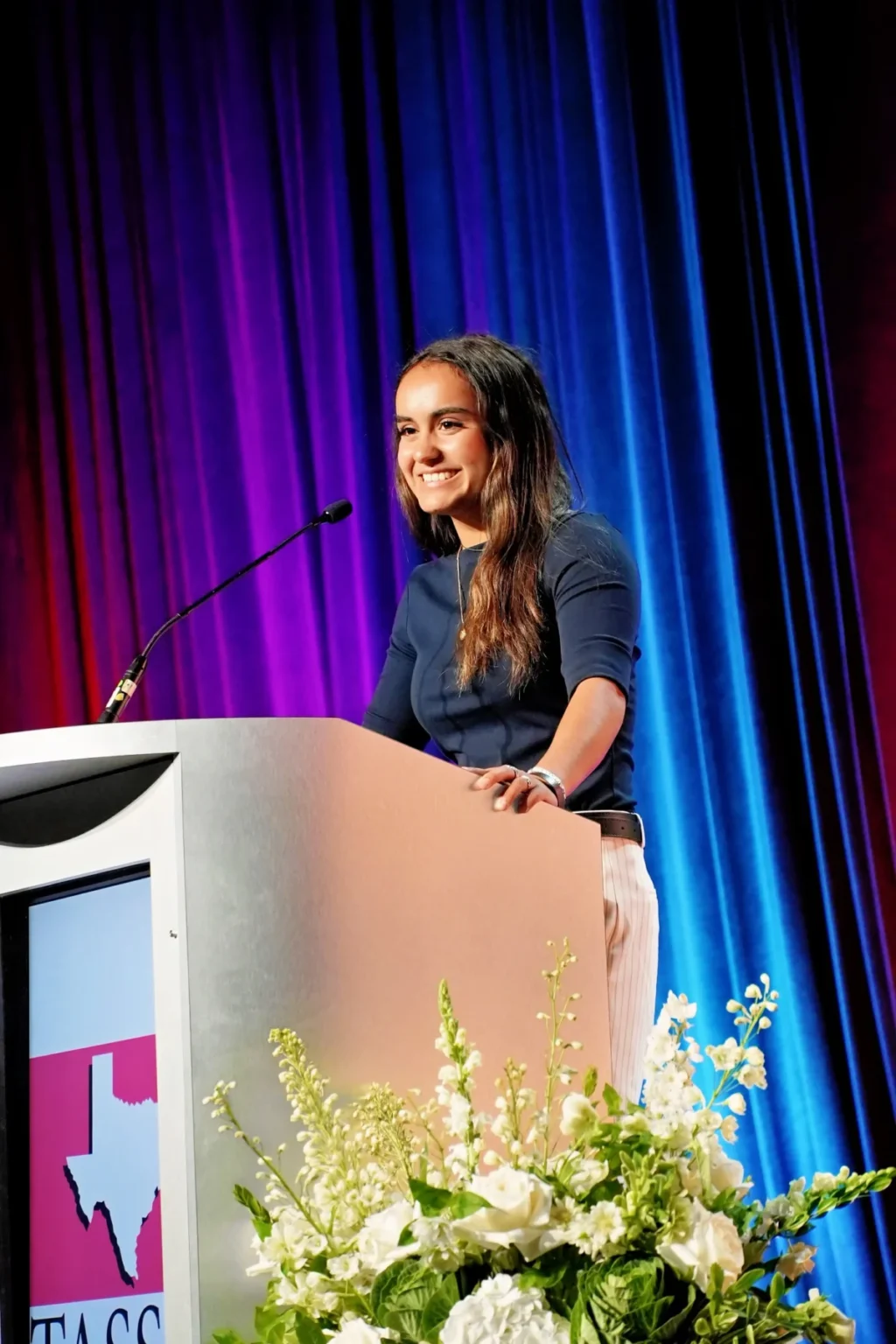
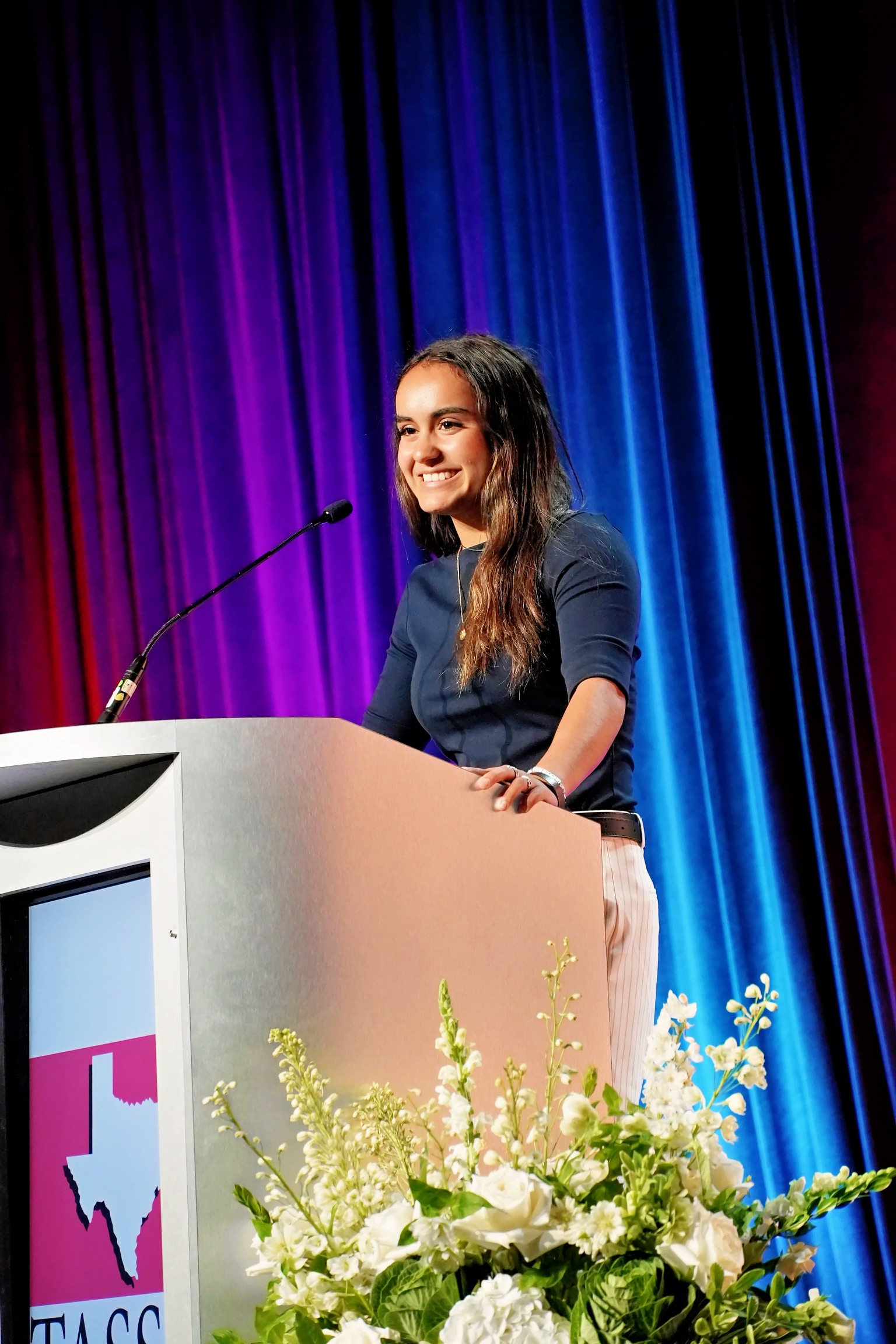
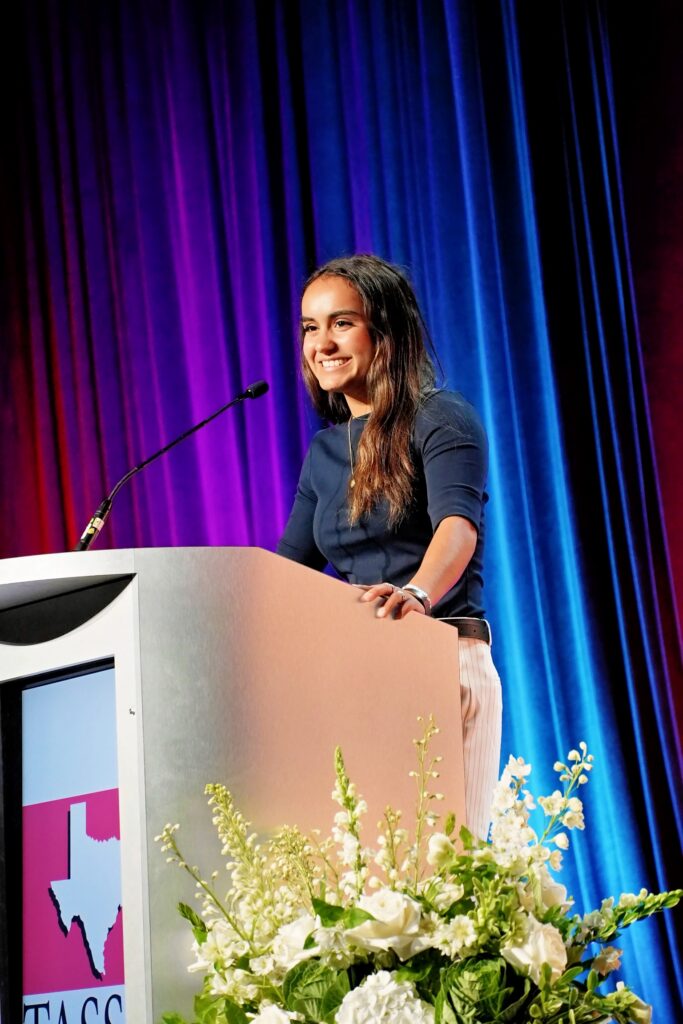
Rosales announced this historic achievement during a keynote address at the 103rd Texas Association of Secondary School Principals (TASSP) Summer Workshop in Dallas, Texas. Speaking before a packed audience of educators, administrators, and student leaders, Rosales delivered a compelling message that challenged conventional educational hierarchies. Her central thesis was direct: students are routinely underestimated, not due to a lack of capability, but because they are rarely handed the reins of genuine responsibility.
The achievement underscores a growing movement across the Lone Star State and the nation—one that transitions student councils from mere event-planning committees focused on pep rallies and homecoming floats into active, strategic partners in school governance, community building, and campus culture transformation.
Chronology: From Silence in the Back Row to the State Stage
To understand the magnitude of Rosales’s ascent to the TASC presidency, one must trace a trajectory defined initially by hesitation rather than ambition.
The Quiet Beginning
Rosales’s journey into student leadership did not start with a thunderous declaration or a visionary campaign speech. Her initiation into her high school’s student council was remarkably understated. Walking into her first meeting, she recalls feeling entirely out of place. There was no dramatic awakening, no sudden burst of confidence. She simply walked in, took a seat in the back of the room, and remained completely silent for the entirety of the gathering.
Like many high school students, Rosales initially lacked the internal conviction that her voice held weight or that she belonged in a room where institutional decisions were discussed. The spotlight felt blinding, and the prospect of leadership felt distant.
The Catalyst of Belonging
What bridged the gap between a silent observer in the back row and a statewide student representative was not a strict assignment, but an intangible institutional atmosphere. It was the feeling of belonging cultivated by the student council environment. It was the subtle, persistent encouragement from advisors and peers who signaled to Rosales that her presence mattered—even before she spoke a single word. Over time, that welcoming culture eroded her hesitation, replacing self-doubt with the realization that she could, and should, begin to contribute.
The Historic State Election
That foundational sense of inclusion eventually propelled Rosales outward, leading to campus-wide initiatives at Burges High School and culminating in her election as the student representative and state president for TASC. Her journey transitioned from a personal victory over shyness to a collective triumph for her entire school community. At the 103rd TASSP Summer Workshop, the shy girl who once sat silently in the back of a classroom stood at a podium addressing hundreds of educational leaders, embodying the exact transformation she now advocates for across Texas schools.
Supporting Data: The Impact of Student-Led Governance
While educational theory has long championed student-centric learning, empirical data continues to validate the tangible benefits of student voice in secondary education. According to research from organizations like the National Association of Secondary School Principals (NASSP) and various educational equity projects, schools that actively integrate students into administrative planning experience measurable gains in several key areas:
- Enhanced School Climate: Campuses with empowered student councils report a 25% higher perception of safety, inclusion, and mutual respect among the student body compared to schools where student organizations are limited to social planning.
- Reduction in Disciplinary Issues: When students are given legitimate responsibilities and agency in shaping school policy, behavioral referrals often drop. Ownership breeds accountability; students who help build and maintain a positive culture are significantly less likely to disrupt it.
- Academic Engagement and Retention: Active participation in leadership organizations correlates with improved attendance rates, higher grade point averages, and increased post-secondary readiness.
- The TASC Network: Operating under the umbrella of the Texas Association of Student Councils, thousands of Texas students participate annually in leadership workshops, service projects, and governance training. TASC serves as a primary incubator for civic engagement, teaching students not merely what to do, but why active participation matters in a democratic society.
At Burges High School, the student council’s approach reflects these data-driven best practices. Instead of focusing exclusively on spirit weeks, Rosales and her peers evaluate campus dynamics through a critical lens: Who are we reaching? Who are we missing? What does our campus actually need? This analytical approach to school culture turns student councils into diagnostic tools for administration, identifying systemic gaps that teachers and principals might otherwise miss.
Official Responses: Perspectives from the Podium and the Principal’s Office
Rosales’s address in Dallas resonated deeply with the educational leaders in attendance, striking a chord with principals who grapple daily with how to bridge the gap between administrative goals and student realities.
The Student Perspective
"At my school, our student council isn’t sitting in the audience," Rosales told the assembly of principals and administrators. "We’re working alongside administration. When we plan events, we’re not just thinking about school spirit. We’re thinking about impact."
Rosales directly challenged the paternalistic dynamic that often defines adult-student interactions in schools. She argued that students are acutely aware when they are merely being placated versus when they are genuinely trusted.
"You will likely see students struggle at first—not quite trusting that they will be trusted," Rosales noted, speaking directly to the school leaders. "But then they will start to take ownership and become a bit braver. And I promise you, your students will welcome the chance to make a legitimate impact in your school."
The Administrative Imperative
Educational philosophy heavily supports Rosales’s assertions. She invoked the wisdom of renowned educator Dr. James Comer, who famously stated: "No significant learning occurs without a significant relationship."
For school principals, the message is clear: empowering a student council is not an administrative burden or an extracurricular luxury. It is a fundamental leadership strategy. When principals open the doors to their conference rooms, invite student leaders to the table, and genuinely listen to their inquiries, the traditional paradigm of top-down control shifts into a collaborative partnership. This partnership transforms the school from an institution where things are done to students into a community where things are built with them.
Implications: Reimagining the Future of Secondary Education
The historic milestone achieved by Burges High School and Lexi Rosales carries profound implications for secondary education across Texas and the broader United States. As schools navigate complex social, emotional, and academic post-pandemic landscapes, traditional models of school leadership are increasingly proving insufficient.
1. From Tokenism to True Partnership
For decades, "student voice" has occasionally been reduced to tokenism—a ceremonial seat on a school board or a handpicked student speaker at graduation whose remarks are heavily vetted and edited. Rosales’s narrative calls for an immediate end to this superficial engagement. True partnership requires vulnerability from school leadership. It means inviting students into rooms where real problems—ranging from campus equity to mental health resource allocation—are being discussed, and valuing their perspectives as legitimate contributions rather than youthful idealism.
2. Cultivating Civic Resilience
Organizations like TASC play an irreplaceable role in modern civics education. In an era where civic engagement among youth is frequently critiqued, programs that place teenagers in charge of state-level governance structures provide hands-on experience in democracy, debate, compromise, and execution. The leadership skills Rosales developed—moving from a silent observer to a statewide representative—are precisely the competencies required of tomorrow’s workforce and civic leaders.
3. Strengthening School Belonging
Ultimately, the transformation of student councils into co-administrators of school culture directly addresses the modern crisis of student disengagement. When a student walks into a building and sees their peers actively shaping policies, planning inclusive events, and partnering with the principal, the psychological contract between the student and the school is rewritten. The school is no longer a holding pen; it is theirs.
As school leaders look toward the future, the challenge issued by a high school senior in El Paso remains on the table: When was the last time a student truly surprised you? The answer may depend entirely on whether educators are willing to shine the light, open the door, and hand over a share of the responsibility.
About the Author and Event Context
This report was synthesized and expanded from insights shared by Alexandra “Lexi” Rosales, a senior at Burges High School in El Paso, TX, and the state president and student representative for the Texas Association of Student Councils (TASC). Her remarks were originally delivered as a keynote address at the 103rd Texas Association of Secondary School Principals (TASSP) Summer Workshop in Dallas, TX, highlighting the transformative power of youth leadership in modern education.