
Beyond the Clock: Understanding and Managing ADHD Time Blindness in Adolescents
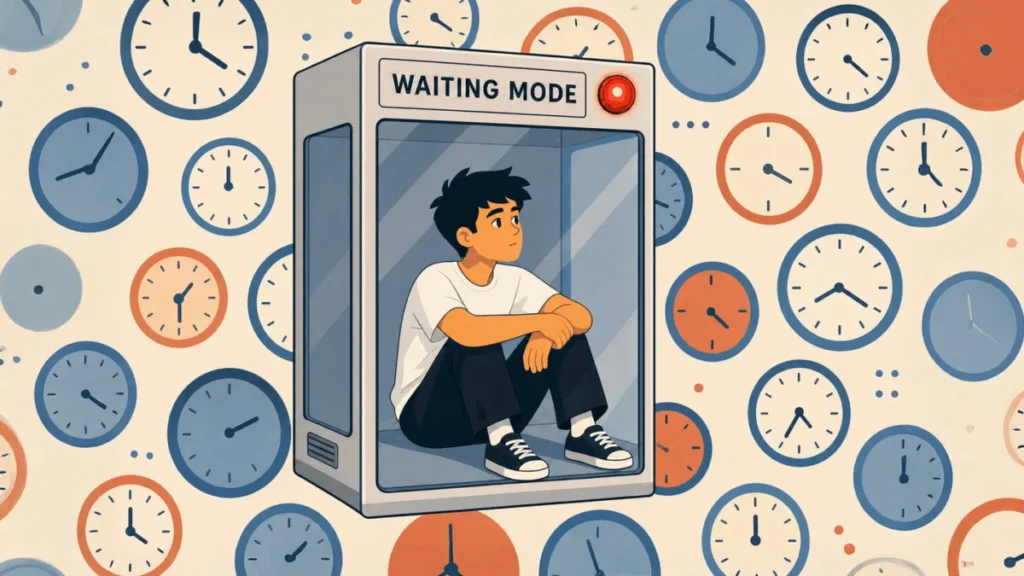
For most, the passage of time is a rhythmic, predictable constant—a metronome ticking in the background of daily life. But for many teenagers with ADHD, time is an elusive, abstract concept that frequently slips through their fingers. The phenomenon, often referred to as "time blindness," is not a matter of laziness or defiance; it is a profound neurological challenge that impacts how a person senses, tracks, and utilizes time to navigate their world.
The Neurology of the "Blur"
The experience of time blindness is difficult for neurotypical individuals to grasp, but it can be compared to a sensory impairment. One therapist recounts a personal experience during a routine eye exam: after having their pupils dilated, the clinician was hit with an urgent request from a patient’s family. Despite the critical nature of the situation, the clinician found themselves staring at a smartphone screen, completely unable to focus on the text. The frustration, panic, and overwhelming sense of helplessness were palpable.
This clinical anecdote serves as a mirror for the neurodivergent adolescent experience. When a student sits in a therapy office, describing the dread of a looming deadline they know they will miss, or the crushing exhaustion of a week spent in a cycle of procrastination and anxiety, they are describing a similar, albeit chronic, "blindness." It is not a lack of desire or effort; it is a deficit in the executive function that allows one to plan for the future, track the present, and feel the weight of time passing.
Chronology of a Challenge: Why Adolescence Is the Breaking Point
While time management difficulties may be present in childhood, they often reach a fever pitch during adolescence. This is not coincidental; it is a structural byproduct of the developmental transition from middle school to high school.
The Shift in Demands
In elementary and early middle school, external structure is high. Teachers and parents provide frequent reminders, breaking large projects into manageable steps and setting firm milestones. As a student enters high school, the scaffold is stripped away. The sheer volume of academic output increases, sports and extracurricular commitments become more demanding, and the expectation of personal autonomy skyrockets.
The Neurobiological Gap
According to Dr. Russell Barkley, a leading expert on ADHD, time blindness is the impaired ability to sense time passing and to use that internal sense to guide behavior. For a teen with ADHD, the brain’s "time-sensing" mechanism—housed in the frontal lobes—is often delayed in its development. While their peers are gradually gaining the ability to "time travel" (mentally projecting themselves into the future to see the consequences of current actions), the teen with ADHD remains trapped in the "now." This creates a chronic disconnect between intention and action.
Supporting Data and The "Time Optimist" Dilemma
The struggle is often compounded by what researchers call "time optimism." Many individuals with ADHD genuinely believe that a task will take significantly less time than it actually does. They see a 20-minute window and assume it is enough time to shower, eat, pack a bag, and commute, ignoring the physical reality of the steps involved.
Data from educational psychology suggests that students with ADHD consistently underestimate the duration of tasks by 20% to 50%. This isn’t a personality quirk; it is a failure of the brain to accurately calculate the cumulative time of a sequence of actions. When the task is eventually left unfinished or the student arrives late, the resulting shame cycle—"I should have done better," "Why can’t I just be normal?"—further erodes their self-esteem and motivation.
Signs of ADHD Time Blindness in Teens
Identifying time blindness early is critical for intervention. Common indicators include:
- The "Now vs. Not Now" Dichotomy: A complete inability to prioritize a task that is due in three days over a task that is due in three hours.
- The Chronic Late Arrival: Despite an intense desire to be on time, the teen finds themselves constantly rushing, forgetting items, or losing track of time in the minutes before departure.
- Underestimating Task Duration: Regularly starting projects with only minutes to spare, operating under the mistaken belief that they can finish in a fraction of the time actually required.
- Waiting Mode: A state of paralysis where the teen feels unable to start any task because they have an appointment later in the day, effectively "wasting" hours of potential productivity.
Clinical Strategies: How to Help Teens Manage Time Blindness
Helping a teen manage time blindness requires a transition from "telling" them to manage their time to "showing" them how to make time visible.
1. Externalize the Clock
Analog clocks are often more effective than digital ones for teens with ADHD. Digital clocks provide a number, but they do not show the quantity of time. An analog clock allows a student to physically see the "pie slice" of time remaining, which provides a visual representation of the passing minutes.
2. Implement the "Buffer" Philosophy
Teens with ADHD rarely account for the "transition costs" of life—the time spent finding shoes, walking to the car, or answering a text. Parents and coaches should encourage the "Buffer Rule": if a task is estimated to take 15 minutes, the teen must budget for 25. This creates a safety net for the inevitable hiccups that characterize daily life.
3. Translate Time into Equivalents
Abstract numbers are difficult for the ADHD brain to process. Instead, translate time into sensory experiences. For example, a 10-minute period can be framed as "about three songs." Creating playlists that represent specific lengths of time (e.g., a 30-minute "getting ready" playlist) can provide an auditory anchor for the passage of time.
4. Dismantling "Waiting Mode"
Waiting mode is often a symptom of all-or-nothing thinking. If a teen has a dentist appointment at 3:00 PM, they may feel they cannot start a homework assignment at 1:00 PM because "there isn’t enough time." Encourage the "Five-Minute Start." By committing to just five minutes of work, the brain is often able to break the paralysis and continue the task, effectively reclaiming the lost hours.
5. Making Time Real
Use visual timers, such as the Time Timer or physical hourglasses, to provide a tangible representation of time slipping away. When the passage of time is visual, the brain is better equipped to register the need for urgency.
Implications for the Future: Moving Beyond the Stigma
The implications of untreated time blindness extend far beyond the classroom. In higher education and the workforce, the ability to sense and manage time is the primary predictor of success. However, the goal of intervention should not be to "fix" the teen into a neurotypical mold, but rather to provide them with the tools to translate their unique cognitive landscape into a functional, sustainable life.
When we view ADHD through the lens of a neuro-difference rather than a character flaw, the narrative changes. We stop asking, "Why won’t you just focus?" and start asking, "How can we make time visible for you today?"
Conclusion: A Call for Empathy
The path to managing time blindness is rarely linear. There will be good weeks and difficult weeks. The most important tool a caregiver or educator can offer is empathy. By validating the struggle—acknowledging that the panic and the feeling of being "stuck" are real physiological responses—we help the teen move out of the shame spiral and into a state of problem-solving.
As we continue to advance our understanding of executive function, it is clear that the solution lies in partnership. By combining expert-informed strategies with compassionate support, we can help neurodivergent teens build a life where time is no longer a source of dread, but a manageable, navigable element of their daily experience.
For those seeking further guidance, educational resources, including webinars on ADHD time blindness and prioritization for middle and high school students, are available through organizations like ADDitude Magazine. These resources aim to empower families by providing evidence-based, actionable strategies to navigate the complexities of neurodivergence.