Bridging the Gap: How School Administrators are Combating Student Poverty and Ensuring Equity in the Classroom
By Educational Policy and Community News Desk
Published: September 2026
Main Facts: The Changing Face of Back-to-School Season
For generations, the transition from August to September held a familiar, nostalgic rhythm. Across America, the waning days of summer meant final afternoons spent splashing at the community pool, followed by the anxious excitement of rushing to school bulletin boards to see class rosters. It was a time of hopeful anticipation—trying on new clothes, debating whether to ask parents for the latest trend-setting footwear like L.A. Lights or Reebok Pumps, and stuffing crisp, untouched notebooks with sharpened No. 2 pencils. In the collective cultural memory, the start of a new school year was universally defined by fresh beginnings and abundance.
For Clayton Lavercombe, now serving as the freshman principal at Springboro High School in Springboro, Ohio, those 1990s memories reflect a simpler time when he believed every peer enjoyed the same baseline of security. Back then, he assumed everyone had a reliable breakfast waiting for them, a fresh back-to-school haircut, and a fully stocked supply box.
Today, the reality inside America’s public high schools looks vastly different. As an administrator stationed in Warren County—nestled strategically between the bustling economic hubs of Dayton and Cincinnati—Lavercombe is intimately acquainted with a starkly different demographic reality. He sees firsthand the students for whom basic survival needs go unmet long before they ever step through the front doors of the school building.
In an era defined by persistent inflation, surging housing costs, and widening wealth gaps, school supplies have steadily slipped to the bottom of struggling families’ financial priorities. When forced to choose between paying monthly rent and purchasing properly fitting shoes, durable backpacks, and basic writing utensils, education expenses are inevitably sidelined.
Yet, amidst these sobering socioeconomic challenges, a profound counter-narrative is taking shape. While the financial burden on vulnerable families continues to rise, it has concurrently sparked a powerful wave of community awareness, empathy, and localized problem-solving. Administrators across the country are discovering that transparency, resourcefulness, and community partnerships can transform schools from mere institutions of learning into vital safety nets for holistic student well-being.
Chronology: The Evolution of the Modern High School Support System
To understand how high schools like Springboro have adapted to address modern student poverty, it is helpful to examine the historical trajectory of educational administration over the past three decades.
The 1990s–2000s: The Era of Academic Isolation
During the late 20th century and early 2000s, the traditional mandate of public high schools was largely academic. While guidance counselors provided occasional social-emotional support and free-or-reduced lunch programs offered basic nutritional aid, the systemic burdens of poverty were largely viewed as outside the direct purview of instructional leadership. Teachers focused on curriculum standards, standardized testing, and extracurricular management, while personal hardships were frequently hidden behind a veil of social stigma.
The 2010s: The Recognition of Non-Academic Barriers
As the post-2008 economic recovery dragged on, educational researchers began publishing compelling data linking chronic absenteeism and poor academic performance directly to unmet basic needs—such as food insecurity, lack of appropriate clothing, and unstable housing. High schools across Ohio and the broader Midwest slowly began adopting a more comprehensive approach. Districts started experimenting with rudimentary food pantries and holiday assistance programs, though these efforts were often decentralized and heavily dependent on sporadic charity rather than institutional strategy.
The Post-Pandemic Era (2020–Present): Institutionalizing Equity
The COVID-19 pandemic laid bare the fragile socioeconomic ecosystems supporting millions of American families. Supply chain disruptions, inflation waves, and soaring housing costs exacerbated pre-existing vulnerabilities. For Springboro High School and similar districts in Warren County, this crisis forced a structural pivot. Support systems evolved from ad-hoc responses into integrated, community-wide networks. Today, modern administrative leadership requires principals to act not merely as instructional supervisors, but as chief community resource officers capable of navigating mental health infrastructure, local government partnerships, and peer-led advocacy.
Supporting Data: The Rising Tide of Student Need in American Public Education
The observations made by frontline educators in Warren County are part of a broader, systemic trend documented extensively by national educational and economic watchdogs.
Economic Pressures on American Families
According to data compiled by the U.S. Bureau of Labor Statistics and independent economic think tanks, the cost of living over the past five years has outpaced median wage growth for hourly workers. Essential expenditures—particularly housing, utilities, and grocery staples—consume an increasingly disproportionate share of lower- and middle-class household budgets.
- School Supply Inflation: The National Retail Federation (NRF) reports that average spending on K-12 back-to-school supplies has climbed steadily, placing immense pressure on households with multiple children.
- The Housing Squeeze: In suburban and semi-urban districts across Ohio, rising property values and rental rates have pushed working-class families into financial precarity, forcing difficult compromises between nutritional security and educational preparedness.
The Impact on Student Wellness
When basic needs go unmet, the academic consequences are immediate and measurable:
- Academic Disengagement: Students who arrive at school hungry, cold, or lacking fundamental supplies experience elevated levels of toxic stress, which directly impedes cognitive function and memory retention.
- Social Isolation: Adolescents are acutely sensitive to peer perceptions. The inability to afford basic personal hygiene items, appropriate seasonal clothing, or standard school supplies frequently leads to truancy, withdrawal, and school avoidance.
Official Responses: A Four-Pillar Blueprint for Principal Leadership
Faced with mounting socioeconomic pressures, educational leaders cannot afford to operate in a vacuum. Drawing from extensive administrative experience in Ohio, Principal Clayton Lavercombe outlines a pragmatic, four-part blueprint for high school principals seeking to systematically support their most vulnerable populations.
+-----------------------------------------------------------------+
|               SPRINGSBORO HIGH SCHOOL FRAMEWORK                 |
+-----------------------------------------------------------------+
|  1. Know Your Community   -> Build external, safe partnerships  |
|  2. Say Yes               -> Leverage willing parent donors     |
|  3. Utilize Resources     -> Normalize basic-needs assistance   |
|  4. Let Students Lead     -> Empower peer-to-peer advocacy      |
+-----------------------------------------------------------------+
1. Know Your Community
Effective intervention begins outside the classroom walls. At Springboro High School, systemic support was catalyzed when the district’s director of mental health—who also serves concurrently on the local city council—founded the Springboro Community Assistance Center.
Rather than operating as a clinical, intimidating school office, the center is housed directly within a district building and features a bi-monthly food pantry. This neutral, non-academic environment serves as a vital bridge. Because the pantry is not formally tied to grading or discipline, it provides a safe, stigma-free space for families to interact with school personnel, facilitating organic conversations about academic, social, emotional, and financial needs before they escalate into crises.
2. Say Yes
Administrators often underestimate the deep reservoirs of goodwill present within their communities. Many parents attend back-to-school nights and orientation events with a sincere, unspoken desire to contribute. They frequently drop subtle hints, indicating that if teachers or administrators ever need assistance, they are ready to help.
The administrative mandate is simple: Say yes.
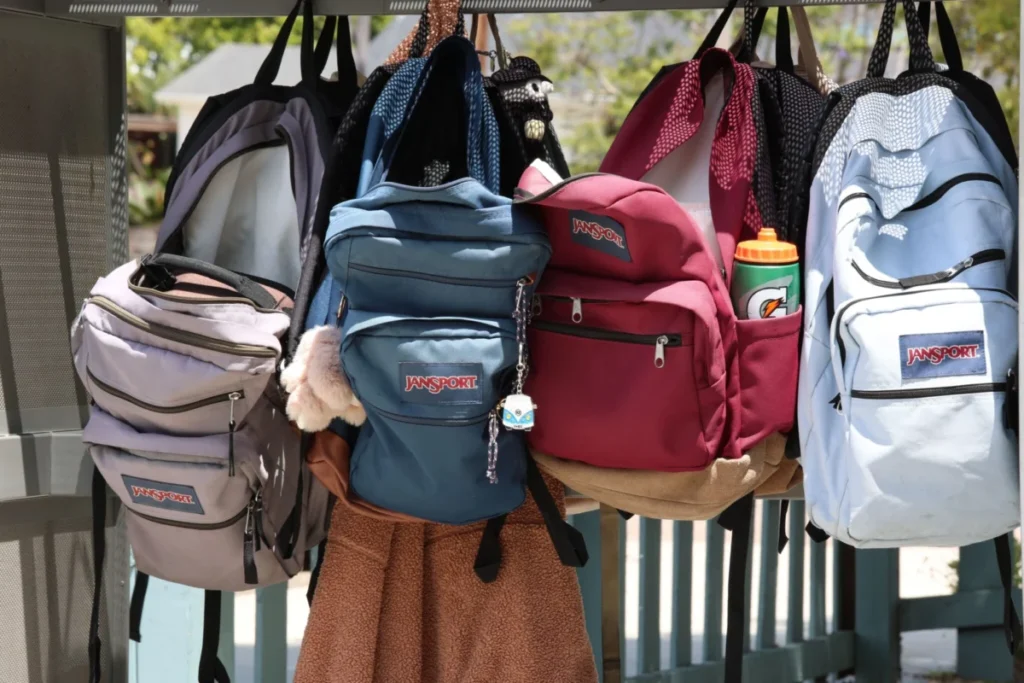
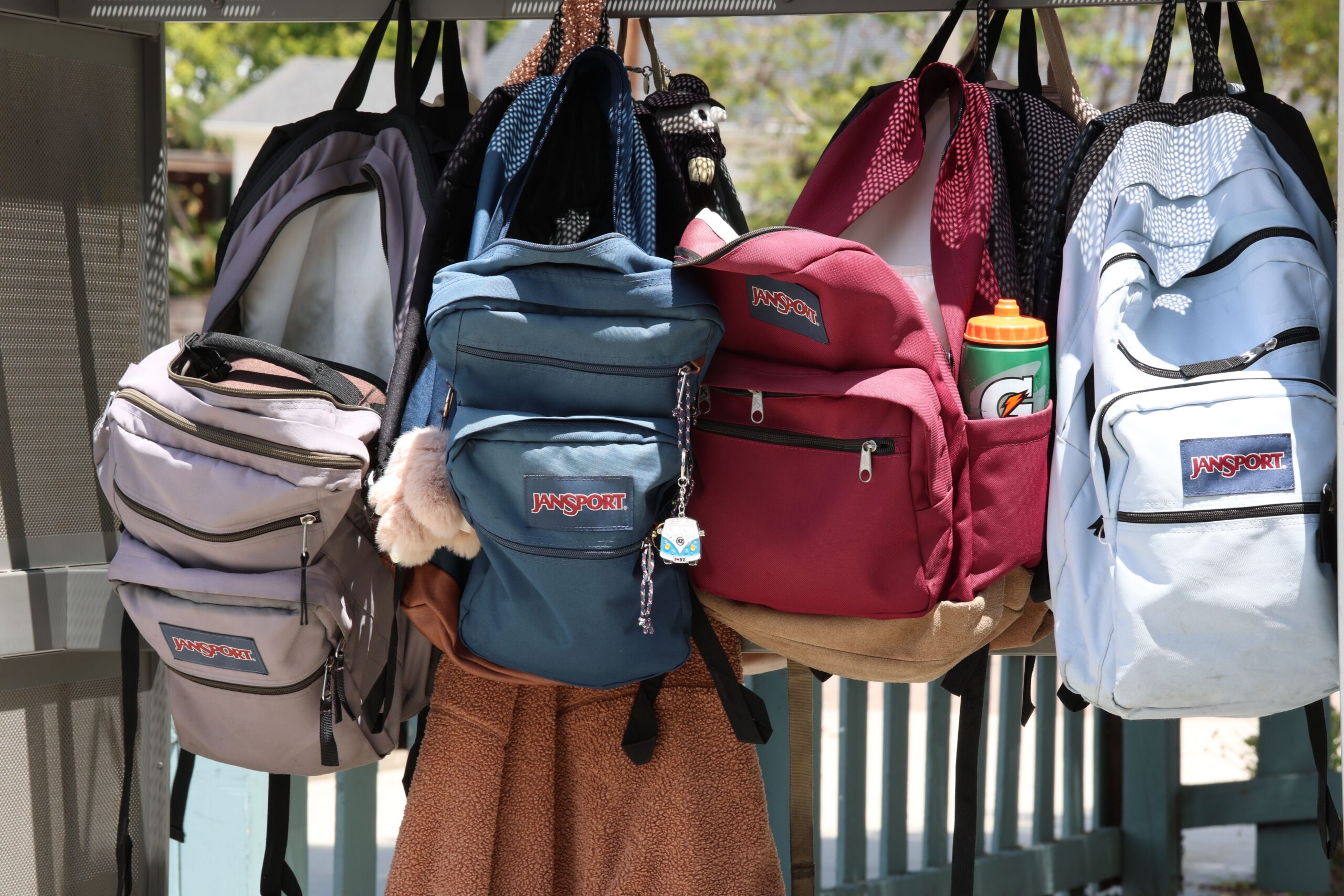
When community members offer to donate backpacks, pencils, specialized school supplies, or even new towels, saying yes can fundamentally alter the daily school experience of a student in need. Furthermore, modern parent donors frequently leverage their personal social media networks to amplify charitable drives, multiplying the impact. However, Lavercombe stresses a critical caveat: school leaders must work with these generous individuals directly and discreetly. Maintaining absolute student privacy is paramount to preserving dignity and ensuring the long-term success of support initiatives.
3. Utilize Existing Resources
Supporting vulnerable students does not always require securing new grant funding or launching expensive capital campaigns; frequently, it requires creative utilization of infrastructure already embedded within the school building.
Lavercombe highlights a powerful real-life example from the previous school year. A student was identified who clearly lacked consistent access to laundry facilities—and potentially even a working shower—at home. As a student with special needs enrolled in a life skills class that routinely managed athletic uniforms and team gear, the solution was already operating down the hall.
Administrators and staff gently encouraged the student to bring his personal clothing to wash alongside the sports team’s laundry, explicitly letting him know that the school’s facilities were open to him whenever needed. By embedding these interventions into normal daily routines, schools can systematically strip away the shame associated with poverty, making students feel infinitely more comfortable asking for help.
4. Let Students Lead
While administrative strategy and community donations are essential, the most enduring cultural shifts occur when students are trusted to take the reins.
During the holiday season, a Springboro student volunteered to organize a campus-wide sock drive. The initiative snowballed, resulting in a massive influx of new socks, towels, and undergarments that guidance counselors and teachers could quietly distribute to students in need. Similarly, competitive Thanksgiving food drives—where homeroom classes vie to assemble the most comprehensive collection of nonperishable goods—have proven to be immensely popular.
Beyond the immediate material benefits, these student-led campaigns serve a vital developmental purpose. They empower adolescents with the realization that they possess a distinct voice, and that their collective agency can tangibly improve the lives of their peers.
Implications: The Future of Holistic Public Education
The evolution of Springboro High School’s support infrastructure underscores a fundamental paradigm shift in American education. No longer viewed strictly as instructional fortresses focused exclusively on standardized test scores, modern high schools are increasingly recognized as the central nexus of community health and social stability.
Policy Implications for School Districts
- Redefining Administrative Training: Principal preparation programs must increasingly incorporate coursework in social work navigation, community resource management, and trauma-informed leadership. Managing a modern high school requires competencies that extend far beyond scheduling and facilities management.
- Institutionalizing Partnerships: Districts must proactively forge formal partnerships with local municipal governments, non-profits, and mental health agencies. As demonstrated in Warren County, cross-sector collaboration is the most effective antidote to systemic student poverty.
- Protecting Dignity Through Normalization: The ultimate goal of any school-based support program must be the complete eradication of stigma. When basic needs—hygiene, nutrition, apparel, and academic supplies—are integrated seamlessly into the daily operations of a school, vulnerable students are liberated from the psychological burden of scarcity.
A Message of Hope
While the economic headwinds facing American families show few signs of abating in the immediate future, the human response documented in districts across Ohio and the nation offers profound reason for optimism. As Clayton Lavercombe notes, while seeing families struggle is undeniably difficult, the rising tide of community awareness invariably activates the fundamental human urge to help.
By knowing their communities, saying yes to willing donors, creatively leveraging existing resources, and empowering students to lead, educational leaders are proving that poverty does not have to dictate potential. Through deliberate compassion and structured support, America’s high schools are ensuring that every student walks through the front doors equipped not just with pencils and backpacks, but with dignity, confidence, and hope for the future.
About the Author
Clayton Lavercombe is the freshman principal of Springboro High School in Springboro, Ohio, and serves as the Ohio state coordinator for the National Principals Association. His educational commentary focuses on student equity, community-school partnerships, and modern administrative leadership.