Empowering the Earliest Years: Inside the ZERO TO THREE Early Childhood Resource Center’s Mission to Shape Lifelong Development
WASHINGTON — In the critical window between birth and a child’s third birthday, foundational neural pathways are forged, emotional blueprints are drawn, and the trajectory of a lifetime is quietly set into motion. For over four decades, the national non-profit organization ZERO TO THREE has stood at the vanguard of infant and toddler advocacy, championing the mental health, well-being, and developmental potential of young children.
Today, the organization’s digital footprint—anchored by the comprehensive ZERO TO THREE Early Childhood Resource Center—serves as an expansive, go-to ecosystem for parents, educators, clinicians, policymakers, and community leaders. Boasting a library of over 2,000 curated assets, the platform addresses everything from foundational early literacy and emerging digital technologies to systemic issues like child care affordability and maternal mental health.
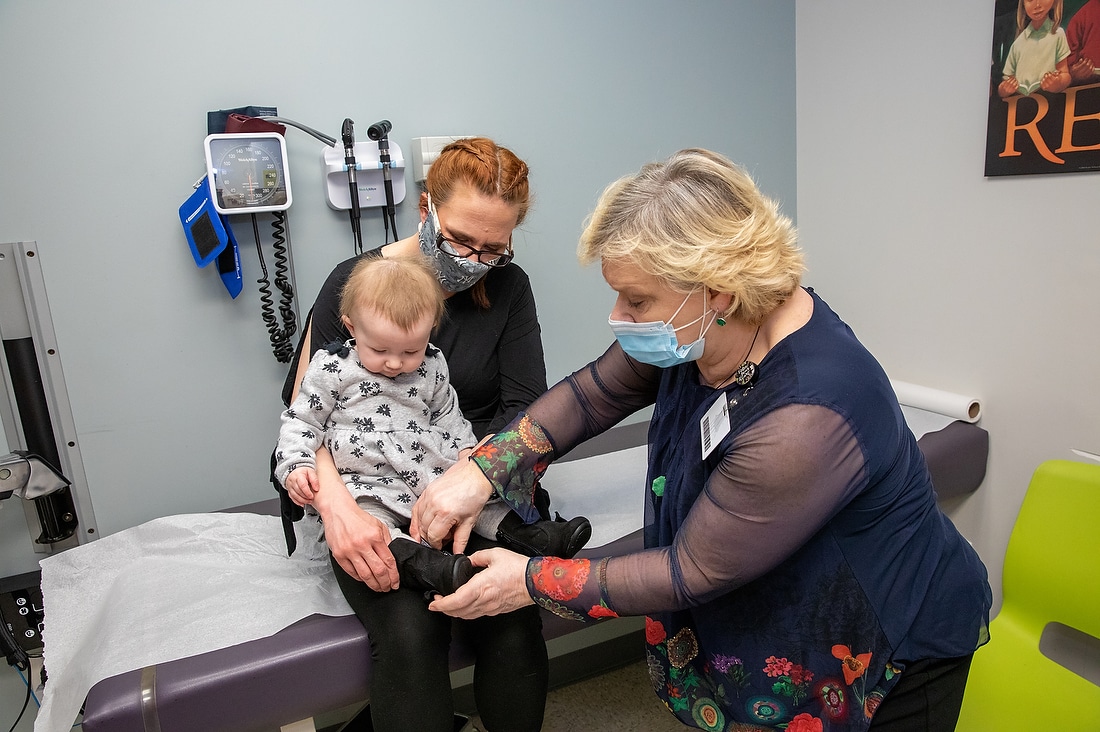
As society grapples with rapid technological shifts, post-pandemic educational hurdles, and a mounting crisis in early childhood workforce retention, the Resource Center offers a vital anchor: evidence-based insights designed to ensure that every child receives the strongest possible start in life.
Main Facts: A Comprehensive Hub for Lifelong Impact
At its core, the ZERO TO THREE Early Childhood Resource Center is engineered to bridge the gap between academic developmental science and everyday practical application. Recognizing that early connections last a lifetime, the organization has systematically built an expansive digital library that categorizes resources to suit a diverse audience of stakeholders.

The platform is structured around several major pillars:
- Professional Development & Events: Curated webinars, interactive workshops, and top-tier industry conferences designed for early childhood professionals across multidisciplinary fields.
- Teaching & Caregiving Tools: Practical reading materials, activity guides, and curricula tailored to support meaningful daily interactions with infants, toddlers, and preschoolers.
- Demographic & Targeted Support: Specialized frameworks addressing unique populations, such as military families navigating deployment separations or children involved with the child welfare system.
- Policy Advocacy Toolkits: Issue-based advocacy resources empowering communities and leaders to champion legislative and systemic policies favorable to babies and working families.
- Community Capacity Building: Programs that equip local professionals and agencies to deliver more efficient, trauma-informed services to families in need.
By making these resources easily navigable through advanced search filters, the platform breaks down complex developmental psychology into actionable, everyday strategies for families and practitioners alike.

Chronology: Four Decades of Advocacy and Evolution
To understand the scope of the modern ZERO TO THREE Resource Center, one must examine the organization’s continuous evolution over the last forty years.
- The 1980s—Laying the Foundation: Founded by a multidisciplinary group of professionals recognizing a glaring gap in public policy and medical understanding regarding infants and toddlers, ZERO TO THREE began its journey as a pioneering voice for infant mental health. During this era, the focus was primarily on establishing the legitimacy of infant mental health and educating pediatric healthcare providers.
- The 1990s—The "Decade of the Brain": As neuroimaging technologies advanced, neuroscientists began unlocking the mysteries of early brain development, proving that a baby’s brain doubles in size in the first year of life. ZERO TO THREE translated these complex scientific breakthroughs into accessible guides for parents, cementing its role as a translation bridge between science and society.
- The 2000s to 2010s—Expanding the Digital Ecosystem: With the advent of the internet and digital media, the organization expanded its reach from print publications to online resource hubs. This period saw the launch of extensive toolkits addressing trauma, early literacy, and the impact of early childhood systems on vulnerable populations.
- The 2020s and Beyond—Navigating Modern Frontiers: In response to contemporary challenges—such as the COVID-19 pandemic, the skyrocketing costs of infant care, and the rapid rise of artificial intelligence—ZERO TO THREE has aggressively updated its curriculum. Recent initiatives include free early STEM and literacy programs (Problem Solvers and Word Wonders), guidelines on preschoolers and AI, and intensive advocacy campaigns targeting early educator compensation and maternal mental health.
Supporting Data & Featured Insights: What the Research Shows
The urgency driving the ZERO TO THREE Resource Center is underscored by mounting scientific evidence regarding the first three years of life. The organization’s featured resource library highlights several data-backed realities that define modern early childhood discourse:

1. The Critical Nature of Early Brain Development
According to developmental data highlighted by the platform, the first three years of life represent both the most pivotal and the most vulnerable window in human neurodevelopment. Experiences, relationships, and environmental stressors directly wire the architecture of a baby’s brain, influencing emotional regulation, cognitive capacity, and stress response mechanisms well into adulthood.
2. Early Literacy and STEM Through Play
Rather than relying on rote memorization, ZERO TO THREE’s flagship curricula—such as Word Wonders (an early language and literacy program) and Problem Solvers (a preschool STEM curriculum)—demonstrate that young children learn complex concepts best through everyday play. These free guides provide parents and teachers with songs, activity ideas, and step-by-step frameworks to integrate mathematics, science, and vocabulary into daily routines.

3. The Digital Age: Artificial Intelligence and Screen Sense
As digital integration accelerates, modern parents face questions previous generations never encountered. Resources such as What Preschoolers Understand About AI and the ScreenSense initiative tackle how emerging technologies intersect with early childhood. These guides outline the vital role parents and caregivers must play in guiding digital literacy and ensuring that screen time does not replace human interaction.
4. Attachment Styles and Infant Mental Health
Babies and toddlers frequently experience mental health challenges—often stemming from trauma, neglect, biological factors, or environmental instability. The organization’s literature on Early Childhood Attachment Styles details how secure emotional bonds with primary caregivers create a resilient psychological foundation, whereas disrupted attachments can manifest as behavioral or emotional difficulties later in life. Furthermore, research heavily emphasized within the platform connects maternal mental health and prenatal brain development, proving that a mother’s well-being impacts an infant even before birth.

5. The Child Care Crisis and Educator Compensation
Systemic challenges form a major component of the Resource Center’s policy focus. Data compiled by the organization addresses why infant-toddler care remains prohibitively expensive for American families, attributing high costs to low staff-to-child ratios, inadequate public subsidization, and severely low compensation for early educators. Through distillation reports and advocacy toolkits, ZERO TO THREE builds a rigorous economic and moral case for investing in the workforce that cares for our youngest citizens.
Official Responses and Expert Perspectives
As the early childhood sector faces unprecedented post-pandemic pressures, leaders and child development experts associated with ZERO TO THREE continue to voice urgent calls for systemic reform.

"The work we do is rooted in a fundamental truth: babies cannot wait," notes leadership within ZERO TO THREE’s advocacy division. "When we underfund child care, ignore maternal mental health, or fail to support early childhood educators, we are directly compromising the foundational architecture of our future society. The Resource Center is designed to give every adult in a child’s orbit the tools they need to be a changemaker."
Education specialists who utilize the platform praise its intersectional approach. Dr. Elena Vance, a developmental psychologist and early childhood consultant, highlights the value of the platform’s multi-disciplinary focus:

"It is rare to find a platform that bridges deep neurological research with practical, low-cost activities for a classroom teacher, while simultaneously providing robust policy toolkits for a state legislator. ZERO TO THREE understands that child development does not happen in a vacuum—it requires an entire ecosystem of informed adults."
Implications: Building a Sustainable Future for Families
The implications of the ZERO TO THREE Early Childhood Resource Center extend far beyond individual classrooms or living rooms. By compiling over 2,300 searchable resources, policy frameworks, books, and event listings, the organization is actively shaping the national agenda on family policy.

For families, the platform demystifies the overwhelming volume of parenting advice available online, offering peer-reviewed, expert-backed guidance on topics ranging from toddler tantrums to translating sounds into language. For professionals, it offers continuous professional development credits, cross-disciplinary networking opportunities, and a unified language through initiatives like Buzzwords Explained, which breaks down complex industry terminology.
Furthermore, membership opportunities and mailing list updates ensure that stakeholders remain at the forefront of emerging research. Whether an individual is a parent looking for a free literacy curriculum, a social worker supporting a military family, or a policymaker crafting legislation to support maternal health, the resource center functions as an indispensable compass.

As ZERO TO THREE looks toward the future, its message remains steadfast: by investing in the earliest moments of human life, society secures a healthier, more resilient, and more compassionate tomorrow.
To explore the complete library of over 2,000 tools, register for upcoming conferences, or access free curricula such as Word Wonders and Problem Solvers, visit the official ZERO TO THREE Early Childhood Resource Center.