Empowering the Earliest Years: Inside the ZERO TO THREE Early Childhood Resource Hub and Its Vision for Lifelong Development
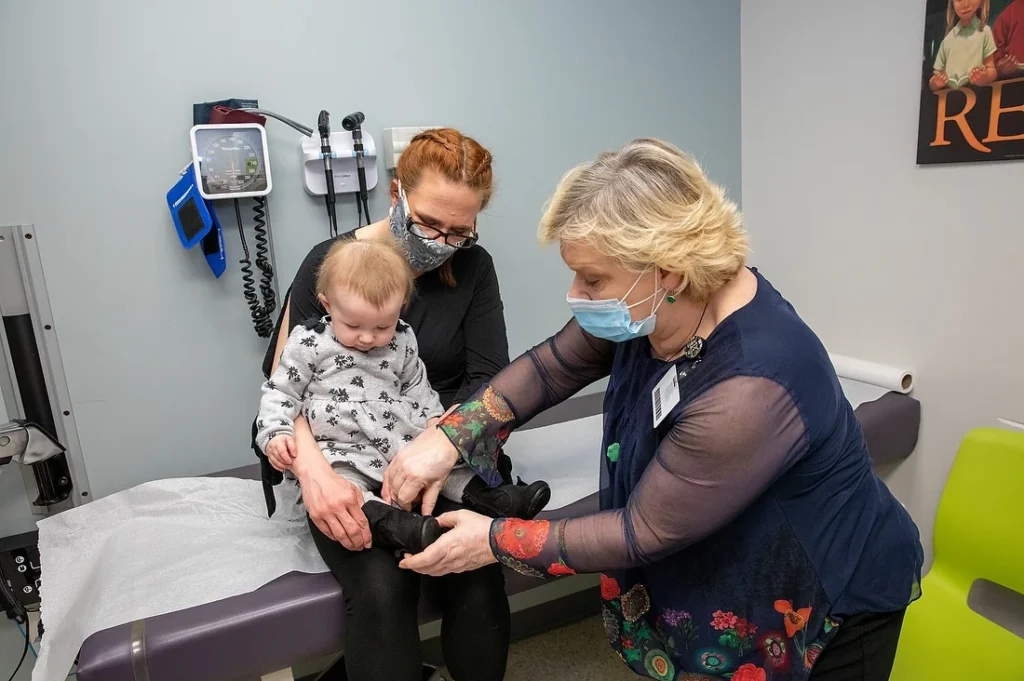
WASHINGTON — In the critical window of human development spanning from prenatal stages to age three, the foundation for lifelong emotional, cognitive, and social well-being is firmly established. For over four decades, the national nonprofit organization ZERO TO THREE has stood at the forefront of infant and toddler advocacy, championing the mental health and developmental needs of society’s youngest members. Today, the organization continues to expand its digital footprint through the ZERO TO THREE Early Childhood Resource Hub, a comprehensive, dynamic platform boasting over 2,300 curated assets designed for families, educators, clinicians, and policymakers alike.
As contemporary parenting, early education, and public policy grapple with unprecedented technological shifts, economic pressures, and scientific breakthroughs, the resource hub serves as an essential lighthouse. By consolidating decades of developmental research into accessible, actionable tools, ZERO TO THREE is redefining how communities approach early childhood education and care.
Main Facts: A Comprehensive Digital Ecosystem for Early Development
At its core, the ZERO TO THREE Early Childhood Resource Hub is engineered to bridge the gap between complex developmental science and everyday practice. Designed with a user-friendly interface that includes advanced filtering capabilities, the platform houses more than 2,000 resources tailored to various stakeholders, including parents, researchers, military families, and child welfare professionals.
The repository is structured around several critical categories:

- Professional Development: Curated webinars, interactive workshops, and top-tier industry conference listings aimed at early childhood professionals across multiple disciplines.
- Practical Teaching Tools: Reading materials, curriculum guides, and interactive tools designed to foster positive interactions with babies and toddlers.
- Targeted Demographic Support: Specialized resources addressing the unique needs of vulnerable populations, including military families and children navigating the child welfare system.
- Advocacy Toolkits: Issue-based policy assets designed to mobilize communities and advocate for structural changes supporting babies and families.
- Community Program Guides: Frameworks that empower local professionals to deliver more efficient, high-impact services to young children and their caregivers.
Featured resources on the platform continually address modern challenges. Among the most popular downloads are Word Wonders: A Free Early Language and Literacy Curriculum, Problem Solvers: A Free Preschool STEM Curriculum, and cutting-edge analytical guides exploring the intersection of artificial intelligence and early childhood, such as What Preschoolers Understand About AI.
Furthermore, the platform provides deep dives into foundational topics such as early childhood attachment styles, infant mental health, the biological impacts of early trauma, and the economics of child care.

Chronology: Four Decades of Advocacy and Evolution
To understand the scope and authority of the current resource hub, it is necessary to trace the historical trajectory of ZERO TO THREE’s institutional growth:
- 1977–1980s (Foundational Years): Established by a multidisciplinary group of leading clinicians, researchers, and professionals, the organization recognized a profound gap in public understanding regarding infant mental health and brain development. Early efforts focused on establishing foundational standards for infant care and clinical intervention.
- 1990s–2000s (Scientific Awakening): With the rapid advancement of neuroimaging and developmental psychology—famously dubbed the "Decade of the Brain"—ZERO TO THREE translated complex neurological data into accessible guidance for parents and policymakers, highlighting that a baby’s brain is built through daily experiences.
- 2010s (Digital Expansion and Advocacy): As digital media transformed information consumption, the organization transitioned from traditional print publications to robust online platforms. Advocacy efforts intensified around paid family leave, maternal mental health, and equitable access to high-quality child care.
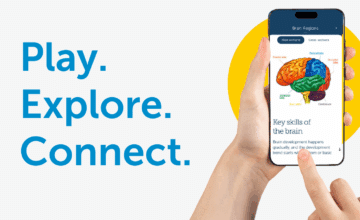
- 2020s–Present (The Modern Resource Hub): Responding to modern disruptions—ranging from the global pandemic and economic inflation to the rapid integration of artificial intelligence in children’s media—ZERO TO THREE launched its expanded, filterable online resource center. This platform integrates modern curricula, digital tools like The Baby Brain Map, and proactive guides on AI literacy for preschoolers, cementing its status as a modern "one-stop-shop" for early childhood development.
Supporting Data: The Science and Economics of the First Three Years
The urgency behind ZERO TO THREE’s resource collection is underscored by compelling scientific data and mounting economic pressures facing modern families:

- Pivotal Brain Development: According to developmental research highlighted by the organization, the first three years of a child’s life represent the most active period of brain development in the human lifespan, with neural connections forming at a rate of more than one million per second.
- The Maternal-Prenatal Link: Clinical data demonstrates a direct correlation between maternal mental health and prenatal brain development, proving that environmental and psychological stressors can impact an infant even before birth.
- The Cost of Care: Economic analyses published by the organization reveal that infant-toddler child care has become one of the most significant household expenses in the United States, often rivaling or exceeding the cost of in-state college tuition. This financial strain is driven by systemic underfunding, low compensation for early educators, and stringent staff-to-child ratio requirements necessary to ensure safety and quality.
- The Impact of Trauma: Research featured within the hub’s clinical guides indicates that early exposure to trauma, neglect, or chronic stress can fundamentally alter the architecture of a baby’s developing brain, making early intervention and secure attachment styles vital protective factors.
Official Responses and Expert Perspectives
Leadership and developmental experts at ZERO TO THREE emphasize that the hub is more than just a library—it is a call to action for systemic reform.
"Everything we do is rooted in the fundamental truth that early connections last a lifetime," noted a senior program director at ZERO TO THREE. "Whether we are providing a free literacy curriculum for a community preschool or equipping policymakers with data on infant mental health, our goal is to ensure that every decision-maker—from a parent in the living room to a legislator on Capitol Hill—understands the profound stakes of the first three years."

Child development specialists who contribute to the platform stress the growing necessity of addressing modern technological phenomena. As outlined in the organization’s recent publications on artificial intelligence and screen time, caregivers are navigating uncharted territory.
"Preschoolers are growing up in a world saturated with smart speakers, interactive algorithms, and AI-driven interfaces," states an accompanying guide on AI literacy. "Parents and educators need practical frameworks to understand what young children actually comprehend about these technologies, ensuring that human-to-human connection remains the primary driver of emotional and cognitive growth."

Furthermore, education advocates continuously point to the platform’s resources on early educator compensation as a vital diagnostic tool for the current labor crisis. "We cannot expect high-quality child care systems when the professionals who steward our nation’s children are chronically undervalued and underpaid," notes a recent ZERO TO THREE policy brief featured in the hub.
Implications: Shaping the Future of Policy, Practice, and Parenting
The broad accessibility of the ZERO TO THREE Early Childhood Resource Hub carries profound implications for multiple sectors of society:
1. Empowering Parents and Caregivers
By democratizing access to expert-vetted curricula, developmental milestones, and mental health resources, the platform demystifies the parenting journey. Families—particularly those in underserved or high-stress demographics, such as military households—gain actionable insights that foster secure attachments and robust early learning environments at home.
2. Elevating the Early Childhood Workforce
Early educators face immense burnout and economic vulnerability. By providing structured professional development webinars, specialized toolkits, and advocacy frameworks for better compensation, ZERO TO THREE helps professionalize the field, supporting a workforce essential to the nation’s economic infrastructure.

3. Informing Public Policy
As lawmakers grapple with legislative battles surrounding child care subsidies, paid family leave, and maternal mental health funding, the data and issue-based toolkits provided by the hub serve as invaluable resources. Policymakers are equipped with empirical evidence proving that investing in the first three years yields generational economic and social dividends.
4. Navigating the Digital Frontier
By proactively addressing modern dilemmas—such as preschool AI literacy and balanced screen engagement—ZERO TO THREE ensures that early childhood education remains relevant in an increasingly digital world, safeguarding children’s developmental health against emerging technological pitfalls.

Conclusion
The ZERO TO THREE Early Childhood Resource Hub stands as an indispensable asset for a society striving to give every child an equitable start in life. By seamlessly integrating rigorous scientific research, practical daily curricula, professional development, and fierce policy advocacy, the organization continues to prove that the earliest connections truly do last a lifetime.
Families, educators, and advocates are encouraged to explore the ever-expanding library of over 2,000 resources, join membership programs for exclusive content, and subscribe to ongoing updates to remain at the cutting edge of early childhood development.