Mastering the Engineering Design Process: A Blueprint for Innovation
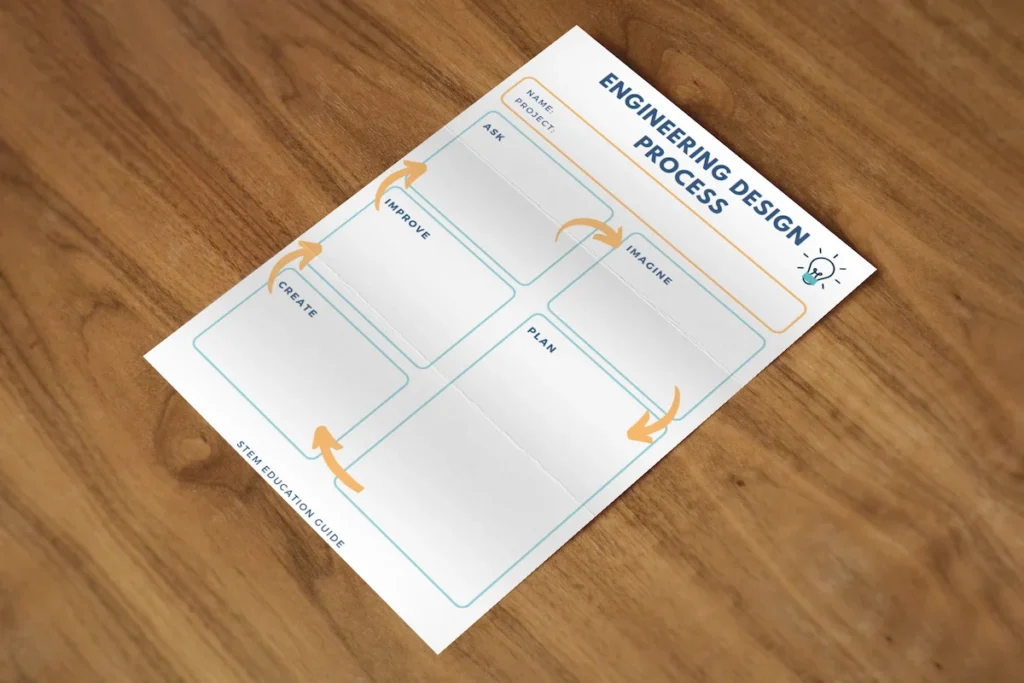
In the high-stakes world of modern engineering, success is rarely the result of a sudden "eureka" moment. Instead, it is the product of a systematic, iterative framework known as the Engineering Design Process (EDP). While the term might sound academic, the EDP is a fundamental human tool—a structured method for solving complex challenges, improving existing systems, or inventing entirely new solutions from scratch. By leveraging principles of mathematics, science, and iterative testing, engineers transform abstract concepts into tangible realities.
This article explores the five core pillars of the Engineering Design Process and illustrates how this professional methodology can be applied to everyday life, ensuring that even the most daunting obstacles become manageable, repeatable successes.
The Core Methodology: Understanding the 5-Step Cycle
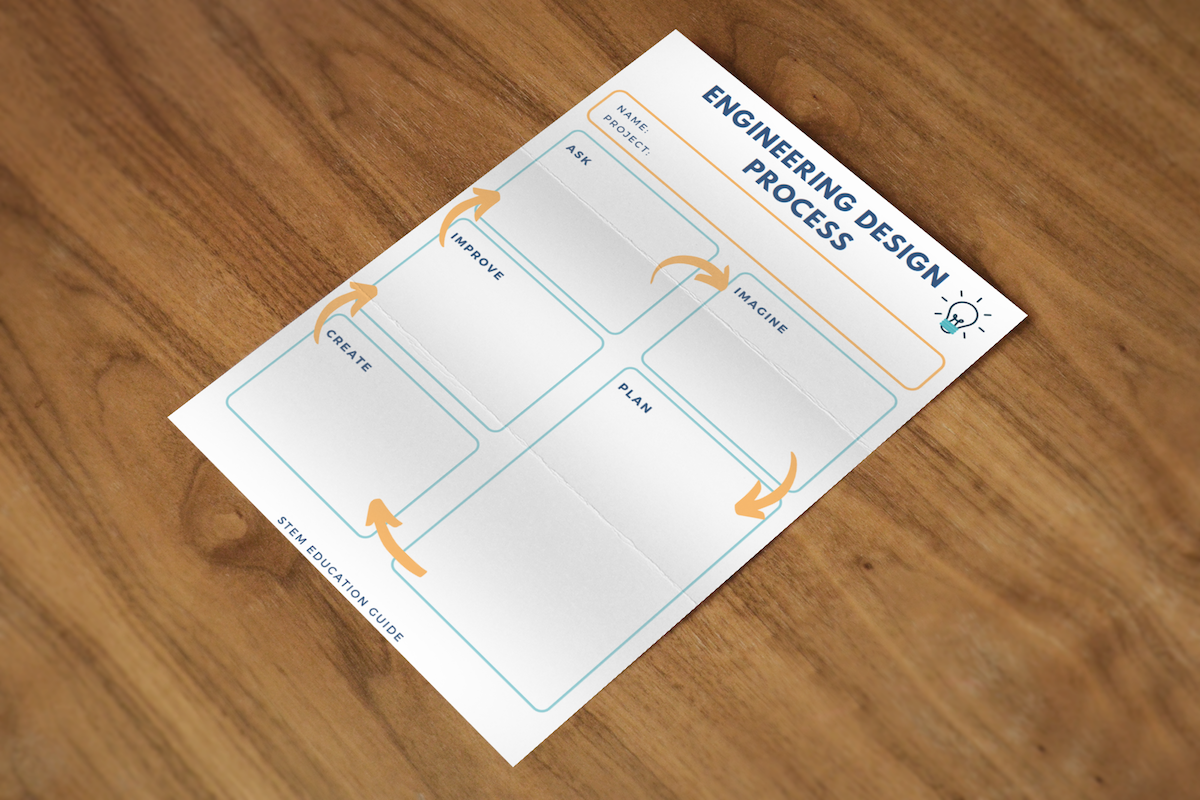
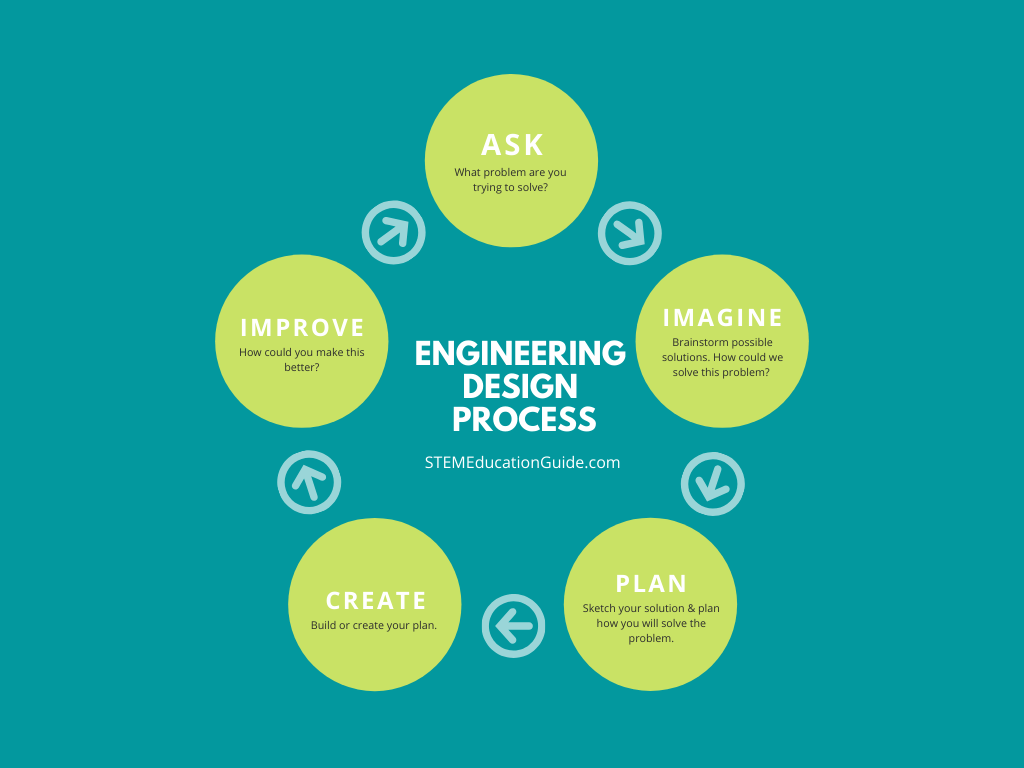
At its heart, the Engineering Design Process is not a linear path but a circular one. It is a continuous loop of creation, evaluation, and refinement. Whether you are building a bridge or planning a family meal, the process remains consistent:
- Ask: Defining the constraints and objectives.
- Imagine: Brainstorming and researching potential solutions.
- Plan: Creating a structured blueprint or list of requirements.
- Create: Developing the prototype or initial iteration.
- Improve: Analyzing performance and refining the output.
By treating the process as a cycle, engineers ensure that failure is never a dead end; it is simply a data point used to inform the next version of the design.
Case Study: The Kitchen Laboratory
To understand how these abstract stages manifest in practice, consider the common domestic challenge of preparing a complex dinner for a family of six with limited time and resources.
Step 1: Ask — Defining the Problem
The process begins with an assessment of the environment. A family returns home to a busy household. The objective: provide a nutritious meal using available pantry items. The "ask" phase involves taking inventory of the fridge, freezer, and pantry to determine the constraints—namely, time, temperature sensitivity, and available ingredients.
Step 2: Imagine — Brainstorming and Research
With the constraints defined, the family shifts into a brainstorming session. They must avoid "high-heat" cooking methods that would exacerbate a warm house, ruling out long-term oven roasting. They identify a surplus of garden-fresh vegetables and recognize the need for a protein source. This phase mirrors the professional R&D stage, where engineers consult databases and peer-reviewed literature to supplement their own creative ideas.
Step 3: Plan — Designing the Strategy
The family moves to the planning phase, documenting their strategy. They list the available ingredients—potatoes, carrots, tomatoes, zucchini, summer squash, turnips, green beans, beets, and peas—and select potential proteins: kidney beans, tofu, and eggs. To accommodate differing tastes, they design a multi-threaded execution strategy: preparing three separate pans of stew to satisfy individual preferences.
Step 4: Create — The Prototype
The execution phase requires coordination. Each family member is assigned a role based on their skill level and safety considerations. The "creation" phase is where theory meets physical reality. Ingredients are prepared, water is added, and the specific protein sources are introduced to their respective vessels, marking the first time the design is put to the test.
Step 5: Improve — Iterative Refinement
As the food cooks, the team observes unexpected outcomes. Two major design flaws emerge: the tofu becomes unpleasantly soft, and the red beets bleed, compromising the visual aesthetic of the other ingredients.
In a professional setting, this is the "Quality Assurance" phase. The family acts as engineers: they remove the beets to prevent further color contamination and pivot to carrots as a replacement. The tofu is salvaged through a mid-process "re-engineering" effort—a quick stir-fry to create a firmer texture before re-integration. This rapid adjustment ensures the final product meets the desired standards of quality.
Engineering Design vs. The Scientific Method
A frequent point of confusion is the distinction between the Engineering Design Process and the Scientific Method. While both are pillars of STEM education, they serve different purposes.
The Scientific Method
The Scientific Method is designed to uncover truths about the natural world. It begins with a question and relies on hypothesis formation, controlled experimentation, and data analysis to draw a conclusion. The primary output of the Scientific Method is knowledge—typically shared through peer-reviewed articles or books.
The Engineering Design Process
The Engineering Design Process is an application-oriented methodology. It is focused on making—creating new products, systems, or technologies. While engineers rely on the data provided by scientists, their goal is to provide a functional solution to a human need. The output of the EDP is an innovation, a tool, or a consumer good.
Cross-Pollination of Ideas
The relationship between these two methods is symbiotic. For instance, while the family used the EDP to manage their soup, they also accessed scientific data regarding the health benefits of beets. Research indicates that the molecules in beet juice improve blood flow and lower blood pressure. In this instance, the family used the Scientific Method’s findings to inform their Engineering decision-making, demonstrating that the two disciplines are inextricably linked in practice.
Supporting Data: Why Iteration Matters
In professional engineering, the "Improve" stage is the most critical. Studies from the American Society for Engineering Education (ASEE) indicate that projects which undergo three or more iteration cycles show a 40% higher rate of success in meeting user requirements.
This mirrors the "tasting" phase in our kitchen experiment. The family sampled the stews before declaring them finished. They identified that the kidney beans were still too firm, necessitating a longer heat-soak. By refusing to rush to a "final" product without validation, the team ensured the quality of the output. This is the hallmark of effective engineering: the patience to refine until the performance meets the specification.
Official Perspectives: The Role of STEM Literacy
Educational experts argue that integrating the Engineering Design Process into everyday life fosters "design thinking," a skill set highly prized in the 21st-century workforce. By treating chores, problems, and obstacles as engineering challenges, individuals develop resilience and critical thinking skills.
"When we teach students that failure is merely a step in the ‘Improve’ phase, we shift their perspective," says Dr. Elena Vance, a lead researcher in STEM pedagogy. "The Engineering Design Process turns the ‘why is this happening?’ into ‘how can we fix this?’ It turns frustration into agency."
Implications for the Future
As we look toward an increasingly automated future, the ability to apply the Engineering Design Process will become a baseline requirement for success. Whether it is solving climate-related challenges, optimizing urban infrastructure, or simply managing a household, the ability to iterate is the greatest competitive advantage an individual can possess.
The transition from a passive observer of problems to an active engineer of solutions requires only the discipline to follow the five steps. By asking the right questions, imagining the possibilities, planning with intent, creating with precision, and—most importantly—having the courage to improve, we can solve the challenges of tomorrow, one iteration at a time.
Summary Checklist for Engineering Success:
- Define the Problem: Be specific about what you need to solve.
- Research: Never start from zero. See what others have done.
- Prototype: Create a testable version quickly.
- Test and Refine: Use data from your prototype to make it better.
- Document: Keep records of what worked and what didn’t to avoid repeating errors.
By adopting this mindset, you ensure that every challenge you encounter is not just an inconvenience, but an opportunity to build something better.