The 988 Lifeline: A Paradigm Shift in Crisis Intervention and Mental Health Accessibility

In an era where the complexities of modern life have significantly exacerbated mental health challenges across global demographics, the evolution of crisis response infrastructure has become a critical public health priority. The 988 Suicide & Crisis Lifeline, launched in the United States, represents a monumental shift in how society approaches acute psychological distress. By transitioning from a complex, ten-digit legacy phone number to a streamlined, three-digit universal code, the initiative has fundamentally redefined the accessibility of emergency mental health support.
Main Facts: The Architecture of the 988 Lifeline
The 988 Suicide & Crisis Lifeline is not merely a phone number; it is a comprehensive, nationwide network of over 200 independently operated and accredited local crisis centers. Managed by the Substance Abuse and Mental Health Services Administration (SAMHSA) and operated by Vibrant Emotional Health, the system serves as a safety net for individuals experiencing suicidal ideation, mental health crises, or emotional distress.
The core premise of the 988 initiative is the removal of friction. Prior to the implementation of 988, individuals in crisis were forced to navigate a fragmented landscape of localized hotlines or lengthy national numbers that were difficult to recall during moments of extreme cognitive overload. The three-digit code—modeled after the ubiquity of 911—is designed to be memorable, accessible, and stigmatization-free.
Key operational pillars include:
- 24/7 Availability: Counselors are available around the clock, every day of the year.
- Confidentiality: Every interaction is treated with the highest degree of privacy, ensuring that callers do not fear repercussions for seeking help.
- Multilingual Support: The system offers robust interpretation services, ensuring that language barriers do not impede access to life-saving intervention.
- Crisis Text Line Integration: Recognizing the shift in communication preferences, particularly among younger demographics, the system is fully integrated with text-based support services like 741-741.
Chronology: The Path to Universal Implementation
The transition to 988 was the result of years of legislative advocacy, technological preparation, and public health strategizing.
- 2019: The Federal Communications Commission (FCC) issued a report recommending the adoption of a three-digit dialing code for the National Suicide Prevention Lifeline.
- 2020: The National Suicide Hotline Designation Act was signed into law, mandating the FCC to designate 988 as the universal number for mental health crises.
- 2021: Infrastructure investment began in earnest. States started upgrading their local crisis call centers to handle the anticipated surge in volume.
- July 16, 2022: The official nationwide launch of the 988 number occurred. This marked the start of a new era in crisis care, with the system experiencing immediate and sustained increases in call, text, and chat volumes.
- 2023–Present: The focus has shifted from initial rollout to long-term sustainability, including the integration of mobile crisis teams and stabilization centers that can provide follow-up care beyond the initial call.
Supporting Data: Analyzing the Impact
The data surrounding the first years of the 988 Lifeline provides compelling evidence of its necessity. According to reports from SAMHSA, the transition to the three-digit code resulted in an immediate and dramatic increase in the volume of contacts compared to the legacy ten-digit number.
- Volume Surge: In the first year alone, the Lifeline experienced a double-digit percentage increase in total contacts. This surge suggests that the simplicity of the number successfully lowered the barrier to entry for individuals who were previously unaware of or intimidated by the help-seeking process.
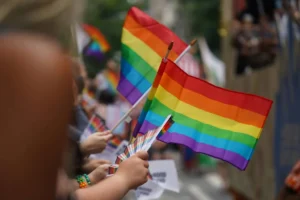
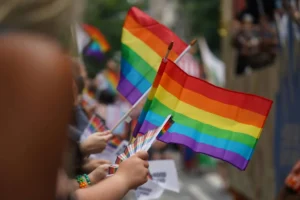
- Demographic Reach: Longitudinal studies indicate that 988 is reaching previously underserved populations. Significant spikes in usage have been recorded among LGBTQ+ youth, veterans, and minority communities, who have historically faced higher barriers to traditional mental health care.
- Crisis Resolution Rates: Data shows that the vast majority of calls are resolved over the phone. Counselors are trained to de-escalate situations, conduct safety planning, and provide local referrals. Only a small fraction of calls require the dispatch of emergency services, a testament to the effectiveness of verbal intervention in high-stress scenarios.
Official Responses and Stakeholder Perspectives
The launch of 988 has received widespread bipartisan support, though it has also sparked nuanced discussions regarding the future of public health funding.
The Governmental Perspective
SAMHSA and the Department of Health and Human Services (HHS) have consistently framed 988 as a "front door" to a broader behavioral health system. Official statements emphasize that 988 is not an end-state but a bridge. The federal government has allocated significant grants to states to bolster their "crisis continuum," which includes not just call centers, but also mobile crisis response teams that can meet individuals in the community, and crisis stabilization centers that offer alternatives to hospital emergency rooms.
The Advocacy Viewpoint
Mental health advocates, including groups like The Jed Foundation (JED) and the American Foundation for Suicide Prevention, have lauded the accessibility of the initiative. They point out that the existence of 988 signals a cultural shift: mental health is now being treated with the same urgency as physical medical emergencies. However, these organizations emphasize that for the system to remain effective, the funding must be recurring rather than one-time, and call centers must remain adequately staffed to prevent wait times from escalating.
The Clinical Community
Clinicians and emergency responders have praised the reduction in "misdirected" 911 calls. By funneling mental health calls to specialized counselors, the system reduces the burden on law enforcement and emergency medical technicians (EMTs), who may not always be the best equipped to handle psychological crises.
Implications: The Future of Crisis Care
The success of the 988 Lifeline carries profound implications for the future of healthcare policy in the United States and potentially abroad.
De-stigmatization of Mental Health
The presence of 988 in public discourse—on billboards, social media, and institutional websites—normalizes the act of asking for help. By embedding mental health support into the daily vernacular of society, the 988 initiative is actively dismantling the stigma that has kept many from seeking treatment.
The Necessity of Local Infrastructure
The 988 system has highlighted a stark reality: a phone number is only as good as the local infrastructure behind it. The implications for policy are clear: states must continue to invest in the "three-legged stool" of crisis care:
- Someone to call: The 988 call center.
- Someone to respond: Mobile crisis teams that arrive on-site.
- Somewhere to go: Short-term stabilization units that prevent unnecessary institutionalization.
Technological Integration and Privacy
As the system evolves, the integration of AI-assisted routing and real-time data analytics is becoming more common. However, these advancements bring with them concerns regarding data privacy. Future policy discussions will likely center on ensuring that while the technology makes the service more efficient, it does not compromise the trust that is foundational to the counselor-caller relationship.
Addressing Health Equity
The ultimate test of the 988 Lifeline will be its ability to provide equitable care. Rural areas, which often lack the localized crisis centers found in urban hubs, remain a challenge. The implication here is a need for technological solutions—such as remote, state-wide routing—to ensure that a person in a remote location receives the same level of care as a person in a metropolitan center.
Conclusion
The 988 Suicide & Crisis Lifeline stands as a testament to the power of public health infrastructure to save lives. By simplifying the path to professional support, the United States has taken a decisive step toward a more compassionate and responsive society.
While the system is still maturing, the evidence of its success is clear: when people are given a simple, accessible way to reach out for help, they will do so. The responsibility now lies with policymakers, healthcare providers, and the community to ensure that this "front door" leads to a robust, well-funded, and compassionate system of care.
If you or someone you know is struggling, remember that support is available. Whether through the 988 Lifeline or the Crisis Text Line (texting HOME to 741-741), there is always a trained professional ready to listen. In moments of immediate danger or medical emergency, calling 911 remains the appropriate course of action, ensuring that every individual receives the specific, time-sensitive care they require. The transition to 988 is more than a policy change; it is a promise that no one has to navigate their darkest moments alone.