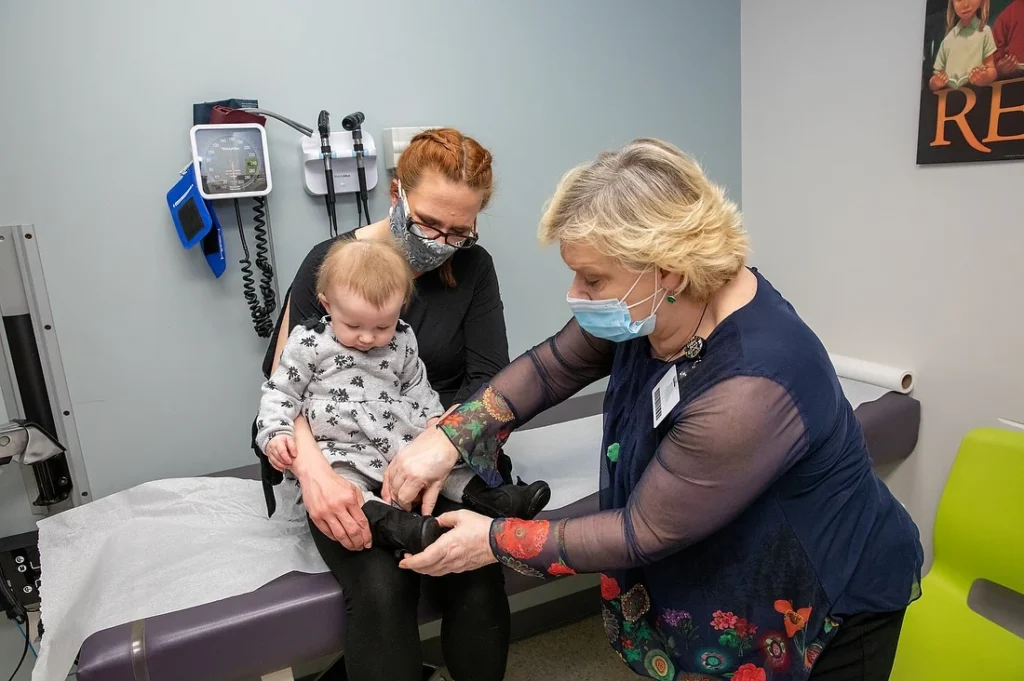
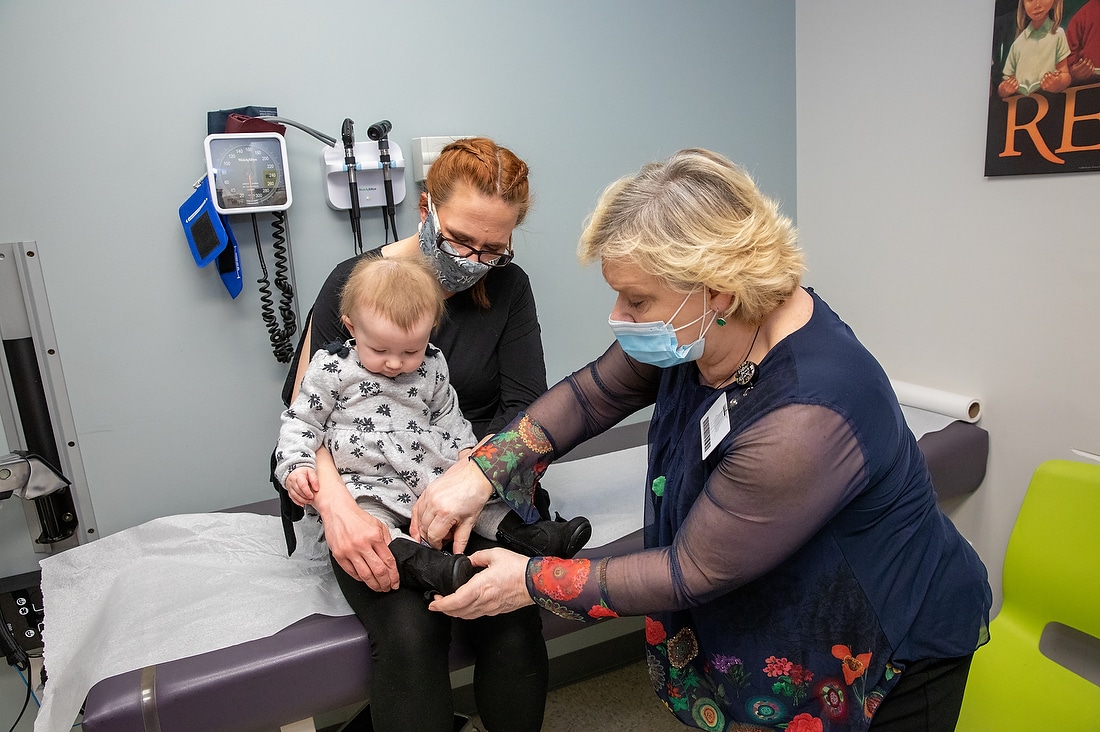
Introduction: The Lifelong Impact of the First Three Years
For over four decades, the national non-profit organization ZERO TO THREE has operated under a singular, powerful premise: the foundational connections made during a child’s earliest years last a lifetime. Dedicated to promoting the mental health, well-being, and healthy development of babies and toddlers, the organization has solidified its position as a leading authority in early childhood education, policy advocacy, and developmental research.
In an era defined by rapid technological shifts, evolving family dynamics, and persistent systemic challenges in childcare accessibility and affordability, ZERO TO THREE continues to serve as an indispensable lifeline. Through its expansive digital resource hub—which now houses more than 2,000 curated assets—the organization empowers families, professionals, and policymakers with the tools necessary to ensure that every infant and toddler receives the strongest possible start in life.
Main Facts: Inside the ZERO TO THREE Resource Ecosystem
At the core of the organization’s mission is the belief that early childhood experiences shape the architecture of the developing brain. The ZERO TO THREE Early Childhood Resource Center is engineered as a comprehensive, user-friendly platform designed to bridge the gap between complex developmental science and practical, everyday application.
Key Pillars of the Resource Center
The platform categorizes its vast library into several core domains, ensuring that multidisciplinary professionals and parents alike can navigate content tailored to their specific needs:
Professional Development & Events: Curated webinars, workshops, and industry-leading conferences targeted at early childhood educators, clinicians, and social workers.
Practical Teaching Tools: Reading materials, interactive lesson plans, and foundational curricula designed to nurture language, literacy, and cognitive growth.
Specialized Demographics: Targeted resources addressing vulnerable populations, including military families navigating deployment stress and children involved with the child welfare system.
Issue-Based Advocacy Toolkits: Policy frameworks and actionable guides empowering advocates to lobby for systemic improvements in infant-toddler care.
Community Program Guides: Frameworks enabling local service providers to deliver streamlined, efficient interventions to young families.
By organizing these assets into a searchable, filterable digital catalog, ZERO TO THREE ensures that evidence-based practices are accessible to those on the front lines of early childhood care.
Chronology: Four Decades of Pioneering Advocacy and Digital Evolution
The journey of ZERO TO THREE reflects the broader evolution of developmental psychology, public policy, and digital accessibility over the last forty years.
The Early Decades (1980s–1990s): Establishing the Science of Infancy
Founded in the early 1980s as the National Center for Clinical Infant Programs, the organization set out to raise awareness about the critical nature of the prenatal-to-three period. During this era, much of the work focused on translating emerging neuroscientific discoveries for pediatricians, mental health clinicians, and early intervention specialists.
The Turn of the Century (2000s): Expanding Public Awareness
As research underscored the impact of early trauma and secure attachments, ZERO TO THREE expanded its reach to the general public. The organization launched national campaigns aimed at educating parents on the importance of responsive parenting, early language exposure, and social-emotional development.
The Digital Transformation (2010s): Building the Online Hub
Recognizing the shift toward digital information-seeking, the organization consolidated its decades of research into an online resource center. This era saw the introduction of comprehensive toolkits, multimedia guides, and searchable databases designed to reach a global audience of educators and caregivers instantly.
The Modern Era (2020s–Present): Addressing Contemporary Realities
In recent years, ZERO TO THREE has adapted to unprecedented societal shifts. The organization’s modern resource library reflects contemporary challenges, incorporating pioneering curricula on early STEM learning, explorations of artificial intelligence in early childhood, and critical analyses of systemic issues such as the cost of infant-toddler care and the compensation of early educators.
Supporting Data: Examining the Research and Featured Resources
The authority of ZERO TO THREE stems from its rigorous grounding in empirical data and developmental science. The organization regularly publishes milestone reports, guides, and curricula that address the most pressing topics in early childhood development.
Spotlight on Featured Resources
The resource center’s rotating selection of featured publications highlights the organization’s breadth and forward-thinking approach:
Word Wonders: A Free Early Language and Literacy Curriculum
Recognizing that language acquisition begins long before formal schooling, this complete preschool curriculum utilizes everyday play, activity guides, and songs to foster early literacy skills.
Artificial Intelligence and Smart Technology in Early Childhood
As digital assistants and AI become ubiquitous in households, ZERO TO THREE has stepped forward to guide parents and caregivers on what preschoolers understand about AI and how to navigate screen time responsibly through initiatives like ScreenSense.
Early Childhood Attachment Styles
Delving into the profound mechanics of emotional bonding, this resource educates stakeholders on how infant-caregiver relationships shape lifelong interpersonal perceptions and behavioral patterns.
The Baby Brain Map and Developmental Statistics
Highlighting that the first three years of life represent both the most pivotal and most vulnerable window for neurological development, the organization provides data-driven roadmaps tracking early brain architecture. Recent data compilations emphasize the devastating physiological impacts of early trauma on an infant’s developing brain.
Systemic Economic Analyses
Beyond developmental milestones, ZERO TO THREE tackles macroeconomic challenges facing families. Their research investigates the root causes behind skyrocketing infant-toddler childcare costs and outlines the urgent economic and moral case for better compensation for undervalued early childhood educators.
Official Responses: Perspectives from Experts, Educators, and Policymakers
The resources provided by ZERO TO THREE have earned widespread acclaim from developmental psychologists, pediatricians, and policymakers who rely on the platform to shape both individual caregiving practices and national legislative agendas.
"The first three years are not merely a preparatory phase for later schooling; they are the foundation upon which all future emotional, cognitive, and social health is built," notes a senior developmental researcher affiliated with the organization. "When we provide parents and educators with the right tools—whether it is a free literacy curriculum or guidance on managing digital media—we are actively fortifying the mental health of the next generation."
Early childhood educators across the country have similarly praised the organization’s advocacy for workforce support. With early educators frequently facing inadequate compensation despite the immense value of their labor, ZERO TO THREE’s policy toolkits have become vital instruments for labor advocacy and legislative reform. By bridging the gap between grassroots community providers and federal policymakers, the organization ensures that the voices of infants, toddlers, and their champions are heard at the highest levels of government.
Implications: Building a Sustainable Future for Families
The implications of ZERO TO THREE’s ongoing work extend far beyond individual classrooms or living rooms; they strike at the heart of public health and economic stability.
Navigating the Childcare Crisis
The compounding crises of high childcare costs, underpaid educators, and limited access to quality infant-toddler care threaten the economic security of millions of families. By offering issue-based advocacy toolkits, ZERO TO THREE equips citizens to become "Baby Champions," lobbying for structural changes that make high-quality care a guaranteed right rather than an elusive luxury.
Mental Health and Trauma-Informed Care
Furthermore, the organization’s focus on maternal mental health—establishing clear, proven links between prenatal well-being and early brain development—underscores a holistic approach to family wellness. By acknowledging that babies and toddlers can suffer from mental health challenges driven by trauma, neglect, or environmental instability, ZERO TO THREE destigmatizes early intervention and promotes trauma-informed care models nationwide.
How to Engage
To sustain and expand these vital efforts, ZERO TO THREE invites educators, parents, and advocates to explore its repository of over 2,000 assets. Stakeholders can deepen their engagement by:
Joining the organization to unlock member-exclusive resources and merchandise discounts.
Subscribing to periodic updates regarding newly published research and curricula.
Participating in upcoming national conferences and professional development workshops.
Ultimately, the ZERO TO THREE Early Childhood Resource Center remains an indispensable anchor for society. By combining rigorous scientific research with accessible, practical tools, the organization continues to fulfill its mission: ensuring that every child is given the best possible start to a resilient, healthy life.