University of Maine Grapples with $19 Million Deficit Through Sweeping Structural Cuts and Enrollment Strategies
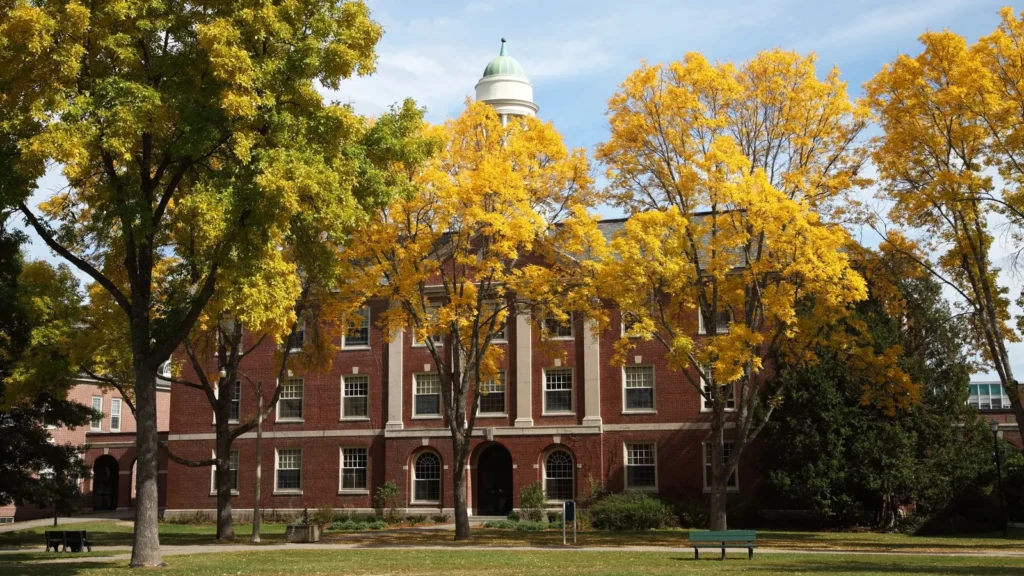
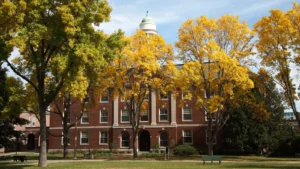
ORONO, Maine — Facing persistent demographic headwinds, escalating operational costs, and declining student headcounts, the University of Maine (UMaine) is locked in a high-stakes campaign to close a projected $19 million budget shortfall. Leadership at the state’s flagship public institution has laid out a comprehensive financial recovery plan relying on aggressive internal budget reductions, strategic course consolidations, heightened operational efficiencies, and targeted enrollment growth.
The fiscal crisis underscores a broader, systemic vulnerability facing regional public universities across the United States. Institutions of higher education are increasingly squeezed between flat or declining state appropriations, growing inflationary pressures on operating expenses, and the looming demographic cliff characterized by a shrinking pool of traditional college-aged students.
Main Facts
The University of Maine’s multi-pronged financial stabilization strategy is designed to patch a $19 million deficit through a combination of severe expenditure cuts and new revenue streams.
- The Academic Burden: The university’s academic affairs unit is shouldering roughly half of the total financial correction, committing to slash its base operating expenses by $10 million.
- Personnel Reductions: UMaine is making structural cuts to its workforce by permanently eliminating 20% of vacant positions within academic affairs. Furthermore, university-wide proposals suggest scaling this target up to a 40% reduction in open jobs, generating an additional $1.5 million in savings.
- Instructional Adjustments: To streamline spending, administrators are shrinking instruction budgets, consolidating course sections, and trimming select supplemental compensation packages. Long-term strategies also involve raising course seat limits and systematically evaluating or eliminating "underenrolled" academic programs.
- Revenue and Enrollment Targets: To generate an anticipated $2.2 million in new revenue by the fall of 2027, UMaine is intensifying its recruitment focus on first-year undergraduates, transfer students, tuition-paying graduate students, and "adult degree completers."
- External Support: University leadership is actively engaging with the University of Maine System office, state lawmakers, and the UMaine Foundation to explore avenues for enhanced external financial backing.
Chronology of the Crisis
The unfolding financial predicament at Orono is the culmination of years of mounting economic pressures, strategic shifts, and compounding operational deficits.
2021–2025: The Enrollment Slide
Over a four-year period, UMaine experienced a noticeable erosion of its student body. Institutional data indicates that total fall headcount dropped by 8.2%, falling to 10,644 students. This contraction directly squeezed tuition revenue—the lifeblood of the institution’s operating budget—at a time when labor, technology, and facility maintenance costs were accelerating rapidly.
April 2026: The Vulnerability Presentation
In a stark budget presentation delivered to the campus community, UMaine administrators laid bare the institution’s acute sensitivity to enrollment and retention fluctuations. To illustrate the precarious nature of their revenue model, officials presented a hypothetical scenario: a single-cycle drop of just 100 out-of-state students would trigger a cascading revenue loss of $7.2 million over the course of those students’ expected four-year academic journeys.
September 18, 2026: The Strategic Response
Facing a confirmed $19 million structural deficit, UMaine President Joan Ferrini-Mundy and Provost Gabriel Paquette released a joint communication to the campus. The memo formally outlined the administration’s blueprint to balance the ledger, detailing the $10 million academic cuts, workforce adjustments, and aggressive new targets for student recruitment and retention ahead of the fall 2027 semester.
Supporting Data and Financial Metrics
To fully understand the magnitude of UMaine’s current restructuring, one must examine the quantitative metrics driving administrative decisions.
| Metric Category | Data Point / Figure | Context & Implications |
|---|---|---|
| Total Deficit | $19 million | The aggregate shortfall the institution must clear through cuts and revenue enhancements. |
| Academic Cuts | $10 million | The portion of the deficit absorbed specifically by the academic affairs unit (approx. 52%). |
| Headcount Decline | 8.2% drop | The reduction in total fall student enrollment between 2021 and 2025 (down to 10,644 students). |
| Vacancy Cuts | 20% to 40% | Elimination rate of open positions; bumping institution-wide cuts to 40% yields an extra $1.5 million. |
| Projected Revenue | $2.2 million | Anticipated financial gain from combined boosts in recruitment, retention, and adult education by fall 2027. |
| Out-of-State Impact | $7.2 million loss | Projected four-year revenue loss resulting from a hypothetical decrease of just 100 non-resident students. |
The heavy reliance on out-of-state and international tuition dollars has historically been a lifeline for public flagships attempting to offset flat state funding. However, as regional demographics shift and competition for non-resident students intensifies nationwide, this dependency has transformed from a growth engine into a major financial liability.
Official Responses and Leadership Perspectives
The administration’s messaging has balanced an acknowledgment of severe fiscal reality with a stated commitment to preserving UMaine’s core educational mission.

In their joint memo, President Joan Ferrini-Mundy and Provost Gabriel Paquette pointed directly to macroeconomic and structural trends. They cited "demographic and other enrollment pressures" as the primary drivers of revenue contraction, noting that operational expenses have consistently outpaced the combined growth of tuition revenue and state appropriations.
Addressing the necessity of programmatic reviews, the leaders emphasized that difficult choices regarding course caps, section consolidations, and underenrolled degree tracks are unavoidable if the university is to achieve long-term fiscal health. At the same time, they underscored that internal belt-tightening alone will not suffice.
Consequently, executive leadership has initiated high-level consultations. Ferrini-Mundy and Paquette confirmed they are meeting with University of Maine System executives, state government officials, and the UMaine Foundation to "identify opportunities for increased support." Securing targeted one-time or recurring infusions of external capital is viewed as a vital bridge while structural reforms take root.
Implications for the Future of UMaine
The unfolding situation in Orono carries profound implications for students, faculty, staff, and the broader higher education landscape in northern New England.
Academic Program Delivery and Faculty Workload
With academic affairs absorbing half of the required cuts, the student experience is bound to evolve. Permanent elimination of one-fifth of vacant staff and faculty positions, combined with higher course seat caps and the potential consolidation or elimination of underenrolled programs, means class sizes could swell. Faculty members will likely face heavier advising and teaching loads as departments operate with leaner staffing rosters. Students may find a narrower selection of specialized elective courses as academic departments focus strictly on high-demand foundational programs.

The Recruitment and Retention Tightrope
UMaine’s financial recovery hinges heavily on its ability to reverse years of enrollment declines by the fall of 2027. Targeting "adult degree completers," transfer students, and tuition-paying graduate students represents a pragmatic diversification of the traditional recruitment funnel. However, competing for these non-traditional demographics requires robust student support services, flexible scheduling, and competitive financial aid packages—all of which require capital investment at a time when the university is actively cutting budgets.
A Cautionary Tale for Regional Flagships
The challenges confronting the University of Maine serve as a mirror for regional public research institutions nationwide. As the "demographic cliff" approaches—marked by a projected drop in high school graduates across the Northeast and Midwest—universities can no longer rely on business-as-usual enrollment models. UMaine’s ongoing efforts to restructure operations, modernize its financial architecture, and court non-traditional student populations will be closely watched by higher education administrators across the country as a case study in navigating the post-pandemic economic reality of American academia.