Financial Pressures Mount at Xavier University Amid Enrollment Volatility and Budget Deficits
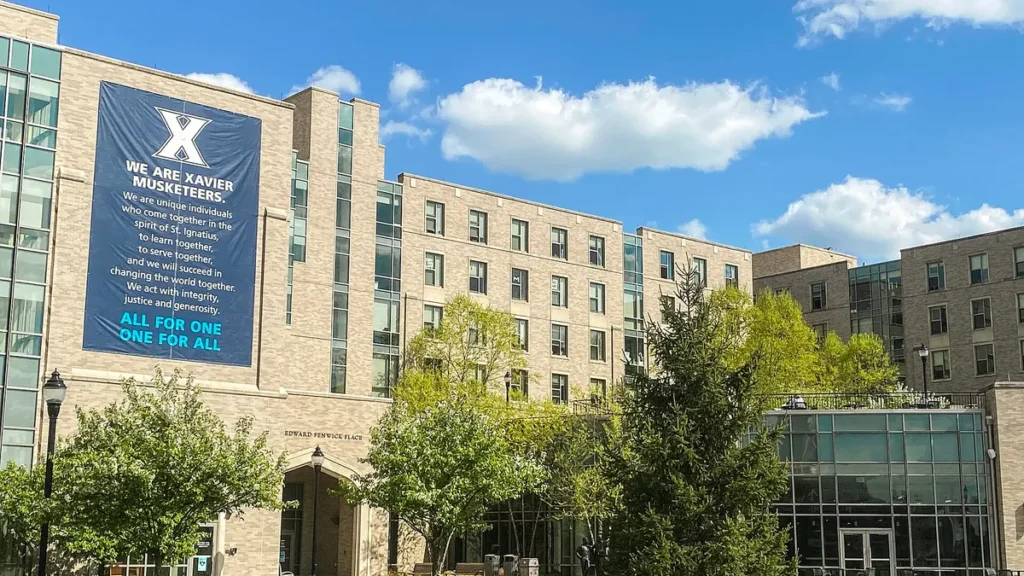
CINCINNATI — Xavier University, a historic private Jesuit institution in Cincinnati, Ohio, is navigating a complex period of financial restructuring and operational recalibration. According to a recent assessment by Fitch Ratings, the university faces heightened operational risks driven by persistent budget deficits, a narrower-than-expected cash flow margin, and the lingering financial echoes of a dramatic enrollment drop in the fall of 2025.
While leadership has introduced aggressive academic overhauls, programmatic expansions, and a massive fundraising campaign to stabilize the institution’s balance sheet, analysts caution that the transition period will require careful fiscal management. The challenges highlight a broader national trend affecting private higher education: smaller incoming cohorts, rising operational costs, and the heavy financial lift required to modernize campus infrastructure and academic portfolios.
Main Facts
The core of Xavier University’s current financial scrutiny stems from a combination of missed fiscal targets and demographic headwinds. Fitch analysts have pointed to worse-than-expected financials for fiscal 2026 and an anticipated budget shortfall for the ongoing fiscal year.
Key financial and operational data points underline the university’s current standing:
- Operating Deficit: Xavier recorded a total operating loss of $5.1 million in fiscal 2025.
- Enrollment Contraction: Full-time equivalent (FTE) students for fall 2026 stand at 4,358, down from 4,580 the previous year. This contraction is primarily a delayed consequence of a severe dip in the first-year cohort during the fall of 2025.
- Cash Flow Margins: Fitch estimates Xavier’s cash flow margins will remain below 5%, even as projected revenue increases over the coming years.
- Operational Friction: Fiscal 2026 performance was described by analysts as "particularly off-target," exacerbated by short-term, unexpected expenditures tied to an unplanned transition in operational management software.
Despite these hurdles, the institution retains significant financial buffers. Analysts highlighted Xavier’s robust fundraising capabilities, strong investment income, reliable revenues from its athletics program, and a history of funding capital projects through philanthropic gifts rather than internal cash reserves or heavy debt accumulation. Furthermore, the university is actively constructing a new college of osteopathic medicine, which remains on time and on budget, with expectations to generate substantial new revenue streams starting in fiscal 2028.
Chronology of Events
To understand Xavier University’s current financial trajectory, it is necessary to examine the timeline of enrollment shifts, strategic pivots, and fiscal milestones leading up to the fall 2026 term:
2019–2024: The Long-Term Enrollment Decline
Over a five-year period, Xavier experienced a steady contraction in its student population. Between the fall of 2019 and the fall of 2024, the university’s total headcount dropped by 21.1%, falling to 5,501 students. This mirrored broader demographic shifts across the Midwest, where a shrinking pool of traditional college-aged students has intensified competition among private liberal arts and regional universities.
September 2025: Launch of the Ambitious Fundraising Campaign
Recognizing the need to diversify revenue and secure long-term capital, Xavier launched a landmark $500 million fundraising campaign. The target nearly doubled the goal of the university’s previous major capital campaign, signaling an aggressive push toward philanthropic reliance to fund future growth and student support.
Fall 2025: The First-Year Enrollment Lows
The university suffered a severe operational setback when its incoming first-year cohort fell well short of 700 students—representing a roughly 20% decline compared to the prior year and marking one of the smallest entering classes in modern university history. This sharp decline immediately strained tuition revenues and laid the groundwork for the $5.1 million operating loss recorded at the close of fiscal 2025.
Throughout Fiscal 2026: Software Transitions and Missed Targets
As the university attempted to stabilize its operations, it encountered additional financial friction. An unplanned transition in operational management software forced unexpected short-term expenditures. Consequently, overall financial performance for fiscal 2026 missed internal and external projections, prompting rating agencies to re-evaluate the university’s operational risk profile.
Fall 2026: Signs of Recovery Amid Lagging Headcount
Offering a glimmer of hope, Xavier’s incoming first-year class for the fall of 2026 rebounded significantly, rising by about one-third to reach 920 students, according to Fitch data. However, because the institution is still feeling the residual effects of the drastically smaller 2025 cohort, total full-time equivalent enrollment fell by 222 students compared to the previous year, leaving the administration to balance the costs of recovery against immediate revenue constraints.
Supporting Data and Financial Metrics
A granular look at Xavier University’s financial and operational data reveals the balancing act currently being performed by university leadership.

| Metric Category | Figure / Status | Context & Analysis |
|---|---|---|
| Fiscal 2025 Operating Loss | $5.1 million | Reflects the immediate revenue impact of multi-year enrollment declines and lower-than-projected tuition yields. |
| Fall 2026 FTE Enrollment | 4,358 students | Down from 4,580 in fall 2025; demonstrates the lingering pipeline effect of the historic 2025 freshman dip. |
| Fall 2026 First-Year Class | 920 students | Represents a roughly 33% rebound from the sub-700 freshman class of the previous year. |
| Long-Term Headcount Drop | 21.1% decrease (2019–2024) | Total student population fell to 5,501 over a five-year period, mirroring regional demographic pressures. |
| Fundraising Target | $500 million | Launched in September 2025, this campaign nearly doubles previous institutional fundraising records. |
| Projected Cash Flow Margins | Below 5% | Fitch analysts note that despite projected revenue growth, margins will remain tight, increasing operational vulnerability. |
| New Program Penetration | 8% of first-year students | Students declaring majors introduced within the last two years (neuroscience, cybersecurity, health science). |
The data illustrates a classic higher education paradox: while top-of-funnel recruitment metrics are showing signs of a strong recovery—evidenced by the bounce-back to 920 incoming freshmen this fall—the multi-year pipeline deficit continues to drain overall operating revenues.
Official Responses and Institutional Strategy
As of late September 2026, university leadership has not immediately issued a detailed public statement addressing the specific credit rating agency downgrade or the reported fiscal 2026 variances. However, institutional strategy documents and reports from Fitch provide clear insight into how Xavier is proactively responding to these financial pressures.
Academic Overhauls and Programmatic Innovation
To reverse long-term enrollment erosion, Xavier has instituted comprehensive academic and enrollment overhauls. The university has aggressively expanded its academic portfolio to align with modern workforce demands. New degree programs in high-demand fields such as neuroscience, cybersecurity, and health science have been introduced.
These modern offerings are already bearing fruit: internal data indicates that 8% of incoming first-year students have declared majors in programs that did not exist at the university two years ago. By pivoting toward career-aligned disciplines, Xavier aims to improve student retention and attract a broader demographic of applicants.
The College of Osteopathic Medicine
Perhaps the most significant structural bet on Xavier’s future is the ongoing development of its new College of Osteopathic Medicine. According to Fitch’s assessments, the planning, funding, and construction phases of the medical school are currently proceeding precisely on time and on budget.
University planners anticipate that the medical college will act as a major financial engine, adding "significant" new net revenue streams to the institutional budget starting in fiscal 2028. Medical education programs typically command higher tuition rates, attract external research grants, and foster deep philanthropic partnerships, making this initiative a cornerstone of Xavier’s long-term fiscal recovery plan.

Philanthropic Resilience
While tuition-dependent revenue streams have experienced volatility, Xavier’s institutional health continues to be bolstered by its extraordinary fundraising prowess. The $500 million capital campaign launched last fall is designed not only to endow student scholarships and faculty chairs but also to directly shoulder the burden of capital expenditures. By utilizing philanthropic gifts rather than internal operational cash or debt financing to build and maintain campus infrastructure, Xavier protects its baseline liquidity from even deeper strains.
Implications for Xavier University and the Private Higher Education Sector
The challenges currently facing Xavier University serve as a micro-cosm for the broader structural shifts testing private, tuition-dependent colleges and universities across the United States.
Short-Term Austerity vs. Long-Term Investment
For Xavier, the immediate implication of the Fitch assessment is a period of heightened operational scrutiny. With cash flow margins projected to stay under 5% and a budget shortfall anticipated for the current fiscal year, university administrators will likely need to enforce strict cost-containment measures. Balancing these short-term budgetary constraints while simultaneously funding long-term strategic investments—such as the new medical school and ongoing software integrations—will require exceptional fiscal discipline.
The Recruitment Rebound Test
The positive momentum seen in the fall 2026 freshman class—surging back to 920 students—suggests that Xavier’s brand equity, Jesuit tradition, and newly minted academic programs retain strong appeal in the marketplace. However, the university must sustain this recruitment momentum over multiple consecutive admission cycles to permanently offset the multi-year enrollment deficits accumulated between 2019 and 2025.
Broader Industry Lessons
For the wider higher education sector, Xavier’s trajectory highlights several critical imperatives:
- Agility in Program Design: Institutions must rapidly adapt their academic offerings to meet shifting student demand, as evidenced by Xavier’s early success with cybersecurity and health science majors.
- Diversification of Revenue: Relying solely on undergraduate tuition is increasingly hazardous; institutions must leverage capital campaigns, graduate and professional programs, and healthcare partnerships to stabilize revenues.
- Managing Technological and Operational Transitions: Unplanned administrative and software costs can disproportionately damage tight institutional budgets during vulnerable financial windows, emphasizing the need for meticulous change management.
As Xavier University looks toward fiscal 2028 and the opening of its college of osteopathic medicine, the institution stands at a pivotal crossroads. How leadership navigates the intervening quarters of tight cash flow and persistent deficits will determine whether its bold long-term investments can successfully outpace its short-term operational headwinds.