Honoring Heritage and Community: How One Honolulu Elementary School Transforms the Traditional Promotion Ceremony
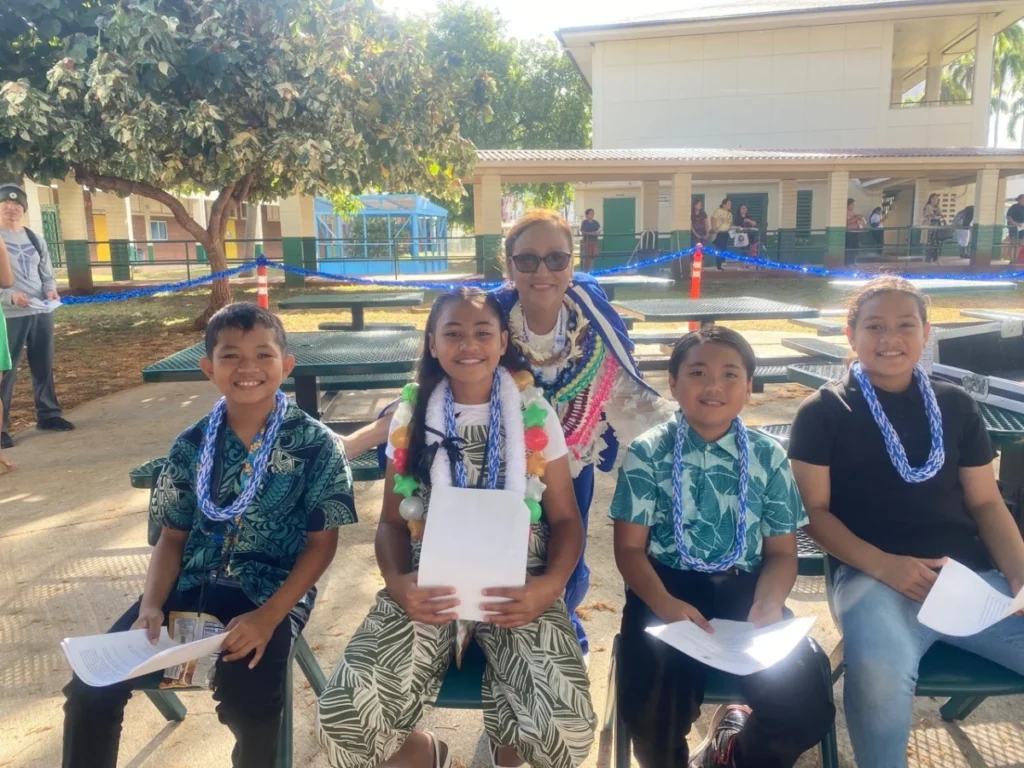
HONOLULU, HI — As the 2025–26 academic year draws to a close for schools operating on an August-to-June schedule, educational leaders across the country are turning their attention to end-of-year milestones. While many institutions view the final weeks as a logistical scramble of standardized testing and final grade tallies, administrators at Kaʻiulani Elementary School in Honolulu, Hawaii, are orchestrating a deeply rooted cultural celebration.
For Principal Bebi Davis and her dedicated staff, the annual fifth-grade promotion ceremony is far more than a routine transition; it is a vibrant synthesis of Hawaiian history, community engagement, and familial connection. Centered around a traditional "hula mount"—an outdoor stage canopied by the sprawling branches of banyan and palm trees—the event blends the solemnity of indigenous storytelling with the joy of shared food, local dignitaries, and generational mentorship.
As schools nationwide search for innovative ways to make milestone events meaningful without sacrificing organization, Kaʻiulani Elementary offers a compelling blueprint. By anchoring their ceremonies in local heritage and intentional community-building, Davis and her team have transformed a simple grade-level promotion into a cherished island tradition that lingers long after the final certificate is handed out.
Main Facts: The Blueprint of Kaʻiulani Elementary’s Promotion
At its core, the Kaʻiulani Elementary promotion ceremony is a masterclass in community-centric event planning. Key elements defining the celebration include:
- The Historical Setting: The ceremony takes place on a natural "hula mount"—a shaded outdoor staging area framed by banyan and palm trees, allowing students and families to immerse themselves in the natural beauty of Oahu.
- The Legacy of Princess Kaʻiulani: Named in honor of the historic Hawaiian princess and activist who courageously defended her people during the overthrow of the Hawaiian Kingdom in the late 1890s, the school was established in 1899, the very year of her tragic passing at age 23. The school ethos fiercely mirrors her legacy of eloquence, diplomacy, and cultural pride.
- The "Senior Walk": In a powerful display of continuity, the school tracks down former Kaʻiulani Elementary students who are now graduating from high school, inviting them to return wearing their caps and gowns. These alumni high-five the graduating fifth graders, bridge generational gaps, and reconnect with educators who shaped their early childhoods.
- Culinary Community Building: Eschewing sterile, fast-paced logistical turnarounds, the school partners with its cafeteria manager to source pupus (finger foods) via bulk grocery runs, fostering an environment where families and teachers can relax and "talk story."
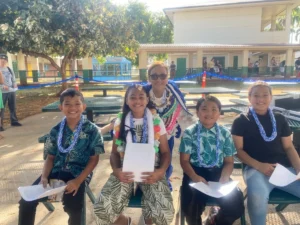
- Cultural Performance: Every grade level contributes to the festivities, with the graduating fifth-grade class taking center stage to perform traditional meles (songs) and hula—an ancient form of storytelling through movement.
Chronology: From Winter Planning to Island Celebration
The success of Kaʻiulani Elementary’s promotion ceremony does not happen by accident; it is the result of a deliberate, multi-month timeline that ensures a seamless, emotionally resonant experience for students, staff, and families alike.
March: The Early Seeds of Strategy
Planning for a May ceremony officially kicks off at the end of the first quarter of the calendar year. Because Kaʻiulani is a small neighborhood school, the administrative and teaching staff operate on an all-hands-on-deck philosophy. During initial March meetings, roles and responsibilities are explicitly assigned:
- Who will spearhead family invitations and coordinate outreach to local dignitaries, such as state senators and representatives?
- Who will manage student rehearsal schedules for traditional meles and hula?
- Who will oversee the logistical details of securing catering, purchasing celebratory balloons, and crafting handmade banners?
April: Creative Coordination and Alumni Tracking
Throughout April, the operational gears turn into high gear. Creative faculty members—such as teacher Melissa Ching, whose artistic vision has heavily shaped recent ceremonies—begin conceptualizing spatial transformations. Whether utilizing balloon arches, floral arrangements, or bespoke signage, the team focuses on converting standard campus environments into spaces of celebration. Simultaneously, the staff undertakes the painstaking task of tracking down the school’s alumni network, coordinating with local high schools to ensure the "Senior Walk" participants are invited and prepared for the big day.
May: The Big Day and Beyond
On the morning of the promotion, the campus hums with anticipation. Chairs are arranged for the graduating fifth graders, while parents set up their own lawn chairs and umbrellas beneath the cool shade of the banyan trees. Dignitaries take their seats among the community members.
The ceremony unfolds with student performances, culminating in the presentation of certificates amidst a sea of high-fives from visiting high school seniors. Yet, the timeline does not end when the final student leaves the stage. True to Hawaiian custom, the official conclusion of the program bleeds into hours of informal connection. Families, teachers, and graduates linger on the grounds for upwards of two hours—taking photographs, sharing meals, and preserving memories that will last a lifetime.
Supporting Data: The Logistics of Meaningful Celebrations
While educational administrators often worry that managing large groups of young children necessitates rushing through ceremonies to maintain order, empirical observations from Kaʻiulani Elementary suggest otherwise. When events are intentionally designed, participants are more likely to invest their time and emotional energy.
- Retention of Attendees: According to post-ceremony observations from previous years, families do not scatter the moment the final certificates are handed out. At Kaʻiulani, attendees consistently remain on campus for an average of two hours post-ceremony, utilizing the time to "talk story" and celebrate communally.
- Multi-Year Consistency: The alumni "Senior Walk" initiative has successfully run for three consecutive years, reflecting a high retention and tracking capability among the school’s dedicated faculty.
- Historical Longevity: Established in 1899, Kaʻiulani Elementary School has operated for over 125 years, continuously evolving its traditions while maintaining a direct link to the late 19th-century history of the Hawaiian Kingdom.
- Collaborative Framework: Operating within a tight school budget, the event relies on strategic resource allocation—utilizing designated school funds for bulk grocery acquisitions at wholesale retailers to supply traditional island pupus and refreshments for dozens of attendees.
Official Responses and Administrative Insights
Principal Bebi Davis emphasizes that creating a culturally rich, engaging promotion ceremony is entirely accessible to schools regardless of their geographic location or budgetary constraints.
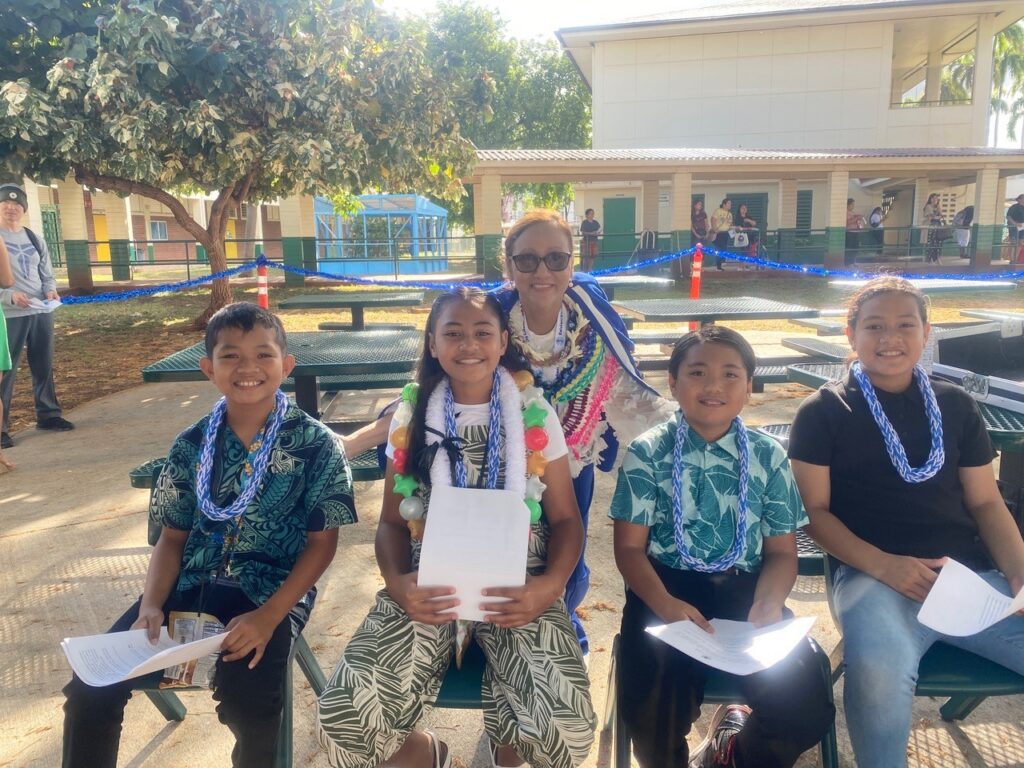
"When you have so many young children, you may think you have to forego meaning just to keep things moving, but I haven’t found that to be the case," Davis explains. "Instead, we honor our heritage and our history with a celebration that makes everyone feel connected and engaged."
Davis notes that even schools operating under stringent financial limitations can replicate the core philosophy of the event.
"Even if your budget only allows for a sheet cake, it’s enough to signal that graduation is a celebration," Davis points out. "No matter where you live or what your weather is like, you can transform the dullest space with balloons, flowers, and decorations. It’s always worth the time to make your graduation event feel special."
Reflecting on the collaborative spirit required to execute the vision, Davis credits the relentless dedication of her faculty.
"It’s a lot of work, but it’s so beautiful," says Davis. "It may take hours to make it that way, but it’s so worth it to see our students and families enjoy it. It will be a special memory for all who were part of it."
Implications: A National Takeaway for School Leaders
As educational systems across the United States grapple with student disengagement, teacher burnout, and a growing disconnect between local communities and public institutions, the model demonstrated by Kaʻiulani Elementary offers profound implications for school leadership nationwide.
1. Reclaiming Ritual in Education
In an era dominated by hyper-standardization and digital disruption, physical rituals carry immense psychological weight. By grounding milestone events in local history and indigenous traditions, schools provide students with a tangible sense of identity. When a fifth grader performs a traditional hula or a graduating senior walks the stage where they once sat a decade prior, education ceases to be merely an administrative progression; it becomes an intergenerational covenant.
2. Scalable Community Engagement
Many school administrators dismiss elaborate ceremonies under the assumption that they require massive budgets or specialized event-planning firms. Kaʻiulani Elementary proves that community connection is driven by intention rather than expense. Whether through a wholesale grocery run for finger foods, handwritten signs crafted by creative teachers, or repurposed outdoor spaces, meaningful engagement is achievable through grassroots organization and staff collaboration.
3. Fostering Long-Term Institutional Loyalty
The "Senior Walk" initiative highlights a vital strategy for student retention and community pride: keeping the pipeline open. By inviting alumni back into the elementary school ecosystem, administrators reinforce the idea that a school is not just a place children pass through for a few years, but a lifelong ʻohana (family). This practice not only inspires current elementary students by giving them visible role models to look up to, but it also strengthens alumni bonds that can translate into long-term community support, volunteerism, and advocacy for public education.
Ultimately, Kaʻiulani Elementary School demonstrates that with thoughtful planning, cultural reverence, and a shared commitment from the entire school community, the end of a school year can transcend the ordinary—transforming a simple promotion into a powerful, enduring celebration of life, heritage, and community.