
Cultivating a Culture of Wellbeing: Inside Sward Elementary School’s Year-Round Approach to Student and Staff Mental Health
OAK LAWN, IL — In contemporary K-12 education, the academic mandate has fundamentally expanded. No longer is the classroom measured solely by standardized test scores, reading levels, and mathematical proficiency. Today, educators and administrators increasingly recognize a foundational truth: children cannot learn effectively if they do not feel safe, regulated, and emotionally supported.
At Sward Elementary School in Oak Lawn, Illinois, this realization is not merely a talking point for Mental Health Awareness Month—it is the operational heartbeat of the entire institution. Led by Principal Suzanne Amra, the school has spent years weaving social-emotional learning (SEL) and mental health infrastructure into the daily fabric of school life. By moving away from reactive discipline and toward proactive emotional regulation, Sward Elementary has established a blueprint for how primary schools nationwide can foster environments where children can both "learn well and be well."
Main Facts
The mental health initiative at Sward Elementary School is a comprehensive, multi-tiered framework designed to address student emotional regulation, trauma-informed care, and staff wellbeing. Rather than treating mental health as an occasional crisis-response measure, the school approaches emotional wellness as a yearlong, continuous curriculum.
Key components of Sward’s mental health framework include:
- Daily SEL Integration: Every morning begins with 15 minutes of structured social-emotional learning, utilizing "morning circles" to check the emotional temperature of classrooms ranging from kindergarten to fifth grade.
- Embedded Mental Health Professionals: Two full-time school workers are integrated into the building, providing direct student support, crisis intervention, and coaching for faculty and staff.
- Student Empowerment via "Hot Passes": A trusted system that allows dysregulated students to independently seek out a pre-identified adult to de-escalate stress safely and respectfully.
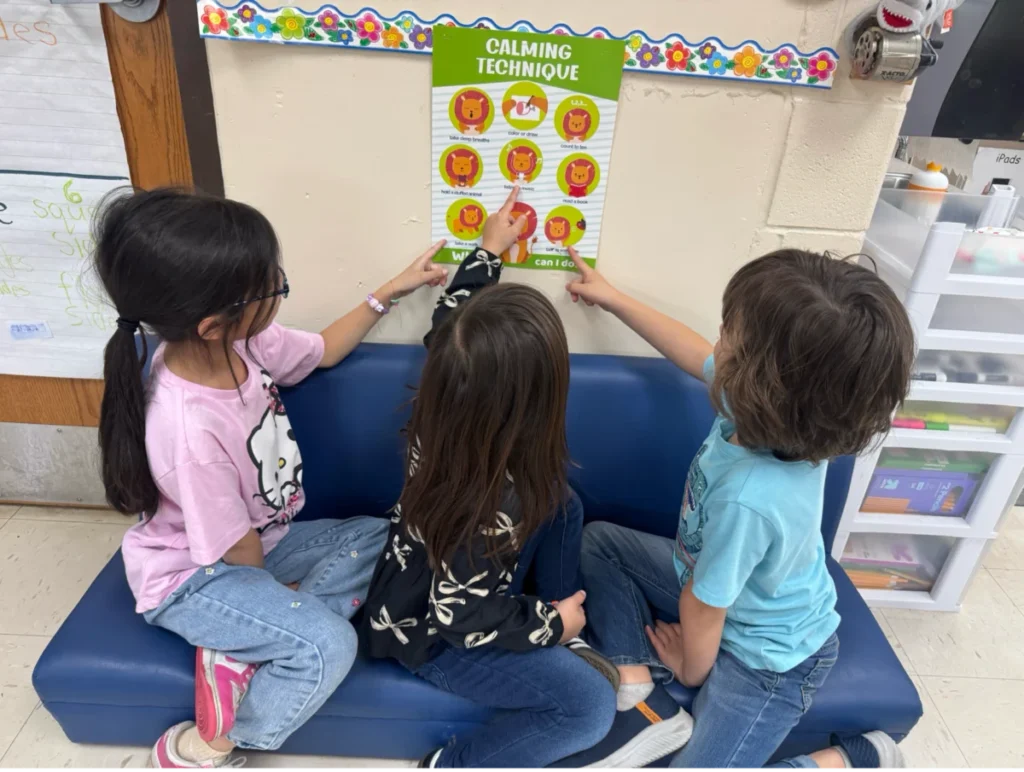
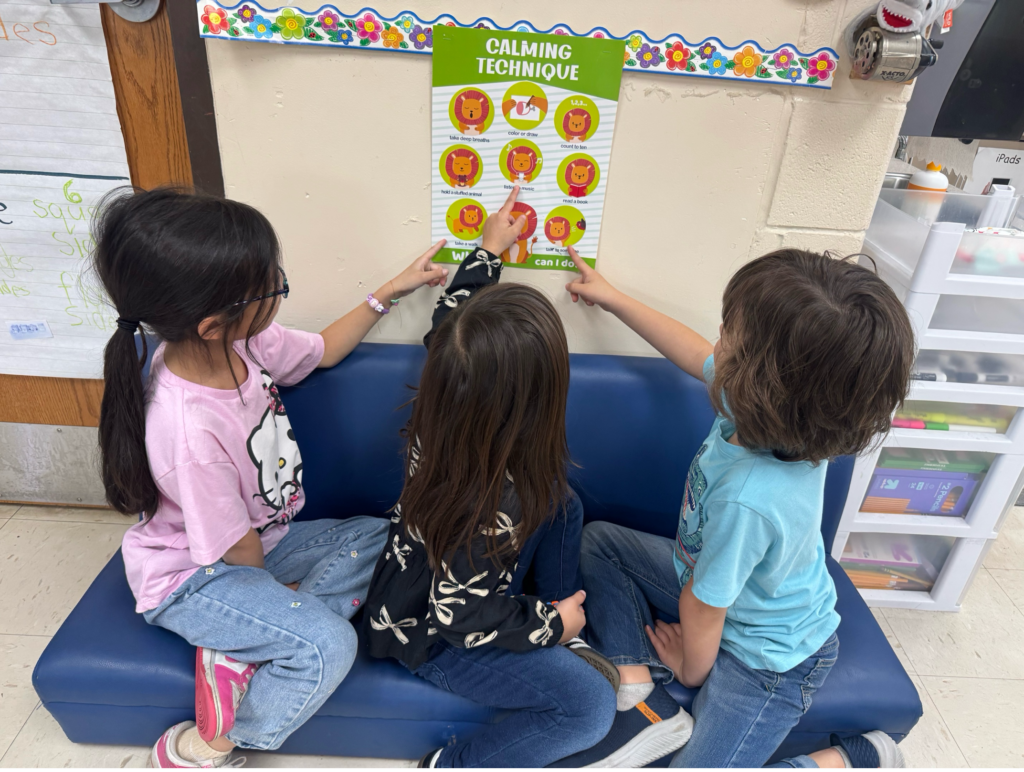
- Environmental Adjustments: The intentional creation of "Calming Corners" and "Sensory Hallways" throughout the building to assist with nervous system regulation during transitions or moments of high stress.
- Cross-Functional Crisis Teams: A dedicated response unit comprising administrators, social workers, and trained paraprofessionals prepared to handle severe emotional dysregulation or emergency incidents.
Chronology: The Evolution of Sward’s Mental Health Framework
The transition at Sward Elementary did not happen overnight. It is the result of a deliberate, multi-year evolution in how the school community perceives student behavior, academic performance, and institutional responsibility.
Phase 1: Recognition and the Shift in Mindset (Pre-Implementation)
Years prior to formalizing the current framework, school leadership recognized a growing disconnect between traditional disciplinary practices and the root causes of student disruptions. Educators noted that students acting out in class were frequently dealing with underlying stressors—ranging from domestic challenges and peer conflicts to academic anxiety. Leadership realized that punishing dysregulated behavior was ineffective; instead, the school needed to target the root cause: emotional dysregulation.
Phase 2: Building the Foundation with Morning Routines
The first major structural shift took place in the daily schedule. Sward embedded a mandatory 15-minute SEL window immediately following the morning bell. By establishing predictable morning circles across all grade levels, the school created a standardized yet adaptable ritual. This gave students a reliable space to voice their feelings, build peer empathy, and transition smoothly into academic instruction.
Phase 3: Expanding Professional Support Systems
Recognizing that classroom teachers alone could not shoulder the emotional weight of thirty students, the school expanded its mental health team, anchoring two full-time social workers in the building. Crucially, the role of these social workers was designed to extend beyond special education IEP compliance. They were positioned as general resources available to all students, as well as mentors and coaches for the instructional staff.
Phase 4: Developing Autonomy Through "Hot Passes" and Spaces
To bridge the gap between classroom instruction and clinical intervention, Sward introduced the "hot pass" protocol and physical environmental changes, such as "Calming Corners" and "Sensory Hallways." This phase marked a philosophical shift toward student autonomy: children were taught to recognize their own internal states and take proactive, approved steps to self-regulate before crises escalated.
Supporting Data and Observational Insights
While qualitative assessments of school climate are often difficult to quantify, educators at Sward Elementary report distinct, observable improvements in school culture since the rollout of these mental health initiatives.
- Decreased Anxiety and Disruption: Teachers report a noticeable decline in generalized classroom anxiety. When children are given a predictable 15-minute morning check-in, baseline stress levels drop, allowing academic lessons to proceed with fewer interruptions.
- Strengthened Student Voice: Morning circles have democratized the classroom environment. By allowing students to share "as much or as little as they are comfortable with," marginalized or hesitant voices find a platform, fostering deeper peer-to-peer trust.
- Staff Retention and Resilience: By extending mental health support to teachers—allowing social workers to model regulation techniques directly for adults—the school has mitigated burnout. Administrative data across similar trauma-informed initiatives consistently demonstrates that when educators feel supported from the top down, they exhibit higher job satisfaction and lower turnover rates.
- Reduction in Escalated Incidents: The combination of hot passes and environmental sensory tools has drastically reduced the frequency of severe behavioral outbursts. By catching dysregulation in its infancy, minor stressors are managed before requiring administrative disciplinary intervention.
Official Responses and Administrative Philosophy
Principal Suzanne Amra has been a vocal advocate for reframing the primary objective of elementary education. In statements detailing the school’s strategies, Amra emphasizes that student achievement is inextricably linked to emotional equilibrium.
"If a child is upset, they can’t learn," Amra states plainly. "However, if they can put tools into practice to restore their equilibrium, then not only are we making a positive impact on learning, but we are making strides toward self-regulation that will serve them long after they leave school."
This philosophy challenges the legacy model of education, which often views emotional support systems as "extras" or distractions from academic rigor. Sward Elementary’s administration argues the exact opposite: emotional regulation is the prerequisite for academic engagement.
Furthermore, the administration places heavy emphasis on the wellbeing of the adults in the building. By utilizing school social workers to model trauma-informed approaches for teachers, Sward acknowledges a core tenet of modern organizational psychology: you cannot pour from an empty cup. Supporting teachers directly translates to healthier, more patient classroom environments for children.
Implications for Modern Education
The comprehensive mental health model deployed at Sward Elementary School carries profound implications for school districts across the United States. As public schools grapple with post-pandemic learning gaps, behavioral challenges, and rising anxiety rates among youth, the traditional punitive model of school management is proving increasingly obsolete.
1. Proactive vs. Reactive Resource Allocation
Traditional school budgets often allocate the vast majority of resources to academic remediation and post-incident discipline. Sward’s framework demonstrates the value of shifting resources upstream—investing in daily preventative routines, accessible social workers, and physical spaces designed to prevent crises before they occur.
2. Redefining School as a "Second Home"
Given the extensive hours children spend within school walls during their formative years, institutions like Sward Elementary increasingly function as primary attachment sites. Creating physical environments—such as calming corners and sensory hallways—acknowledges this reality, transforming sterile institutional spaces into psychologically safe zones.
3. Lifelong Skill Acquisition
The coping mechanisms taught through Sward’s hot passes and morning circles—self-awareness, emotional labeling, de-escalation, and asking for help—are not merely useful for surviving the school day. They are foundational life skills. By embedding these practices into elementary education, schools are equipping the next generation with emotional toolkits that will serve them well into adulthood, the workplace, and broader society.
About the Author
Suzanne Amra is the principal of Sward Elementary School in Oak Lawn, Illinois, where she continues to advocate for innovative, student-centered approaches to education, mental health equity, and holistic school leadership.