Building a Culture of Recognition: How One High School Teacher’s "Octopus" Wall Transforms Classrooms Through Peer Affirmation
By Educational Features Desk
Published: Fall Term Review
Main Facts
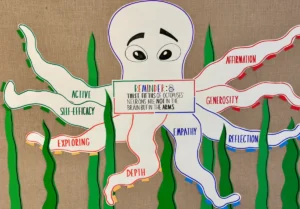
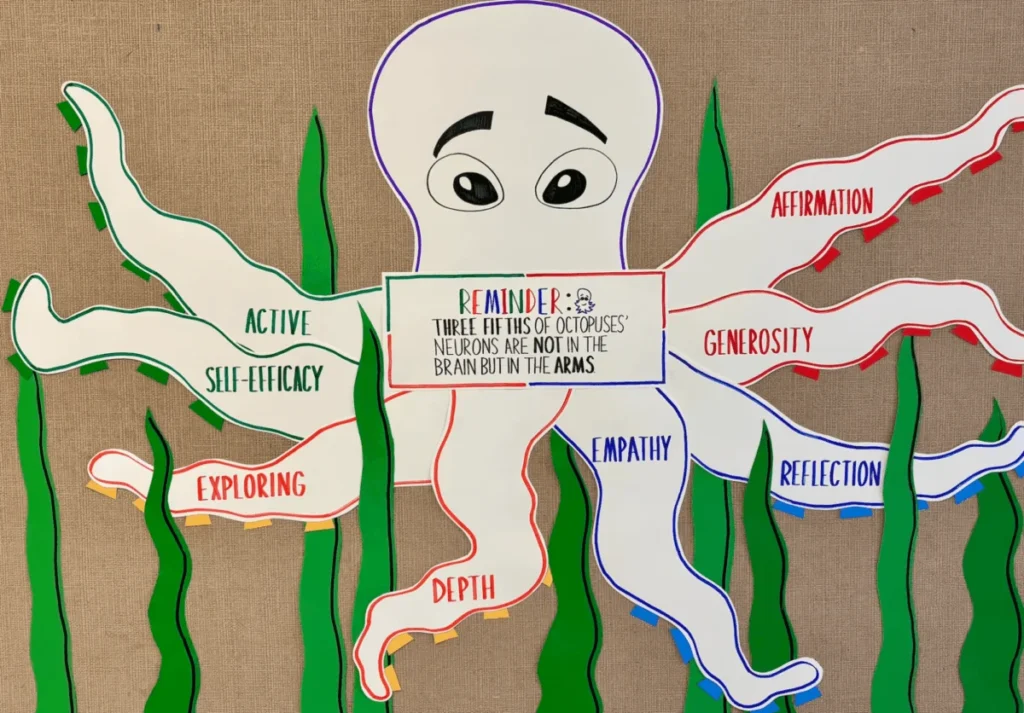
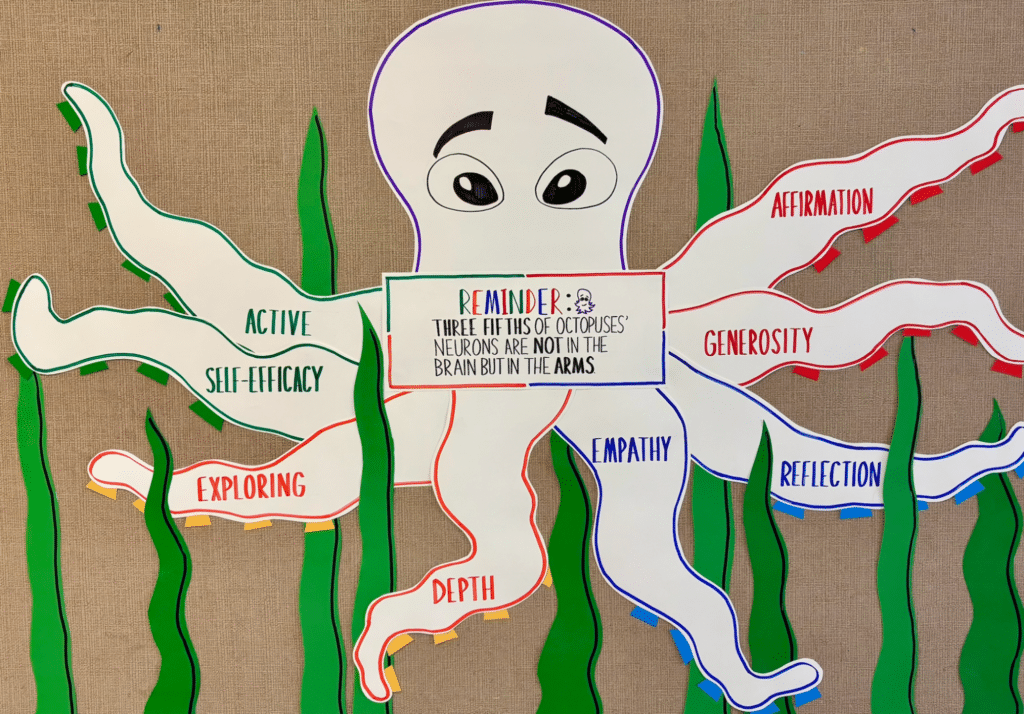
In classrooms across the country, high school teacher Marcus Luther has introduced a deceptively simple yet profoundly resonant pedagogical tool: "the octopus." Far from a standard piece of visual classroom decor, this large wall display functions as the focal point for a systematic, year-long peer affirmation program.

At the start of each academic year, the octopus poster stands entirely blank, its numerous limbs representing core classroom values such as active engagement, depth of thought, and self-efficacy. Over the course of the semester, students anonymously nominate their peers for living out these values within the classroom community. Once verified, nominated students sign their names directly onto the octopus, turning a weekly ritual into a celebrated public acknowledgment of character, collaboration, and academic curiosity.
The initiative bridges the gap between traditional social-emotional learning (SEL) and daily high school instruction. By moving away from top-down teacher praise and instead encouraging students to actively notice and name the positive contributions of their classmates, Luther’s system fosters an environment where mutual respect and shared community values take center stage. Far from being dismissed as juvenile by older adolescents, the "signing the wall" ritual has proven to be a deeply anticipated weekly event that resonates with freshmen, seniors, and even the most notoriously detached teenagers.
Chronology
The evolution of Luther’s peer affirmation framework spans over a decade of classroom experimentation, drawing inspiration from various educational philosophies and practical adaptations:
- Pre-Inception (Early 2010s): Luther first encountered the power of intentional community values and peer notes while observing his wife’s fifth-grade classroom. Witnessing how younger children responded to structured, positive feedback planted the seed for high-school application.
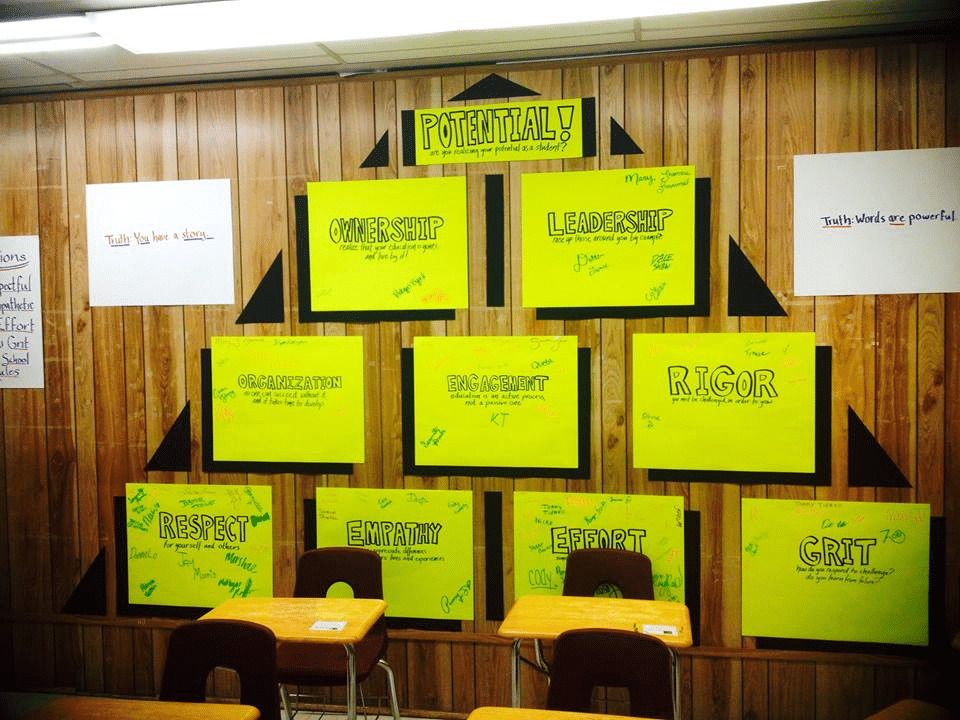
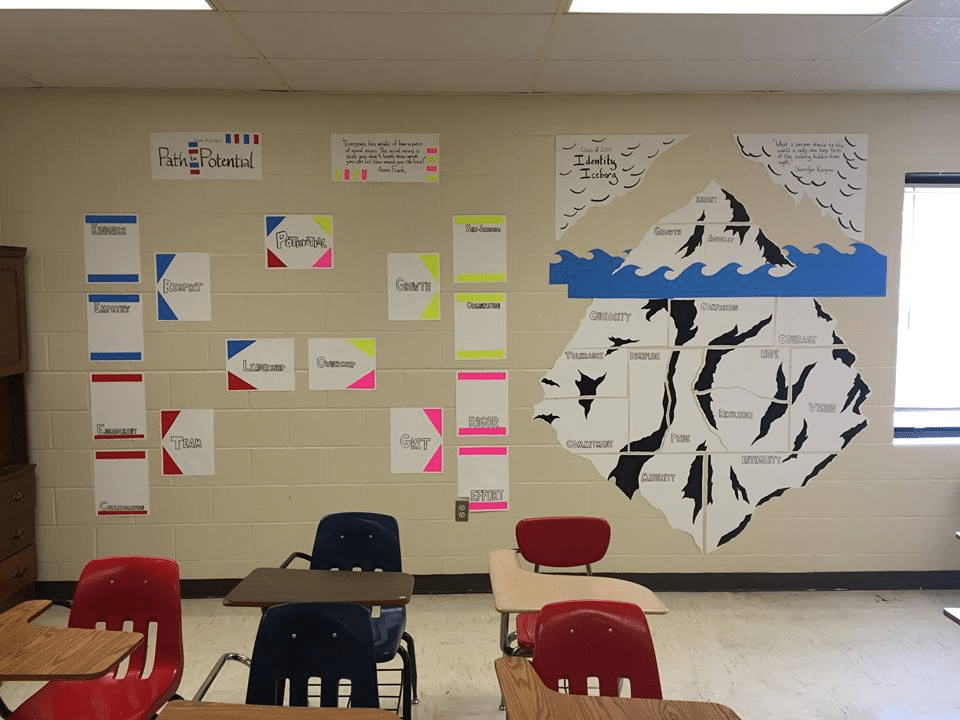
- The Early Years (Pyramid Phase): Inspired by John Wooden’s famous "Pyramid of Success," Luther introduced a pyramid-shaped values wall in his initial high school classroom. During this phase, the system was largely unorganized, functioning primarily on intuition without robust tracking mechanisms.
- Refinement and Scaling: As Luther managed multiple class sections totaling up to 180 students annually, the operational logistics shifted. The introduction of digital tools—specifically Google Forms and spreadsheets—transformed the nomination and tracking process into a streamlined, highly organized system.
- The Octopus Era (Present Day): The wall display evolved into its current marine-inspired aesthetic. Simultaneously, the framework matured into a well-defined three-step model: preparing the core values, executing anonymous peer nominations, and executing the weekly "signing the wall" ritual.
Supporting Data
While classroom culture is frequently quantified through standardized test scores and attendance rates, the impact of peer affirmation manifests in qualitative data, student engagement metrics, and longitudinal tracking:
- Scale of Reach: Luther typically manages between six distinct class sections, impacting roughly 150 to 180 high school students each academic year.
- Digital Integration: Nominations are primarily collected via customized Google Forms embedded into routine class activities (such as exit tickets), ensuring high participation rates without placing an undue grading burden on the educator.
- Long-Term Engagement: Longitudinal observations indicate that over a 10-year period, student buy-in remains exceptionally high across diverse demographics, ranging from underclassmen transitioning into high school to advanced placement (AP) juniors and seniors focused heavily on academic metrics.
- Holistic Application Data: The comprehensive tracking spreadsheets utilized by educators serve as robust repositories for writing individualized college recommendation letters, tracking student personal growth, and facilitating targeted positive outreach to parents during fall and spring conferences.
Official Responses
The reception to Luther’s peer affirmation system has been overwhelmingly positive among students, parents, and the broader educational community:
- Student Perspectives: Despite initial teenage cynicism or predictable eye rolls during the first weeks of the term, students frequently become deeply invested in the process. Anecdotal evidence highlights students proudly showing the wall to visitors during lunch breaks, and even maintaining the ritual on the final day of the school year right up until the summer bell rings.
- Parent Reactions: During parent-teacher conferences, the inclusion of peer feedback provides a unique vantage point. Rather than focusing strictly on grade point averages, conferences often highlight personal character traits—such as a student’s willingness to help peers or their ability to dive deep into complex texts—as reported directly by their classmates.
- Pedagogical Community Response: Through features on platforms like Cult of Pedagogy and Luther’s own writing at The Broken Copier, educators nationwide have begun adopting and adapting the framework. Teachers have praised the system’s adaptability, noting that it provides a structured, low-friction pathway to integrate SEL into content-heavy secondary classrooms.
Implications
The implications of implementing a structured peer affirmation system extend far beyond the physical walls of a single high school classroom.
Cultivating Intentional Spaces
In modern education, classroom management is often reactive, focusing heavily on mitigating disruptions or penalizing poor behavior. Systems like the octopus wall reframe classroom management through a proactive lens. By explicitly defining core values and celebrating students who embody them, educators communicate a powerful message: what you make space for is what you value.
Redefining Academic and Social Success
High school environments can frequently feel hyper-competitive, where students view one another through the narrow prism of grades, athletics, or social hierarchies. Peer affirmation breaks down these silos. When an academically quiet student is recognized by their peers for their deep listening skills, or when a traditionally disengaged student is celebrated for showing up with self-efficacy, internal status structures shift. Students learn to see the inherent worth and unique contributions of the people sitting right beside them.
Practical Benefits for Educators
Beyond the immediate social-emotional gains for students, the administrative mechanics of the system offer significant relief to teachers. By maintaining a centralized digital log of nominations, educators possess an instant, data-driven narrative of a student’s character over the school year. This data streamlines the arduous process of drafting authentic letters of recommendation and offers immediate talking points for uplifting conversations with families who rarely hear positive news about their adolescents in a secondary school setting.
Ultimately, Marcus Luther’s octopus wall serves as a reminder that the most enduring lessons taught in schools are not always found in textbooks. By giving students the tools and the permission to look for strengths in one another—and the courage to voice them aloud—educators can foster a culture of genuine empathy that extends well beyond graduation day.